Senate of Pakistan 2026: Elections, Members and Functions
The Senate of Pakistan 2026 sits at the centre of the country’s constitutional debates, functioning with 85 of its 96 members while 11 Khyber Pakhtunkhwa seats remain vacant. This year’s Senate story combines the unfinished business of the 2024 elections, the approaching 2027 polls for half the house, and the upper house’s role in reviewing the year’s landmark legislation. This guide explains the Senate’s membership, functions and key developments as of 15 October 2026.
Senate Pakistan 2026: Membership and Leadership
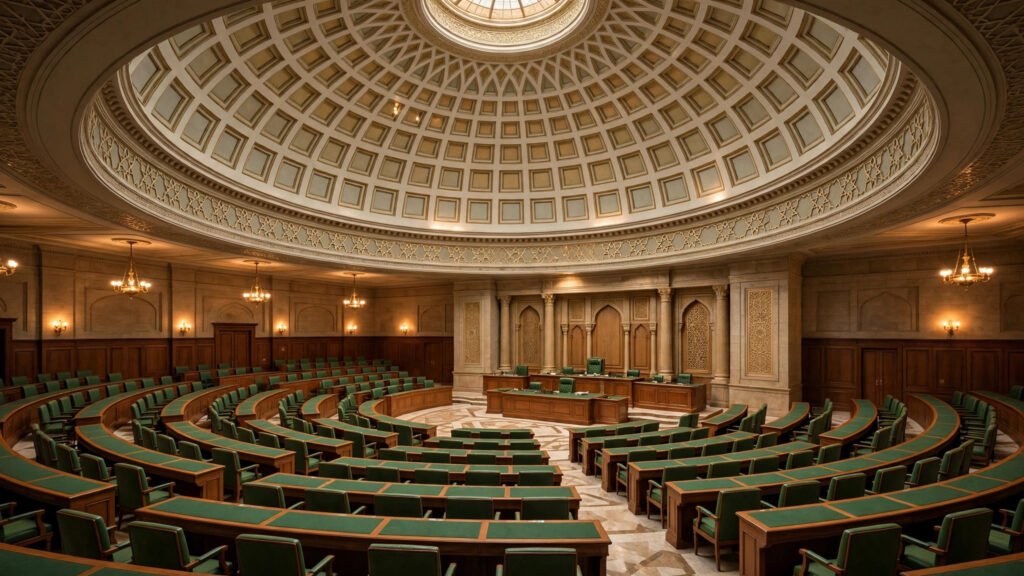
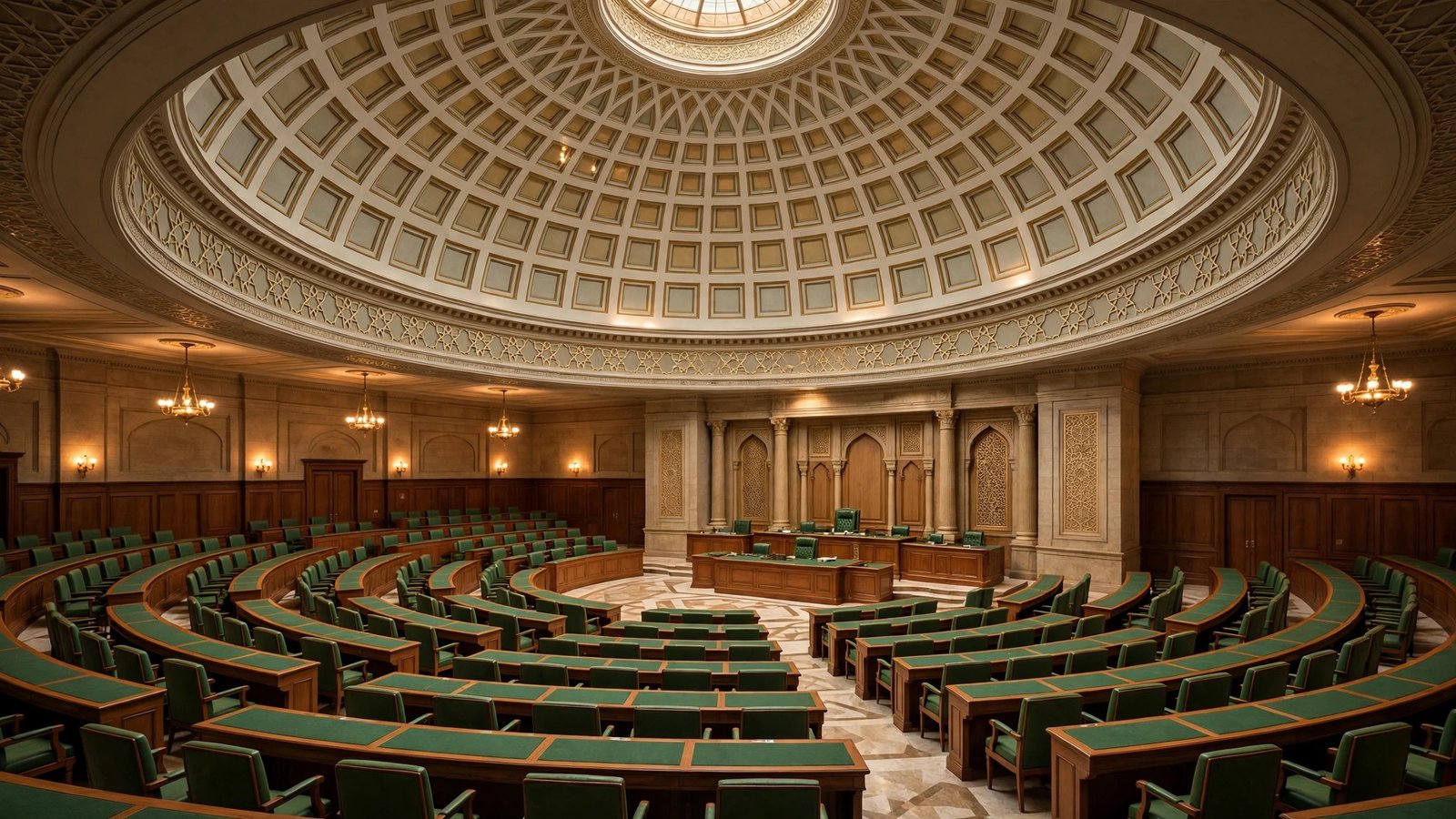
The Senate Pakistan 2026 is chaired by former prime minister Syed Yousuf Raza Gillani of the PPP, with PML-N’s Syedal Nasir as deputy chairman. The Senate is the upper house of Pakistan’s bicameral Parliament and the house of the federation: each province gets equal representation regardless of population, alongside members from the federal capital. Senators serve six-year terms, with half of the 96-member house up for election every three years — a staggered design meant to ensure continuity and insulate the chamber from the political swings of any single election.
The current incomplete composition is one of the defining features of the Senate Pakistan 2026. Senate elections were held in Islamabad, Punjab and Sindh in the 2024 cycle, and 41 newly elected senators were administered the oath. But polls for 11 KP seats were delayed after a dispute over administering the oath to opposition lawmakers on reserved seats in the Khyber Pakhtunkhwa Assembly — the provincial speaker refused, and the Election Commission’s allocation of those reserved seats to the PPP, PML-N and other parties was contested by the PTI and the Sunni Ittehad Council. The Senate therefore functions at 85 members, a gap opposition parties argue undermines the chamber’s claim to represent all federating units. The dispute is covered in our Election Commission of Pakistan guide.
Functions: What the Senate Actually Does
The Senate Pakistan 2026 exercises real legislative power. Every bill passed by the National Assembly — except money bills — must be reviewed by the Senate, which can amend or delay legislation. The upper house also initiates its own legislation, debates national policy, and exercises oversight through its standing committees. Because its members are elected by the provincial assemblies and the National Assembly rather than directly by voters, the Senate is designed as a chamber of sober second thought, balancing the population-based representation of the lower house with equal provincial voice.
In 2026 the Senate’s legislative role was prominent in the passage of the 27th Constitutional Amendment’s framework, with the upper house approving the amendment in November 2025 before the National Assembly completed clause-by-clause approval. The Senate also reviews the implementing legislation, such as the Defence Forces of Pakistan Act, 2026, passed by the lower house in August 2026. For the lower house’s record, see our guide to the National Assembly of Pakistan.
Chairman Gillani and the New-Provinces Question
Senate Chairman Gillani has used the office’s platform to weigh in on national debates. In September 2026, speaking at the inauguration of an orphanage for girls in Karachi’s Korangi area, he said the government had not yet brought any agenda before the Senate regarding the creation of new provinces or administrative units — a long-running demand in parts of southern Punjab and elsewhere. “The four provinces together constitute Pakistan, and we cannot create divisions among them,” he said, adding that all four provinces should develop and the deprivations of their people must be addressed. He also declined to comment on questions about the Punjab government’s expenditures, noting that he and the President hold constitutional offices rather than government positions.
The Road to the 2027 Senate Elections
The next major milestone for the Senate Pakistan 2026–27 cycle is the election for half the house due in 2027, three years after the 2024 polls. These elections will fill roughly 48 seats — general, technocrat, women and minority seats across the provinces and the capital — and will be conducted by the Election Commission through the provincial assemblies and the National Assembly as the electoral college. The unresolved 11 KP seats add complexity: whether those polls happen before, with, or after the 2027 cycle will shape the chamber’s composition and the balance of power between the ruling coalition and the opposition.
As of 15 October 2026, the Senate Pakistan 2026 picture is of an upper house doing its legislative work with an incomplete membership against a backdrop of intense federal-provincial tension. The October 2026 governor’s rule in KP — the province whose Senate seats remain unfilled — has only deepened the stakes. This article will be updated as the election schedule is announced.
Frequently Asked Questions
Who is the Senate Chairman in 2026?
Syed Yousuf Raza Gillani, the former prime minister and PPP leader, chairs the Senate, with Syedal Nasir of the PML-N as deputy chairman.
Why are 11 Senate seats vacant?
Senate polls for 11 KP seats were delayed after a dispute over oath-taking for opposition members on reserved seats in the KP Assembly, leaving the Senate at 85 of 96 members.
How are senators elected?
By the provincial assemblies and the National Assembly through proportional representation; each senator serves a six-year term, with half the house elected every three years.
When are the next Senate elections?
Elections for roughly half the house are due in 2027, three years after the 2024 cycle — the key upcoming event in the Senate Pakistan 2026–27 calendar.
What is the Senate’s role in legislation?
The Senate reviews and can amend bills passed by the National Assembly, initiates its own legislation, and provides equal provincial representation in the federal legislature.
See reporting on the Senate chairman’s election and Chairman Gillani’s September 2026 remarks.
Senate of Pakistan 2026: Elections, Members and Functions
The senate pakistan 2026 picture is shaped by staggered elections that renew half the 96-member upper house every three years. The senate elections pakistan 2026 date and schedule are announced by the Election Commission, with provincial assemblies and the National Assembly serving as the electoral college. The senate of pakistan members list balances provincial representation — a design giving smaller provinces an equal voice. How senate elections work pakistan: members vote by secret ballot under proportional representation, and the senate chairman pakistan 2026 presides over the house that reviews legislation and represents federalism.
The senate pakistan 2026 composition influences legislation, constitutional amendments and the balance of federal power. Because the senate pakistan 2026 elections use proportional representation, smaller parties and independents can win seats that first-past-the-post would deny them — making the Senate Pakistan’s most inclusive legislative forum.
Related Posts
 Pakistan NewsOne Constitution Avenue to Become Five-Star Hotel in Islamabad
 Pakistan NewsGovt–JI Petroleum Levy Talks Final Stage: Relief Agreed for Farmers, 1,000cc Cars
 Pakistan NewsSSGC Winter Gas Schedule 2026: Only 8 Hours a Day for Homes in Sindh and Balochistan
 Pakistan NewsLHC Rules Online Shopping Disputes Must Go to Consumer Courts, Not Civil Courts
 Pakistan NewsNAB Summons Asad Mahmood, JUI-F Chief’s Son, Over Pakistan Post Appointment Irregularities
 Pakistan NewsImran Khan “Had No Regret” Over End of KP Government? PTI Chief Gohar Rejects Report as “Completely False”
Most Popular
 How-ToPTA Tax Calculator 2026: Check Mobile Tax on Any Phone416 views
 Pakistan NewsPIA Boeing 787 Lease Deal: What It Means for the Airline388 views
 SportsUEFA Champions League 2026-27: Format, Teams and Schedule382 views
 Canada JobsTech Jobs in Canada: Roles, Salaries, and Skills Needed379 views
 TechnologyPM Shehbaz Sets November Deadline for Alibaba AI and Digitalisation Projects in Pakistan361 views
 ShowbizWomen’s Fashion in Pakistan 2026: Trends, Brands and Style Guide354 views