
Pakistan’s telecom regulator spent the past year reading the country’s threat landscape — and the numbers are sobering. The Pakistan Telecommunication Authority has published its Cyber Security Annual Report 2024-25, logging more than 10,000 cyber alerts in a single reporting year, according to coverage by Profit by Pakistan Today reported by TecniForge on 31 October 2026.
The report is officially about telecom operators. But as TecniForge’s analysis notes, almost nothing in it is telecom-specific: stolen passwords, fake messages and abused admin tools hit software houses, banks, universities and startups in exactly the same way. For any Pakistani business running on the internet, this PTA cyber security annual report is required reading.
Over 10,000 alerts: what the PTA actually recorded
The raw numbers tell the story. The PTA logged over 10,000 alerts and escalated roughly 1,500 of them for investigation. Its National Telecom Security Operations Centre, known as nTSOC, issued 151 advisories covering vulnerabilities, phishing campaigns and ransomware. It also coordinated the blocking of 534 malicious IP addresses and domains together with operators and internet service providers.

Then came the spike. Between April and May 2025 alone, nTSOC tracked more than 112 major cyber incident claims, 25 distributed denial-of-service attacks and 104 dark web threats aimed at Pakistan. Operators mitigated about 25 DDoS attacks in that window, each lasting between one and 60 minutes — short, sharp and disruptive.
Universities in the crosshairs: the dark web findings
The PTA cyber security annual report makes uncomfortable reading for the education sector. Dark web monitoring turned up hundreds of leaked credentials tied to public sector bodies, telecom users and enterprises. More than 30 academic websites were defaced or planted with web shells, and thousands of university logins showed up for sale on dark web marketplaces.

For students and staff, the message is blunt: a reused university password is not just a personal problem. Once it lands in a leaked credential dump, attackers use it to probe every other account that person owns.
AI phishing and stolen passwords: how attackers really get in
According to the report, attackers are “increasingly relying on stolen credentials, deceptive communications and legitimate system tools” instead of classic malware. In plain terms: criminals prefer logging in to breaking in. If staff reuse passwords, or an admin panel sits open on the public internet, no clever zero-day is needed — someone just types the right password.

The PTA also flags AI-written phishing, voice-cloning fraud and deepfakes impersonating government officials. The old advice of “look for spelling mistakes” is dead: a perfect message in flawless Urdu or English can now be produced in seconds. The report’s implied defence is a boring one that works — multi-factor authentication on every admin and email account, password managers, and verifying sensitive requests through a second channel.
Paper compliance is not real security: the uncomfortable scores
The compliance table is where the report gets awkward for the industry. Telecom licensees scored 93.3 per cent on incident management, 91.7 per cent on continuity management and 95.8 per cent on reporting — excellent marks for process.
Now look at the technical side. Framework implementation sat at 76.6 per cent, monitoring at 71.9 per cent, critical infrastructure management at 65.2 per cent, and malware protection at just 61.1 per cent — the lowest figure in the whole report. Companies, it seems, are better at filling in forms than at hardening systems. As TecniForge points out, plenty of software houses do the same thing with ISO checklists.
Tougher rules ahead: new regulations and the 5G era
The PTA has drafted the Critical Telecom Data and Infrastructure Security Regulations 2025, which update the 2020 framework. The new rules add requirements for asset management, risk assessment, data privacy, cloud security, insider threats, business continuity and incident response — and tighten identity verification and access controls.
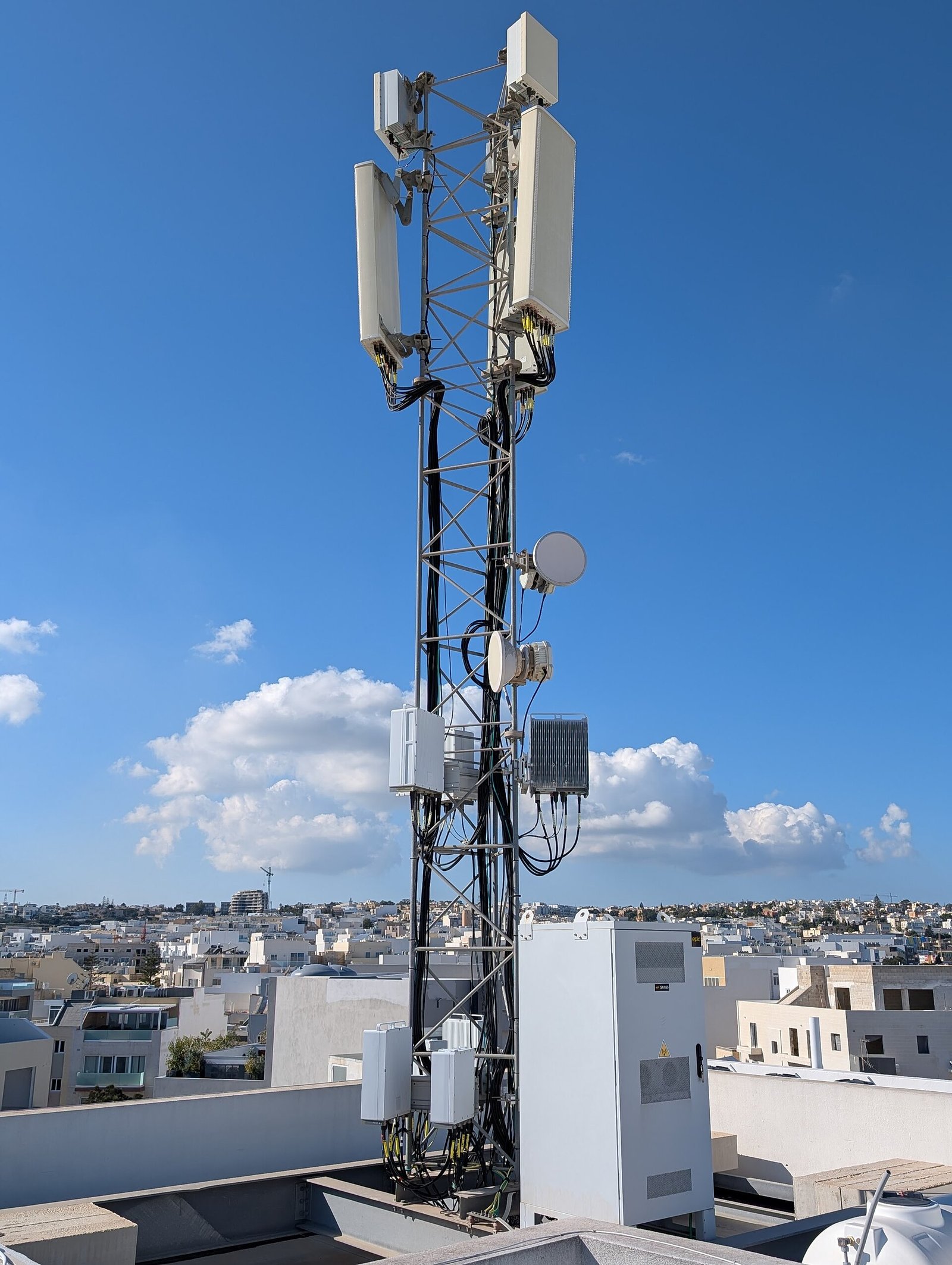
Planned work includes 5G security guidelines, stronger DDoS protection and more audit automation. For the 2025-26 programme, the PTA intends to fully audit all Category I and Category II licensees. Any company that builds software or runs infrastructure for telecom clients should expect security questionnaires to get harder — vendors who can show real controls will win those contracts.
The bottom line of this PTA cyber security annual report is simple and worth repeating in every Pakistani boardroom: attackers no longer need to break down the door. They walk through it with a stolen password. The defences that work — MFA everywhere, patched systems, verified requests — are neither expensive nor exotic. They just have to actually be done.
Note: the full report had not been published on the PTA website at the time of writing; figures above are as reported from it.
Related Posts
 TechnologyPEC Digital E-Card Launched for Engineers in Pakistan: Physical Card Discontinued, Registration Now Verified Through the NADRA Pak ID App
 TechnologyYouTube Acted on Just 1.9% of Pakistan’s Content-Removal Requests, Naqvi Tells Parliament
 TechnologyOllie’s $7.5 Million AI Assistant Is Shutting Down — Beaten by the AI Boom It Tried to Ride
 TechnologyDeel Launches “Deel Security” to Catch Deepfake Job Candidates Before They Get Hired
 TechnologyBinance Arranges $6.34 Billion to Cover Biggest Crypto Hack Ever as North Korea Blamed
 TechnologyApple Intelligence Finally Arrives in China This December — With Alibaba’s Qwen, Not ChatGPT
Most Popular
 How-ToPTA Tax Calculator 2026: Check Mobile Tax on Any Phone354 views
 SportsUEFA Champions League 2026-27: Format, Teams and Schedule334 views
 SportsBallon d’Or 2026: London Ceremony, Nominees and All-Time Records Ahead of 70th Anniversary325 views
 Canada JobsTech Jobs in Canada: Roles, Salaries, and Skills Needed323 views
 Pakistan NewsPIA Boeing 787 Lease Deal: What It Means for the Airline308 views
 ShowbizWomen’s Fashion in Pakistan 2026: Trends, Brands and Style Guide304 views