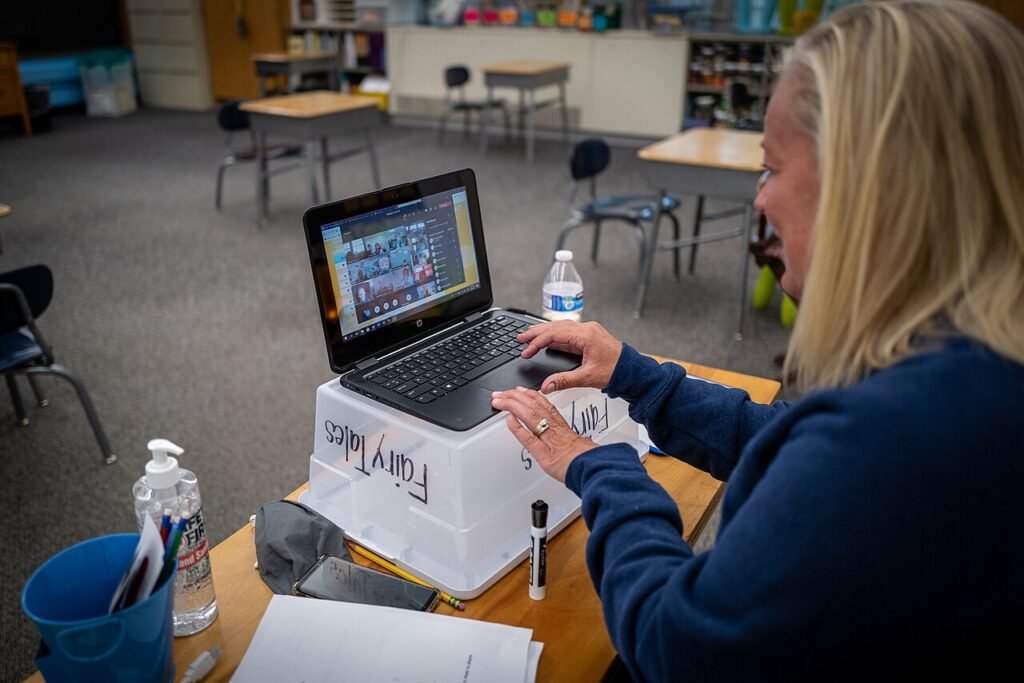
The next job interview you hold on a video call may not be with the person you think it is. Global HR and payroll platform Deel has launched Deel Security, a new end-to-end workforce security tool designed to catch deepfake and AI-generated job candidates before they are hired — and to keep verifying identities long after the offer letter goes out.
The platform became available on 29 October 2026 and works in more than 150 countries. It arrives as hiring fraud turns from a niche concern into a mainstream corporate risk: real-time deepfakes, AI-written responses and stolen identities are now cheap enough for fraudsters to use at scale, and virtual interviews have become the weakest point in the hiring chain.
What Deel Security actually does

Deel Security analyses risk signals across resumes, digital footprints, video interviews and identity documents. It flags deepfake or proxy interviewers — people who are not the candidate claimed on the CV — matches live selfies to government-issued identity documents before an offer is made, and then keeps verifying identities at critical security checkpoints after hiring.
The central idea is that a single identity check at the point of hire is no longer enough. A fraudster can use a real-time deepfake to pass as a strong candidate in a video interview, presenting a stolen identity, a synthetic identity, or a person generated entirely by AI. Once hired, that fake employee can gain access to company laptops, network passwords and sensitive internal data.
Deel Security integrates with Deel’s own applicant tracking system as well as other ATS platforms, and plugs into identity management tools such as Okta, so risk signals appear where recruiting and security teams already work. Every verification carries an exportable audit trail. Importantly, the platform is designed to support human review rather than replace it: each high-risk flag includes an explainability report and is reviewed by a Deel fraud expert, while the final decision stays with the customer’s own hiring and security teams.
How the technology spots a fake

Deel Security is built on technology from Clarity, the AI security company Deel acquired this summer — its fifteenth acquisition, announced alongside the news that Deel had passed $1.5 billion in annual recurring revenue. Clarity specialises in deepfake detection and fraud prevention: its systems analyse facial movements, lip-syncing, eye motion and voice patterns in video interviews, while cross-checking behavioural, identity and media signals for signs of deception.
Deel says the platform has already been used across its own internal hiring pipeline before the public launch. According to Clarity’s team, the hardest point to defend is now the interview itself — someone can appear on video looking and sounding legitimate while AI generates responses in real time, and the human eye alone can no longer reliably tell the difference.
Why employers are acting now

Research by Deel and Censuswide among 1,011 HR professionals in the United Kingdom and the United States shows how fast the problem is growing: 66% of organisations have seen a rise in suspicious or potentially fraudulent remote-worker applications over the past 12 months, 93% say they are concerned about deepfake or AI-generated workers, and a third admit their current identity checks are no longer sufficient. IT, defence and crypto employers report the highest frequency of suspicious applicants.
The warnings go beyond corporate surveys. In July 2026, the FBI and agencies from ten other countries warned that North Korean operatives are using stolen identities, forged documents and AI-generated personas to infiltrate companies through standard hiring — and the FBI confirmed in August that one operative had worked remotely inside a US federal agency. Analyst firm Gartner has predicted that by 2028, one in four candidate profiles globally will be fake. Recruitment platform Greenhouse has also introduced identity-verification tools for candidates, underlining how quickly the hiring stack is changing.
What it means for Pakistan’s remote workers
For Pakistan’s fast-growing remote workforce, the launch is a double-edged development. On one side, tougher screening could make hiring slower for genuine freelancers and remote employees — including the thousands who earned a record $197 million in September 2026, as covered in our earlier report. On the other, it protects honest workers: when fake candidates win jobs with AI tricks, real talent loses out.
The practical advice stays the same. Keep LinkedIn profiles, portfolios and identity documents consistent; treat any request to let someone else sit in on a video interview as an immediate red flag; and expect more employers to ask for live selfie checks against official IDs. As Deel’s co-founder and chief executive Alex Bouaziz put it: the trust layer is becoming part of hiring infrastructure itself — not a one-off background check, but continuous verification that follows a worker from application to employment.
Related Posts
 TechnologyBinance Arranges $6.34 Billion to Cover Biggest Crypto Hack Ever as North Korea Blamed
 TechnologyApple Intelligence Finally Arrives in China This December — With Alibaba’s Qwen, Not ChatGPT
 TechnologySUPARCO’s UN Space Conference Concludes Today in Islamabad With Joint Climate Lab Plan
 TechnologyNishat Group and LUXEED Sign Strategic MoU to Bring Premium Huawei-Backed EVs to Pakistan
 TechnologyNubia Neo 5 Max Launch in Pakistan: 7.5-Inch “Padphone” Gaming Phone With 7100mAh Battery
 TechnologyPakistan Nears One Million Locally Made 5G Smartphones, PTA Figures Show
Most Popular
 How-ToPTA Tax Calculator 2026: Check Mobile Tax on Any Phone352 views
 SportsUEFA Champions League 2026-27: Format, Teams and Schedule333 views
 SportsBallon d’Or 2026: London Ceremony, Nominees and All-Time Records Ahead of 70th Anniversary325 views
 Canada JobsTech Jobs in Canada: Roles, Salaries, and Skills Needed321 views
 Pakistan NewsPIA Boeing 787 Lease Deal: What It Means for the Airline308 views
 ShowbizWomen’s Fashion in Pakistan 2026: Trends, Brands and Style Guide303 views