Pakistan’s LPG sector is heading for its biggest overhaul in years. Prime Minister Shehbaz Sharif has formed an eight-member ministerial committee to review a proposed LPG policy Pakistan reform package submitted by the Petroleum Division — and, in a parallel move, the Petroleum Division is seeking cabinet approval to strip the Oil and Gas Regulatory Authority (Ogra) of its LPG price-setting powers and hand them to state-owned oil companies instead.
The two developments, both reported on 31 October 2026, could change how the price of every cooking-gas cylinder in the country is decided. Ogra’s monthly price notifications have long been the official benchmark for LPG in Pakistan. Under the new proposal, Ogra would stop issuing those notifications from 1 November 2026, and companies such as Pakistan State Oil (PSO) and SSGC LPG Limited (SLL) would take over the job of fixing the benchmark price.
The PM’s committee: what it will review in one month
The committee, led by the petroleum minister and including cabinet ministers, advisers and energy officials, has been given one month to examine the reform package before submitting a comprehensive report to the prime minister. Its brief covers the full LPG framework — the proposed reforms themselves, cylinder standards, and the structure of the local LPG market.
The review was ordered after protests from LPG marketing companies and dealers, who are dissatisfied with the lack of industry consultation on the new framework. The committee’s findings and the cabinet’s final decision are both still pending.
Ogra out, state firms in: how LPG pricing would change
The more immediate shake-up is the pricing proposal itself. According to official documents reviewed by The News, the Petroleum Division issued an Office Memorandum on 27 October 2026 containing a Cabinet Summary — building on an earlier draft submitted to the Cabinet Committee on Energy on 30 September — that recommends moving LPG pricing to a new Import Parity Pricing (IPP) mechanism run by the SOEs.
Under the plan, state-owned enterprises including PSO, the Sui companies, PARCO and Pakistan LNG would enter the LPG import market and calculate monthly prices using an import-parity model linked to Saudi Aramco rates and actual import expenses. PSO and SLL would publish their actual monthly landed costs on their own websites, and those figures would become the benchmark for domestic LPG prices. Financial proposals from bidders for SOE imports would be exempt from publication on the PPRA website, to align with general market practices.
The proposal also redraws the local supply map. Indigenous LPG producers would be paid according to the import-parity price, and the gap between the import-based benchmark and the producer price would go into a “Producer-Price Differential Fund” to finance targeted subsidies for vulnerable consumers under the Benazir Income Support Programme (BISP). Ten per cent of indigenous LPG would be reserved for state marketers supplying remote areas such as Gilgit-Baltistan, while the remaining 90 per cent would be sold through monthly auctions at a floor price 5 per cent below the IPP benchmark. The existing LPG Pricing Committee, set up in 2017, would be de-notified, and marketer margins would rise from Rs35,000 to a minimum of Rs50,000 per tonne as an inflation adjustment.
Why prices are spiking — and why the industry is pushing back
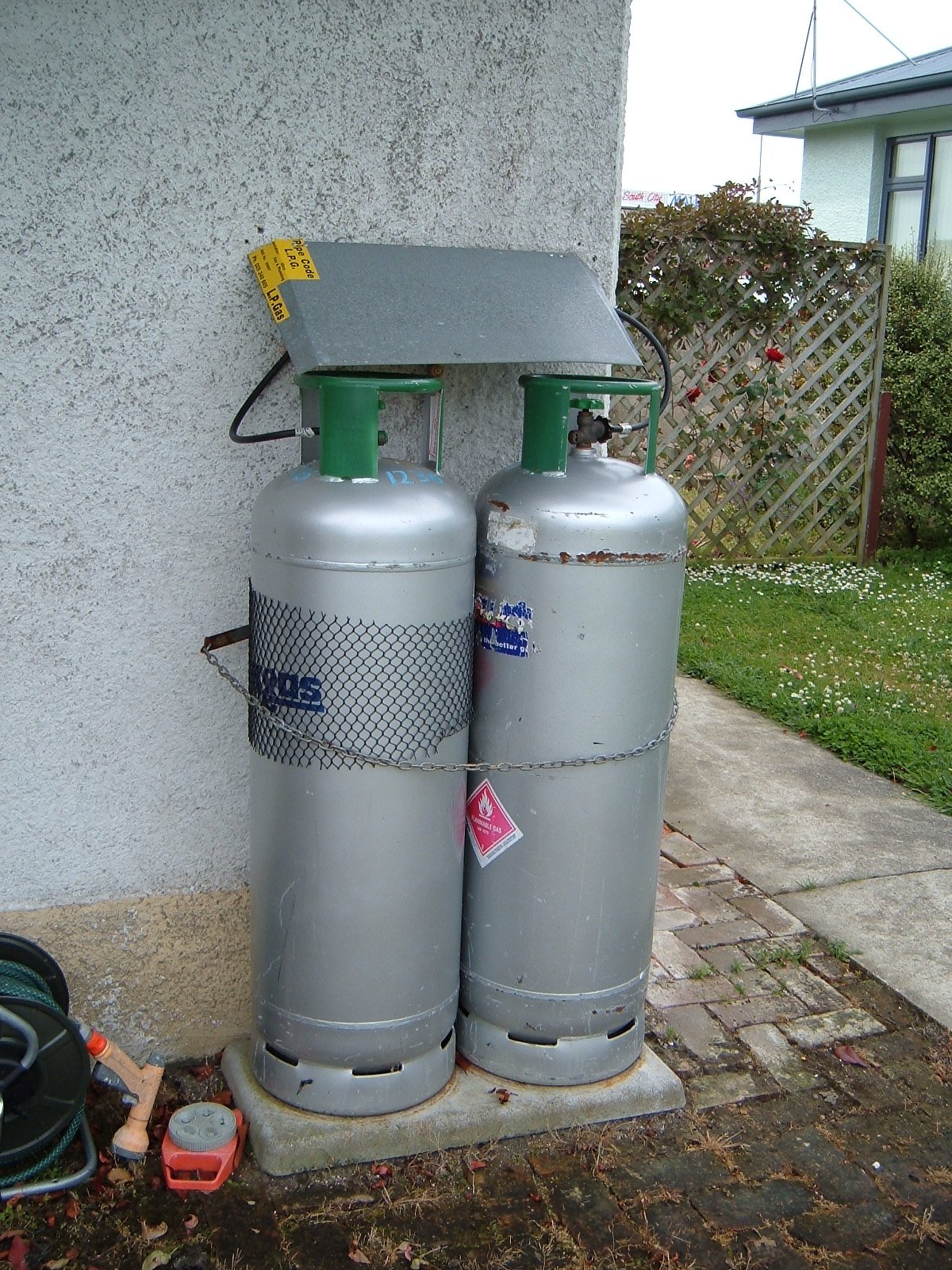
The overhaul comes as LPG has become a flashpoint for households. Dawn reports that supply disruptions — including halted trade at the Iranian border and reduced sea shipments — have pushed market prices for a standard 11.57kg cylinder to between Rs6,000 and Rs7,200, against Ogra’s official benchmark of just Rs3,296. Consumers have felt that gap directly: it is one reason LPG-driven inflation has been climbing, as this site reported earlier this month.
But the industry’s reaction to the cure has been frosty. Local LPG stakeholders have rejected the revised pricing formula and questioned the rationale for transferring pricing authority from a regulator to commercial state-owned entities, warning of a conflict of interest: PSO and SLL would be both market players and arbiters of the benchmark price. Market insiders also warn of transparency and over-invoicing risks when the SOEs set their own landed costs, of limited SOE experience in LPG imports, and of higher consumer costs if Saudi-linked benchmarks are applied to supply that currently comes largely from Iran and Oman.
For now, the LPG policy Pakistan debate sits in two rooms: the ministerial committee’s, and the cabinet’s. The committee has a month; the pricing proposal takes effect from 1 November if the cabinet approves. Households already paying far above the official rate will be watching both.
Related Posts
 BusinessDiesel Price in Pakistan Crosses Rs402 Per Litre: OGRA Revises Rates for Oct 31–Nov 2
 BusinessSBP Extends Banking Hours: Designated Branches Open Till 8pm on Saturday, 31 October
 BusinessSaudi Arabia Postpones ‘Davos in the Desert’ Investment Summit to 2027 Amid Houthi Attacks
 BusinessHouthis Claim Attack on Saudi Arabia’s Ras Tanura Refinery as Oil Prices Surge Past $115
 BusinessPetroleum Levy Hits Rs4.4 Trillion: Government Rules Out Immediate Cut
 BusinessSBP Sets Rs500 Million Startup Investment Limit for Banks in New Prudential Rules
Most Popular
 How-ToPTA Tax Calculator 2026: Check Mobile Tax on Any Phone345 views
 SportsUEFA Champions League 2026-27: Format, Teams and Schedule328 views
 SportsBallon d’Or 2026: London Ceremony, Nominees and All-Time Records Ahead of 70th Anniversary325 views
 Canada JobsTech Jobs in Canada: Roles, Salaries, and Skills Needed314 views
 Pakistan NewsPIA Boeing 787 Lease Deal: What It Means for the Airline305 views
 ShowbizWomen’s Fashion in Pakistan 2026: Trends, Brands and Style Guide299 views