Pakistan Politics 2026: Key Parties, Power Balance and What Next
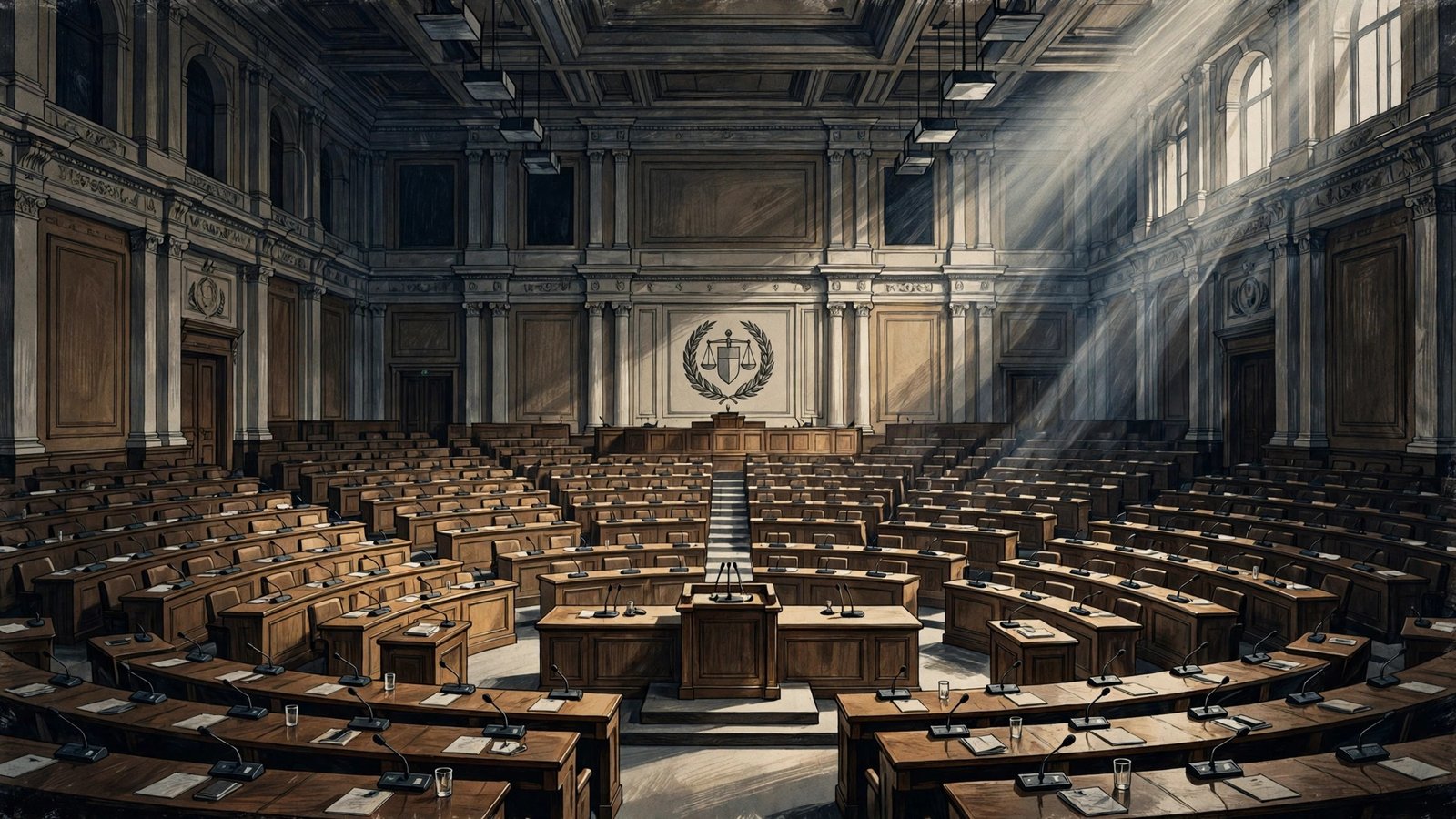
Pakistan politics in 2026 is defined by a standoff between the PML-N-led federal coalition and the opposition PTI, with the October 2026 emergency in Khyber Pakhtunkhwa pushing tensions to their highest level in years. As of 15 October 2026, Prime Minister Shehbaz Sharif heads the federal government with parliamentary support from the PPP, while PTI founder Imran Khan remains in Adiala Jail and his party has just lost its provincial government in KP under governor’s rule. This neutral explainer lays out the key players in Pakistan politics, how power is currently balanced, and what to watch next.
Pakistan Politics Today: Who Holds Power
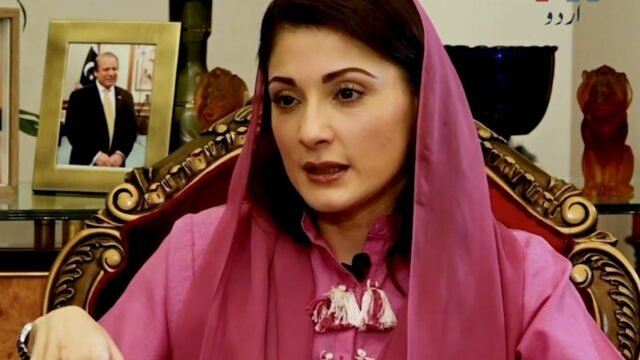
The federal government is led by the Pakistan Muslim League-Nawaz (PML-N), with Shehbaz Sharif as prime minister. The Pakistan People’s Party (PPP), led by chairman Bilawal Bhutto-Zardari, supports the coalition; its co-chairman Asif Ali Zardari is president of Pakistan. This PML-N–PPP arrangement has held the centre together through 2025 and 2026, though the two parties govern separately at the provincial level: PML-N’s Maryam Nawaz is chief minister of Punjab, while PPP’s Murad Ali Shah governs Sindh.
The main opposition is Pakistan Tehreek-e-Insaf (PTI), founded by former prime minister Imran Khan. With Khan incarcerated since August 2023, day-to-day opposition politics is handled by PTI Chairman Barrister Gohar Ali Khan. The Jamiat Ulema-i-Islam (JUI-F), led by Maulana Fazlur Rehman, occupies a distinctive role — its leader has been facilitating dialogue between the government and PTI over the KP crisis.
Beyond the three big players, the Muttahida Qaumi Movement-Pakistan (MQM-P) and other smaller parties hold influence in urban Sindh and Balochistan, while Balochistan’s provincial government operates under a PPP-led arrangement.
The KP Emergency: The Dominant Crisis in Pakistan Politics
On 11 October 2026, the president declared a state of emergency in Khyber Pakhtunkhwa on the federal cabinet’s advice, suspending the PTI-led provincial government and imposing governor’s rule. The federal government cited rising militant attacks and insufficient cooperation by the former provincial administration in counterterrorism efforts, recommending action under constitutional Articles 232 and 234.
PTI disputes this account. The party says the move was a pretext for a political takeover and an attempt to stop supporters marching on Islamabad, and it challenged the emergency at the Peshawar High Court on 14 October 2026. According to police officials, 278 PTI members were detained in the province after emergency rule began.
The crisis follows months of friction: PTI had planned an October march to Islamabad demanding Imran Khan’s release and better medical treatment, while the government pointed to a sharp rise in militant attacks in the province bordering Afghanistan. PPP chairman Bilawal Bhutto-Zardari called the emergency a temporary measure and recommended renewed negotiations, while JUI-F’s Fazlur Rehman has continued mediation efforts.
Security, the Military and the Opposition
Pakistan politics cannot be understood in 2026 without the security dimension. The government accuses PTI of failing to cooperate with federal counterterrorism efforts against groups such as the Tehreek-e-Taliban Pakistan (TTP); PTI denies this and says security policy is the federal government’s responsibility. The military, led by Army Chief Field Marshal Asim Munir, remains the country’s most powerful institution, and commentators describe the current confrontation partly as a tug-of-war between the jailed former prime minister and the military leadership.
Parliament and the Provinces
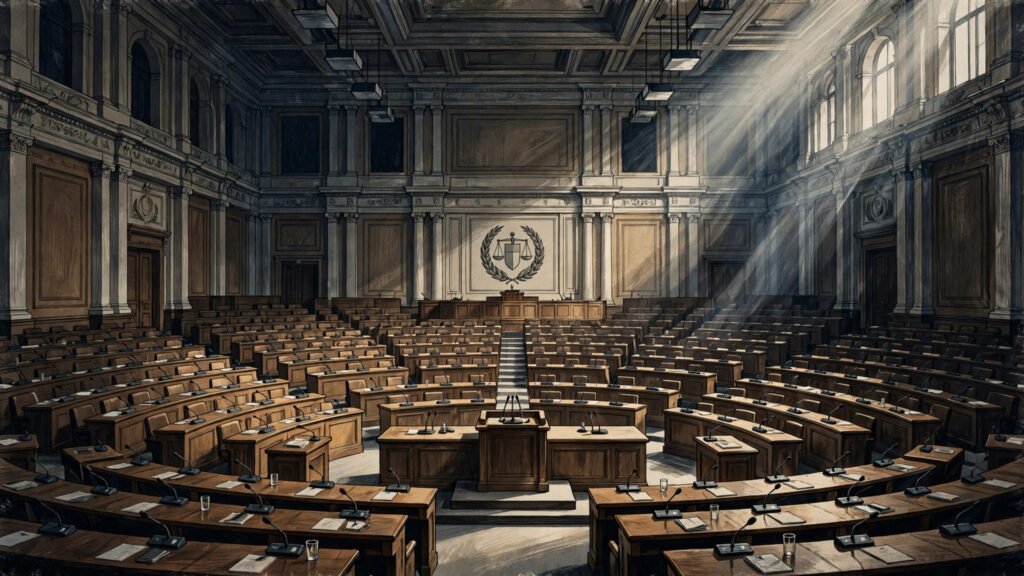
In parliament, the government has moved to secure National Assembly approval for the KP emergency, with resolutions debated in both houses in mid-October 2026. The Senate has seen heated exchanges between Interior Minister Mohsin Naqvi, who maintains the emergency is constitutional, and opposition senators demanding its withdrawal.
At the provincial level, the picture is mixed. Punjab under Maryam Nawaz is pursuing an ambitious development programme; Sindh under Murad Ali Shah is seeking Chinese partnerships for Karachi’s water and flood-warning systems; and Khyber Pakhtunkhwa is under governor’s rule with an advisory council appointed by the governor.
What Comes Next in Pakistan Politics
Three developments will shape Pakistan politics through the rest of 2026. First, the Peshawar High Court’s ruling on PTI’s challenge to the emergency will decide whether KP returns to elected government or remains under federal control. Second, the success or failure of JUI-F-mediated talks between the government and PTI will determine whether the confrontation de-escalates. Third, court verdicts in the cases against Imran Khan will remain the single most consequential factor for the opposition’s future. Readers should rely on verified reporting as events develop.
Frequently Asked Questions
Who is the prime minister of Pakistan in 2026?
Shehbaz Sharif of the PML-N, leading a federal coalition supported by the PPP.
What are the main political parties in Pakistan?
The three largest are PML-N (federal government), PPP (coalition partner, governing Sindh) and PTI (opposition, founded by Imran Khan), alongside JUI-F, MQM-P and regional parties.
Why was emergency declared in KP?
On 11 October 2026 the federal government cited rising militant attacks and insufficient provincial cooperation on counterterrorism. PTI disputes this and calls it a political takeover; the matter is before the Peshawar High Court.
Is Imran Khan still in jail?
Yes. As of 15 October 2026 he remains in Adiala Jail, held since August 2023 following convictions in different cases.
Where can I follow Pakistan politics news?
See National Assembly of Pakistan and PTI News 2026. External analysis: TBS News on the KP emergency and The Standard on the opposition’s response.
Pakistan Politics 2026: Key Dynamics Explained
Pakistan politics in 2026 revolves around governance, economic management, and the interplay between the government and opposition.
The pakistan politics latest news covers parliamentary business, provincial developments, and party strategies. The pakistan political situation 2026 reflects the ongoing balance between the ruling coalition’s agenda and the pakistan opposition news cycle of rallies, statements, and parliamentary challenges. The pakistan government news today focuses on economic decisions, legislative business, and foreign engagements. For readers following pakistan politics, comparing coverage across reputable outlets gives the fullest picture of a fast-moving landscape.
Related Posts
 Pakistan NewsPakistan Test-Fires Fa’az: First Indigenously Developed Air-to-Air Missile
 Pakistan NewsTwo Policemen Martyred Guarding Polio Team in Mohmand; Four Polio Workers Abducted in Tank
 Pakistan NewsMaryam Nawaz in Attock: CM Inaugurates 127 Development Projects Worth Rs23 Billion
 Pakistan NewsHyderabad’s Viral Qasimabad Road: Authorities Start Removing Electric Poles From the Middle
 Pakistan NewsPakistan Launches Week-Long Polio Drive: 24 Million Children to Be Vaccinated Across 97 Districts
 Pakistan NewsQatar Offers Pakistanis Free 30-Day Visa on Arrival — No Advance Visa Needed
Most Popular
 How-ToPTA Tax Calculator 2026: Check Mobile Tax on Any Phone401 views
 Pakistan NewsPIA Boeing 787 Lease Deal: What It Means for the Airline381 views
 SportsUEFA Champions League 2026-27: Format, Teams and Schedule375 views
 Canada JobsTech Jobs in Canada: Roles, Salaries, and Skills Needed356 views
 SportsBallon d’Or 2026: London Ceremony, Nominees and All-Time Records Ahead of 70th Anniversary337 views
 ShowbizWomen’s Fashion in Pakistan 2026: Trends, Brands and Style Guide333 views