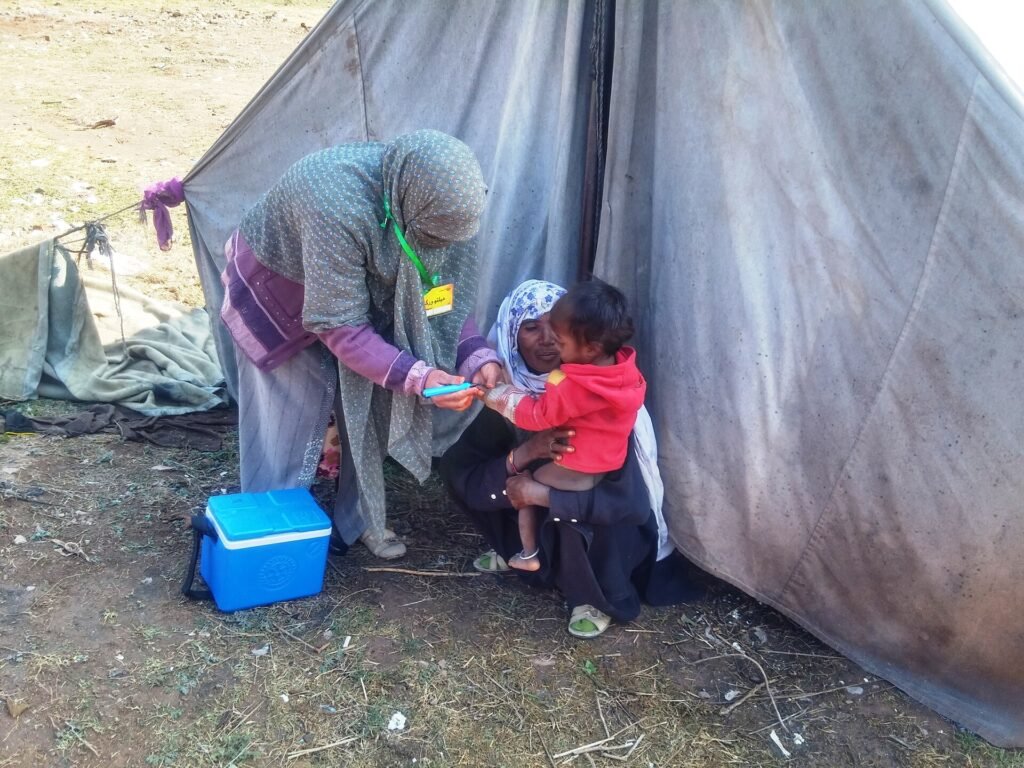
Pakistan has recorded its highest-ever childhood immunisation coverage, with 81.3 per cent of children aged 12 to 23 months fully vaccinated in 2026, according to an independent national survey released on Thursday, 19 November. The survey also found that the number of children who have never received a single vaccine has nearly halved since 2022, falling to around 160,000.
The Third-Party Verification Immunization Coverage Survey, known as TPVICS Round 3, was unveiled at a national dissemination meeting in Bhurban. It measured routine immunisation among children aged 12 to 23 months, the age group health officials use to check whether the system reaches every child.
What the survey found
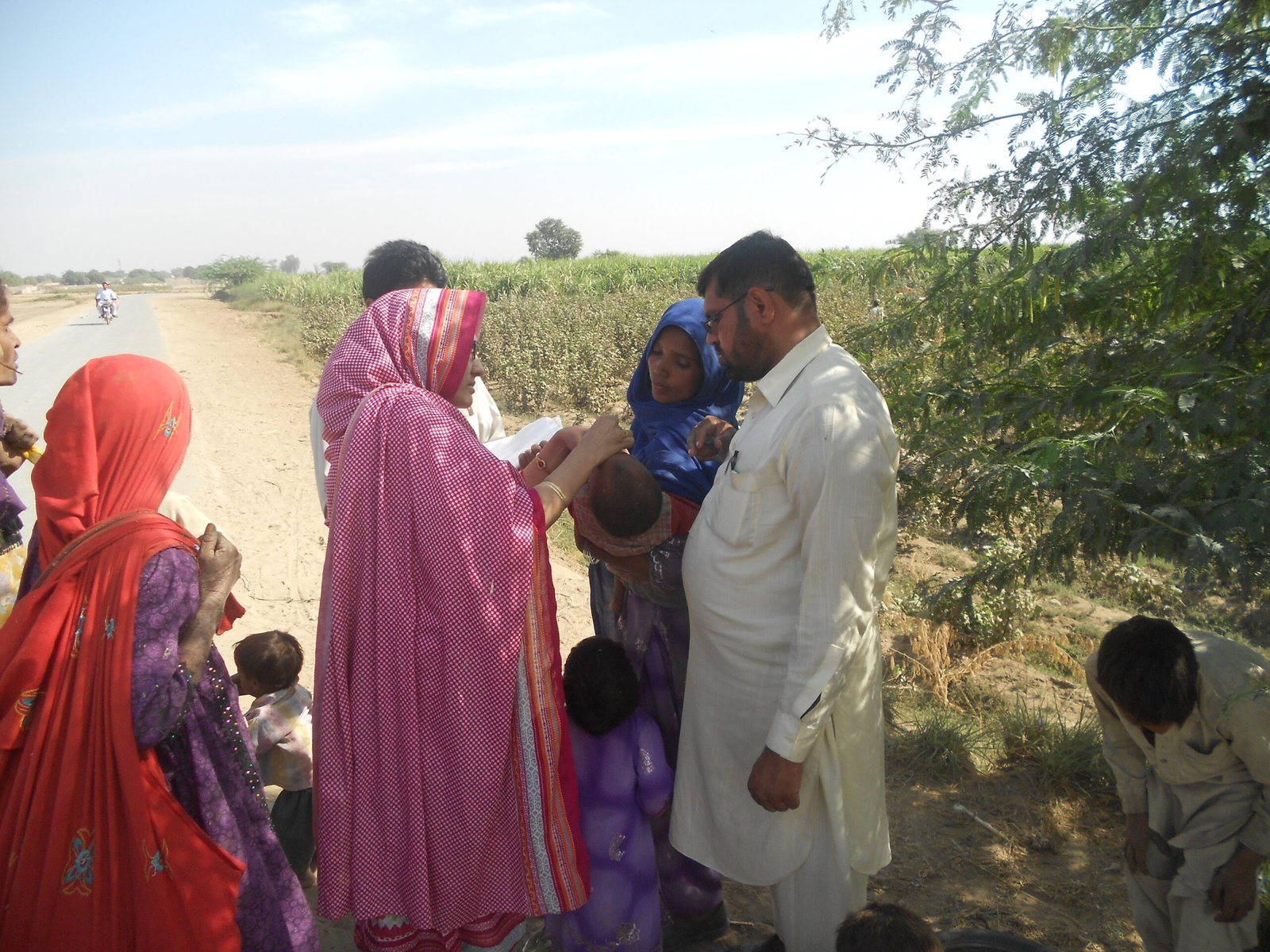
The headline figure is the 81.3 per cent full coverage, a steep climb from 53.8 per cent in 2013. Partially immunised children dropped to 16.2 per cent, down from 40.8 per cent in 2013, while the share of children who have received no vaccine at all fell from 4.9 per cent in 2022 to 2.5 per cent this year.
The figure carries weight because it was checked by a third party rather than claimed by the programme itself. The survey was commissioned by the Federal Directorate of Immunization, run with technical support from the Centre of Excellence in Women and Child Health at Aga Khan University, and funded by Gavi, the Vaccine Alliance, and the Gates Foundation.
Behind the national average sits a familiar pattern. Coverage runs high in Punjab and Azad Jammu and Kashmir, which a Senate briefing this week put at 90 per cent and 93 per cent. Balochistan has improved by 19 per cent through community engagement, though it still trails the rest of the country. The Expanded Programme on Immunization targets 13 vaccine-preventable diseases across an annual cohort of 7.3 million children.
The 160,000 children still being missed

Around 160,000 children aged 12 to 23 months have still received no routine vaccine at all. That is far better than the roughly 308,700 counted in 2022, a drop of 48.2 per cent, but it is still a large group of children with no protection against diseases a jab could have prevented.
Health officials say the children who remain are the hardest to reach. Minister of State for National Health Services Dr Mukhtar Bharath said vaccine provision must be ensured for children in marginalised areas, urban slums and migrant and displaced populations.
Dr Bharath said zero-dose children should be registered in the National Electronic Immunization Registry, so the system can see them instead of guessing where they are. “Vaccines must reach every child through the integration of polio and routine immunisation efforts,” he said at an event on strengthening the immunisation system.
The polio connection
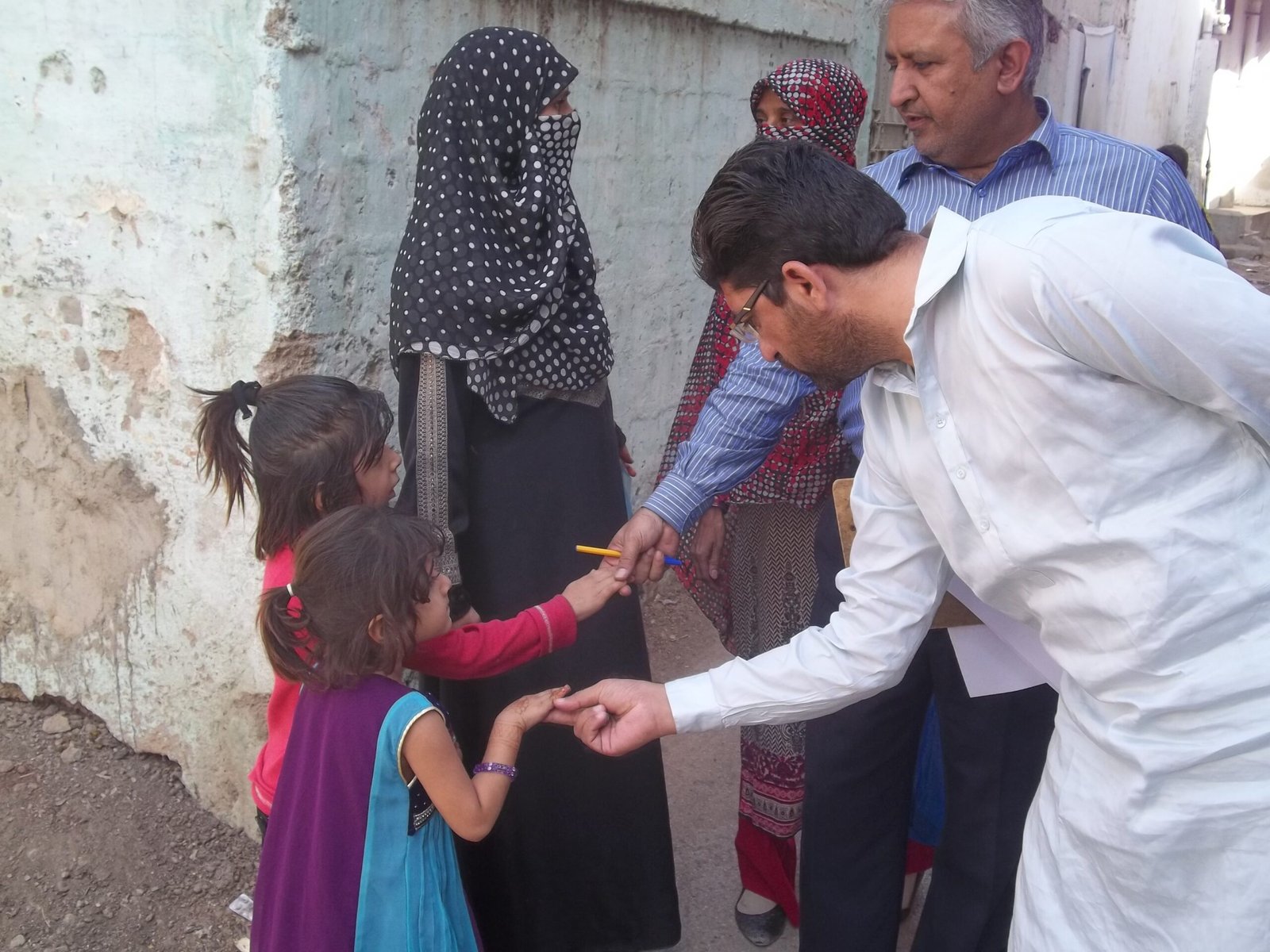
The survey landed while the polio programme is still chasing the last chains of transmission. Nine polio cases have been reported in Pakistan so far in 2026, after 31 cases in 2025 and 74 in 2024. The virus keeps circulating in environmental samples in the Peshawar area, and cases have appeared among children older than five, which is why the province ran its first fractional inactivated poliovirus vaccine campaign this month.
That campaign reached 625,268 of the 756,469 targeted children in Peshawar and 204,052 of 211,824 in Khyber district. In Rawalpindi, the November polio drive reached 905,799 of 989,924 targeted children, about 92 per cent.
Dr Bharath said preventive measures must be stepped up while poliovirus is still transmitting. “The EPI and the Polio Programme should adopt a joint strategy to reach children who have missed out on vaccination,” he said.
Pakistan marked World Polio Day in October with tributes to more than 400,000 frontline workers, most of them women, who carry the campaign door to door.
What happens next
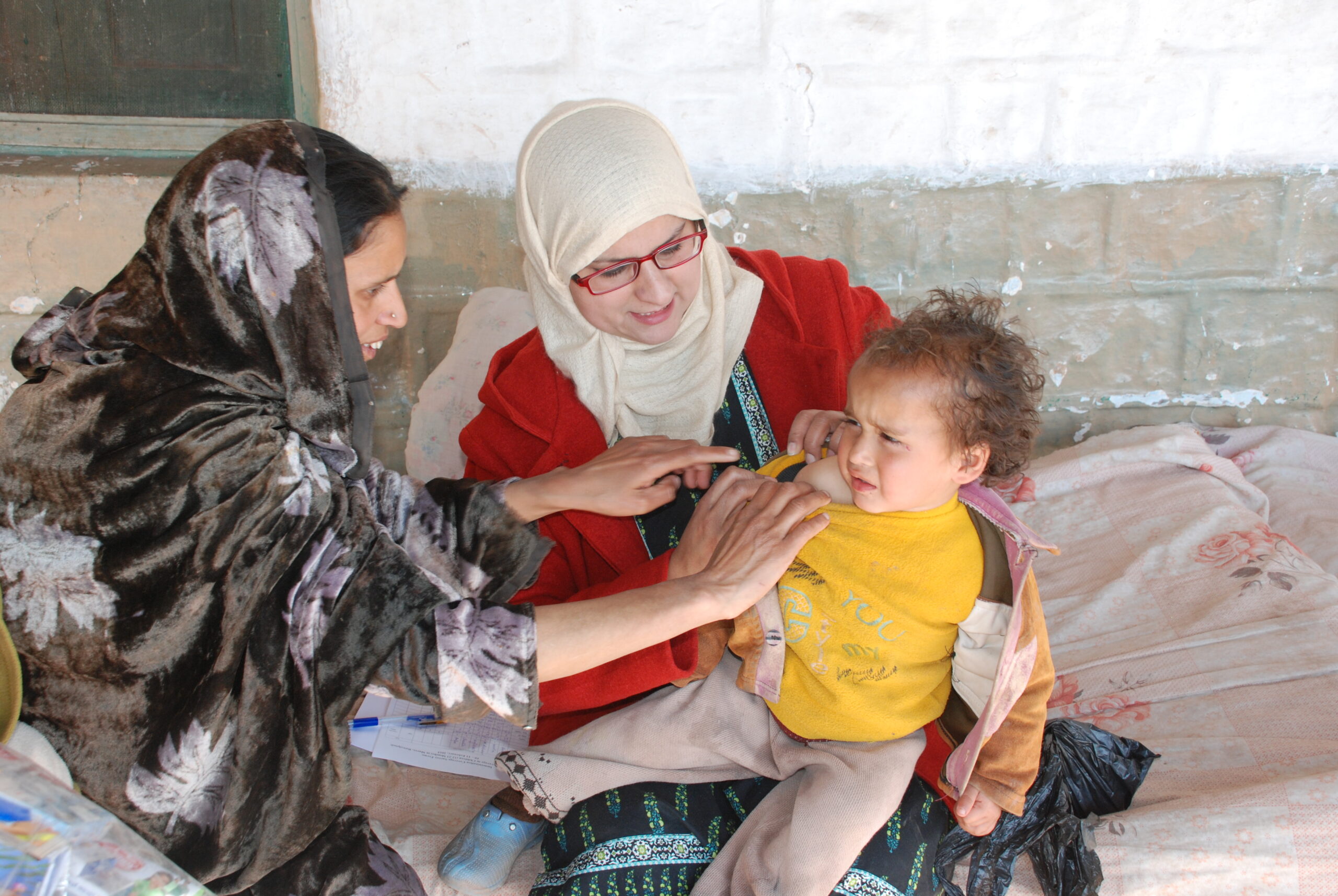
The next test is whether the gains hold in the places where coverage is thinnest. The health ministry has pointed to the polio programme’s field network as the tool for finding missed children. Registering zero-dose children in the national registry is meant to give that effort a list to work from.
Two other moves are already in motion. The human papillomavirus (HPV) vaccination campaign reached 78 per cent coverage in Khyber Pakhtunkhwa, and a hexavalent vaccine, which combines six antigens in one shot, is planned for rollout in January 2027. The National Vaccine Policy, which would set the rules for the programme, is still awaiting cabinet approval after a Senate panel was briefed on it this week.
It also matters for the money: the programme leans on Gavi support, and a record result strengthens the case for continued backing.
The survey’s message is plain enough. Pakistan has never vaccinated this share of its young children before. The job now is to find the 160,000 it still misses.
Sources
- https://www.nextupnews.pk/2026/11/pakistan-records-highest-ever-childhood.html
- https://www.thenews.pk/print/1449251-national-vaccine-policy-awaits-cabinet-approval-senate-panel-told
Related Posts
 Pakistan NewsPunjab CCD Starts Checking Students’ School Bags for Vapes and Cigarettes Outside Schools
 Pakistan NewsExcel Diagnostic Lab CEO Arrested in Islamabad Over Fake Flu Vaccines
 Pakistan NewsMusadik Malik in New Delhi: First Pakistani Minister to Visit India Since 2023 Addresses SCO Forum
 Pakistan NewsFaisalabad TikTok Prankster Mian Asif Arrested for Harassing Citizens in Prank Videos
 Pakistan NewsPhone Explodes on Bahawalpur E-Bus: Passengers Jump From Moving Bus as Smoke Fills Cabin
 Pakistan NewsGovernment Finds Corruption Risks in 25 Federal Institutions, Proposes 400 Reforms
Most Popular
 How-ToPTA Tax Calculator 2026: Check Mobile Tax on Any Phone421 views
 Pakistan NewsPIA Boeing 787 Lease Deal: What It Means for the Airline396 views
 Canada JobsTech Jobs in Canada: Roles, Salaries, and Skills Needed392 views
 SportsUEFA Champions League 2026-27: Format, Teams and Schedule390 views
 TechnologyPM Shehbaz Sets November Deadline for Alibaba AI and Digitalisation Projects in Pakistan370 views
 ShowbizWomen’s Fashion in Pakistan 2026: Trends, Brands and Style Guide366 views



One comment