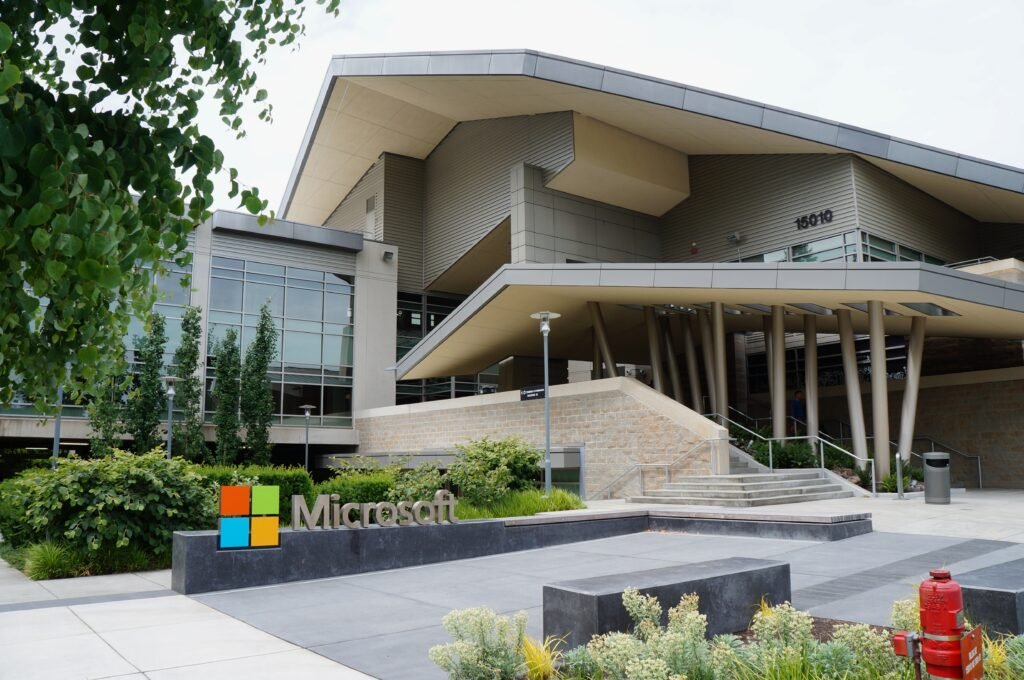
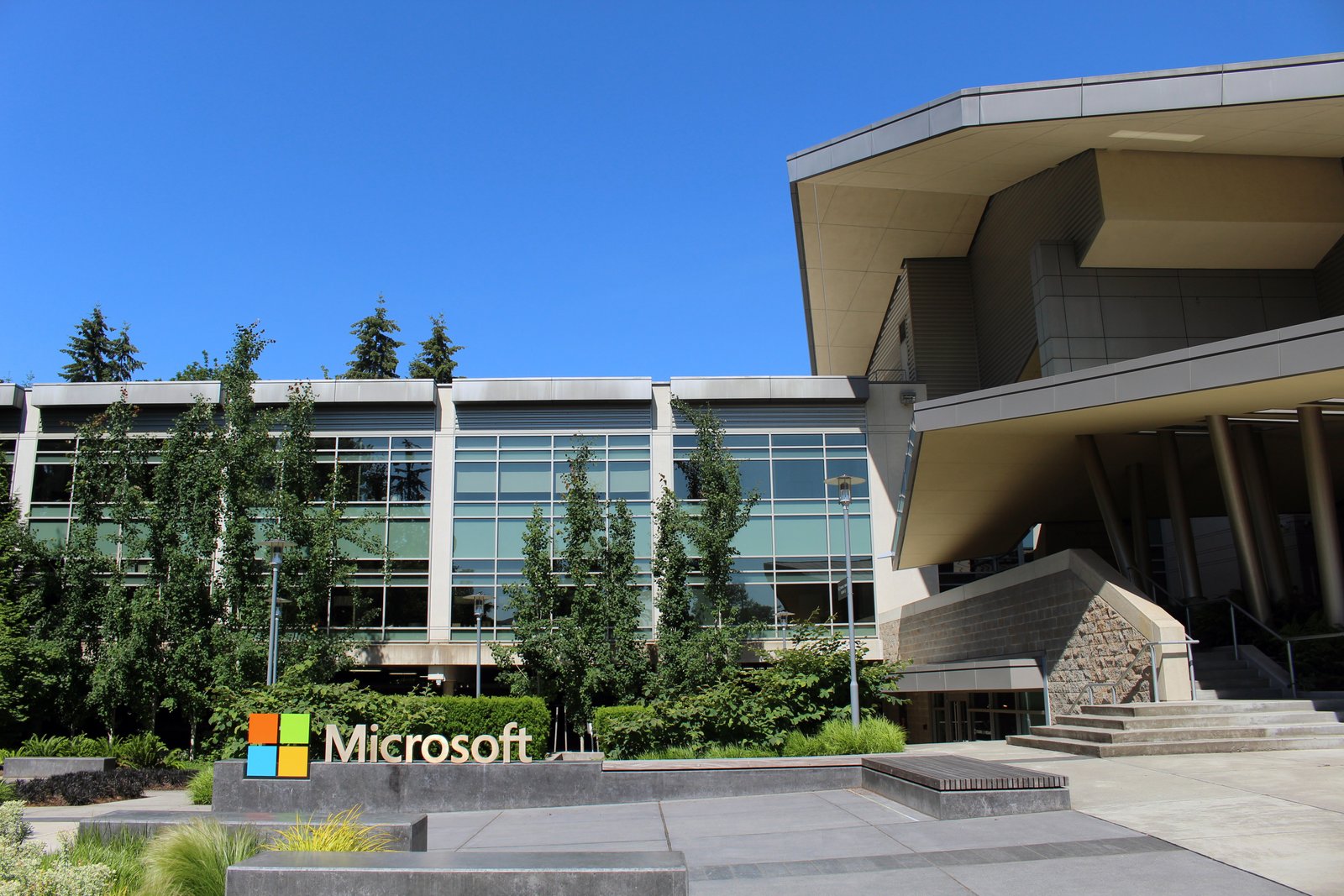
Microsoft has priced a $25 billion bond sale to bankroll its artificial intelligence expansion — its first US investment-grade debt offering since 2017 and the company’s largest non-convertible bond sale in more than a decade. Priced on 29 October 2026, the offering drew investor orders of more than $100 billion, over four times the amount on offer, and is scheduled to close today, 4 November.
The message from Redmond is unmistakable: the AI buildout is so large that even one of the world’s most cash-rich companies is turning to the debt markets to pay for it.
The numbers behind the $25 billion sale
The offering is divided into 10 tranches with maturities stretching from 2 to 40 years, spreading Microsoft’s repayment obligations across decades. According to reports citing people familiar with the deal, order books swelled past $100 billion — some accounts put the figure near $115 billion — making it one of the most heavily subscribed corporate bond sales of the year.
Microsoft last sold US investment-grade bonds in 2017, so this is its first such raise in more than nine years. The company formally announced the offering in a same-day press release, and the sale will be placed through a syndicate of banks. None of the reports disclosed the exact coupon or maturity breakdown publicly at pricing time, and Microsoft did not say whether the raise was connected to any other corporate move — but the timing drew immediate attention on Wall Street.
Why Microsoft is borrowing for AI
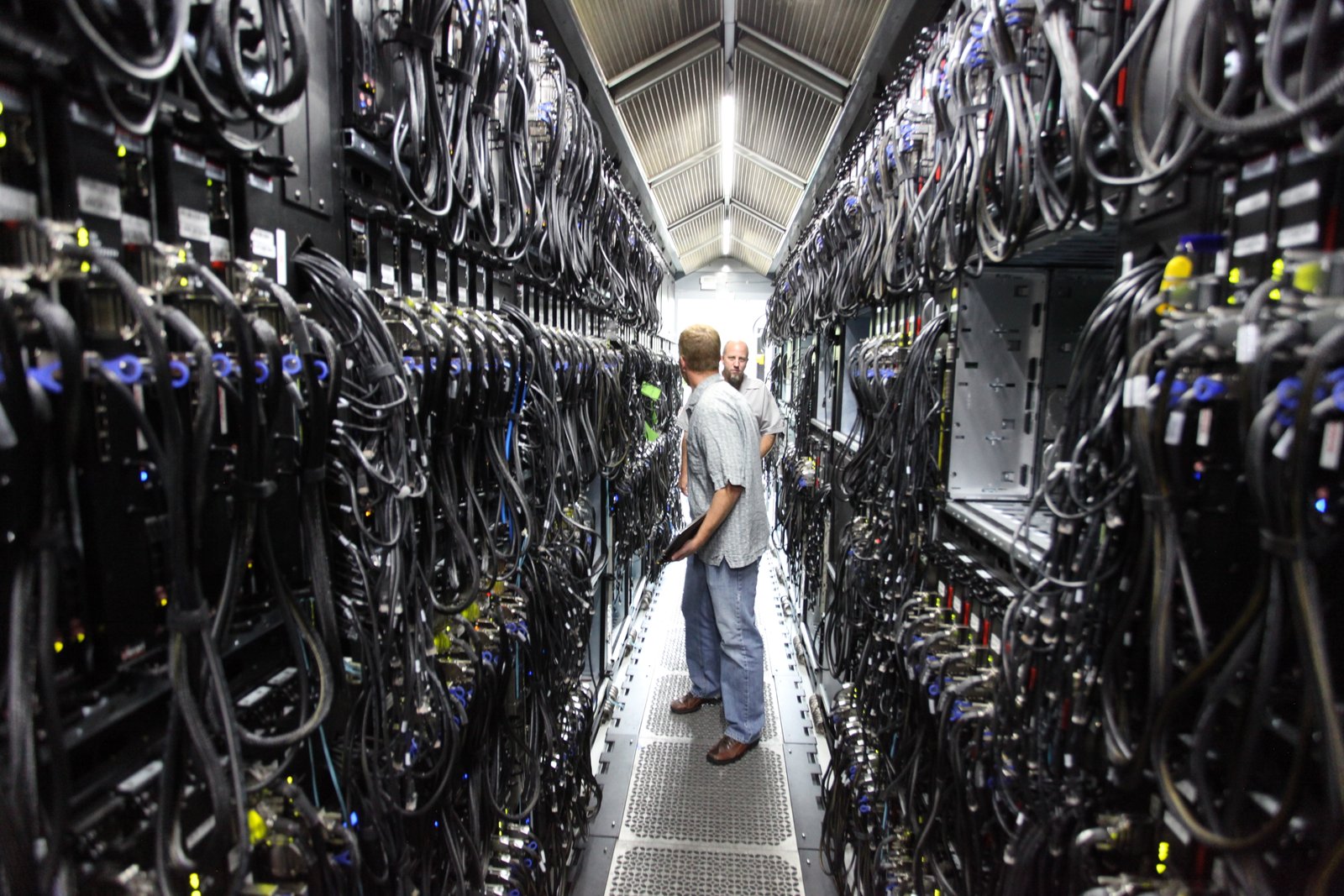
The stated purpose is straightforward: funding AI infrastructure. Microsoft is projected to spend between $170 billion and $190 billion on capital expenditure in calendar 2026, the bulk of it on AI data centres, advanced servers, cloud infrastructure and the energy required to run them.
Borrowing lets Microsoft preserve its cash reserves while still feeding the buildout — the company generated $18.6 billion in free cash flow in its most recent quarter, but the scale of AI investment dwarfs even that. Debt also locks in funding at investment-grade rates while investor appetite for Big Tech paper is running hot, as the four-times oversubscription shows.
Microsoft is not alone. The hyperscalers are all opening their wallets: Meta recently completed a record $97.5 billion fund raise, and analysts at Morgan Stanley project AI-infrastructure capital spending will surpass $1 trillion next year. The race to build AI capacity has become the defining capital story of the decade.
Three days after the 60,000 buyouts
The bond sale landed just three days after Microsoft offered voluntary exit packages to about 60,000 employees — roughly 27 per cent of its 223,000-strong global workforce — under a programme it calls the Voluntary Exit Offer, announced on 26 October.
The offer is open in the United States, Canada, the United Kingdom and India to employees at level 70 and below on Microsoft’s internal scale. Staff have until early December to decide, with departures expected around 31 December. Microsoft stresses the scheme is voluntary — not layoffs — and expects only 3 to 5 per cent of eligible employees to accept, which would mean fewer than 3,000 departures. Chief Financial Officer Amy Hood told staff the company expects “very few” to take the offer.
The contrast is striking: trimming headcount costs on one hand while borrowing $25 billion to pour into AI infrastructure on the other. Microsoft’s framing is that it is reshaping its workforce for the AI era — spending less on some roles so it can spend far more on the machines.
What it means for the AI race — and Pakistan
Every dollar of hyperscaler AI spending ripples through the global technology supply chain — and Pakistan is increasingly part of it. Pakistan’s IT exports touched a record $4.6 billion in FY2025-26, up 21 per cent, as demand for software, cloud and AI-adjacent services keeps climbing. When Microsoft borrows $25 billion to build data centres, a share of that work — software development, cloud migration, AI integration — flows to outsourcing markets like Pakistan.
The bigger question for investors is whether the spending pays off. Microsoft’s results have shown early signs that AI investment is starting to convert into revenue, which is one reason the bond sale found such eager buyers. But with Big Tech’s combined AI capital expenditure now measured in the trillions, the market is watching every earnings report for proof that the buildout is worth the bill.
For now, the verdict from the bond market is clear: investors are happy to lend Microsoft $25 billion to keep building. What happens next depends on whether the AI bet delivers.
Related Posts
 TechnologyFungoLabs NFT Sale Goes Live Tomorrow: 3,232 Secret-Bid NFTs on Ethereum
 TechnologyJazz 5G Device Goes on Sale for Rs. 18,000 at Jazz Stores — What Is Confirmed and What Is Not
 TechnologyPakistan’s IT Exports Touch Record $4.6 Billion in FY2025-26, Up 21%
 TechnologyXiaomi 18 Pro Series Going Global This November — 200MP Cameras, Rear Display and Smaller Batteries
 TechnologyZong Unveils Mega 5G Investment Plan: 1,000+ Sites to Be Upgraded Across Pakistan
 TechnologyCall of Duty: Modern Warfare 4 Season 1 Arrives 6 November With New Hajin Warzone Map
Most Popular
 How-ToPTA Tax Calculator 2026: Check Mobile Tax on Any Phone401 views
 Pakistan NewsPIA Boeing 787 Lease Deal: What It Means for the Airline382 views
 SportsUEFA Champions League 2026-27: Format, Teams and Schedule375 views
 Canada JobsTech Jobs in Canada: Roles, Salaries, and Skills Needed357 views
 SportsBallon d’Or 2026: London Ceremony, Nominees and All-Time Records Ahead of 70th Anniversary337 views
 ShowbizWomen’s Fashion in Pakistan 2026: Trends, Brands and Style Guide333 views