
Pakistan’s technology story has long been told in one way: software exports, freelancers and IT services. Now, researchers at the Lahore University of Management Sciences (LUMS) are making a different bet — that the country’s next big technology opportunity lies not in writing code for someone else’s product, but in building the artificial intelligence that runs factories. The vehicle for that bet is a new industry-backed facility: the MSAI–LUMS Industry 5.0 and EdgeAI IoT Innovation Lab and Skills Accelerator, which will train engineering and technology graduates in the industrial AI skills that modern factories are starting to demand.
The LUMS industrial AI lab is being set up with a practical mission. Instead of producing graduates who know theory but need months of retraining on the job, the lab will give students hands-on exposure to industrial sensing, connected equipment and computing technologies — the tools that factories actually use. Details of the initiative were shared with Token Times by the researchers behind it, in interviews published on 2 November 2026.
A lab built for factories, not just software houses
Dr Hamad Alizai, an associate professor of computer science at LUMS, put the problem plainly: universities teach broadly, while industry needs graduates who can work with particular tools. That gap, he said, is widening as AI reshapes what employers expect from new hires. The LUMS industrial AI lab is designed to close it from the university side.
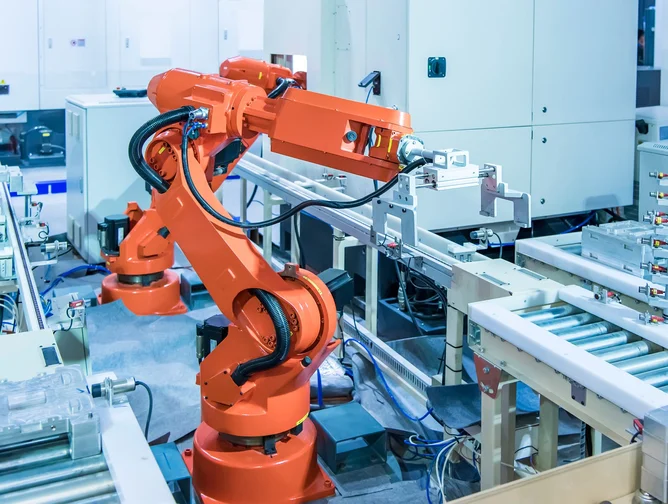
The lab’s equipment will first enter university courses, then move into course and capstone projects, with more advanced research to follow. It is a staged approach — teach with the tools, build with the tools, then research with the tools — meant to produce graduates who can walk into an industrial setting and contribute from day one.
The timing is no accident. Pakistan is pushing hard to grow its technology exports — as urdupro.info reported, the industry’s $15 billion export dream was pitched to Nordic tech leaders in Oslo — and the lab’s backers argue that industrial AI could open an export lane beyond traditional software services.
Catching failure before it happens
The lab’s core pitch is predictive maintenance: sensors and AI models that flag a failing motor or a deteriorating robot battery before production stops. In a factory, an unexpected breakdown can idle an entire line for hours or days while a replacement part is sourced and fitted. An AI system watching vibration, temperature and power draw can spot the warning signs weeks earlier, turning an emergency shutdown into a scheduled repair.
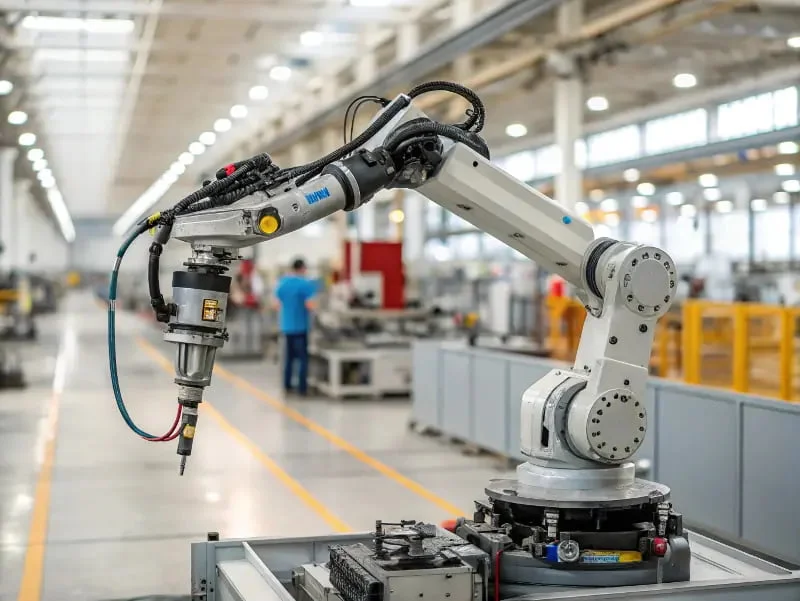
Dr Naveed Anwar Bhatti, one of the researchers involved, told Token Times that early detection matters precisely because replacing industrial equipment takes time. Industrial EdgeAI — running the AI models on computing hardware at the machine itself rather than sending every reading to a distant cloud server — makes that real-time vigilance possible even where factory connectivity is patchy.
Dr Bhatti compared the shift to the move from radio to television: new industries emerge even as demand for some older kinds of work falls. His warning was sharper still: “The competition will not simply be about who is best, but also about who moves first.” For Pakistan’s engineers, the message is that the industrial AI wave is a race with a starting gun, not a trend to observe from the sidelines.
Cheaper sensors, honest caveats
Cost is part of the argument for the LUMS industrial AI lab. Dr Alizai noted that AI can let businesses use cheaper sensors in applications where 95 per cent accuracy is enough — the software compensates for what the hardware lacks. That matters in price-sensitive markets like Pakistan, where outfitting a factory with top-tier industrial sensors can be prohibitively expensive.
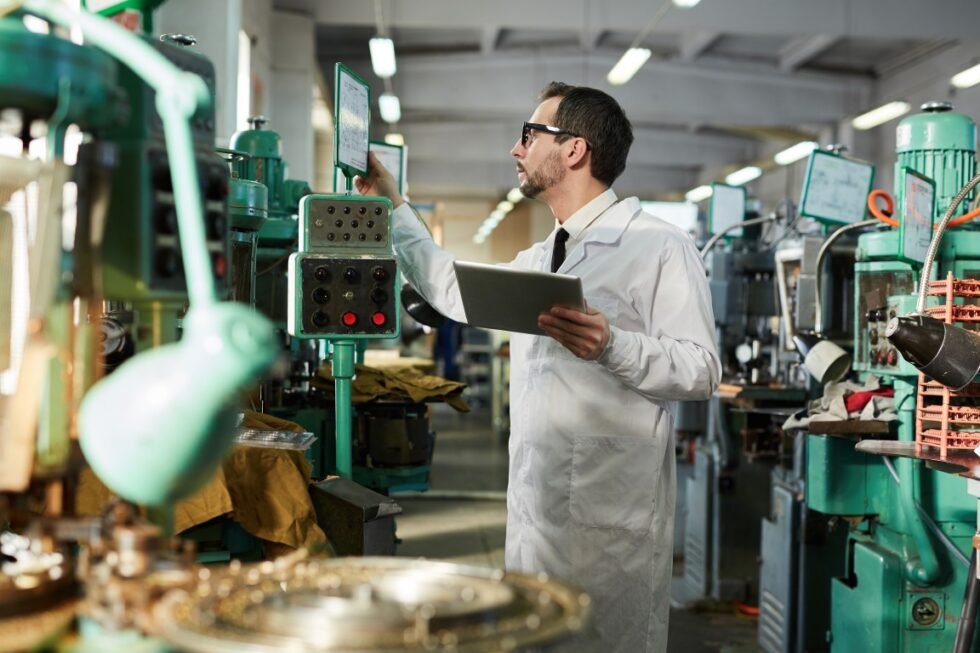
But the researchers were careful not to oversell it. Dr Alizai cautioned that cheaper-sensor-plus-AI depends on the application and is no universal replacement for specialised equipment. He also stressed that universities cannot fully replicate industrial environments on their own — the lab needs industry partners willing to invest in equipment and share real factory problems. And he was frank that Pakistan’s export performance in this space will depend on government policy, institutional support and wider economic conditions, not on university labs alone.
Three years to job-ready graduates — and beyond the factory
Over three years, the LUMS industrial AI lab aims to produce graduates who need less post-hiring training, build a pipeline from the university to employers, and work with industry on practical, real-world problems. It is, in effect, a skills accelerator in the literal sense: shortening the distance between a degree and a productive engineer.
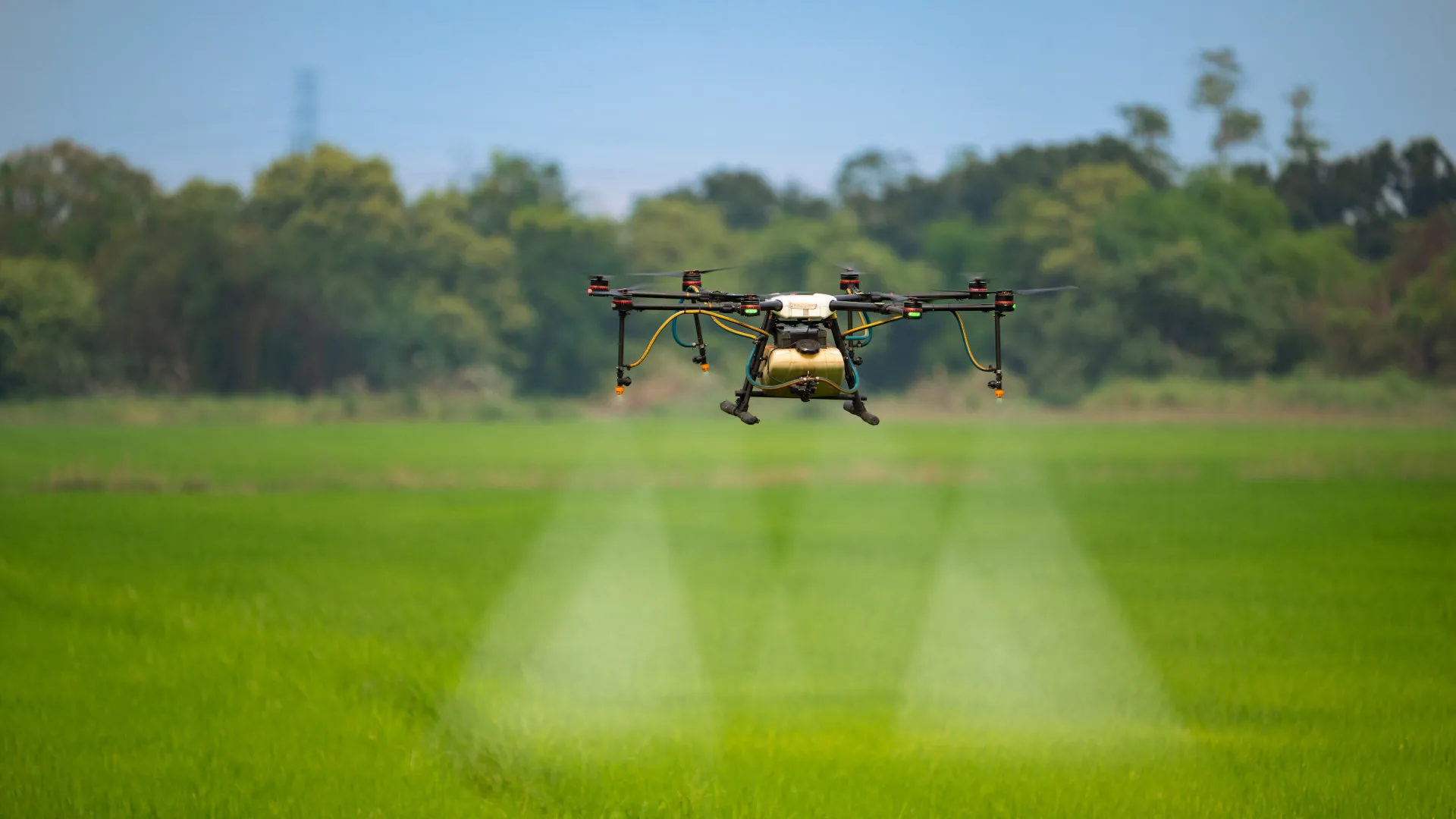
Dr Alizai said the model could eventually extend beyond manufacturing to agriculture, water management and energy — sectors where sensing and AI-driven prediction are just as valuable as on a factory floor. But he added that its success depends on finding credible partners who understand future technological needs and are willing to invest before those skills become urgent.
For a country whose tech narrative has been dominated by software exports, the lab represents a deliberate widening of ambition. Whether Pakistan can build genuine expertise in industrial AI will be decided in factories and funding decisions over the coming years. The researchers at LUMS have made their opening move — and their argument is that moving first is half the battle.
Sources: Token Times reporting on the MSAI–LUMS Industry 5.0 and EdgeAI IoT Innovation Lab (2 November 2026); Lahore University of Management Sciences; Token Times.
Related Posts
 TechnologyChery Q Electric Cars Reach Karachi Plant as Deliveries Near
 TechnologyGoogle Destroys 1.3 Million-Device Android TV Botnet Hidden in Firmware by Chinese Maker
 TechnologyPakistan’s 5G User Base Hits 1.8 Million as 24 Cities Get Coverage
 TechnologyGovernment Plans Gradual Shift to Electric Vehicles for Official Fleets Under Green Government Fleet Project
 TechnologyPakistan’s Smartphone Installment Plan Stuck on Regulatory Hurdles as Four Operators Wait for PTA Framework
 TechnologyAllied Bank and UBL Hit by Fresh Digital Banking Outage — myABL App Down, Transfers Blocked
Most Popular
 How-ToPTA Tax Calculator 2026: Check Mobile Tax on Any Phone408 views
 Pakistan NewsPIA Boeing 787 Lease Deal: What It Means for the Airline384 views
 SportsUEFA Champions League 2026-27: Format, Teams and Schedule377 views
 Canada JobsTech Jobs in Canada: Roles, Salaries, and Skills Needed365 views
 SportsBallon d’Or 2026: London Ceremony, Nominees and All-Time Records Ahead of 70th Anniversary339 views
 ShowbizWomen’s Fashion in Pakistan 2026: Trends, Brands and Style Guide339 views