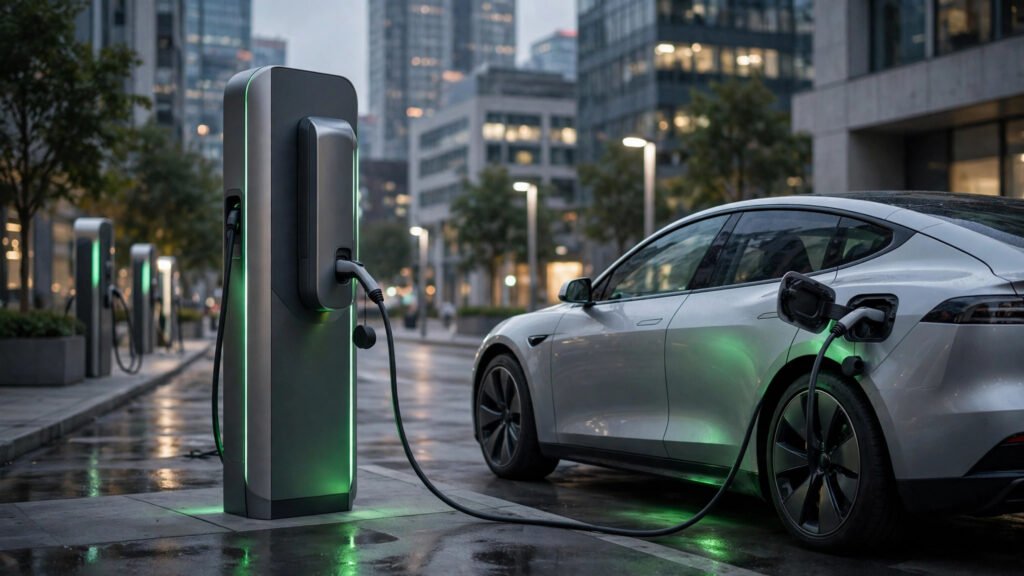
Pakistan’s government is preparing to move its official transport to cleaner fuel. According to official documents seen by Wealth Pakistan and reported by the DNA and APP news wires on 3 November 2026, the government plans to gradually replace federal and provincial government vehicles with electric and other low-emission alternatives under a proposed “Green Government Fleet Project”. Full coverage of the proposal is available from the Islamabad Post and Tez Khabar.
The initiative is designed to cut fossil-fuel consumption, reduce transport-related emissions and limit the state’s exposure to fluctuating fuel prices. It also aims to establish a scalable model for decarbonising public-sector transport while demonstrating government leadership in promoting clean mobility.
What the Green Government Fleet Project proposes

Under the proposed framework, a comprehensive inventory of government vehicle fleets will be prepared first. The inventory will document vehicle types, ages, mileage, fuel consumption and emissions to establish a baseline for phased replacement.
The assessment will then identify which vehicles are suitable for conversion to electric or other low-emission alternatives, and prioritise government departments for the transition. Green procurement standards and lifecycle-cost assessments will guide replacement decisions so that appropriate technologies and cost-effective alternatives are selected.
Charging infrastructure at government facilities
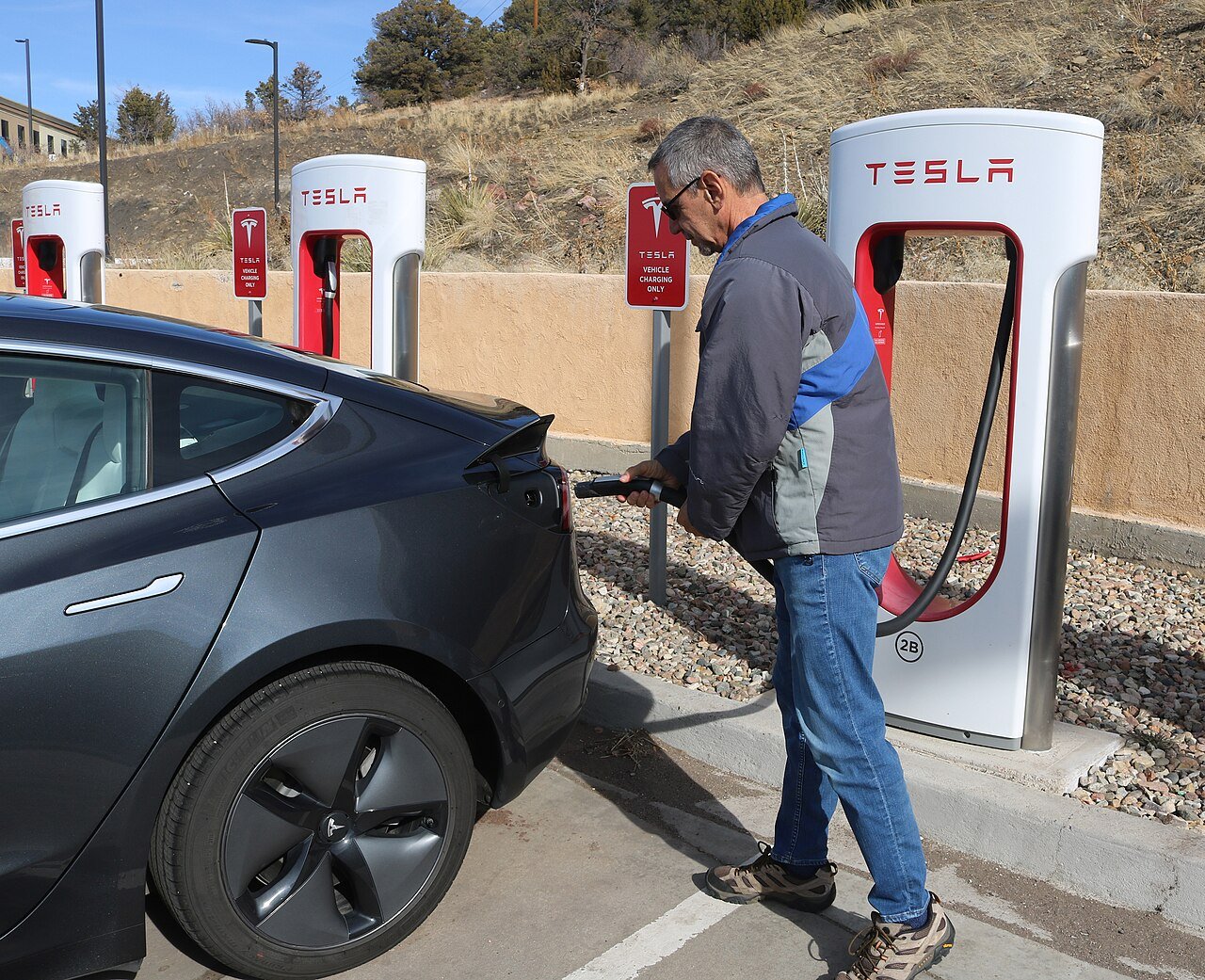
The project does not stop at buying vehicles. It also envisages procuring and deploying electric vehicles alongside installing charging infrastructure at government offices, depots and other priority facilities.
That infrastructure piece is important. Experts have repeatedly pointed to charging networks as the key challenge in Pakistan’s electric transition — vehicles and chargers have to develop side by side, because each depends on the other. By building chargers into its own facilities first, the government would be seeding the network its wider EV ambitions need.
Digital monitoring of every vehicle
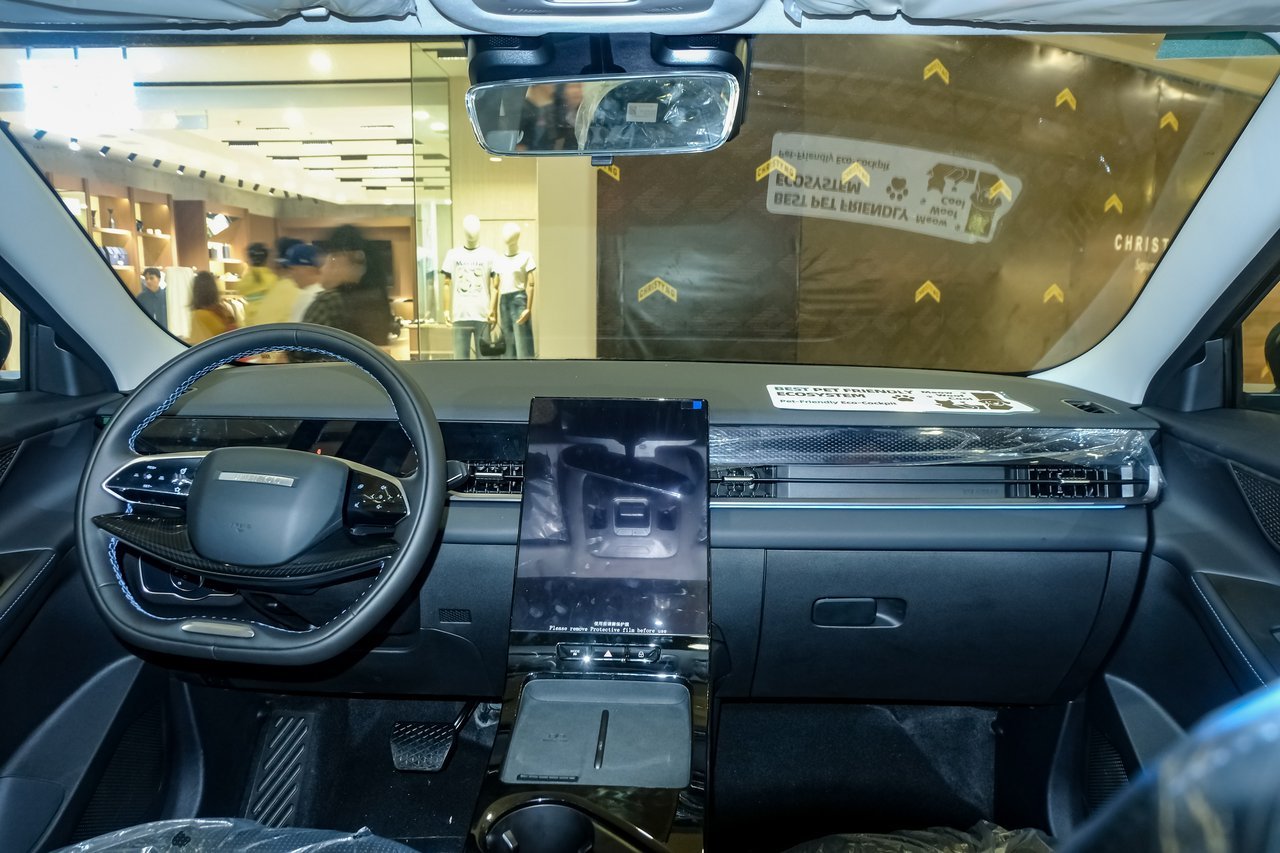
A digital fleet-monitoring system will also be introduced. The system is expected to track vehicle utilisation, energy and fuel consumption, maintenance needs and reductions in greenhouse gas emissions.
The institutional framework places the federal government, through relevant ministries and divisions, in charge of policy direction. Those ministries will identify priority departments and vehicles and coordinate implementation arrangements across the federation.
Part of a wider EV push
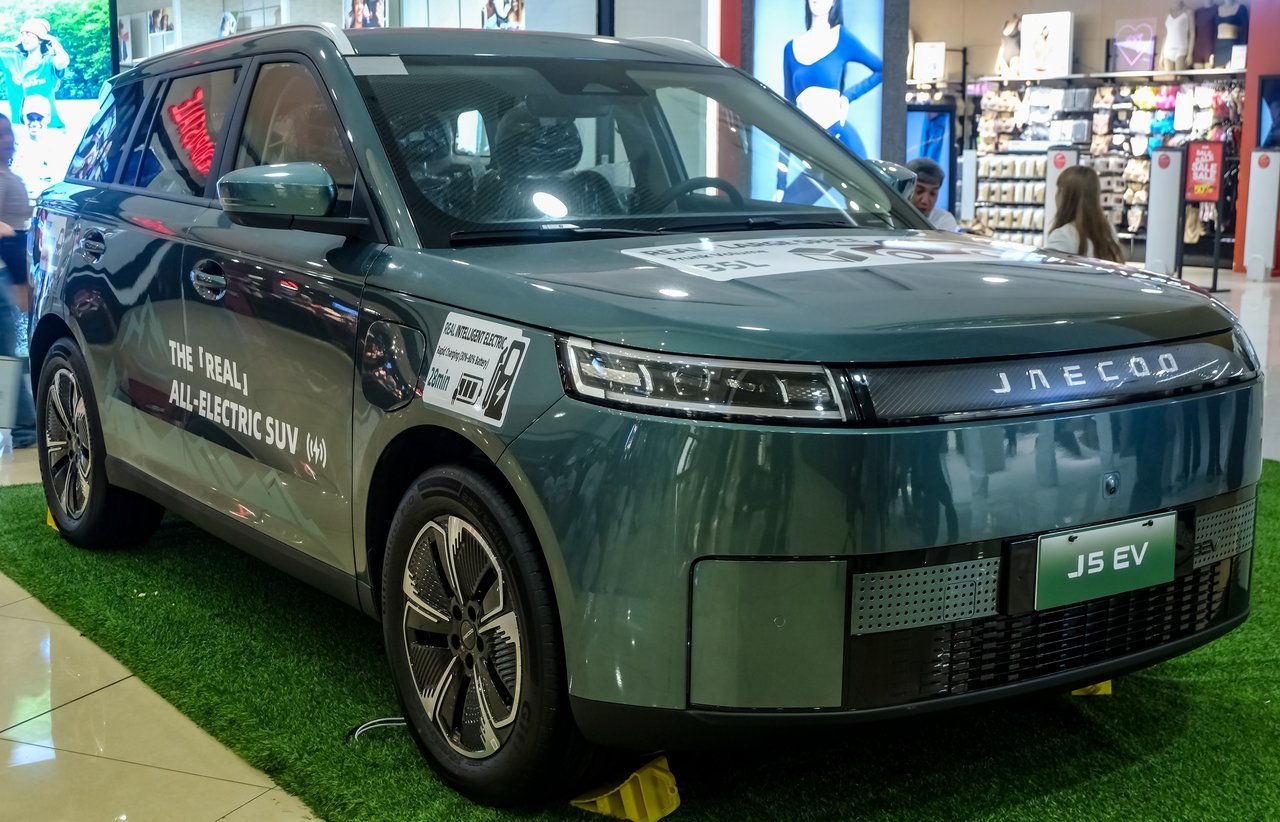
The proposal fits into a broader national turn toward electric mobility. In April 2026, Prime Minister Shehbaz Sharif directed that only electric buses and motorcycles be procured for government use in future. Since then, several agencies have started moving: the National Cyber Crime Investigation Agency has incorporated BYD Atto 2 electric SUVs into its official fleet, and the Islamabad Capital Traffic Police has inducted eco-smart electric vehicles, with more batches planned.
Pakistan’s New Energy Vehicle (NEV) Policy 2025-2030 provides the national framework. It targets NEVs accounting for 30 per cent of new sales of motorcycles, rickshaws, passenger cars, light commercial vehicles, buses and trucks by 2030, alongside 3,000 charging stations across the country. The policy follows a phased approach, beginning with two- and three-wheelers, passenger cars and other relatively easier-to-electrify segments before moving toward heavier transport.
Why the shift matters
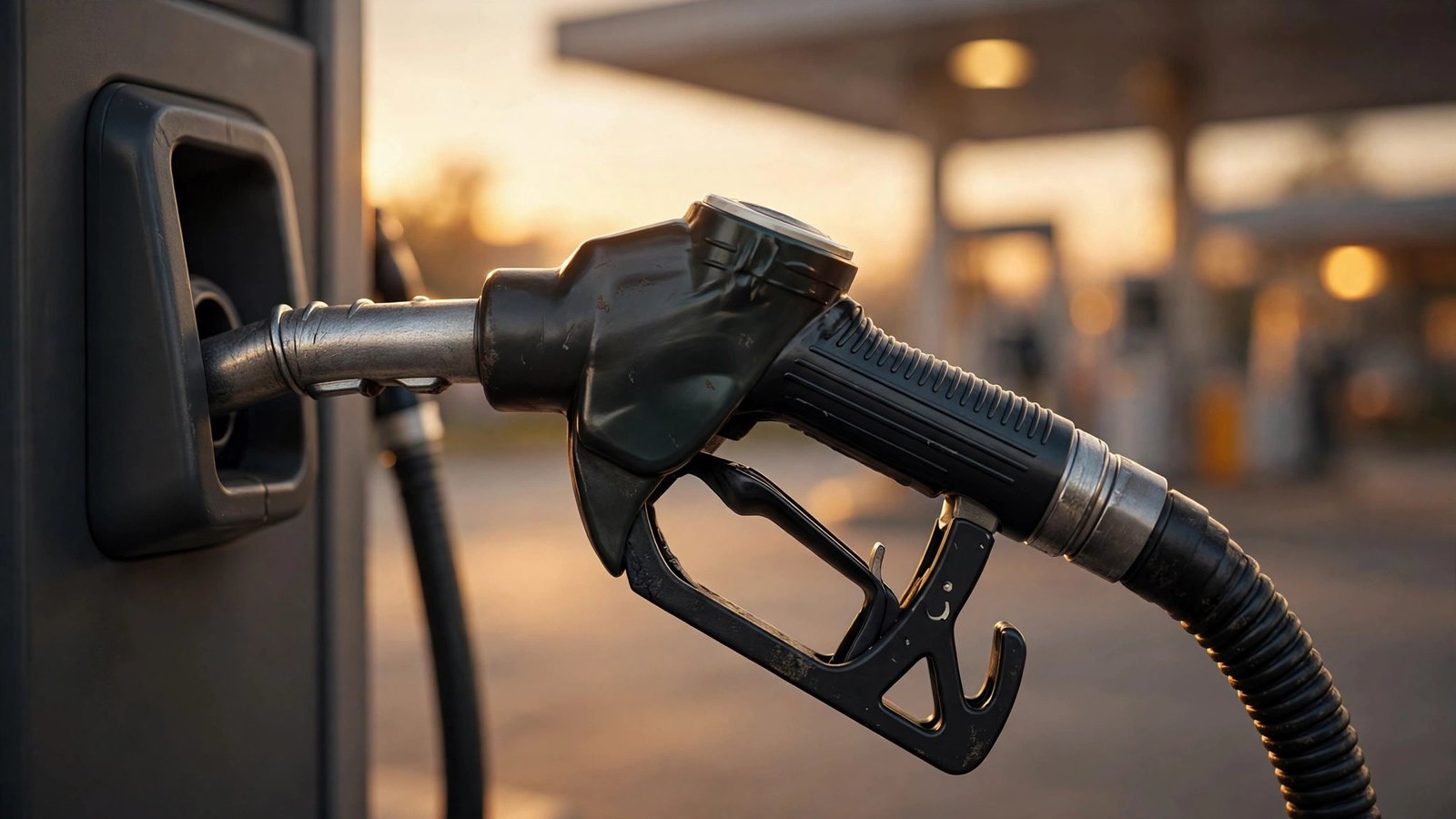
Official vehicles run long, predictable routes — exactly the duty cycle electric vehicles handle best. Government fleets also set an example: when the state visibly electrifies its own transport, it signals to buyers, importers and charging companies that the transition is real.
Fuel costs add another motive. Pakistan’s petroleum import bill is one of the heaviest items in its import basket, and every shift from petrol to electricity keeps more foreign exchange at home. For a country exposed to volatile global oil prices, decarbonising the public fleet is as much an economic decision as an environmental one.
The proposal is still at the framework stage — inventories, assessments and procurement standards come first. But if the Green Government Fleet Project moves from paper to implementation, it would mark the biggest single push yet in Pakistan’s journey toward electric mobility.
Related Posts
 TechnologyPakistan’s Smartphone Installment Plan Stuck on Regulatory Hurdles as Four Operators Wait for PTA Framework
 TechnologyAllied Bank and UBL Hit by Fresh Digital Banking Outage — myABL App Down, Transfers Blocked
 TechnologyPTA to Inspect Telecom Networks on Thursday as Operators Reportedly Boost Signals Ahead of Visit
 TechnologyGoogle Tells Schools: Opt Out of AI and Lose Search Too
 TechnologyAirlink AirV Electric Bikes Launched in Lahore: 11 Models, Six Series, Up to 200 km Range
 TechnologyBitMart Hack: Crypto Exchange Confirms $391,000 Breach 53 Minutes Before $49M Mercado Bitcoin Heist
Most Popular
 How-ToPTA Tax Calculator 2026: Check Mobile Tax on Any Phone408 views
 Pakistan NewsPIA Boeing 787 Lease Deal: What It Means for the Airline384 views
 SportsUEFA Champions League 2026-27: Format, Teams and Schedule377 views
 Canada JobsTech Jobs in Canada: Roles, Salaries, and Skills Needed365 views
 SportsBallon d’Or 2026: London Ceremony, Nominees and All-Time Records Ahead of 70th Anniversary339 views
 ShowbizWomen’s Fashion in Pakistan 2026: Trends, Brands and Style Guide339 views