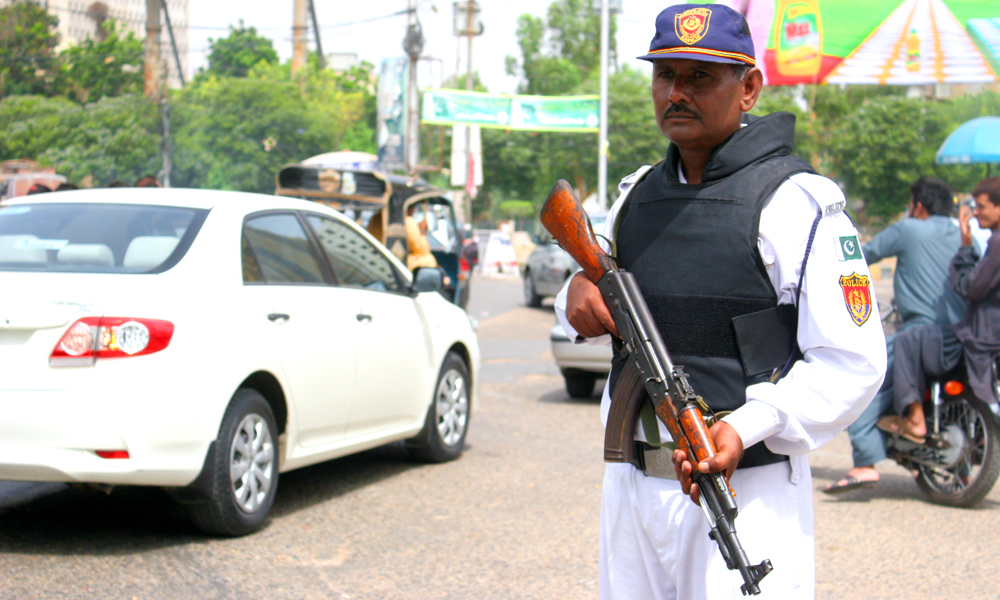
Karachi Safe City cameras traced 1,631 snatched or stolen vehicles in the first ten months of 2026, officials told Sindh Chief Minister Murad Ali Shah at a review meeting on Tuesday. The same network helped arrest 84 wanted persons and provided digital evidence in 642 cases between January and October, giving Karachi’s long-promised surveillance project its clearest results yet.
The figures were presented at a meeting of the Sindh Safe Cities Authority (SSCA) at the Chief Minister’s House, where Murad Ali Shah directed the authority to strengthen the operational capacity of the Karachi Safe City Project so that modern surveillance technology translates into safer streets, effective policing and better protection for citizens. He stressed that the project must go beyond installing equipment and produce measurable improvements in public safety, crime prevention and law enforcement.
What the Karachi Safe City cameras delivered in 10 months
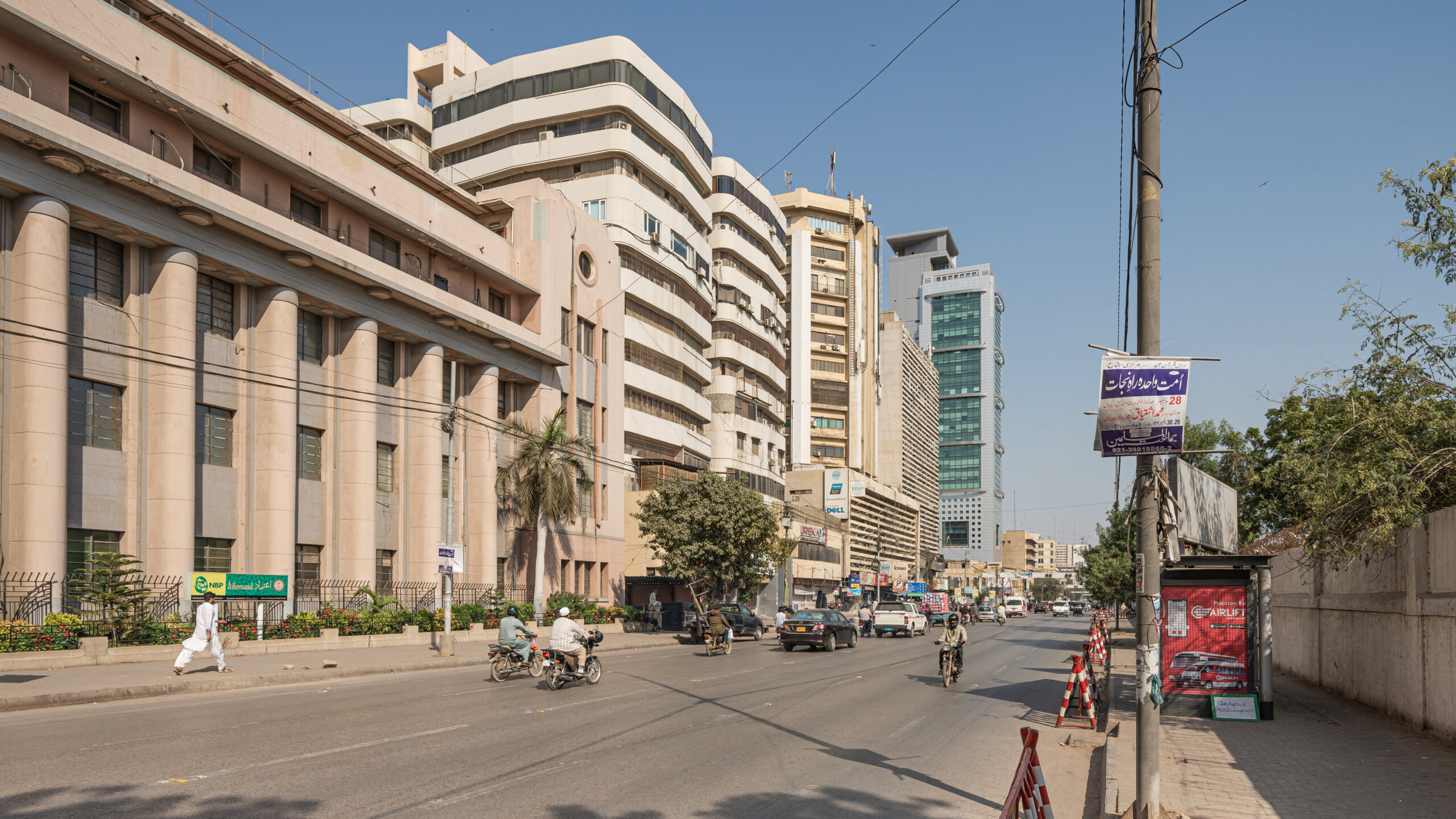
Officials told the chief minister that the system helped trace and hand over 1,631 snatched or stolen vehicles, identify and hand over 84 wanted individuals to law enforcement agencies, and provide digital evidence in 642 instances to investigating formations during January to October 2026.
The authority received 751 evidence-search requests from 23 investigating formations during the period and successfully facilitated 642 of them. The system also processed 408 vehicle-arming requests and 32 person-arming requests, which allow law enforcement agencies to monitor specified vehicles and individuals through surveillance alerts. Officials reported that 52 vehicles were traced through vehicle-arming alerts, while 14 government vehicles were handed over to police stations.
Phase-I of the project, installed by the National Radio and Telecommunication Corporation (NRTC), comprises 300 pole sites equipped with 1,300 surveillance cameras, supported by 18 points of presence, a dedicated data centre and a network operations centre. It is this network of Karachi Safe City cameras, combined with automated number plate recognition, that produced the recovery and arrest figures reviewed at the meeting.
Cases the cameras helped solve
Surveillance footage and number plate recognition produced concrete results in individual cases. The system helped police solve a house robbery in Gulistan-i-Jauhar, apprehend suspects involved in robberies by impersonators posing as police officers, recover a stolen vehicle within two hours and 15 minutes, and trace and intercept a vehicle wanted by a court.
The chief minister appreciated the results and directed the police and the authority to strengthen coordination so that technology increasingly supports crime detection, timely response, vehicle recovery and evidence-based investigation. He instructed the authority to maintain uninterrupted operations of surveillance cameras, communication networks, control rooms and associated facilities, with particular attention to professional maintenance and system reliability.
Karachi’s street crime has long been one of the city’s most pressing problems, and vehicle theft remains a daily worry for residents. The Safe City figures suggest the camera network is starting to pay off, with recoveries that would previously have depended on chance sightings or manual checks now coming from recorded footage and plate alerts.
Rs189.75 million maintenance plan and new technology posts
After reviewing the project’s maintenance requirements, the chief minister approved a revised six-month operations and maintenance proposal worth Rs189.75 million. The approved arrangement carries an overall annual financial ceiling of Rs213.03 million, including expenditure on spare parts and optical fibre services, and is scheduled to take effect on 1 January 2027.
He directed officials to ensure transparency, strict financial oversight and clearly defined performance standards in the agreement, instructed that fixed operational costs must not increase, and said services should be verified monthly, with financial deductions imposed wherever contractors fail to meet the agreed performance requirements.
During the meeting, the authority also approved a 275-position organisational structure, comprising 48 administrative and management positions, 97 in command and control, 112 for mobile surveillance and 18 technical and ICT positions. The chief minister emphasised that the authority must have professionally qualified personnel, particularly in cybersecurity, artificial intelligence, software development, network engineering and digital forensics, with recruitment carried out in phases according to available funds. He approved three new technical positions: chief technology officer, chief information security officer, and SOC analyst and digital forensics and incident response specialist.
What happens next: Phase II of Karachi Safe City
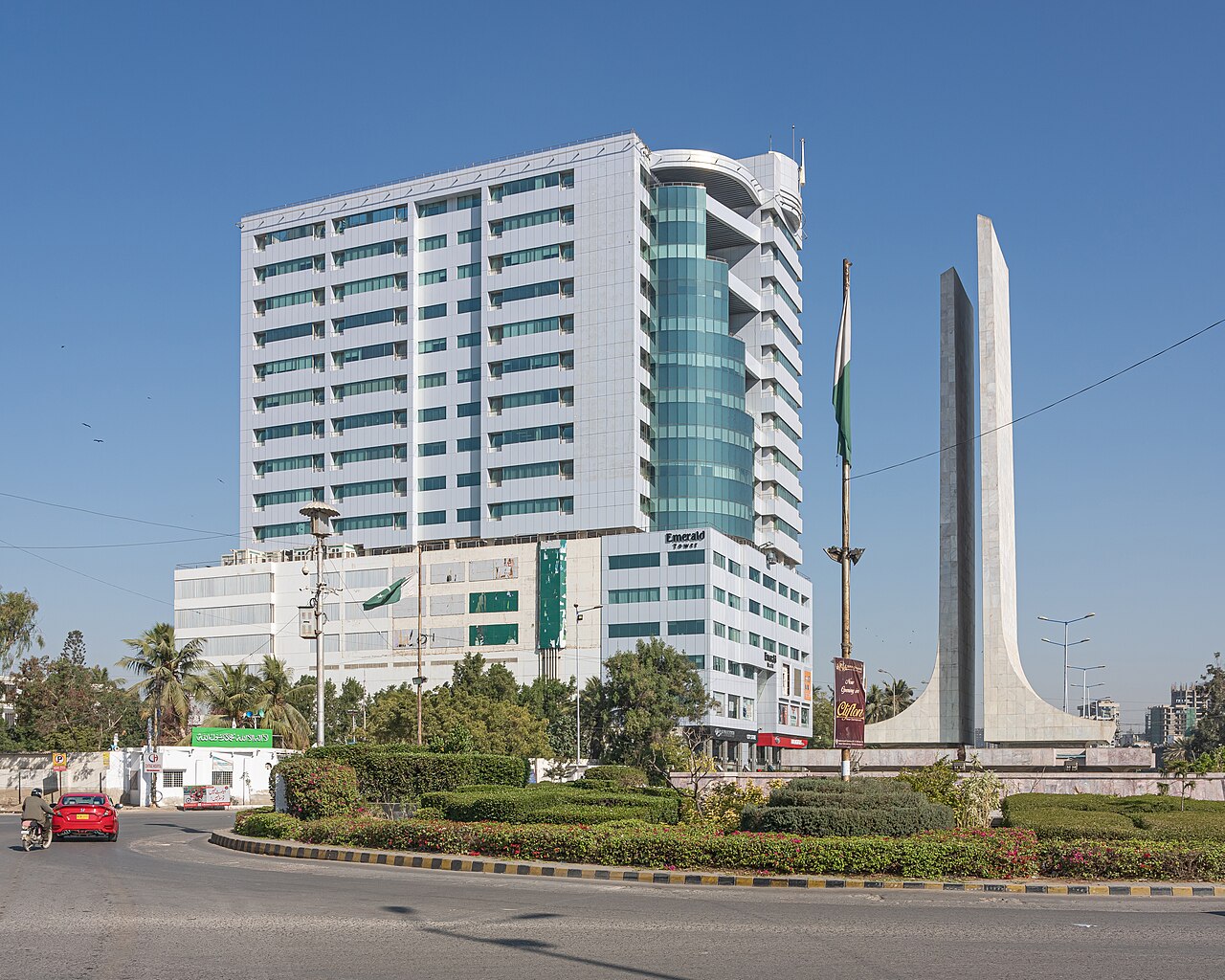
The meeting reviewed progress on earlier decisions, including approval of the Phase-II PC-I by the Provincial Development Working Party, recruitment and notification of service regulations, and the authority’s Rs575 million budget for 2026-27. The Sindh cabinet has already approved Rs5.766 billion for the project’s second phase, as covered in our earlier report on Karachi Safe City Phase-II. The provision of emergency response vehicles and the proposal for divisional Safe City projects were also reviewed.
The chief minister said the Karachi Safe City Project must evolve into a fully functional public safety and law enforcement system rather than remain merely an infrastructure initiative. He directed the relevant departments to ensure timely implementation of pending decisions, strengthen coordination with Sindh Police and maintain the highest standards of operational efficiency, adding that the project’s real success would be measured by safer communities, stronger police response, effective investigations and greater public confidence.
Karachi is not the only city leaning on camera networks for public safety. Punjab has added a phone shake SOS feature to its Women Safety App, and the Punjab Safe Cities Authority has won international recognition for AI-based vehicle crime prevention. For Karachi, the test now is whether the Karachi Safe City cameras can keep the same pace of recoveries as the network expands under Phase II.
The meeting was attended by Home Minister Ziaul Hassan Lanjar, Chief Secretary Asif Hyder Shah, Inspector General of Police Javed Odho, SSCA Director General Sarfraz Shaikh and other senior officials.
Sources: Feature Pakistan reported the Safe City results and Jarida Today reported the maintenance approval.
Related Posts
 TechnologyZeeshan Ali Tiangong Boarding Makes History as First Foreign Astronaut Enters China’s Space Station
 TechnologyHuawei Convicted in US: Jury Finds Tech Giant Stole Trade Secrets and Broke Iran Sanctions
 TechnologyAlibaba Super App Pakistan: Government Services to Come Together on One Platform
 TechnologyPakistan Cyber Police Proposal: Shehbaz Orders Fast-Track NCCIA Restructuring
 TechnologySecond Supermoon of 2026 Lights Up Pakistan’s Skies as Beaver Moon Reaches Full Phase
 TechnologyPunjab Women Safety App Adds Phone Shake SOS: Shake Your Phone to Alert Police
Most Popular
 How-ToPTA Tax Calculator 2026: Check Mobile Tax on Any Phone421 views
 Pakistan NewsPIA Boeing 787 Lease Deal: What It Means for the Airline398 views
 Canada JobsTech Jobs in Canada: Roles, Salaries, and Skills Needed395 views
 SportsUEFA Champions League 2026-27: Format, Teams and Schedule391 views
 TechnologyPM Shehbaz Sets November Deadline for Alibaba AI and Digitalisation Projects in Pakistan372 views
 ShowbizWomen’s Fashion in Pakistan 2026: Trends, Brands and Style Guide366 views