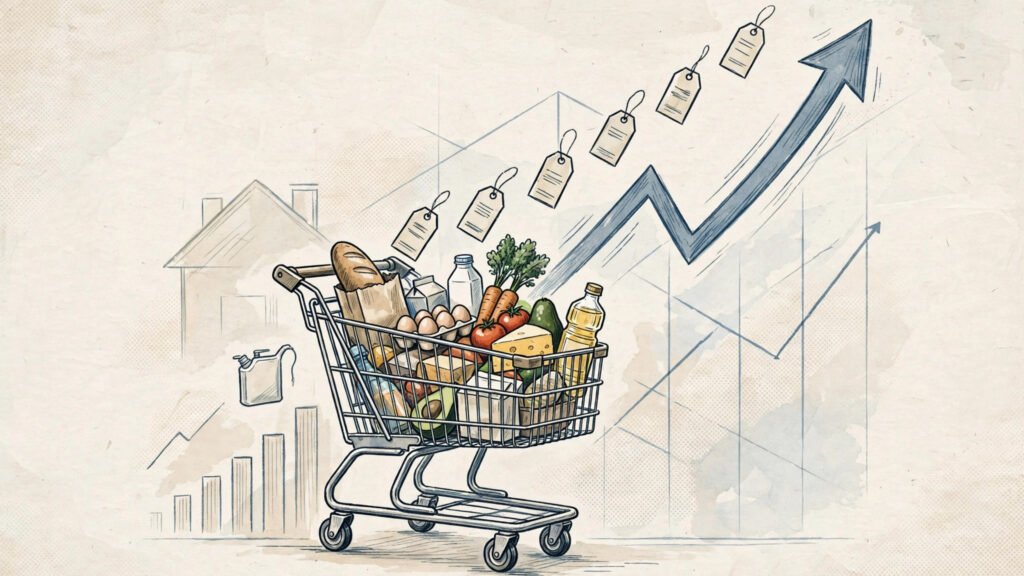
Inflation in Pakistan 2026: Latest CPI Figures and Trends
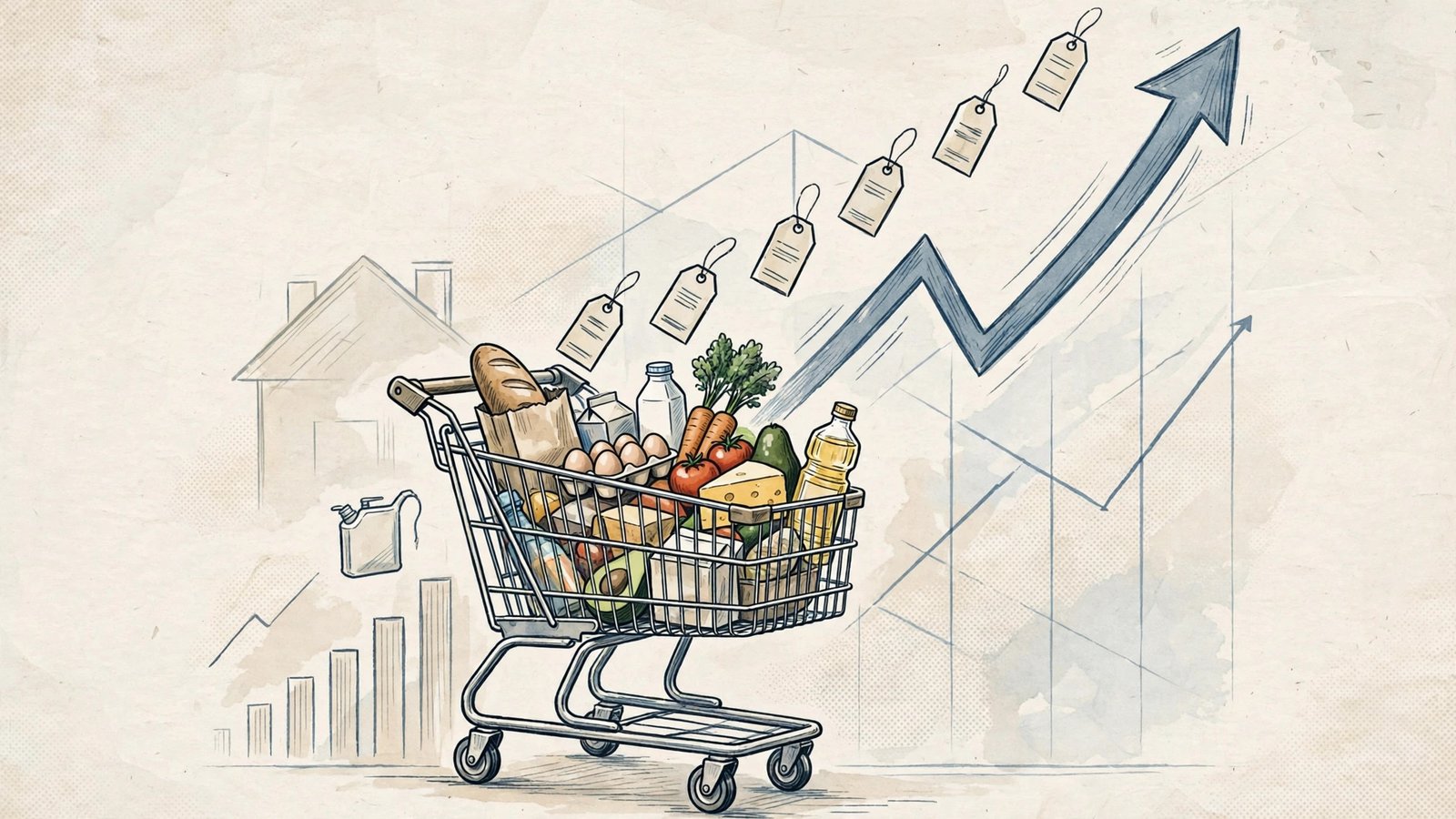
Inflation Pakistan measured by the Consumer Price Index eased to 10.3 percent year on year in September 2026, down from 11.1 percent in August, according to the Pakistan Bureau of Statistics. The reading landed at the bottom of analysts’ 10.25-10.75 percent expectations range. Yet prices still rose 1.3 percent in a single month, and inflation Pakistan households feel at the market remains far above the SBP’s 5-7 percent target range.
The disinflation was driven by food: food inflation slowed sharply to 8.2 percent from 13.9 percent as perishable prices cooled. Energy worked the other way, with electricity charges jumping 15.28 percent and motor fuel 10.76 percent over August. The IMF said headline inflation Pakistan peaked in May and moderated to about 10.3 percent in September, with core inflation contained.
Inflation Pakistan: September 2026 CPI Breakdown
PBS published the September data on 1 October 2026. National CPI rose 10.3 percent year on year (10.26 percent precisely) versus 5.8 percent in September 2025. Urban CPI settled at 10.1 percent and rural at 10.5 percent, easing from 12.2 percent in August as food’s heavier rural weight swung favourably. Core inflation in cities was 8.6 percent, while wholesale prices accelerated to 13.3 percent, signalling pipeline pressure.
On a monthly basis, onions jumped 29.17 percent, wheat 3.86 percent and wheat flour 2.28 percent. Tomatoes dropped 24.67 percent and chicken fell 8.14 percent. Year on year, onions remained 125.48 percent costlier, wheat 40.96 percent and motor fuel 37.73 percent. Read our Pakistan inflation rate analysis and track petrol price changes.
SBP Target and Policy Outlook
The State Bank’s medium-term target is 5-7 percent, so inflation Pakistan at 10.3 percent is still well above comfort. Inflation has exceeded 10 percent in five of the last six months. The IMF projects inflation averaging 7.2 percent in the current fiscal year, rising to 8.4 percent in FY27 as energy prices bite. The budget 2026-27 assumes 8.2 percent inflation.
The policy rate sits at 10.5 percent after aggressive cuts from 22 percent. With elevated energy prices, the IMF has urged an appropriately tight monetary stance. The Finance Division’s September economic update put monthly inflation expectations at 10-11 percent, with the trajectory sensitive to international oil prices.
For savers and borrowers, the combination of 10.3 percent inflation and a 10.5 percent policy rate means real interest rates are roughly flat, leaving little reward for deposits after tax. Businesses watching input costs should track the wholesale price index, which at 13.3 percent suggests consumer prices could face renewed pressure in the coming quarter if energy adjustments continue.
Urban and rural households experience price rises differently. Food carries more weight in the rural basket, so harvest-season movements swing village budgets harder, while city families feel electricity and transport adjustments more sharply. The sensitive price indicator, which tracks weekly essential items, was up 11.97 percent year on year in early October, suggesting the pressure on weekly grocery budgets has not fully eased even as headline inflation Pakistan figures improve.
Frequently Asked Questions
What is Pakistan’s inflation rate in September 2026?
10.3 percent year on year, down from 11.1 percent in August, per the Pakistan Bureau of Statistics.
What drove the September slowdown?
Food inflation eased to 8.2 percent from 13.9 percent; energy and transport costs rose, partly offsetting it.
What is the SBP inflation target?
5-7 percent over the medium term; inflation has been above 10 percent in five of the last six months.
What is the FY27 inflation forecast?
The IMF projects 8.4 percent for FY27, up from 7 percent estimated earlier, citing Middle East energy pressures.
Why do prices still rise if inflation fell?
Falling inflation means prices rise more slowly, not that they fall. September prices still climbed 1.3 percent in a single month.
Data sources: PBS September 2026 CPI review and September inflation breakdown. CPI is published monthly; verify with the latest PBS release.
In-Depth Guide: Inflation in Pakistan 2026
Inflation Pakistan data shapes monetary policy, wage talks and household budgets. The inflation rate pakistan 2026 trend shows whether price pressures are easing or building.
CPI figures and food inflation
Cpi inflation pakistan is measured through the Consumer Price Index basket tracking hundreds of items. Food inflation pakistan hits hardest because food dominates lower-income budgets — vegetable and wheat price swings move the headline number visibly. The inflation rate pakistan 2026 readings guide the State Bank’s interest-rate decisions, which in turn affect business borrowing and savings returns.
Causes and coping strategies
The inflation causes pakistan mix includes energy prices, exchange-rate depreciation, supply disruptions and fiscal pressures. Households cope by bulk-buying staples, cutting discretionary spending and comparing prices across markets. While inflation Pakistan headlines focus on percentages, the lived experience is simpler: track your own basket, because official averages never match any single family’s spending.
How inflation is measured
Cpi inflation pakistan tracks a fixed basket of goods and services, weighted by typical household spending — which is why your personal experience differs from the headline. Food inflation pakistan gets its own spotlight because food dominates the budgets the index is meant to represent. Core inflation strips out volatile food and energy to reveal underlying trends. When the inflation rate pakistan 2026 falls, check whether it is broad-based or driven by one category — single-item drops reverse quickly. Understanding the inflation causes pakistan mix helps predict what comes next: energy-led inflation responds to global oil, while food-led spikes often trace to local harvests.
Protecting your finances
During high inflation Pakistan periods, keep emergency savings in profit-bearing accounts, avoid holding excess cash and prioritise paying down expensive debt. Salary earners should negotiate raises against the inflation rate pakistan 2026 reality, not last year’s pay scales.
Related Posts
 BusinessPakistan Introduces Electronic Power Monitoring System to Crack Down on Power Theft
 BusinessTech Stocks Trillion Loss: $1 Trillion Wiped Out as Oil Hits $110
 BusinessLululemon Chief Product Officer: Maggie Gauger Joins as President & CPO in Leadership Overhaul
 BusinessKOSPI Index Crash: South Korea’s KOSPI Suffers 7.57% Drop, Triggering Circuit-Breakers
 BusinessBlinkit Reliance Food Probe: Indian Regulators Name Executives in Expired Food Case
 BusinessHDFC Bank Profit Miss: Q2 Net Profit Rises 4.7% but Treasury Slump Disappoints
Most Popular
 How-ToPTA Tax Calculator 2026: Check Mobile Tax on Any Phone86 views
 BISPPunjab Driving License Scam Alert: Fake Websites & “Without Test” Fraud | UrduPro79 views
 Canada JobsTech Jobs in Canada: Roles, Salaries, and Skills Needed76 viewsBusinessTech Stocks Trillion Loss: $1 Trillion Wiped Out as Oil Hits $11066 views
 TechnologyTecno Mobile Prices in Pakistan 2026: Spark, Camon and Pova Series Compared60 views
 ShowbizWomen’s Fashion in Pakistan 2026: Trends, Brands and Style Guide58 views



3 comments