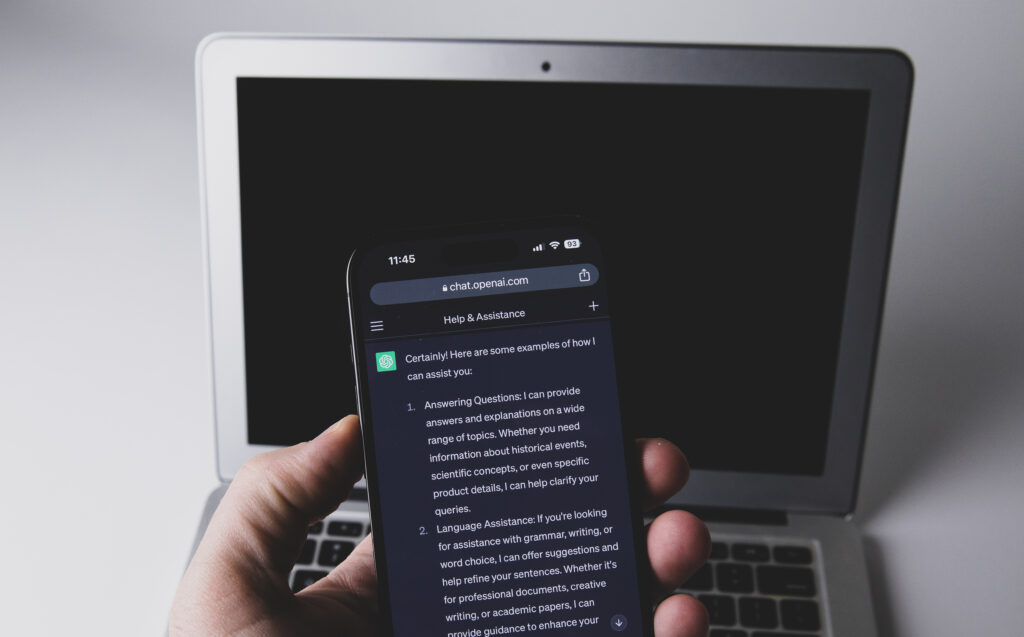
Your AI assistant can now buy things for you — without ever seeing your card number
Your AI assistant can now do more than find the perfect sweater or the cheapest hotel — it can buy it for you. OpenAI has launched ChatGPT Wallet, a new payment feature that lets its AI agents complete online purchases on your behalf. The twist is what makes the story interesting: the agent never sees your real card number. Announced on Friday 13 November 2026, the feature turns ChatGPT from a shopping researcher into a shopping buyer, and it could change how millions of people shop online.
What is ChatGPT Wallet?
ChatGPT Wallet is a payment layer built for OpenAI’s “dots” — its always-on AI agents that can browse websites and carry out tasks for users. Until now, an agent could compare products, shortlist options and fill a basket, but the final step — paying — still needed you to step in and type in your card. ChatGPT Wallet closes that gap. The wallet was built in partnership with American Express, Mastercard and Visa, three of the world’s largest payment networks, so it plugs into the checkout systems merchants already use instead of asking them to build something new. The dots themselves were introduced by OpenAI in late September 2026, and the wallet is their first step from advising to actually spending.

How a ChatGPT Wallet purchase works
The process has four steps, and the user stays in control at every one of them. First, you add an eligible payment card once, through a secure form outside the chat — the card number, expiry date and security code are entered a single time, with bank verification following if your card issuer requires it. Second, when a dot finds something to buy — a sweater, a hotel booking, a gift — it shows you the merchant, the items, the total and the card it will use, before anything is charged. Third, you approve the purchase with a biometric check, such as Face ID or a fingerprint. Nothing moves until you say yes. Fourth, the card network generates a single-use payment token — a substitute card with its own number, expiry date and security code — and the checkout completes against that token while your real card details stay sealed.
Your card number stays hidden
Tokenisation is the heart of ChatGPT Wallet. Because the token stands in for the real card at the merchant, neither the agent nor the shop ever receives your actual card number. Card rewards still apply, and your usual dispute protections remain in place, exactly as if you had typed the card in yourself. OpenAI is clear about what the wallet is not: it is not a bank account, it holds no cash balance, it extends no credit and it involves no cryptocurrency. It is simply a way to let an agent spend from a card you already own, under rules you approve each time. OpenAI also says it is taking no percentage cut of transactions at launch, focusing instead on building relationships with online sellers.

Who can use it — and who cannot
For now, the rollout is narrow. ChatGPT Wallet is available only to ChatGPT Pro subscribers in the United States who are at least 18 years old, hold an eligible US-issued card and have a US billing address. It works only inside conversations with a dot — not in ordinary ChatGPT chats, and not in Work or standalone Codex threads. Only credit cards are supported at launch; debit cards are not, and virtual cards cannot be used for enrolment. OpenAI has not announced when — or whether — the wallet will reach other countries, including Pakistan. For Pakistani users, this is a preview of where AI shopping is heading rather than a feature to switch on today. OpenAI says it plans to add advance purchase authorisation later — spending limits, purchase categories or time windows set in advance — subject to additional safeguards.
What it means for online shopping
The launch is part of a bigger shift called agentic commerce: AI agents that do not just advise but transact. OpenAI has published a Commerce Partner Playbook to help online stores accept agent payments, warning that some anti-bot systems may mistake a legitimate agent checkout for fraud and cancel it. The company is working with payment processors Adyen, Checkout.com and Stripe, and fraud platforms Forter, Riskified, Sardine and Signifyd, to keep agent transactions recognised and safe. With 1.2 billion people using ChatGPT each week, and a large share already asking it to research and compare products, the question of who pays has been the missing piece of agent shopping. ChatGPT Wallet answers it with a design that keeps the human in charge: the agent proposes, the user disposes. Whether that balance holds as agents grow more independent — and whether the feature ever reaches Pakistan — will decide how much of everyday shopping eventually happens without a human touching the checkout button.
Related
Read our guide: ChatGPT 2026: New Features, Pricing and How to Use It
Sources
- Decrypt — “OpenAI Launches ChatGPT Wallet to Let AI Agents Shop—Without Crypto”
- NotebookCheck — “ChatGPT Wallet lets AI agents shop without seeing your card number”
Related Posts
 TechnologyKP Police Crack Down on TikTokers Over Obscene Live Content: Arrests in Peshawar, Mardan, Swabi and Mansehra
 TechnologyFIA Rs120 Billion Gambling Probe: Three More Arrested in Sahiwal as JazzCash and Easypaisa Case Widens
 TechnologyAI Training Khyber Pakhtunkhwa — 800,000 Youth Trained as Government Plans IT Parks and Startup Support
 Technology20 Startups Win Davos Startup Challenge 2027, Head to Pakistan Pavilion
 TechnologyMicrosoft Reveals Why Outlook and Teams Crashed Worldwide — A Bug Hiding Since July
 TechnologyPakistan Internet Speed Up 60% in Two and a Half Years, Says IT Minister Shaza Fatima
Most Popular
 How-ToPTA Tax Calculator 2026: Check Mobile Tax on Any Phone420 views
 Pakistan NewsPIA Boeing 787 Lease Deal: What It Means for the Airline395 views
 Canada JobsTech Jobs in Canada: Roles, Salaries, and Skills Needed391 views
 SportsUEFA Champions League 2026-27: Format, Teams and Schedule388 views
 TechnologyPM Shehbaz Sets November Deadline for Alibaba AI and Digitalisation Projects in Pakistan368 views
 ShowbizWomen’s Fashion in Pakistan 2026: Trends, Brands and Style Guide365 views




2 comments