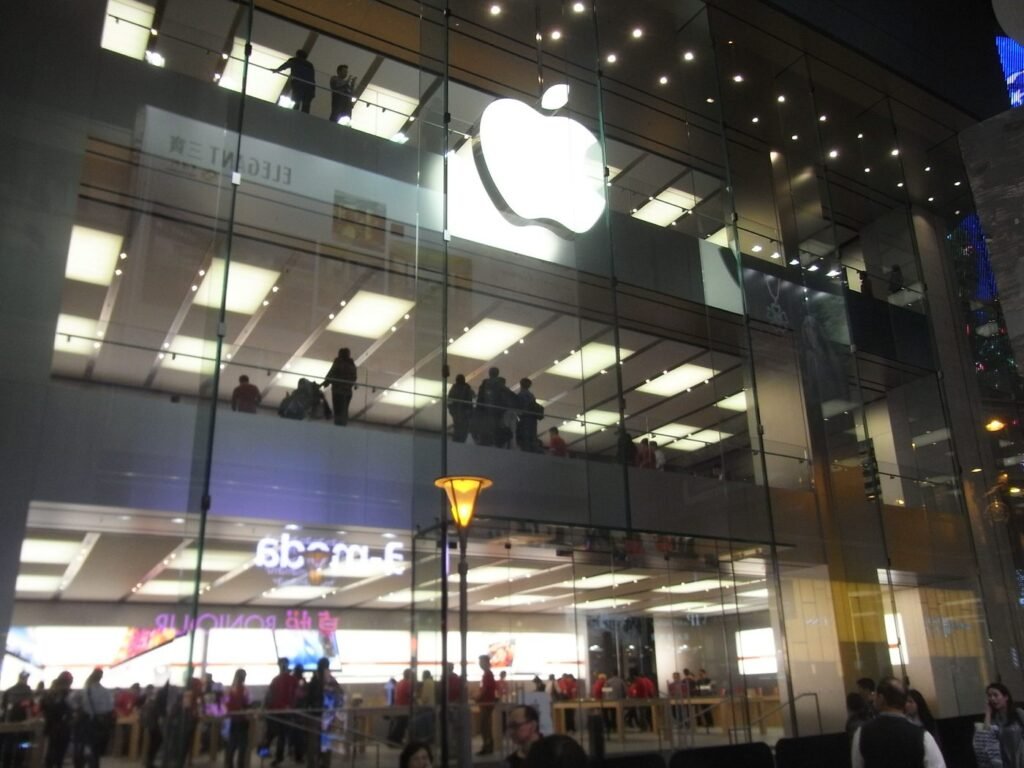
Apple has just delivered the best September quarter in its history, and the market hated it. Revenue hit a record $114.5 billion, iPhone sales set a new high and John Ternus’s first earnings call as chief executive beat Wall Street on every major line. Yet the Apple stock drop memory chip costs story took over at once: shares slid around 4 per cent in premarket dealing on Tuesday, putting more than $170 billion of market value at risk. The reason was not the past three months. It was the next three — and one word kept coming up on the call: memory.
A record quarter that was not enough
Ternus, who took the reins from Tim Cook on 1 September, faced analysts on Monday evening US time with formidable numbers: revenue of $114.48 billion, up 12 per cent; diluted earnings per share of $2.10, up 14 per cent and ahead of the $1.99 expected; iPhone revenue of $57.58 billion, a September-quarter record on early iPhone 18 Pro demand; Services at an all-time high of $31.6 billion; and full-year revenue of roughly $479 billion — all records.
None of it saved the stock. Apple had already slipped 1.83 per cent to close at $338.32 on Monday, then fell a further 2.8 per cent after hours. The damage came from the outlook, and the Apple stock drop memory chip costs warning landed within minutes of the release.
“Unprecedented”: Apple’s margin warning
Chief financial officer Kevan Parekh said Apple expects gross margin of 45% to 46% in the December quarter — down from the 47.9% posted for September and below the 46.3% average analysts had pencilled in. Excluding roughly one point of tariff refunds that flattered the September figure, the underlying margin had already fallen about a point from June, driven entirely by memory costs, Parekh said. The Apple stock drop memory chip costs reaction was brutal because the December guide, not the September beat, is what the market trades on.
For the holiday quarter, Parekh said most of the expected margin decline would again come from higher memory costs, with the Siri AI rollout adding pressure too. Ternus was blunter than any Apple executive has been on the subject: “What we are seeing with memory pricing right now is unprecedented,” he told analysts, adding that memory purchases will keep getting more expensive beyond December. He was echoing Cook, who on his final earnings call in July had described the memory market as a once-in-a-century flood. No wonder the Apple stock drop memory chip costs narrative dominated the post-earnings coverage.
The AI data centre squeeze behind the warning
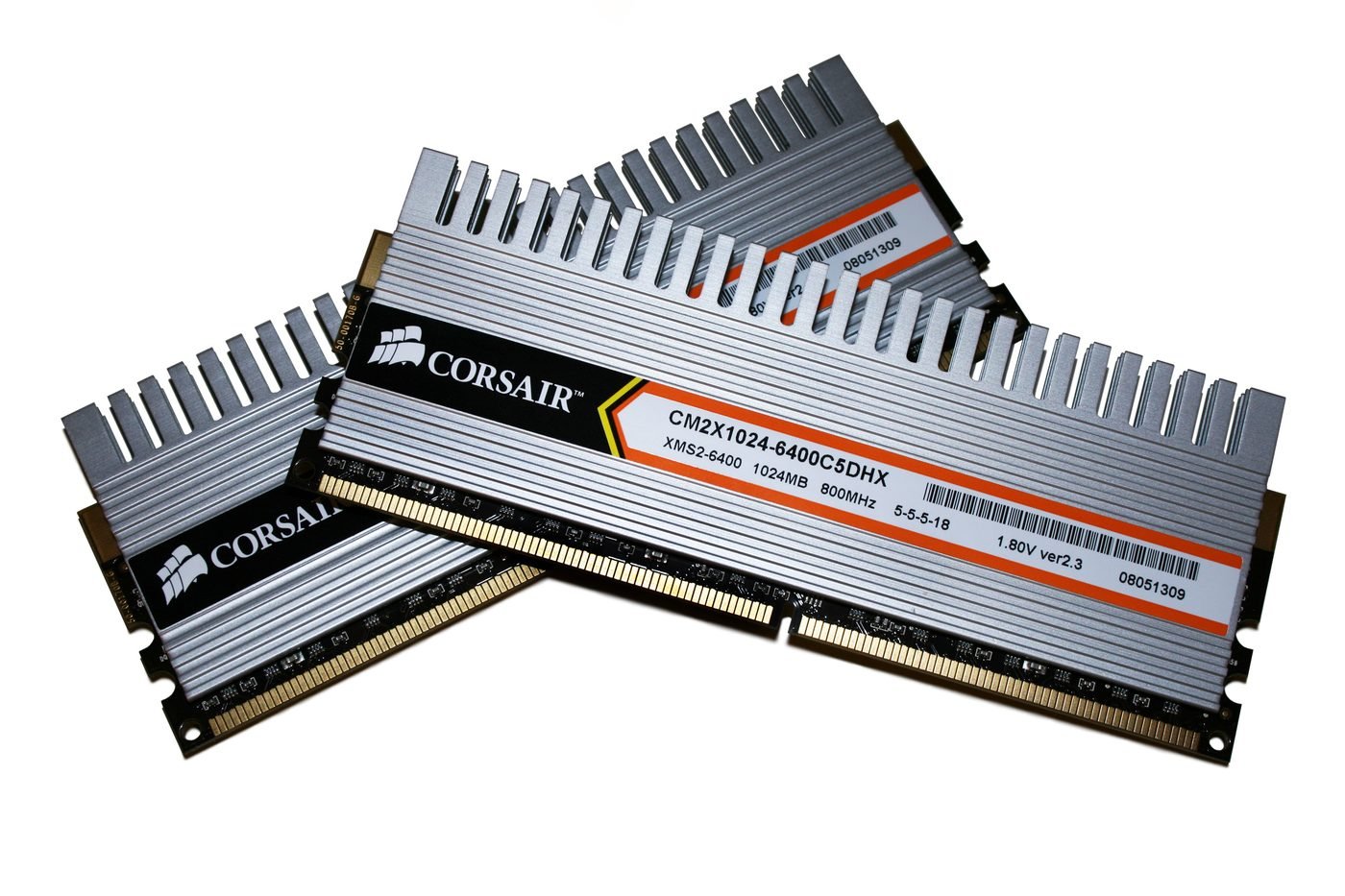
Apple’s problem is not absolute scarcity. It is who is buying: the AI buildout has turned Nvidia, Microsoft, Amazon and Meta into the hungriest memory customers on the planet, while Samsung, SK Hynix and Micron shift factory capacity toward high-bandwidth memory for AI accelerators — leaving device memory competing for a shrinking share of supply.
The price moves are stark. Memory now accounts for a share of an iPhone’s build cost that has climbed from around 10 per cent in mid-2025 toward 40 per cent by early 2027, with the iPhone 18 Pro’s component costs estimated to have jumped roughly 40 per cent year over year. Reporting picked up by MacRumors says Apple has agreed new 2027 supply terms with Samsung at close to $2.00 per gigabit of LPDDR5X RAM and $0.33 per gigabit of NAND — up from about $1.50 and $0.26 in the September quarter. Beneath the Apple stock drop memory chip costs headlines sits a simple fact: the AI boom’s hidden bill has arrived at the world’s most valuable company.
iPhones already cost more — and buyers may pay again
The iPhone 18 Pro price increase put the new models at $1,199 and $1,299 — each $100 more than the iPhone 17 Pro — while a 1TB Pro Max costs $300 more than its predecessor; Macs and iPads were raised in June. Ternus said these moves would not cover higher costs in full, another reason the Apple stock drop memory chip costs story has legs: investors see more price pain ahead.
COO Sabih Khan — the first Apple COO on an earnings call since Cook’s era — warned of memory-driven supply constraints on iPhones and Macs in the holiday quarter, as Apple’s purchase obligations jumped $33 billion from June to September to lock in supply. For buyers eyeing the new foldable iPhone Duo or the latest Pro models, the message is plain: prices are unlikely to fall, and popular configurations could be scarce.
What it means for Apple fans in Pakistan
Pakistan is an import-dependent market: global Apple price moves reach local buyers through authorised retailers and the open market, and a $100 global increase rarely arrives in rupees as less than that. If memory costs stay elevated through 2027, as Ternus expects, predictable iPhone pricing may be over for a while. The Apple stock drop memory chip costs fallout is a signal for local shoppers too: anyone eyeing the iPhone 18 Pro or the new MacBook Pro with its rumoured $2,899 starting price should budget for the new reality rather than waiting for a correction that Apple itself does not see coming.
Ternus’s first big test
Beyond the Apple stock drop memory chip costs sell-off, investors had two more reasons to worry. Apple guided Services growth of just 8 to 9 per cent for the holiday quarter, below the roughly 10.7 per cent analysts expected, with no clear answer on how that engine re-accelerates. And the company confirmed that the Siri AI rollout is itself now a measurable drag on margins. At roughly 35 times expected earnings, against about 18 times for Alphabet and 23 for Microsoft, Apple is priced for perfection; the market decided John Ternus’s first earnings call was not it.
Still, the December quarter is the one that matters most: Apple expects revenue growth of 7 to 10 per cent, potentially its biggest quarter ever. Whether Ternus can protect profitability while feeding the AI data centre boom eating his supply chain will define his first year. The lesson of the Apple stock drop memory chip costs sell-off is blunt: even a $4.94 trillion company cannot negotiate its way out of a memory market gone mad.
Sources: Reuters via SRN News; Startup Fortune.
Related Posts
 TechnologySenate Panel Orders One Integrated E-Attestation System for PakistanTechnologyDigital Bill Deferred Again: NA Committee Sends E-Transactions Amendment Back Over PPP Objections
 TechnologySpotify Launches Audiobooks in Pakistan: Audiobooks+ Add-On Arrives
 TechnologySamsung Galaxy S27 Ultra Dummy Unit Reveals New Horizontal Camera Bar
 TechnologyChery Q Electric Cars Reach Karachi Plant as Deliveries Near
 TechnologyGoogle Destroys 1.3 Million-Device Android TV Botnet Hidden in Firmware by Chinese Maker
Most Popular
 How-ToPTA Tax Calculator 2026: Check Mobile Tax on Any Phone408 views
 Pakistan NewsPIA Boeing 787 Lease Deal: What It Means for the Airline384 views
 SportsUEFA Champions League 2026-27: Format, Teams and Schedule377 views
 Canada JobsTech Jobs in Canada: Roles, Salaries, and Skills Needed365 views
 SportsBallon d’Or 2026: London Ceremony, Nominees and All-Time Records Ahead of 70th Anniversary339 views
 ShowbizWomen’s Fashion in Pakistan 2026: Trends, Brands and Style Guide339 views