Climate Change 2026: Latest Reports, COP Outcomes and Pakistan Impact
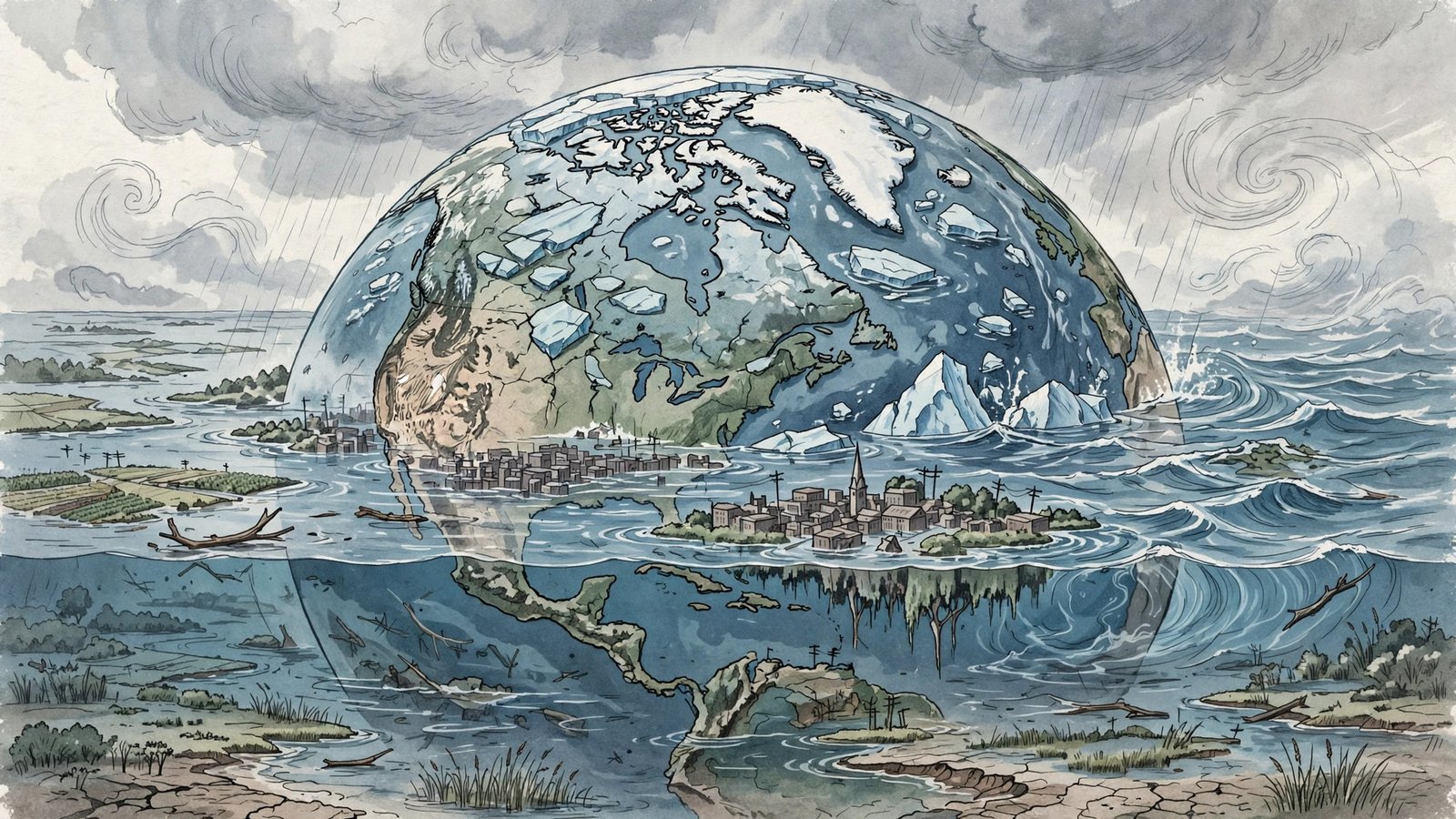
Climate change dominated headlines again in 2026 as scientists warned that breaching 1.5°C of warming is now “very likely” within a decade, a supercharged El Niño battered weather systems worldwide, and diplomats headed to Antalya, Türkiye, for the COP31 climate summit. For Pakistan — among the countries most vulnerable to climate shocks — the stakes could hardly be higher. Here is a verified look at the latest reports, the COP process and what it means for Pakistan.
Climate Change Latest Reports: The 2026 Science
The year’s most sobering assessment came from the UN Environment Programme, whose scientists said the multi-decadal average of global temperature is now very likely to exceed 1.5°C within the next decade. If countries fully implement their existing Nationally Determined Contributions (NDCs), warming would still reach 2.3–2.5°C this century and could touch 2.8°C — far above the Paris Agreement goals. Current pledges imply only a 12–15 per cent emissions cut against what is needed.
On 3 September 2026, the World Meteorological Organization warned that El Niño was “firmly established” and would intensify into a “very strong event” with big impacts on rainfall and temperature patterns — floods, drought and extreme heat — likely persisting through February 2027. WMO Secretary-General Celeste Saulo called it an exceptional event demanding exceptional preparation, launching the organisation’s largest-ever mobilisation of national weather services.
UN climate chief Simon Stiell said in October 2026 that “every nation is now on the front lines of the climate crisis” and that “every economy is already getting hammered,” with El Niño supercharging the costs. He urged COP31 to convert promises into real-world results.
COP31 in Antalya: What Is on the Table
COP31, the UN climate summit, runs from 9 to 20 November 2026 in Antalya, Türkiye, following COP30 in Belém, Brazil. Three themes are expected to dominate. First, the just transition mechanism agreed at Belém: governments promised to develop a mechanism bringing the social dimensions of climate action — jobs, communities, fairness — into the UN climate architecture, and Antalya must make it usable. Second, adaptation finance: operationalising the Global Goal on Adaptation and reviewing the UAE Framework for Global Climate Resilience. Third, money: delivering on existing finance commitments and building the Baku-to-Belém Roadmap toward US$1.3 trillion a year in climate finance by 2035.
Stiell has called for scaling up and speeding up finance while broadening access to affordable funding, and for bringing the COP process “closer to the real economy” — governments, businesses, investors and cities working on bankable projects rather than communiqués.
Pakistan’s Position and the Impact at Home
Pakistan enters COP31 with a clear, data-driven stance. Its NDC 3.0 commits to a 50 per cent emissions reduction against projected levels — 17 per cent unconditional through its own efforts and 33 per cent conditional on international finance, technology transfer and capacity building. A pre-COP31 multi-stakeholder consultation held on 6 October 2026 at the Institute of Strategic Studies in Islamabad, convened by the climate change and foreign ministries with SDPI and ISSI, shaped the national position paper around three priorities: adaptation finance, just transition and loss and damage.
Pakistani analysts argue the country should position itself not merely as a climate victim seeking support but as a bridge-builder, elevating climate diplomacy to the same level as economic and foreign policy. Priorities include operational technology transfer, funding for climate data systems, and defending developing countries against carbon-border measures that penalise economies never adequately financed to decarbonise.
At home, Pakistan’s solar boom is already running ahead of national energy policy, reaching health facilities, schools, water schemes and remote settlements — a bright spot analysts want reflected in the country’s COP31 narrative. But the underlying vulnerability remains: floods, heatwaves and glacial melt threaten lives and livelihoods every year.
For more on Pakistan’s climate diplomacy, see today’s Pakistan news and 2026 world news. External sources: The News on Pakistan’s COP31 position and the UN climate chief’s call to action provide further detail.
Frequently Asked Questions
When and where is COP31?
COP31 runs from 9 to 20 November 2026 in Antalya, Türkiye, following COP30 in Belém, Brazil.
Is 1.5°C of warming now unavoidable?
UN scientists say temporarily exceeding 1.5°C within the next decade is now very likely. The goal is to keep the overshoot as low and as short as possible.
What is Pakistan’s climate pledge?
Pakistan’s NDC 3.0 targets a 50 per cent emissions cut against projected levels: 17 per cent unconditional, 33 per cent conditional on international support.
How is El Niño affecting 2026 weather?
The WMO says a “very strong” El Niño is intensifying, raising risks of floods, drought and extreme heat worldwide, and is expected to persist through February 2027.
What does Pakistan want from COP31?
Adaptation finance, a fair just-transition mechanism, access to loss-and-damage funding, technology transfer and protection from carbon-border trade penalties.
In-Depth Guide: Climate Change 2026: Latest Reports, COP Outcomes and Pakistan Impact
Climate change is no longer a distant warning for Pakistan — it is a lived reality. Understanding climate change means looking at the climate change latest report, the climate change effects on pakistan, the link between climate change and floods pakistan, and what ordinary citizens can do to help in the fight against climate change.
Climate Change Latest Report
The climate change latest report tracks rising average temperatures, shifting rainfall patterns and the accelerating melt of northern glaciers. Scientists warn that heatwaves are becoming longer and monsoon rains more erratic — a dangerous combination for an agricultural economy. International assessments consistently rank Pakistan among the countries most vulnerable to climate impacts despite its tiny share of global emissions.
Climate Change Effects On Pakistan
The climate change effects on pakistan are visible across the country: prolonged droughts in Sindh and Balochistan, devastating floods in the Indus basin, smog-choked winters in Punjab and water stress in major cities. Each extreme event damages crops, homes and infrastructure, pushing vulnerable families deeper into poverty.
Climate Change And Floods Pakistan
Floods linked to climate change follow a direct mechanism — warmer air holds more moisture, turning normal monsoon systems into flood disasters. Better early-warning systems, climate-resilient infrastructure and honest urban planning are now necessities rather than options.
How to Fight Climate Change: Practical Steps
- Plant native trees and protect existing green cover in your area.
- Reduce water waste — fix leaks and use efficient fittings.
- Shift to energy-efficient appliances and consider rooftop solar.
- Support policies and leaders that take climate adaptation seriously.
Related Posts
 World NewsSaudi Defense Minister Meets UAE President in Abu Dhabi Amid Regional Tensions
 World NewsKatie Zacharia Fired After Five Days as White House Press Secretary
 World NewsStrait of Hormuz Closed: IRGC Declares Waterway Shut After Tanker Attacks
 World NewsUkraine War 2026: Latest Updates, Ceasefire Talks and Analysis
 World NewsUS Elections 2026: Midterms Guide, Key Races and Dates
 World NewsNarendra Modi 2026: Latest News, Policies and India Updates
Most Popular
 How-ToPTA Tax Calculator 2026: Check Mobile Tax on Any Phone84 views
 BISPPunjab Driving License Scam Alert: Fake Websites & “Without Test” Fraud | UrduPro79 views
 Canada JobsTech Jobs in Canada: Roles, Salaries, and Skills Needed75 views
 BusinessTech Stocks Trillion Loss: $1 Trillion Wiped Out as Oil Hits $11066 views
 TechnologyTecno Mobile Prices in Pakistan 2026: Spark, Camon and Pova Series Compared60 views
 ShowbizWomen’s Fashion in Pakistan 2026: Trends, Brands and Style Guide58 views