Faisalabad 2026: City Guide with Development and News
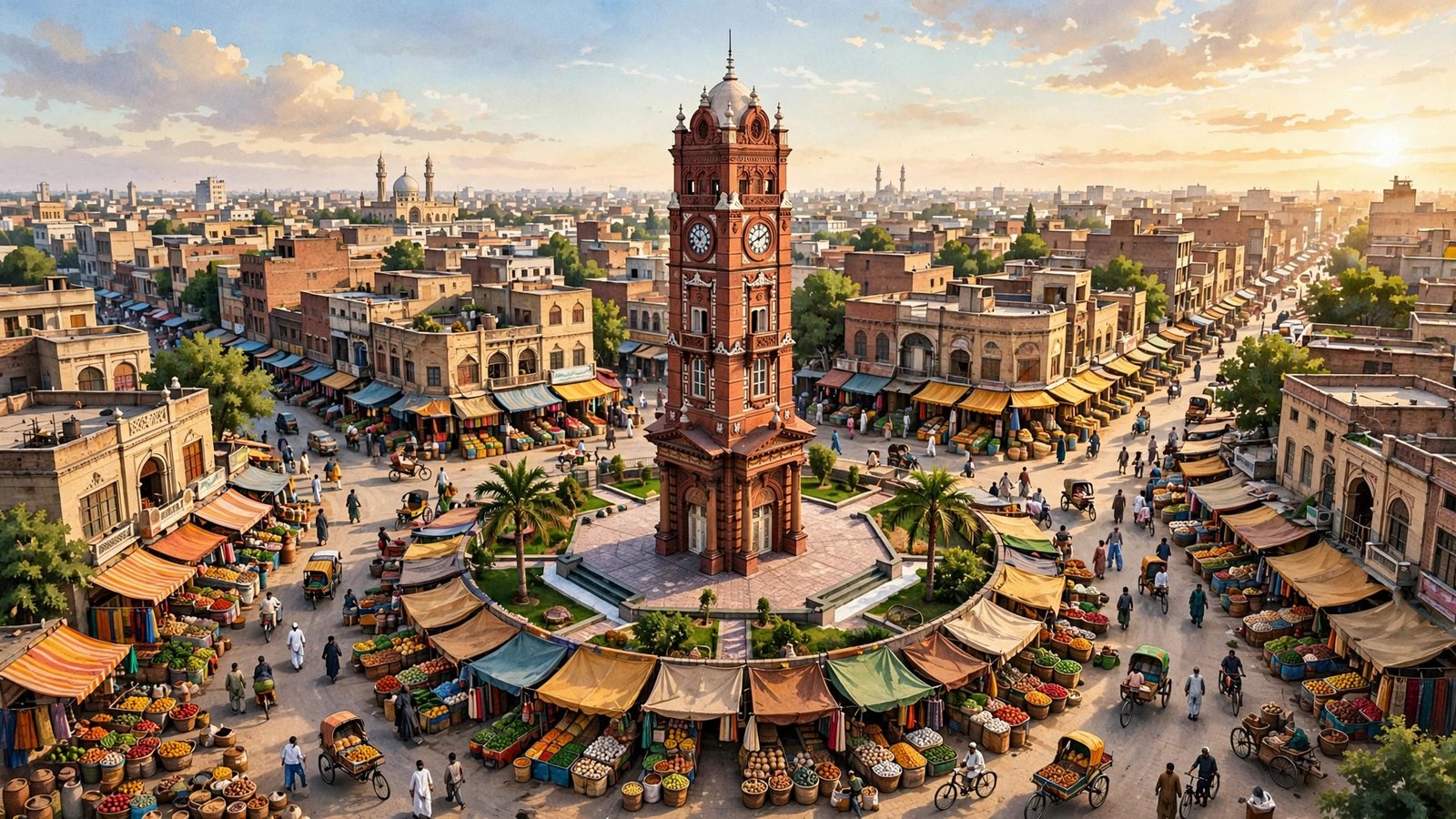
Faisalabad, often called the “Manchester of Pakistan”, is the country’s third-largest city and its textile powerhouse. In 2026 the city is in the middle of a construction boom — a Metro Bus line is being built through the old city, a Rs 12 billion development package is moving to execution, and the CPEC-linked M3 Industrial City is drawing new investment. This Faisalabad city guide covers development, history and the latest news as of 15 October 2026.
Faisalabad Metro Bus and Development in 2026
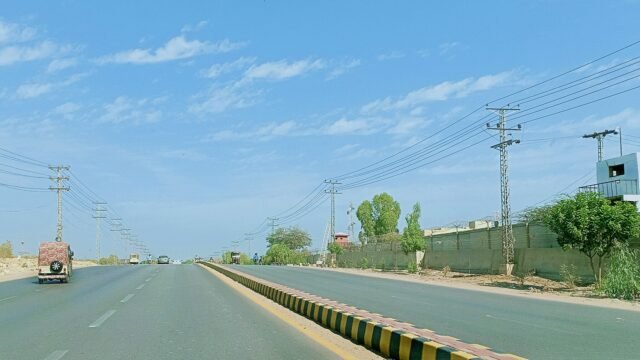
The headline project this year is the Metro Bus line, with heavy construction reported along Karkhana Bazaar and Jhang Road — drilling for pillars, excavation of the metro track, utility relocation and road rebuilding. Reports from October 2026 describe work in full swing towards Gomti and the Clock Tower, with the provincial government working to a roughly 18-month completion timeline. Property prices along the route have been climbing as traders and residents anticipate better connectivity.
Alongside the metro, the Punjab government has approved a Rs 12 billion development package focused on upgrading the sewerage infrastructure of the eastern and western zones, with tenders already called and construction expected to start swiftly. Parking pressure in the congested old bazaars is being addressed with new multi-storey parking plazas, including the Douglas Pura project — a five-storey plaza with an eight-month deadline that will serve traders and shoppers in the commercial core.
Buyers should take note of the Faisalabad Development Authority’s September 2026 housing register: 196 private schemes are officially approved, while 367 have been classified as illegal and 230 are under process. The FDA warns that illegal or under-process schemes may not receive electricity, gas and water connections, so verifying a scheme’s status before buying is essential.
Industry, Economy and the M3 Industrial City
The Allama Iqbal Industrial City (M3 Industrial City), the flagship CPEC Special Economic Zone, is the centrepiece of the city’s industrial future, offering tax exemptions, zero customs duty on imported machinery and one-window operations. Operational factories are already running, including a Chinese-funded dry battery plant. Longer-term plans include a new greenfield international airport with a long runway and cargo terminal, a ring road estimated at Rs 20-30 billion, and a 33 million-gallon-per-day wastewater treatment plant that would help textile exporters meet international environmental standards.
The city’s textile mills, power looms and hosiery units employ hundreds of thousands of workers, and its grain market is among the largest in the country. For broader economic context, see our Pakistan economy 2026 coverage.
History and Places to Visit
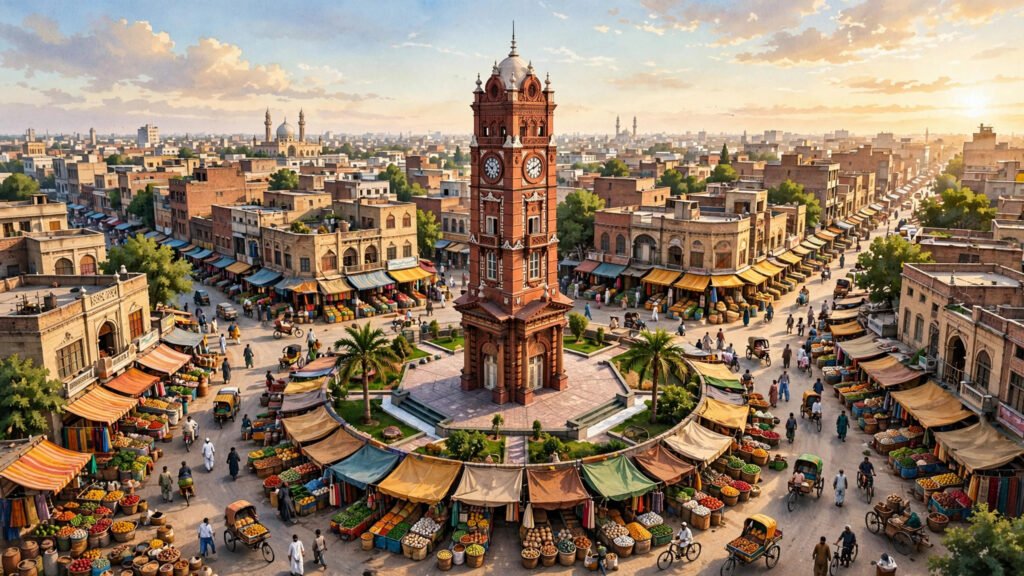
Founded in 1890 as Lyallpur during the British canal-colony era, the city was renamed for King Faisal of Saudi Arabia in 1977. Its famous Clock Tower (Ghanta Ghar) sits at the centre of eight bazaars laid out in a Union Jack pattern — each bazaar specialising in different goods, from cloth to electronics. The Jinnah Garden, Lyallpur Museum and the Gatwala Wildlife Park are popular weekend spots, while the nearby city of Jaranwala and the Rechna Doab countryside make easy day trips.
Travellers often combine central Punjab cities in one trip — see our Lahore 2026 city guide for the provincial capital, two hours away by motorway.
Frequently Asked Questions
When will the Metro Bus be completed?
Construction is under way along Karkhana Bazaar and Jhang Road with a roughly 18-month target reported in 2026; official opening dates have not yet been announced.
What is the Rs 12 billion package for?
It focuses on sewerage infrastructure upgrades in the eastern and western zones, with technical bids submitted and tenders called by WASA.
How do I travel to Faisalabad?
The city is connected by the M-4 motorway, national highways, Pakistan Railways and Faisalabad International Airport.
What is the city famous for?
It is famous for textiles, the eight bazaars around Ghanta Ghar, the grain market and its role as Pakistan’s industrial engine.
Is it safe to buy property in new housing schemes?
Only buy in FDA-approved schemes — check the authority’s live register, since 367 schemes were listed as illegal in September 2026.
Read more: Multan 2026 city guide, Rs 12 billion package approved (Pakistan Scope) and FDA housing schemes database (Manahil Estate).
City Guide: Faisalabad Beyond the Headlines
Faisalabad — Pakistan’s third-largest city and its textile heart — is often reduced to its industrial identity. But the Manchester of Pakistan has a distinctive urban character worth understanding, from its colonial-era clock tower layout to its evolving food and retail scene.
Faisalabad development projects 2026 and news
Faisalabad development projects 2026 include road infrastructure, the ongoing expansion around the M-3/M-4 motorway corridors, and industrial estate upgrades. Faisalabad news today most often concerns the textile sector — energy costs, export orders and labour issues — which directly affect hundreds of thousands of livelihoods in the city.
Things to do in Faisalabad and the textile industry
Things to do in Faisalabad: the eight-bazaar clock tower (Ghanta Ghar) area remains the historic core, Jinnah Garden offers green space, and the city’s food streets serve distinctive local dishes. The Faisalabad textile industry 2026 story — power tariffs, gas supply, export competitiveness — is the city’s economic pulse; when textiles thrive, Faisalabad’s bazaars, property market and restaurants all feel it.
Living in Faisalabad: Practical Notes
For residents and newcomers, Faisalabad offers a lower cost of living than Lahore with reasonable connectivity via the motorway network. The city’s layout around the clock tower makes navigation intuitive once you learn the bazaar names. Healthcare and education infrastructure serve the region well, with major hospitals and universities drawing patients and students from surrounding districts.
Business and investment angles
Faisalabad rewards those who understand its textile ecosystem: power looms, processing units, hosiery and garment manufacturing form deep supply chains. The city’s industrial estates continue to attract investment, and its agricultural hinterland supports a strong commodities trade. For job seekers, textiles, banking and retail offer the most openings; for entrepreneurs, value-addition in textiles and food processing are proven paths.
Food and culture
Faisalabad has a distinctive food identity — its breakfast culture, BBQ spots and sweet shops are local legends. The city’s cultural life revolves around its bazaars, festivals and a growing café scene. Visitors often underestimate Faisalabad; those who explore beyond the industrial image find a warm, unpretentious city with deep commercial energy.
Related Posts
 Pakistan NewsPakistan Launches Week-Long Polio Drive: 24 Million Children to Be Vaccinated Across 97 Districts
 Pakistan NewsQatar Offers Pakistanis Free 30-Day Visa on Arrival — No Advance Visa Needed
 Pakistan NewsLahore’s Iron Rod Mystery: Why Motorcyclists Are Riding With Metal Rods
 Pakistan NewsSialkot Mehndi Stampede: 2 Dead, 18 Injured at TikToker Mr Patlo’s Wedding Event
 Pakistan NewsPM Shehbaz to Visit Gilgit-Baltistan Today for 79th Independence Day, Orders Faster Development Work
 Pakistan NewsCDA Gives Fazlur Rehman 15 Days to Remove “Unauthorised” Construction at Islamabad Home — Demolition Warning
Most Popular
 How-ToPTA Tax Calculator 2026: Check Mobile Tax on Any Phone394 views
 Pakistan NewsPIA Boeing 787 Lease Deal: What It Means for the Airline379 views
 SportsUEFA Champions League 2026-27: Format, Teams and Schedule372 views
 Canada JobsTech Jobs in Canada: Roles, Salaries, and Skills Needed352 views
 SportsBallon d’Or 2026: London Ceremony, Nominees and All-Time Records Ahead of 70th Anniversary334 views
 ShowbizWomen’s Fashion in Pakistan 2026: Trends, Brands and Style Guide331 views