Forex Rates Today in Pakistan 2026: USD, EUR, GBP, AED
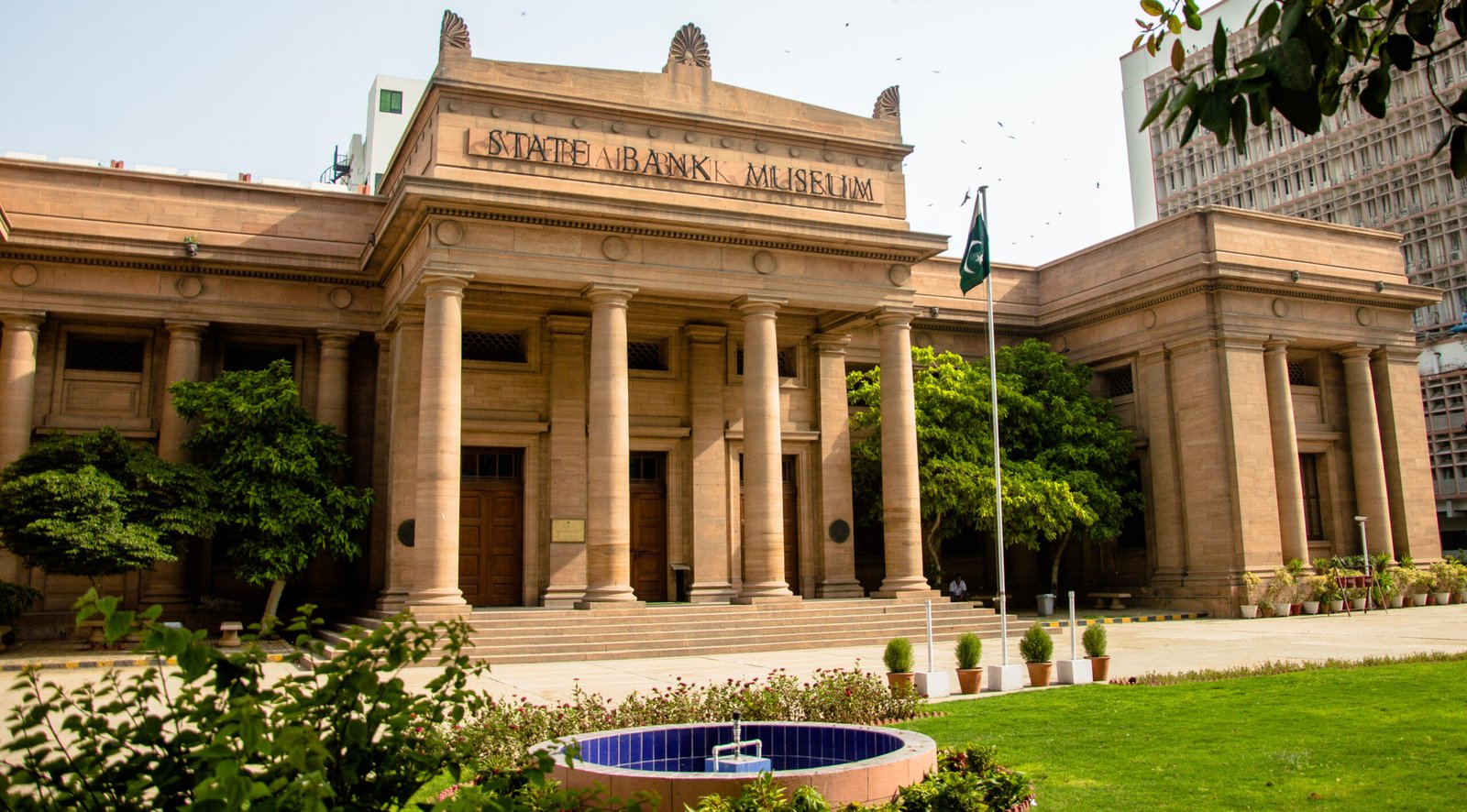
The forex rates today in Pakistan showed a stable rupee on 15 October 2026, with the US dollar holding near Rs 277 in the interbank market. The interbank rate was quoted around Rs 277.00-$277.40 for buying, while the State Bank’s mark-to-market revaluation rate on 14 October stood at Rs 276.95. In the open market, the dollar was trading between roughly Rs 277.50 for buying and Rs 280.25 for selling, a normal gap that reflects retail demand. As always, the forex rates today in Pakistan can differ slightly between banks and exchange companies, so checking with your dealer before transacting is wise.
Forex Rates Today: Dollar, Euro and Pound
The US dollar has been remarkably steady over the past month, easing about 0.17% in the last 30 days and strengthening roughly 1.6% on a year-on-year basis, a welcome change from the volatility of previous years. The euro was quoted near Rs 313.92-$314.49 in the interbank market and Rs 316.50-$322.35 in the open market, reflecting a strong euro globally. The British pound traded around Rs 366.38-$367.04 interbank and Rs 366.93-$372.20 in the open market, making it the most expensive major currency for Pakistanis buying abroad. For anyone planning travel or remittances, the forex rates today in Pakistan matter most for these three currencies, which together dominate the country’s foreign exchange flows.
Gulf Currencies and Regional Rates
Gulf currencies matter deeply for remittance-dependent households. The UAE dirham was quoted near Rs 75.70-$76.55 in the open market, and the Saudi riyal near Rs 73.74-$74.60, with both currencies moving in lockstep with the dollar because of their pegs. The Qatari riyal traded around Rs 74.93-$76.25, while the Canadian dollar stood near Rs 195 and the Australian dollar near Rs 193. Analysts note that the forex rates today in Pakistan have been supported by healthy foreign exchange reserves, which stood at about $26.8 billion in total as of early October 2026, including $21.45 billion held by the State Bank.
What Drives the Rupee
Currency traders point to remittance inflows, export receipts, IMF programme disbursements and global commodity prices as the main drivers of the rupee. A stable rupee helps keep imported inflation in check, which is why the State Bank watches the exchange market closely even without a fixed peg, intervening only to curb excessive volatility rather than defend any particular level. Readers should remember that the interbank market opens on weekdays only, with weekend quotes carried over from Friday’s close, and that interbank rates apply to banks and large transactions, while open market rates are what retail customers actually pay, so the two quotes will always differ slightly. Customers buying currency for Hajj, Umrah or study abroad are advised to compare two or three licensed dealers, keep receipts for larger transactions, and avoid informal channels that offer rates far from the published boards. Track the dollar trend with our dollar rate in Pakistan page, the currency converter page at USD to PKR, our forex rates coverage and the reserves picture at forex reserves.
External sources: live rates at Hamariweb Finance and the rate history at Darsaal.
Frequently Asked Questions
What are the forex rates today in Pakistan?
As of 15 October 2026, the dollar trades near Rs 277 interbank and Rs 277.50-$280.25 in the open market, with the euro near Rs 314 and the pound near Rs 367.
What is the difference between interbank and open market rates?
Interbank rates apply to bank-to-bank transactions, while the forex rates today in Pakistan shown at exchange companies are retail rates and carry a small premium.
Why is the rupee stable right now?
Healthy reserves of about $26.8 billion, steady remittances and IMF programme support are anchoring the currency market.
How do Gulf currency rates move?
The dirham and riyal are pegged to the US dollar, so their rupee rates follow the dollar almost exactly in the forex rates today in Pakistan table.
Where can I check live forex rates?
Banks, licensed exchange companies and finance portals update their daily rate boards several times during market hours.
Forex Rates Today: Pakistan Currency Guide
Forex rates today affect everyone from overseas Pakistanis sending remittances to importers pricing goods. Here is how to read the market.
Where can I check daily rates?
The forex rates today pakistan figures are published by the State Bank, commercial banks, and licensed forex dealers. The dollar rate today pakistan interbank rate differs slightly from open-market rates, and the euro rate in pakistan today moves with European markets. For currency rates pakistan today, compare a few dealers before exchanging large amounts, because spreads vary.
Why does the rupee fluctuate?
Remittance flows, import bills, IMF programme reviews, and global dollar strength all move the rupee. When reserves rise and the current account improves, the currency typically stabilises; political uncertainty and import surges push the other way. Speculative sentiment can amplify moves in both directions.
How do interbank and open market differ?
The interbank rate reflects bank-to-bank trading, while the open market serves retail customers through exchange companies. A small gap between them is normal, but a wide spread signals stress and pushes transactions toward informal channels, which regulators work to prevent.
How can travellers and businesses manage?
Travellers should buy foreign currency from authorised dealers with receipts, avoiding black-market operators. Businesses with import exposure can use forward contracts through banks to lock in rates. Watching forex rates today regularly builds the intuition to time conversions wisely.
What drives remittance decisions?
Overseas Pakistanis time transfers around rate movements, and official channels offer security plus incentives. The gap between interbank and open-market rates influences whether remittances flow through banks or informal channels, which is why policymakers watch the spread closely and adjust incentives.
Related Posts
 BusinessSECP AGM Deadline 2026
 BusinessSBP Raises Policy Rate to 12%: First Hike Since April as Inflation Stays Above Target
 BusinessGeely Pakistan Launch: Bestway Brings EX2, EX5 and Starray to Pakistan
 BusinessAskari Bank × Nium Brings Real-Time Cross-Border Payments for DHA Islamabad–Rawalpindi Customers
 BusinessGovt Bans Manual Detection Bills: DISCOs Ordered to Bill Consumers Through Online Portal Only
 BusinessPakistan Weekly Inflation Jumps to 11.85% as LPG Prices Soar 22.44% in a Week
Most Popular
 SportsBallon d’Or 2026: London Ceremony, Nominees and All-Time Records Ahead of 70th Anniversary290 views
 How-ToPTA Tax Calculator 2026: Check Mobile Tax on Any Phone290 views
 TechnologyRedmi K100 Launching on 28 October: 10,000mAh Battery, 185Hz Display and Full Specs267 views
 SportsUEFA Champions League 2026-27: Format, Teams and Schedule267 views
 TechnologyAround 20 Pakistani Tech Companies Showcase Innovation at TechCrunch Disrupt 2026 in San Francisco262 views
 Canada JobsTech Jobs in Canada: Roles, Salaries, and Skills Needed258 views