Pakistan’s night sky put on a rare show on Tuesday evening as the second supermoon of 2026 rose over the country, with the full Beaver Moon reaching its brightest at 7:53pm. From Karachi to Islamabad, people stepped out to watch the Moon look bigger and brighter than an ordinary full moon — and anyone who missed it still has a chance tonight, when it will appear almost as full.
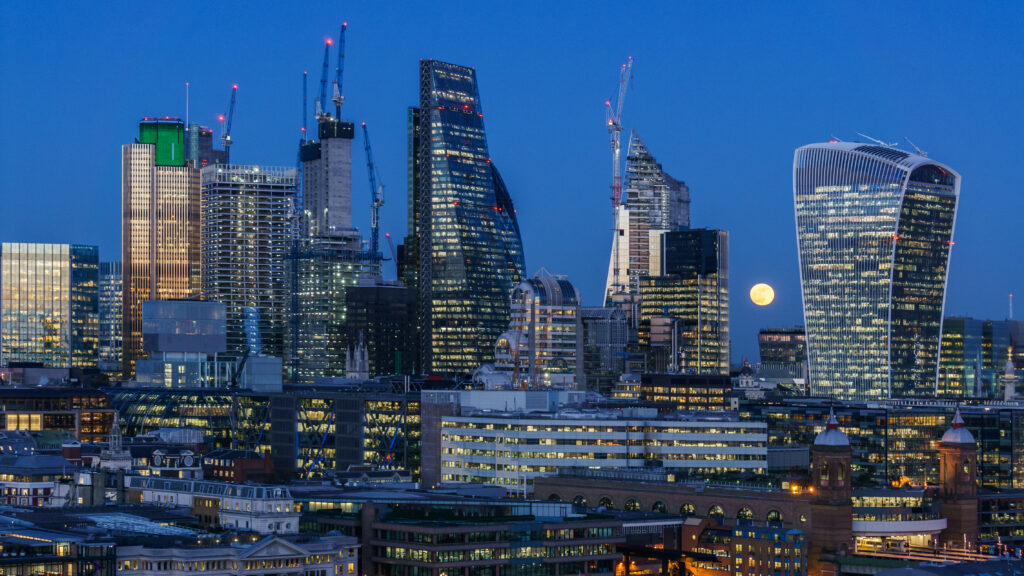
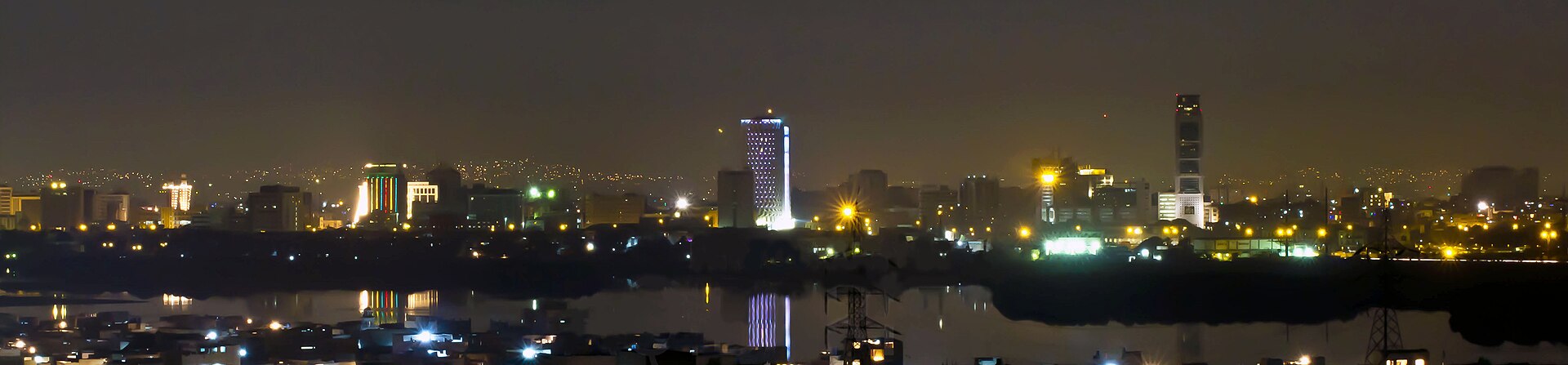
The Moon reached its exact full phase at 7:53pm Pakistan time on Tuesday, 24 November 2026. Crowds gathered at Karachi’s Frere Hall to watch it climb into the sky, and Reuters broadcast the moonrise live over Karachi. Social media filled with photographs of the glowing disc above rooftops, mosques and the city’s skyline.
What makes a supermoon special
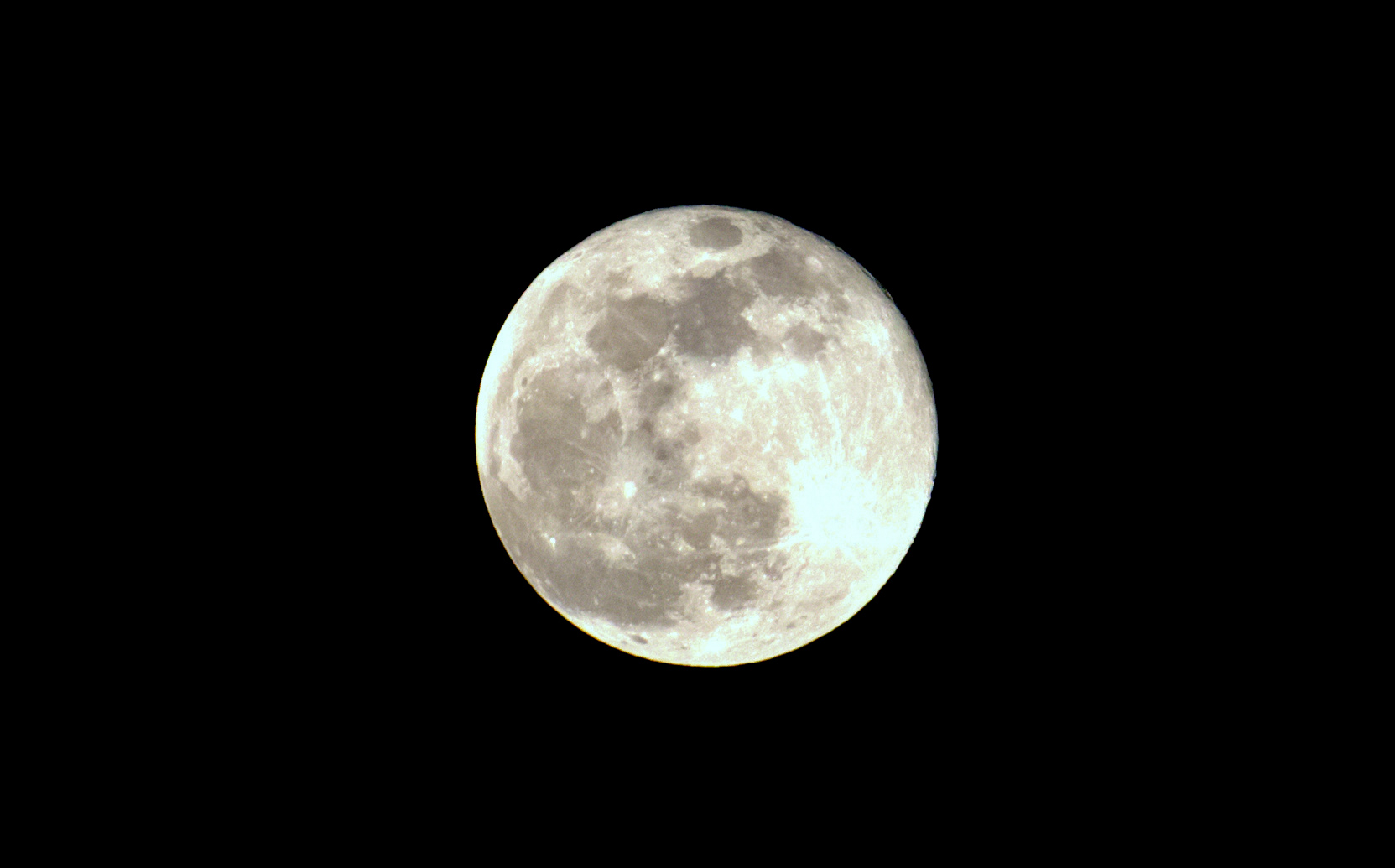
A supermoon happens when a full moon coincides with the Moon’s closest approach to Earth in its orbit, known as perigee. At that point the Moon looks slightly larger and noticeably brighter than usual. According to retired NASA scientist Fred Espenak, this week’s full moon is more than 13 per cent brighter than an average full moon, and over 26 per cent brighter than the small “micromoon” seen at the Moon’s farthest point in May.
November’s full moon carries the traditional name of the Beaver Moon, a name from North American folklore for the month when beavers prepare for winter. This year it also passed close to the Pleiades, the star cluster known as the Seven Sisters, giving skywatchers two sights in one part of the sky. For Hindus, Jains and Sikhs, the full moon also marks Kartik Purnima, a festival night.
How to watch it tonight in Pakistan
The good news for anyone who missed Tuesday evening is that the Moon does not switch off after its exact full moment. It appears almost completely illuminated on the evenings before and after, so tonight — Wednesday, 25 November — it will still look very nearly full. The best time to look is just after sunset, when the Moon rises in the east and the “moon illusion” makes it seem even larger near the horizon.
No telescope or special equipment is needed. Experts advise stepping away from bright city lights where possible and giving your eyes a few minutes to adjust to the dark. A clear sky is the only real requirement — and a rooftop or open ground with a view of the eastern horizon gives the best seat.
A big year for the Moon — and for Pakistan in space
This is the second supermoon of 2026. The first was the Wolf Moon on 3 January, when the year opened with a supermoon of its own. The next full moon, the Cold Moon on 23–24 December, is expected to be the largest and brightest full moon of the year, giving skywatchers one more date to mark on the calendar.
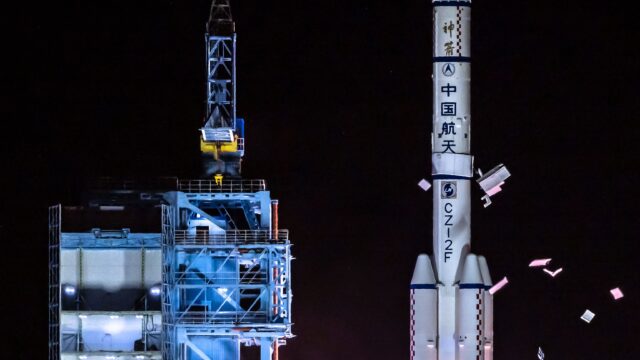
The supermoon arrives in a remarkable week for Pakistan in space. On Wednesday morning, Wing Commander Muhammad Zeeshan Ali became the first Pakistani to travel into orbit aboard China’s Shenzhou-24 mission, docking with the Tiangong space station. Between a Pakistani in orbit and a supermoon overhead, the country’s skies have rarely drawn so many eyes upward in the same week.
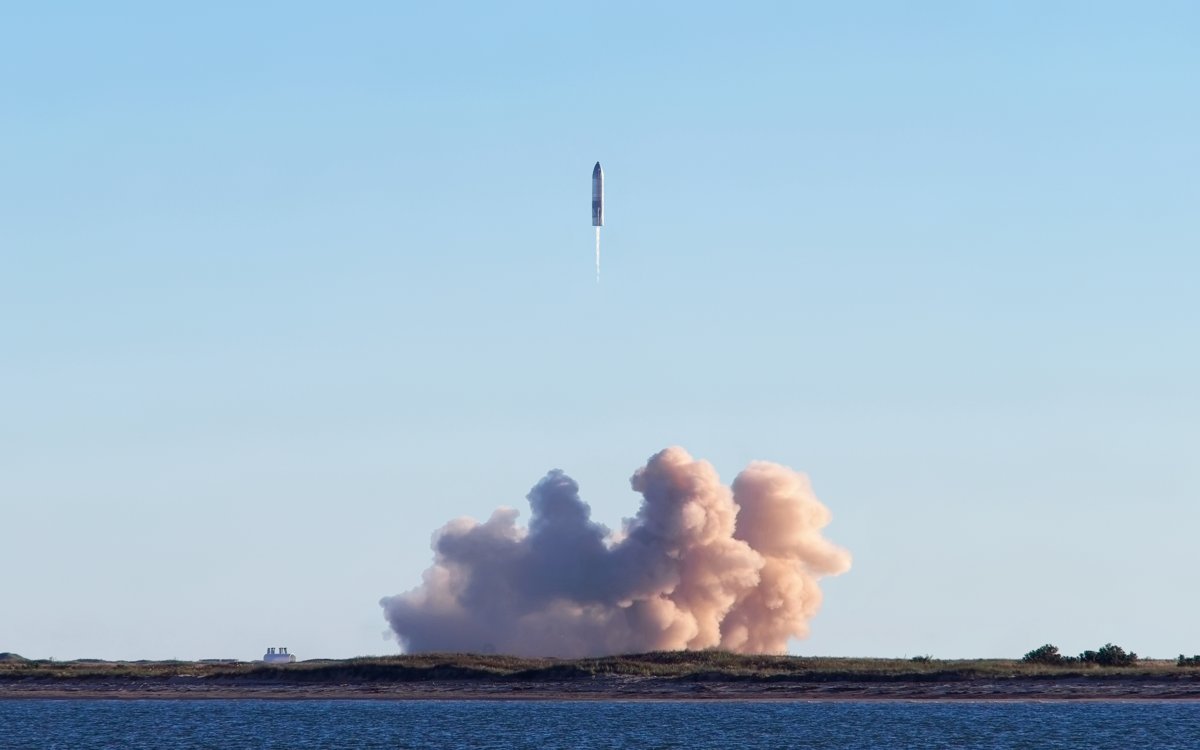
Earlier this month, the Taurid meteor shower gave skywatchers another reason to look up. For most people, though, the supermoon needs no science at all — just a glance upward after sunset. Tonight’s Moon will still be shining almost at its fullest, and it costs nothing to watch.
Related Posts
 TechnologyPunjab Women Safety App Adds Phone Shake SOS: Shake Your Phone to Alert Police
 TechnologyZeeshan Ali Lifts Off: Pakistan’s First Astronaut Reaches Orbit Aboard Shenzhou-24
 TechnologyMemory Shortage in Pakistan: 2027 Supply Sold Out as DDR4 Costs More Than DDR5
 TechnologyIs GTA 6 on PC? No PC Port Announced — Release Date Rumours, Leonida Shutdown and Fake Download Warning
 TechnologyPTA Proposes Solar Power for Telecom Towers in Pakistan — Operators Asked for One, Two and Three-Year Plans
 TechnologyPakistan Plans Mandatory Registration for Social Media Platforms — Naqvi Sets Four Red Lines
Most Popular
 How-ToPTA Tax Calculator 2026: Check Mobile Tax on Any Phone421 views
 Pakistan NewsPIA Boeing 787 Lease Deal: What It Means for the Airline397 views
 Canada JobsTech Jobs in Canada: Roles, Salaries, and Skills Needed395 views
 SportsUEFA Champions League 2026-27: Format, Teams and Schedule390 views
 TechnologyPM Shehbaz Sets November Deadline for Alibaba AI and Digitalisation Projects in Pakistan372 views
 ShowbizWomen’s Fashion in Pakistan 2026: Trends, Brands and Style Guide366 views