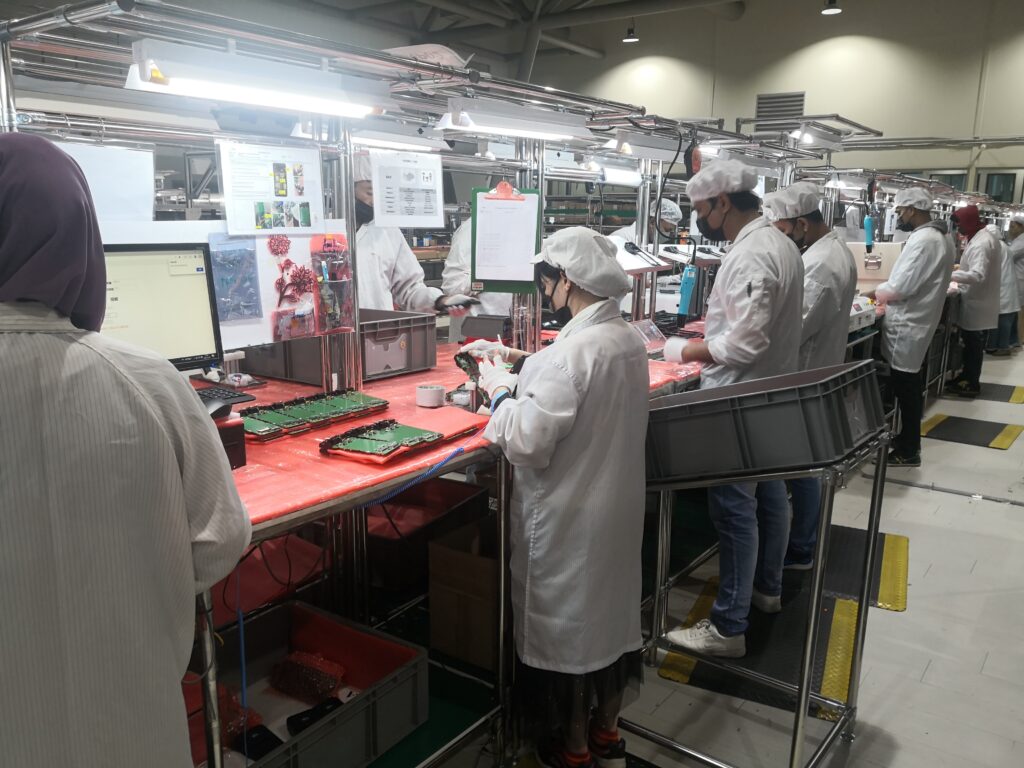
Pakistan $2.5 billion tech exports is the headline target of a new policy push that could change what “Made in Pakistan” means for the country’s phones, laptops and batteries. The Engineering Development Board (EDB) has said a new mobile manufacturing policy is being drafted, with fiscal incentives tied directly to how much of a device is actually made at home and how much is sold abroad.
The plan matters because Pakistan already assembles almost every phone it uses — but assembling is not manufacturing. The new framework is designed to close that gap, turning assembly plants into genuine factories that make components, create skilled jobs and earn export dollars.
From assembly to real manufacturing
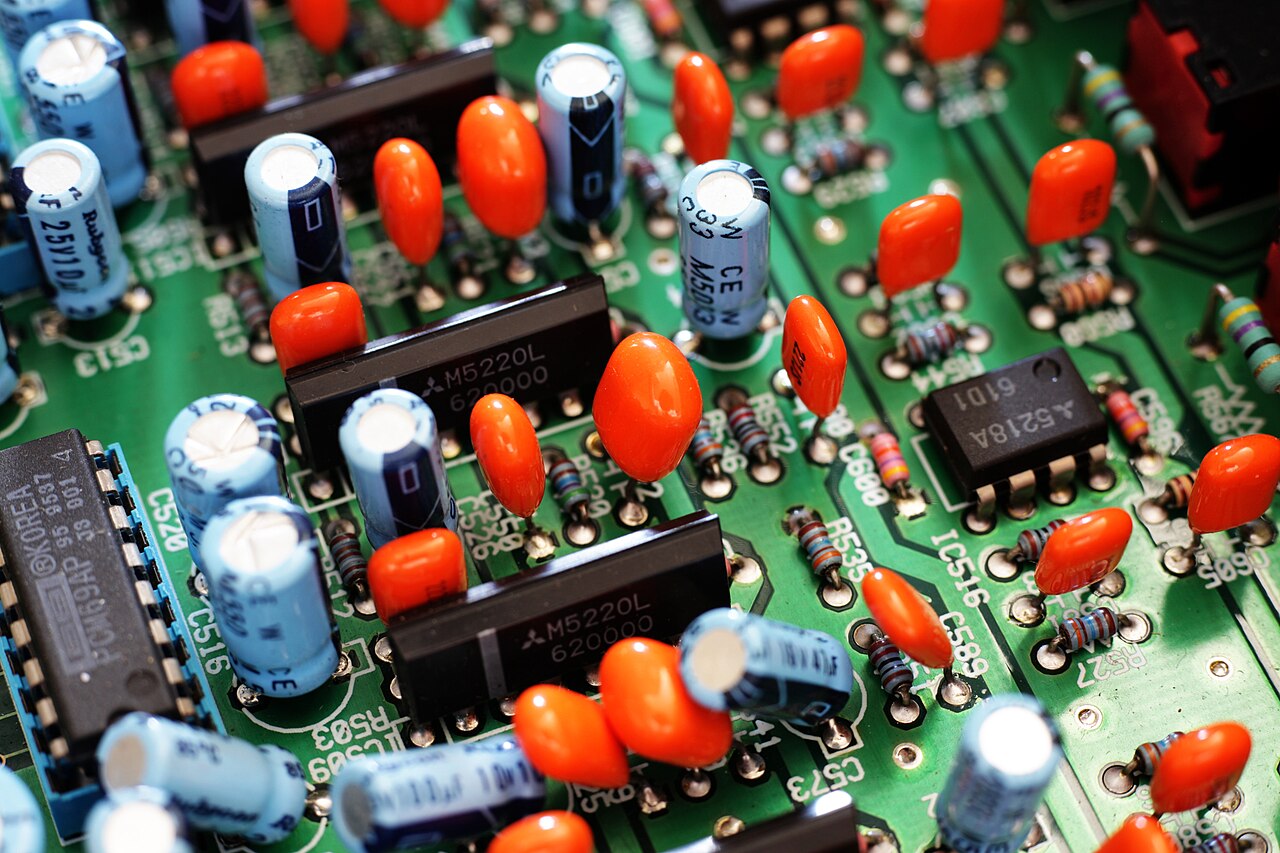
About 94 per cent of the mobile phones used in Pakistan are already assembled locally, with only the remainder imported, EDB Chief Executive Officer Hamad Ali Mansoor said in an interview reported on 23 November. That assembly base is the foundation the new policy wants to build on — by pushing companies to make more parts domestically instead of importing kits and screwing them together.
The previous Mobile Phone Manufacturing and Assembly Policy lapsed around three years ago, and a successor is now being drafted in consultation with manufacturers and assemblers, Mansoor said. The focus this time is not just on attracting assembly plants, but on building the industrial ecosystem around them: chargers, batteries, displays and circuit boards made in Pakistan.
It is a familiar challenge. Pakistan assembled 20.08 million mobile phones in the first nine months of 2026, and local brands have grown fast — VGO TEL became Pakistan’s top locally assembled brand with 3.5 million handsets assembled between January and October 2026. Yet the share of value actually added inside the country has stayed low, and most components still arrive in boxes from abroad.
What the new policy offers phone makers
The proposed policy will set annual targets and offer revenue-neutral fiscal incentives linked to localisation levels and export performance, according to the EDB chief. In plain terms, companies that make more parts locally and export more phones will get more support — partly offsetting the higher cost of producing in Pakistan compared with countries such as China and South Korea.
The incentives were calculated after talks with industry stakeholders and an assessment of the cost disadvantages Pakistani manufacturers face, Mansoor said. Nearly all major global mobile phone brands already assemble their products in Pakistan, and their input has fed into the policy’s design.
The government aims to generate close to $500 million in additional mobile phone exports within two years while raising localisation to 50 per cent. Locally made devices will also have to meet strict quality standards comparable to those in their countries of origin — a condition meant to make sure “Made in Pakistan” phones can compete abroad, not just at home.
The 2033 roadmap: 21.6 million phones, 75,000 jobs
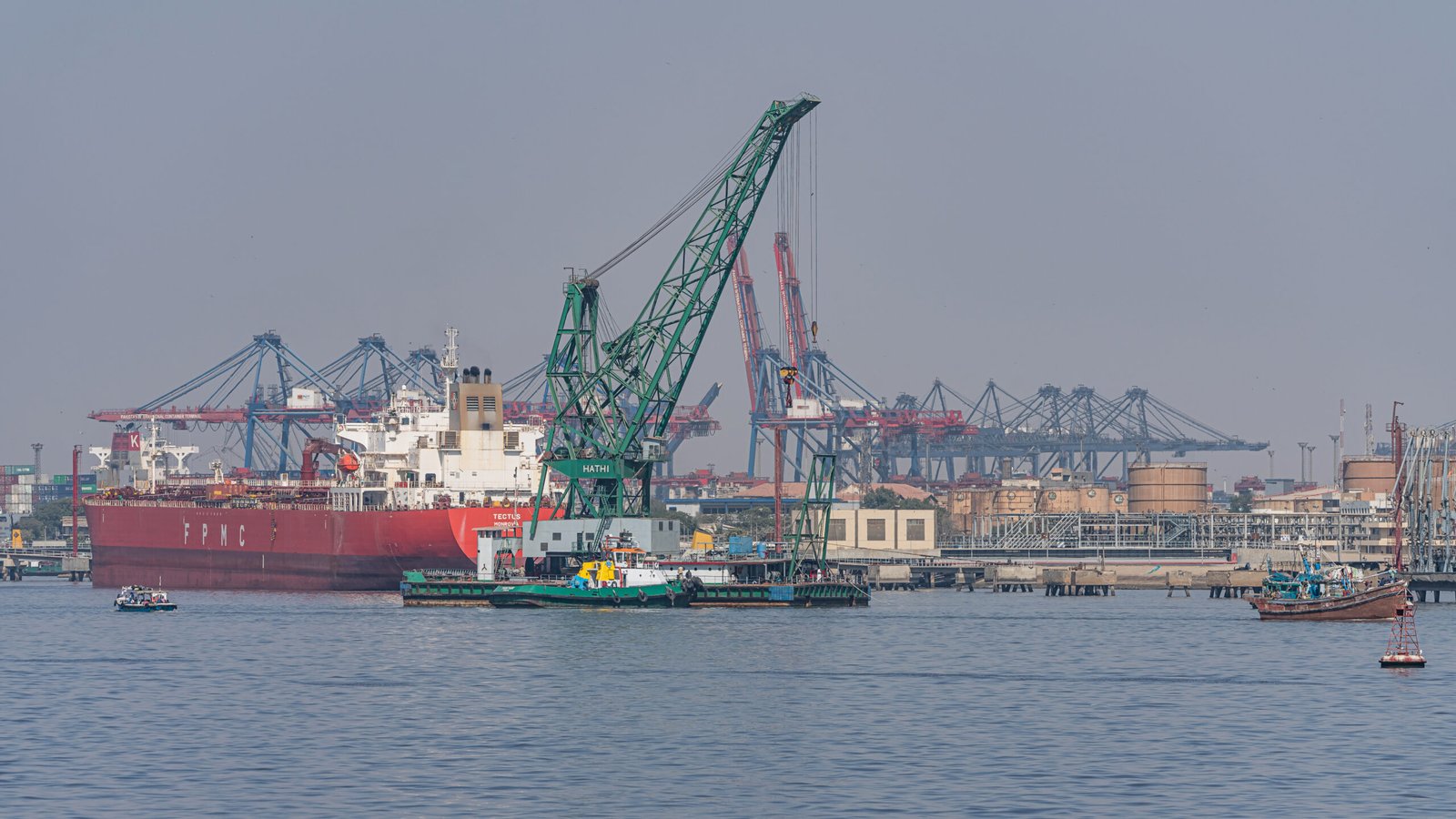
The $2.5 billion figure is not a one-year promise. Under the device and electronics manufacturing framework reported earlier this year, Pakistan has set a target of $2.5 billion in mobile and IT equipment exports by 2033, with cumulative exports projected at $2,528 million over seven years.
Official projections expect exports of 21.6 million mobile phones over the period: annual shipments starting at 0.16 million units in 2027, rising to 1.82 million in 2028 and reaching 5.25 million units by 2033. Export proceeds are estimated at $612.69 million in 2033 alone. Domestic value addition is targeted to reach 5.3 per cent by 2027, 23.5 per cent by 2030 and 50 per cent by 2033.
People are the other half of the plan. The framework targets a skilled workforce of 75,000 workers by 2033, backed by 10 model surface-mounted technology and component manufacturing plants. Packaging materials such as boxes, stickers and booklets must be localised by 1 July 2026, with chargers and accessories to follow. The message to manufacturers is clear: incentives will be withdrawn if localisation deadlines are missed.
Why the export target matters now

The timing is no accident. Pakistan’s IT exports hit a record $453 million in October, the highest ever monthly figure, and full-year IT exports touched a record $4.6 billion in FY2025-26, up 21 per cent. Technology is already the country’s fastest-growing export story — and phones are the most obvious next step, because the factories, the workforce and the domestic market already exist.
There are risks, and the EDB chief acknowledged them. Asked about the auto industry, which stayed stuck at assembly despite similar initiatives, Mansoor said Pakistan would not attempt to match China on manufacturing scale. Instead, the focus is on lifting local production through incentives tied to localisation and exports — a narrower, more realistic bet.
Whether the $2.5 billion target is reached will depend on execution: the policy must be approved, the incentives must actually arrive, and manufacturers must invest in component plants rather than taking the support and staying assemblers. But for the first time, the plan has numbers, deadlines and a named official behind it — and a domestic industry large enough to build on.
Related coverage: Pakistan Plans New Mobile Manufacturing Policy to Raise Local Parts to 50% | IT exports hit a record $453 million in October | VGO TEL became Pakistan’s top locally assembled brand
Sources: Engineering Development Board (edb.gov.pk); Ministry of Industries and Production (moip.gov.pk)
Related Posts
 TechnologySCICON 7.0: Sindh Urges 350+ Karachi Students to Prepare for an AI-Driven Future
 TechnologyNational CERT Warns WhatsApp Users: Update Now — Five Security Flaws Found
 TechnologyNCCIA Orders Daily Cybercrime Reports as Crackdown Continues — 78 Illegal Call Centres Shut, Rs240 Billion Betting Network Exposed
 TechnologyPunjab Domicile Certificate Goes Online: Three Channels, No Office Visit Needed
 TechnologySBP Solarization Savings Reach Up to $5.5 Billion in FY26TechnologyFBR Asset Declaration Portal: Officers Must Now Declare Social Media Accounts, Foreign Trips and Club Memberships
Most Popular
 How-ToPTA Tax Calculator 2026: Check Mobile Tax on Any Phone421 views
 Pakistan NewsPIA Boeing 787 Lease Deal: What It Means for the Airline396 views
 Canada JobsTech Jobs in Canada: Roles, Salaries, and Skills Needed394 views
 SportsUEFA Champions League 2026-27: Format, Teams and Schedule390 views
 TechnologyPM Shehbaz Sets November Deadline for Alibaba AI and Digitalisation Projects in Pakistan370 views
 ShowbizWomen’s Fashion in Pakistan 2026: Trends, Brands and Style Guide366 views