
The European Union has put a 3% digital tax on Big Tech back on the table. European Council President António Costa unveiled the proposal on Saturday, 21 November 2026, as part of a revised plan for the EU’s next seven-year budget — and it would land squarely on the world’s largest technology companies, including Google, Meta, Apple, Microsoft and Amazon.
The EU digital tax is designed to help pay for a budget that has become one of the hardest negotiations in Brussels in years. Costa’s draft trims about €180 billion from the European Commission’s original proposal, bringing the 2028–2034 budget down to roughly €1.58 trillion, while adding new sources of income so that member states do not have to cover the whole bill themselves. Leaders will debate the plan at a special summit in Brussels on 26–27 November, with Costa pushing for a final deal before the end of the year.
What the EU digital tax would cover
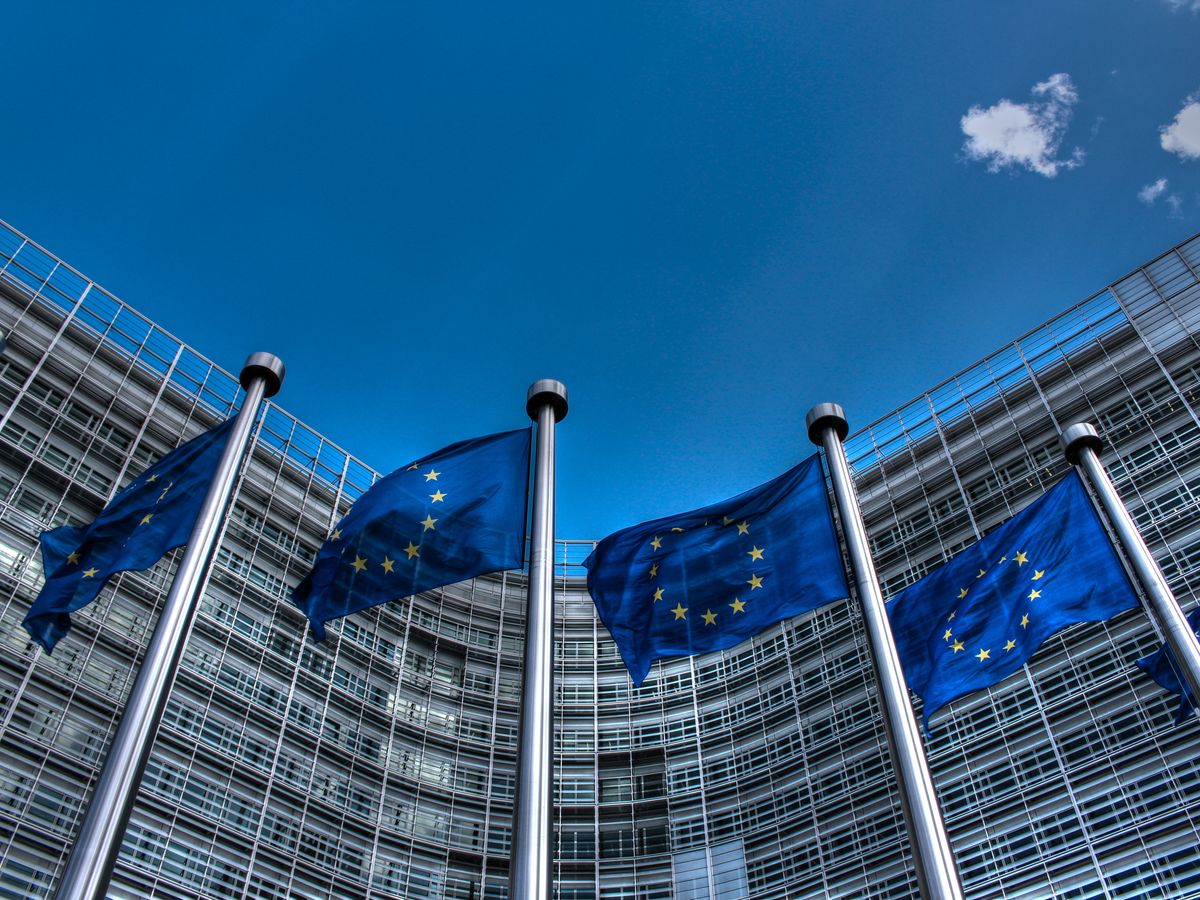
Under Costa’s proposal, the EU digital tax would be a 3% annual charge on net turnover from three kinds of revenue: online advertising, digital intermediation services — the fees platforms earn by connecting buyers and sellers — and the monetisation of user-generated data. It would apply only to large companies, with two thresholds: more than €50 million a year in digital turnover inside the EU, and more than €750 million in global turnover.
Those thresholds are deliberately set high. They are built to catch the biggest American platforms and very few others, even though the draft names no company at all.
Costa was careful to frame the levy as neutral. “This tax is not targeting a specific company as such or any country as such,” he said, adding that the aim is fair taxation and healthy competition for every business operating in the European market. The proposal revives an idea the European Commission first put forward in 2018, when EU governments failed to agree on it and the plan was quietly shelved.
Who would pay the EU digital tax — and how much it could raise
In practice, the EU digital tax would fall mostly on US-based digital giants. Google earns vast sums from search and YouTube advertising in Europe, Meta from Facebook and Instagram ads, Amazon from its marketplace, and Apple and Microsoft from their app stores, cloud services and advertising businesses. All five comfortably clear both thresholds. Google has also been pressing its own terms on users of its services, recently telling schools that opting out of AI means losing search too.
How much money the levy would raise is still an open question. The European Commission estimated in 2018 that a 3% tax along these lines would bring in about €5 billion a year, but eight years of growth in digital advertising and online commerce have passed since then, and the market is far larger now. Costa’s wider package of five new revenue sources — which also includes a levy on electronic waste, higher tobacco taxes and a share of emissions-trading revenues — is projected to raise tens of billions a year, with estimates ranging from about €32 billion to about €60 billion depending on the source.
The companies, meanwhile, may not simply absorb the cost. A large platform hit by the levy could pass some of it on to customers by raising advertising prices or marketplace commissions — which means European businesses that advertise online could end up sharing the bill.
A smaller budget, and who loses out
The EU digital tax is only one part of Costa’s “negobox” — the negotiating document he circulated to try to break the deadlock over the 2028–2034 budget, formally known as the Multiannual Financial Framework. His draft cuts the Commission’s original plan by about 10%, or roughly €204 billion, in an effort to win over member states that called the first proposal too heavy.
The deepest cuts fall on the European Competitiveness Fund, which was meant to help European industry compete with China and the United States, as well as on defence and external spending. Farm subsidies and cohesion funds for poorer regions, which have traditionally swallowed about two-thirds of EU spending, are largely shielded.
National contributions would rise only slightly under the plan, from 0.80% to 0.82% of gross national income — one of the main selling points for governments that want the budget agreed without a bigger bill for their own taxpayers.
Ireland says no — and Trump is watching
Not every member state is on board. Ireland has already said it does not support the EU digital tax. Taoiseach Micheál Martin argued that global taxation has to be done globally, and warned that a unilateral EU move could deter investment. Ireland hosts the European headquarters of several major US technology companies, including Google, Meta and Apple, and has the most to lose if those firms rethink their presence.
The bigger risk may be across the Atlantic. The proposal would tax mostly American companies, and US President Donald Trump has spoken out against such levies and reacted angrily to EU fines and rules imposed on Big Tech in recent years. Several EU governments have long been wary of provoking Washington, and the tax could become a flashpoint in EU–US relations if it survives the negotiations.
That tension is not new. Regulators in Brussels have spent years fining and investigating the same companies — Meta, for example, was recently ordered to pay $25 billion over the Cambridge Analytica privacy case — but a standing tax on their European revenues would be a far bigger and more permanent step than a one-off fine.
What happens next
EU leaders will take up Costa’s proposals at the special summit on 26–27 November, where hours of contentious debate are expected. Costa wants the budget package agreed in December, before negotiations slide into 2027 — an election year in France, Italy, Poland, Greece, Estonia, Finland and Slovakia, when eurosceptic gains could make any deal harder.
Even if leaders agree in principle, the EU digital tax is not imminent. Under the draft, member states would agree the collection rules during 2027, and revenue would only start flowing into the EU budget from 1 January of the year after those rules begin to apply. National governments and the European Parliament can still reshape or stall the levy, and the Parliament has already pushed for even broader taxes, including on cryptocurrency and online gambling.
For now, the proposal has done what Costa intended: it has given the budget talks a new centre of gravity. Whether the 3% levy survives the summit — and whether the world’s biggest tech companies end up paying for a share of Europe’s budget — will be decided in Brussels over the coming weeks.
Related Posts
 TechnologyPunjab Brings Facial Recognition to Board Exam Marking as Answer Sheets Go Digital
 TechnologyPakistan Makes PTA Approval and Interior NOC Compulsory for Camera Smart Glasses Imports
 TechnologyPSW and Alibaba.com Launch Trade Data Check for Pakistani Exporters
 TechnologyCodeNinja and Paranine Launch Sovereign AI Operating Systems in Pakistan
 Technology“123456” Still the World’s Most Common Password in 2026, NordPass Report Finds
 TechnologyPlay GTA 6 and Earn $135,000: Kalshi Is Hiring a “GTA 6 Researcher” to Study Leonida’s Economy
Most Popular
 How-ToPTA Tax Calculator 2026: Check Mobile Tax on Any Phone421 views
 Pakistan NewsPIA Boeing 787 Lease Deal: What It Means for the Airline396 views
 Canada JobsTech Jobs in Canada: Roles, Salaries, and Skills Needed393 views
 SportsUEFA Champions League 2026-27: Format, Teams and Schedule390 views
 TechnologyPM Shehbaz Sets November Deadline for Alibaba AI and Digitalisation Projects in Pakistan370 views
 ShowbizWomen’s Fashion in Pakistan 2026: Trends, Brands and Style Guide366 views