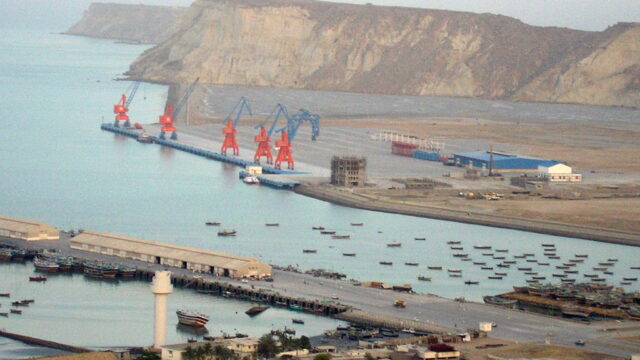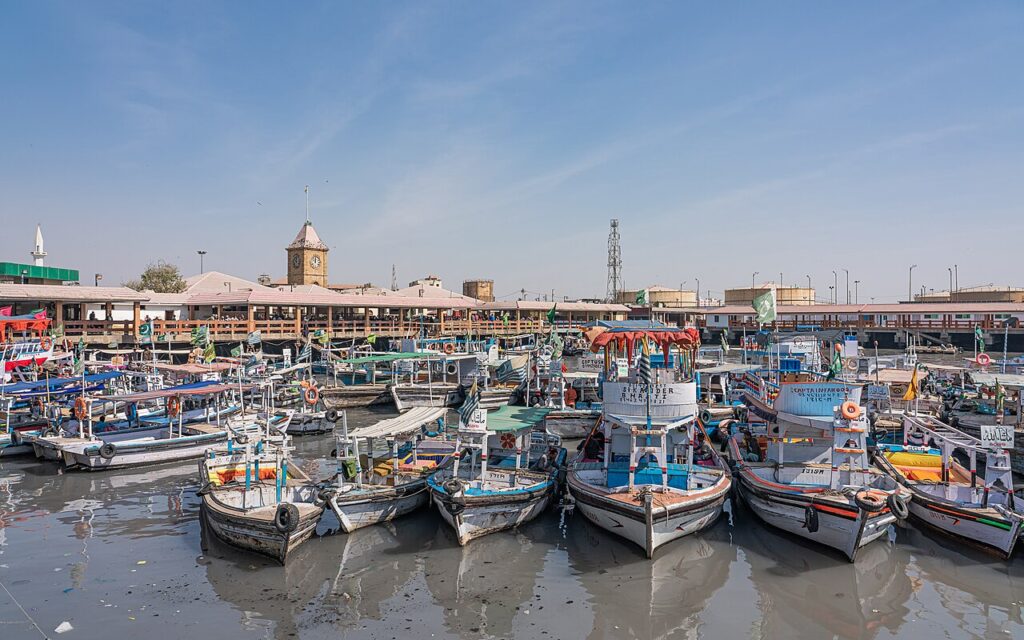
Pakistan’s seafood exports have reached a record $568 million, and the federal maritime affairs minister says the sector must now be modernised so fishing communities — not just exporters — share in the gain. Minister for Maritime Affairs Muhammad Junaid Anwar Chaudhry made the call in his message on World Fisheries Day 2026, observed on 21 November, setting out a plan to turn fisheries into a higher-value export industry built on decent jobs, better livelihoods and the sustainable use of marine resources.
A record $568 million year for Pakistan seafood exports
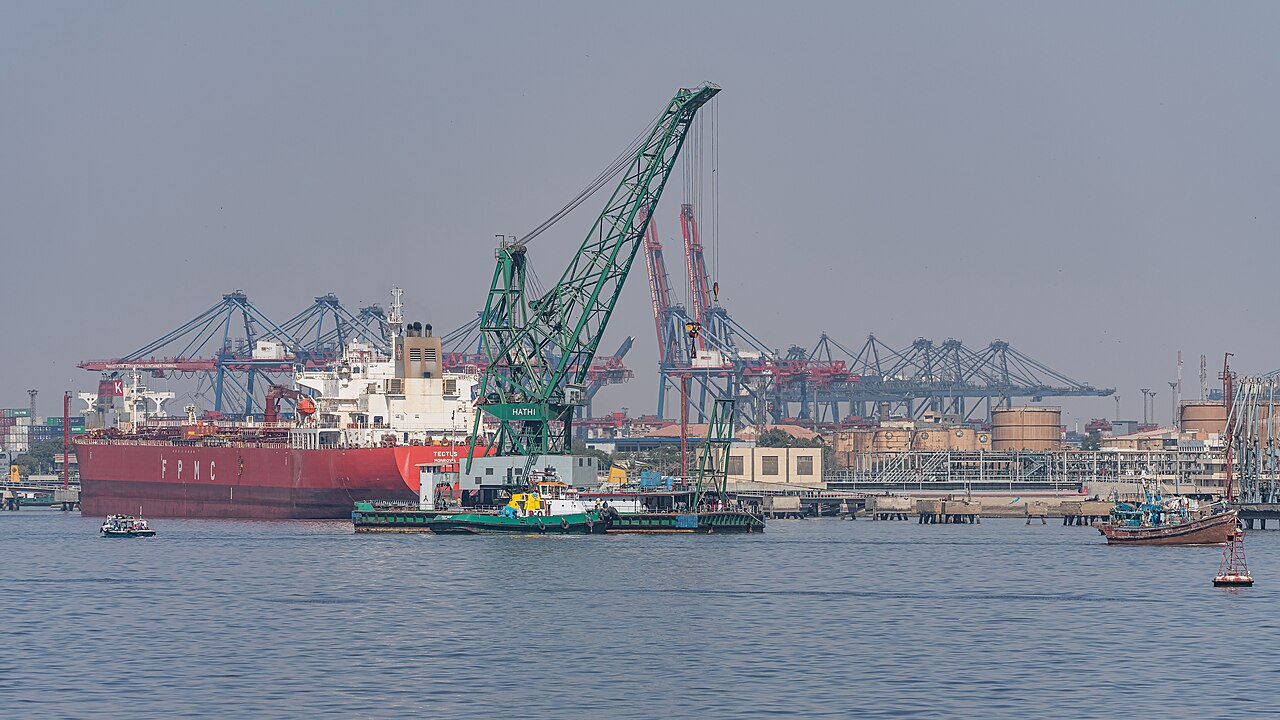
Pakistan seafood exports reached $568 million in FY2025-26, crossing the $500 million mark for the first time and beating the government’s $500 million target. Frozen fish led the export basket at $105.09 million, followed by frozen squid and cuttlefish at $103.71 million and fish meal at $83.12 million. Shrimp earned $62.14 million and crabs $36.89 million. The momentum has carried into the current financial year: seafood exports reached $125.4 million in the first quarter of FY2026-27, up 74.4 per cent on the same period a year earlier. The minister said the figures show the sector’s importance as a source of foreign exchange, employment and economic opportunity for coastal and inland fishing communities.
What the minister wants changed
Chaudhry said higher production and export earnings alone will not unlock the sector’s full potential. Fish production reached 642,180 tonnes during July–March FY2025-26, including 427,180 tonnes from marine fisheries and 215,000 tonnes from inland waters — but he stressed that without modernising fishing practices, improving infrastructure, strengthening regulatory oversight and increasing value addition, much of that catch will keep leaving Pakistan as low-value raw material. The goal, he said, is a fisheries sector that sells finished, high-quality products abroad rather than raw catch at commodity prices.
Cold storage and quality: where the value is lost

A large part of the plan is the unglamorous middle of the chain: what happens between the boat and the buyer. The minister called for strengthening the entire seafood value chain, from responsible harvesting and onboard handling to cold storage, transportation, processing, packaging and international marketing, so that less of the catch is lost after harvest and more of it reaches buyers in export-grade condition. Compliance with international food safety, traceability and sustainability standards is essential, he added, to diversify export destinations and secure access to high-value international markets that pay more for certified, traceable seafood.
Decent work for youth and women

This year’s World Fisheries Day theme is “Empowering People for Change: Advancing Decent Work in Fisheries and Aquaculture, Particularly for Youth and Women” — and the minister put fishing communities at the centre of Pakistan’s Blue Economy ambitions. He called for better working conditions, occupational safety, technical training and access to modern fishing technologies, alongside more opportunities for women and young people in seafood processing, aquaculture, marketing, entrepreneurship and other fisheries-related businesses. The sector, he said, must become a source of decent work — not just export earnings — for the communities whose livelihoods depend on the country’s marine and inland waters.
What happens next for the Blue Economy
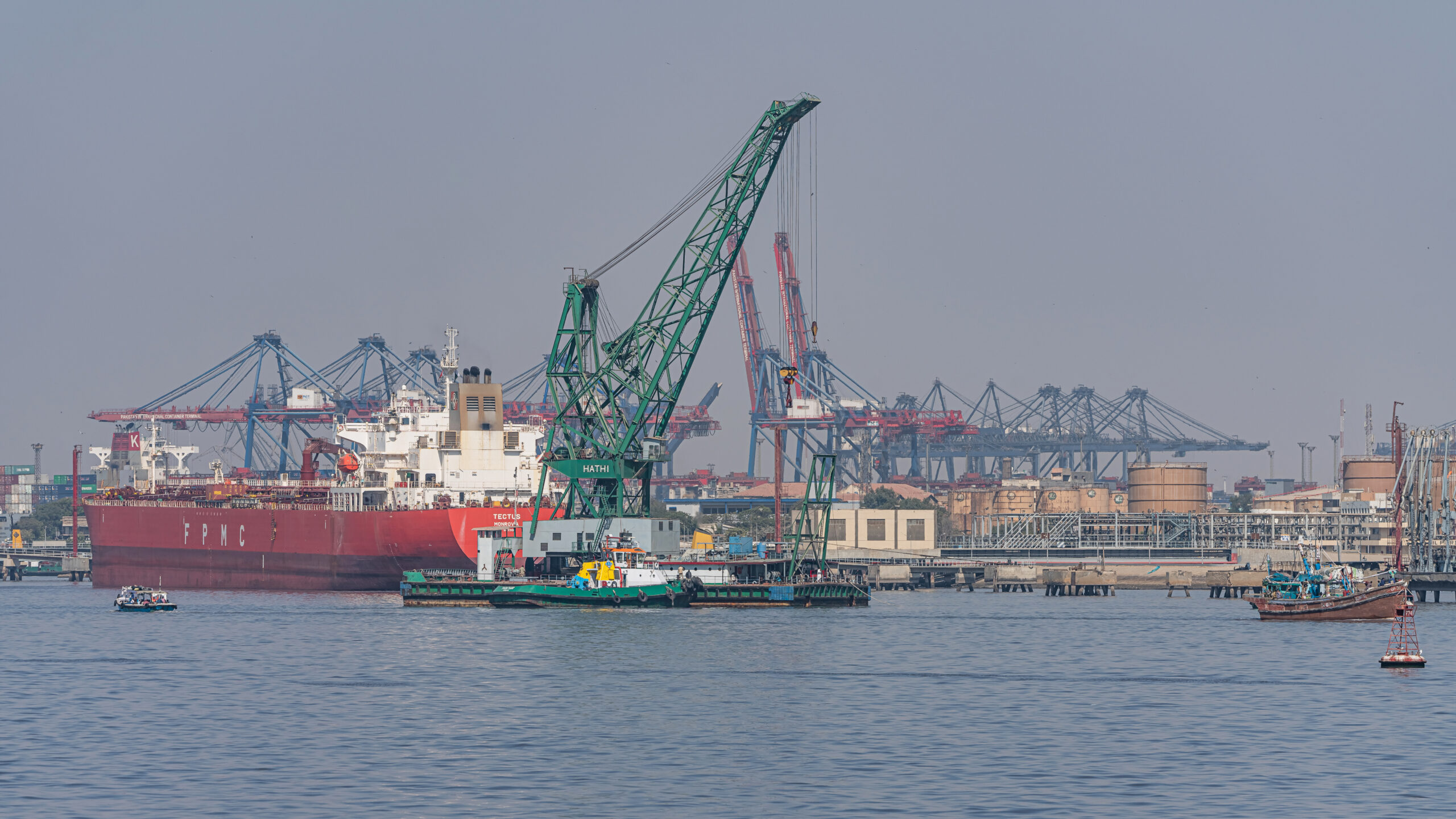
The minister also called for science-based fisheries management, reliable resource assessments, responsible fishing practices and stronger monitoring to prevent overexploitation and protect marine biodiversity. He linked the sector to Sustainable Development Goal 14 (Life Below Water), as well as food security, decent work, responsible production and climate resilience under SDGs 2, 8, 12 and 13. He reaffirmed the Marine Fisheries Department’s commitment to working with provincial governments, research institutions, academia, development partners, exporters and fishing communities to improve seafood quality, promote sustainable use of resources and strengthen Pakistan’s position in international seafood markets. A stronger fisheries sector, he said, will not only enhance Pakistan’s Blue Economy but also create better economic prospects for the communities that depend on its waters.
Sources: The News (APP), PKRevenue, Daily Ittehad.
Related Posts
 BusinessPSO Signs Oman Fuel Supply Deal as OQ Trading Extends $200 Million Credit Line
 BusinessIran–Pakistan Free Trade Deal Nears Final Stage as Bilateral Trade Hits $6 Billion
 BusinessKSE-100 Could Reach 220,000 by December 2027 as Two Brokerages Call the Next Big Rally
 BusinessGold Price in Pakistan Keeps Falling — Karachi Bars Run Short as Dealers Charge Up to Rs30,000 PremiumBusinessOGRA Cuts Jet Fuel, Kerosene and Light Diesel Prices — Kerosene Down Rs10.42 a Litre
 BusinessPakistan and Russia to Hold Direct Payment Talks in Moscow on 23–24 November
Most Popular
 How-ToPTA Tax Calculator 2026: Check Mobile Tax on Any Phone421 views
 Pakistan NewsPIA Boeing 787 Lease Deal: What It Means for the Airline396 views
 Canada JobsTech Jobs in Canada: Roles, Salaries, and Skills Needed393 views
 SportsUEFA Champions League 2026-27: Format, Teams and Schedule390 views
 TechnologyPM Shehbaz Sets November Deadline for Alibaba AI and Digitalisation Projects in Pakistan370 views
 ShowbizWomen’s Fashion in Pakistan 2026: Trends, Brands and Style Guide366 views