
Camera-enabled smart glasses can now be imported into Pakistan only after clearing two government approvals, under a new notification that turns the cabinet’s earlier decision into a formal rule. Smart glasses import Pakistan is now a regulated process: the Ministry of Commerce issued SRO 2137(I)/2026 on 18 November 2026, amending the Import Policy Order 2022, with the conditions effective from that date.
The order means no importer can bring camera-equipped glasses into the country through an ordinary commercial or personal channel. Every shipment must first secure type approval and a Certificate of Conformity from the Pakistan Telecommunication Authority (PTA), and that certificate itself depends on a No Objection Certificate (NOC) from the Interior and Narcotics Control Division.
What the new rule requires
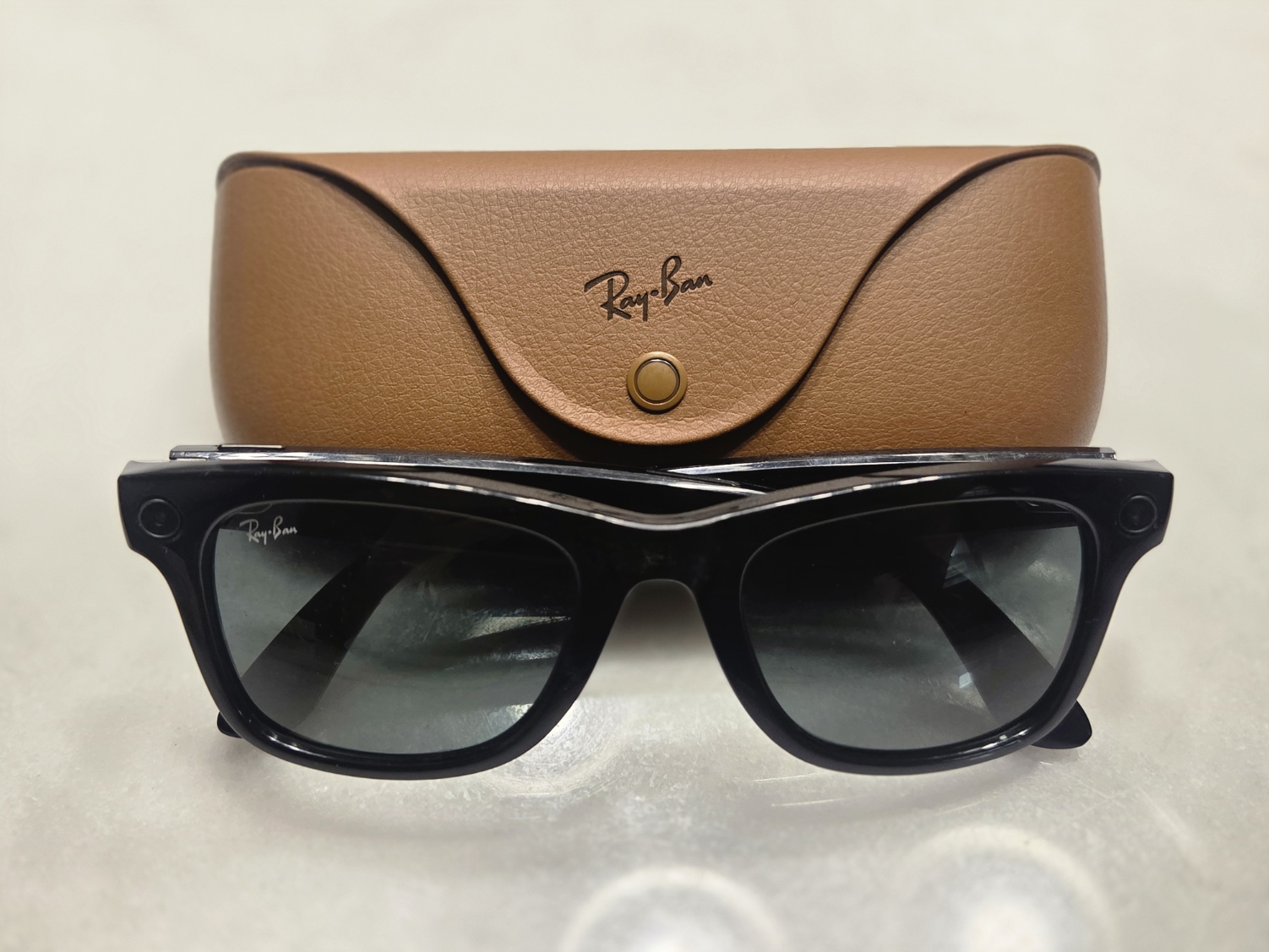
The amendment inserts a new entry, Serial No. 39, in Part-II of Appendix-B of the Import Policy Order. It names three Pakistan Customs Tariff codes — 8517.62, 8525.89 and 9004.90 — covering communication apparatus, camera-related equipment, and spectacles and similar optical goods: three codes that reflect the device’s hybrid nature, combining wireless connectivity, a built-in camera and eyewear in one product.
Under the new entry, camera-enabled smart glasses are importable only with PTA type approval and a Certificate of Conformity — the same approval that already applies to many wireless devices. The government has added a second layer: the Certificate of Conformity will itself be subject to an NOC from the Interior and Narcotics Control Division, so security clearance becomes an additional requirement for every importer.
The notification was issued under Section 3(1) of the Imports and Exports (Control) Act, 1950. The Ministry of Commerce has also clarified that the new provision does not override or restrict any existing provisions relating to the same tariff headings elsewhere in the Import Policy Order — so the conditions apply specifically to camera-enabled smart glasses, not to every product that falls under those codes.
Why the government acted
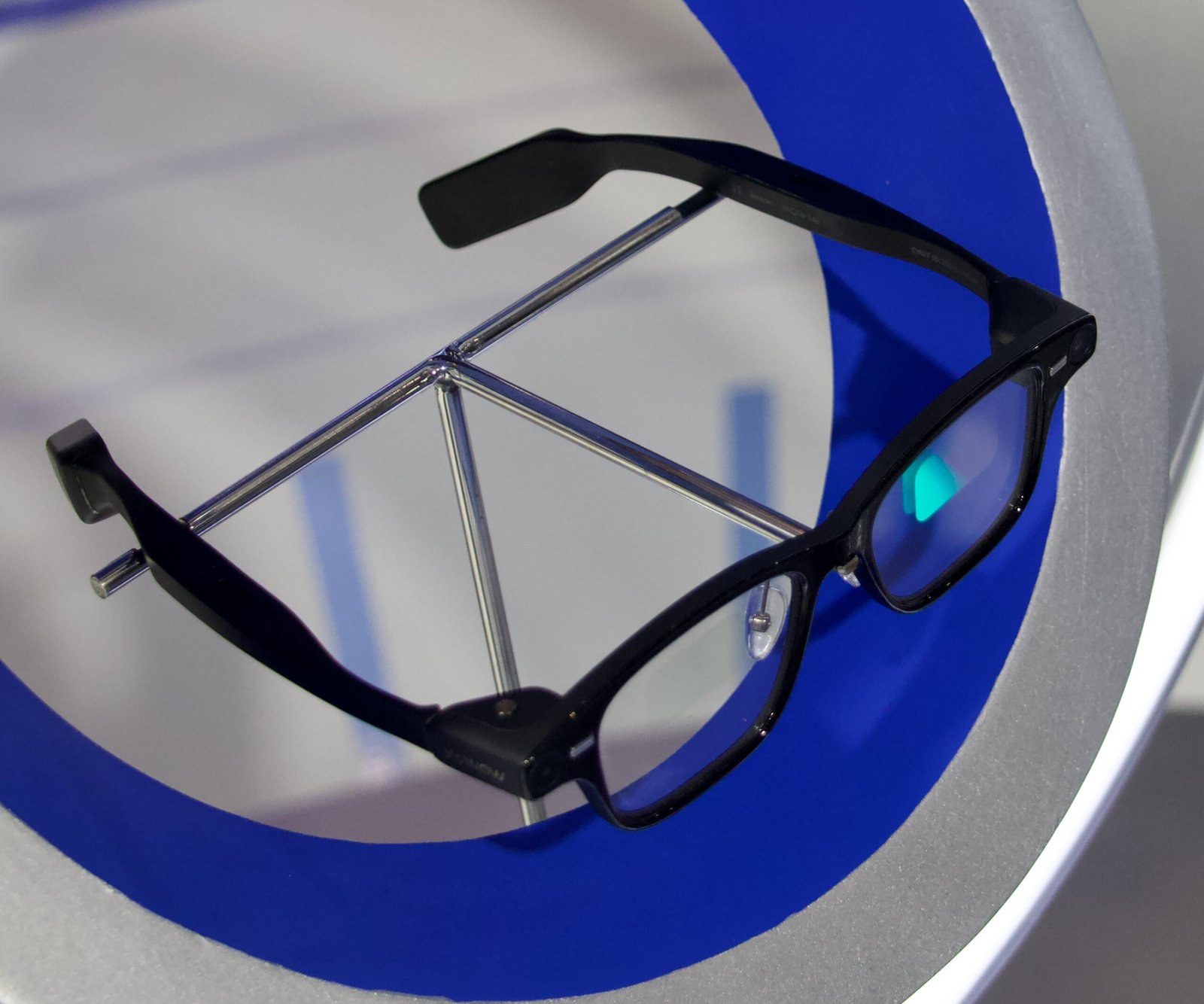
Smart glasses look like ordinary spectacles, but the camera and microphone built into the frame can photograph, record video and live-stream whatever the wearer is looking at — often without anyone nearby realising they are being filmed. That discreet design is what worries regulators, who cite the risk of secret recording in workplaces and meetings.
The move follows weeks of official action. The federal cabinet’s Economic Coordination Committee (ECC), chaired by Finance Minister Muhammad Aurangzeb, approved import curbs on 4 November 2026, on a Commerce Division proposal. At the same meeting, it recommended that the provinces and Islamabad draw up workplace rules for using such devices.
A court petition seeking regulation of the import, sale and use of these glasses has also been running. At a hearing on 18 November 2026 — the same day the SRO was issued — the federal government told the court the cabinet had approved proposals on restricting the devices.
Read more: Pakistan Restricts Import of Camera Smart Glasses After ECC Decision.
What it means for buyers and importers

For buyers, the key point is what the order does not do: it is not a ban on owning or wearing smart glasses, and it says nothing about confiscating devices already in the country. The conditions apply to imports only.
Even so, the practical effect is real. Importers must now check which of their products fall under the three listed tariff codes and begin the approval process before new shipments arrive — a process likely to add time and cost to getting these devices into the local market. With no official local market for the best-known models, every unit in Pakistan until now has arrived through grey channels; those channels must now pass through the PTA and the Interior Division first.
Buyers should therefore expect slower availability and possibly higher prices while importers work through the new approvals.
The Punjab ban and the court case

Punjab moved first. On 20 October 2026, its Home Department imposed a 30-day order banning the wearing, use and sale of camera glasses that can record secretly, along with tiny cameras disguised as pens, keychains and other everyday objects. Phones, laptops, tablets and authorised law enforcement were exempt. The Home Department has since extended the ban for another 30 days, Dawn reported on 21 November 2026.
Read more: Punjab Smart Glasses Ban Extended for 30 Days.
What happens next
Importers now face a concrete process: PTA type approval, a Certificate of Conformity, and an Interior Division NOC. What is not yet public is how long each step will take, what documents the PTA will ask for, or what fees will apply — details that will only emerge as the first applications move through the system.
The workplace rules the ECC asked the provinces and Islamabad to draft have also not yet been published. Until they appear, employers have no official guidance on camera-equipped glasses in offices.
For now, the message for the market is simple: camera smart glasses are still importable, but only through the front door — with the telecom regulator’s approval and the Interior Division’s clearance in hand.
Sources: Business Recorder, TechProlonged, CW Pakistan, VR.org, Dawn.
Related Posts
 TechnologyPSW and Alibaba.com Launch Trade Data Check for Pakistani Exporters
 TechnologyCodeNinja and Paranine Launch Sovereign AI Operating Systems in Pakistan
 Technology“123456” Still the World’s Most Common Password in 2026, NordPass Report Finds
 TechnologyPlay GTA 6 and Earn $135,000: Kalshi Is Hiring a “GTA 6 Researcher” to Study Leonida’s Economy
 TechnologyParis Hilton and AOC Urge US House to Pass DEFIANCE Act on Deepfakes
 TechnologyWhatsApp Usernames Are Finally Rolling Out — Chat Without Sharing Your Phone Number
Most Popular
 How-ToPTA Tax Calculator 2026: Check Mobile Tax on Any Phone421 views
 Pakistan NewsPIA Boeing 787 Lease Deal: What It Means for the Airline396 views
 Canada JobsTech Jobs in Canada: Roles, Salaries, and Skills Needed393 views
 SportsUEFA Champions League 2026-27: Format, Teams and Schedule390 views
 TechnologyPM Shehbaz Sets November Deadline for Alibaba AI and Digitalisation Projects in Pakistan370 views
 ShowbizWomen’s Fashion in Pakistan 2026: Trends, Brands and Style Guide366 views