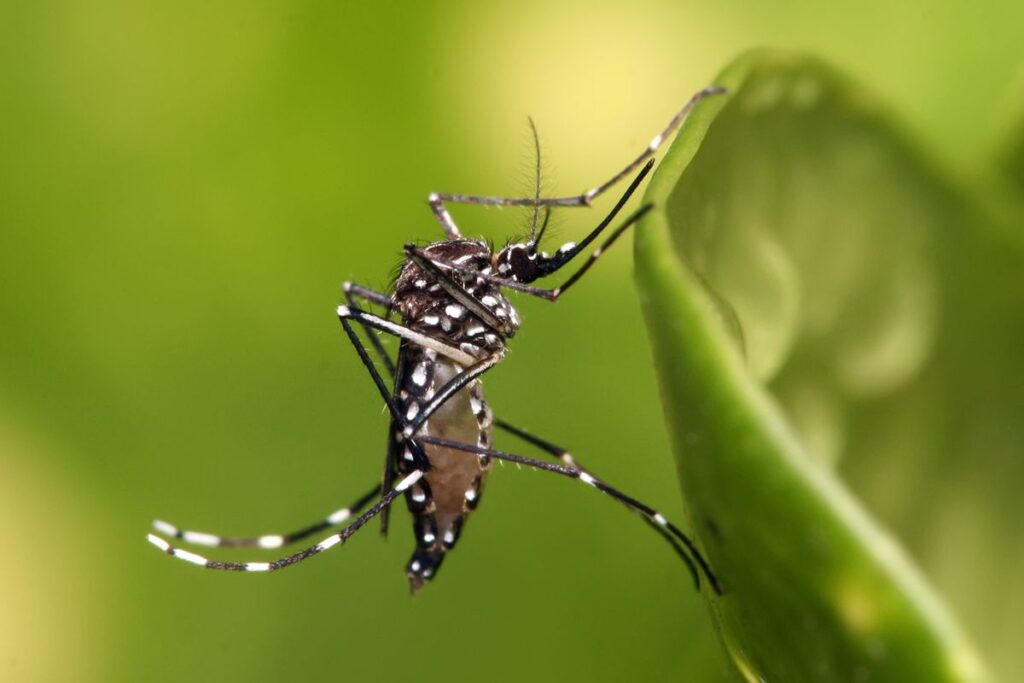
A four-year trial in Brazil has produced one of the most striking results yet in the fight against dengue: neighbourhoods filled with specially bred mosquitoes saw dengue and chikungunya infections in children fall by about 69 per cent. The findings were presented on Saturday 21 November 2026 at the annual meeting of the American Society of Tropical Medicine and Hygiene, and they suggest that fighting mosquitoes with mosquitoes could become a real alternative to relying on sprays alone.
The result matters far beyond Brazil. Dengue is a recurring threat in Pakistan, where cases surge after the monsoon rains and health authorities issue fresh warnings every season. The new evidence does not mean the method is coming to Pakistan — no such programme has been announced here — but it shows a tool that works at the scale of whole neighbourhoods, and it is already being watched around the world.
A four-year test in one of the world’s dengue hot spots

The trial, known as EVITA Dengue, ran for four years in Belo Horizonte, a city in south-east Brazil where dengue circulates heavily. Researchers enrolled more than 5,700 children aged between six and eleven, spread across 58 school catchment areas. Each area was randomly assigned to one of two groups: half received releases of Wolbachia-carrying mosquitoes on top of the usual mosquito control, while the other half received the usual control only.
Every neighbourhood in the study got the same pesticide spraying and other standard mosquito-control measures, so the trial measured what the special mosquitoes added on top of what is already done. Rather than counting only diagnosed cases, the team tested the children’s blood for signs of dengue, chikungunya or Zika infection — catching mild infections that never reach a clinic.
The result was clear. In neighbourhoods where the Wolbachia mosquitoes had become established, children had about 69 per cent fewer dengue and chikungunya infections than children in comparable neighbourhoods without them. The protective effect held even during Brazil’s severe dengue outbreak in 2024. Dr Sri Edupuganti of Emory University, part of the international research team, described the evidence as strong.
How a bacterium turns a mosquito into an ally
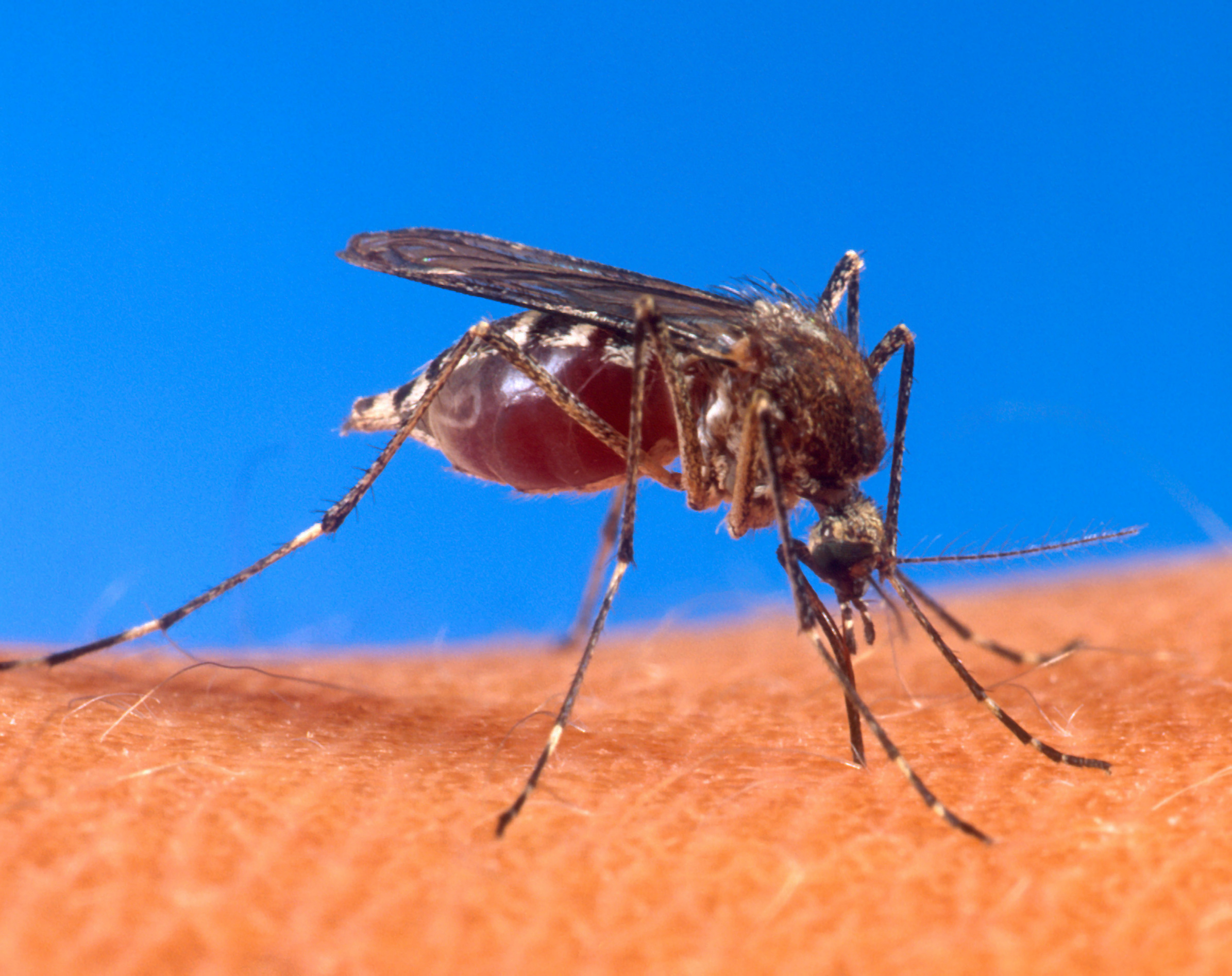
The method relies on a bacterium called Wolbachia. It is harmless to people and common in many insects — but it does not occur naturally in Aedes aegypti, the mosquito that spreads dengue, chikungunya and Zika. When scientists breed Aedes aegypti to carry Wolbachia, the bacterium sharply reduces the insect’s ability to pass those viruses on to people.
The clever part is that the protection spreads by itself. Female mosquitoes pass Wolbachia to their offspring, so releasing enough specially bred males and females into an area lets the bacterium gradually become established in the local mosquito population. The non-profit World Mosquito Program pioneered the approach, and earlier city-wide releases in Niteroi, Brazil, were linked to 89 per cent lower notified dengue incidence compared with the decade before — although that result was observational, comparing time periods rather than randomised neighbourhoods.
What the results do — and do not — prove

The new findings come with honest caveats. They were presented at a conference and have not yet been peer-reviewed or published in a journal, so independent experts have not yet had their full say. The trial covered a single city, and Belo Horizonte’s climate, housing and mosquito ecology may differ from other places. Too few Zika cases occurred during the study to judge the method’s effect on that virus, and the headline 69 per cent figure is a combined result for dengue and chikungunya together.
Even with those limits, the trial is stronger than earlier evidence. Randomising whole neighbourhoods, testing blood rather than counting clinic visits, and holding the effect through a severe outbreak year all point the same way: Wolbachia mosquitoes cut infections substantially, on top of existing control measures.
Why it matters for Pakistan

For Pakistan, the lesson is about what is possible, not what is planned. Dengue returns here every year, and the Pakistan Meteorological Department’s November 2026 outlook carried a fresh dengue warning alongside its rain forecast. Control still depends largely on spraying, removing standing water and avoiding bites — measures that are hard to sustain across whole cities.
The Brazil trial shows there is another option: a biological method that works with the mosquito population rather than against it, and keeps working once it is established. No Wolbachia programme has been announced for Pakistan, and any future use here would need its own local trials, approvals and community agreement. But as dengue keeps finding new ground, the idea of mosquitoes that fight dengue has moved from a laboratory curiosity to a result backed by a four-year randomised trial — and that is a development worth watching.
Related Posts
 World NewsIran Strikes US Bases in Bahrain: Missiles and Drones Target Al-Riffa and Awali as Civilian Facility Burns
 World NewsPortuguese Foreign Minister Paulo Rangel Begins Two-Day Pakistan Visit as Countries Mark 77 Years of Diplomatic Ties
 World NewsBritish-Pakistani Entrepreneur Nasir Younas Receives Freedom of the City of London
 World NewsFiona the Hippo Dies at Nine After Swallowing a Visitor’s Hat at Cincinnati Zoo
 World NewsVan Gogh Painting Sells for Record $190.4 Million After Nazi-Era Dispute Settled
 World NewsPakistan to Become the World’s Largest Muslim Country by 2070, Pew Projects — 461 Million People
Most Popular
 How-ToPTA Tax Calculator 2026: Check Mobile Tax on Any Phone421 views
 Pakistan NewsPIA Boeing 787 Lease Deal: What It Means for the Airline396 views
 Canada JobsTech Jobs in Canada: Roles, Salaries, and Skills Needed393 views
 SportsUEFA Champions League 2026-27: Format, Teams and Schedule390 views
 TechnologyPM Shehbaz Sets November Deadline for Alibaba AI and Digitalisation Projects in Pakistan370 views
 ShowbizWomen’s Fashion in Pakistan 2026: Trends, Brands and Style Guide366 views