Pakistan and Russia will hold high-level talks in Moscow on 23 and 24 November to agree a direct payment mechanism for bilateral trade, removing the banking bottleneck that has held back commerce between the two countries for years.
Prime Minister Shehbaz Sharif chaired a preparatory meeting in Islamabad ahead of the talks, which reviewed preparations for the next session of the Pakistan–Russia Intergovernmental Commission and looked at ways to deepen cooperation in energy, trade and the economy.
What the Moscow talks will decide

The two-day talks will focus squarely on payment settlement — how Pakistani and Russian businesses actually pay each other. Officials will explore institutional arrangements for direct transactions, including settling payments in currencies acceptable to both sides and using banking channels that do not depend on third-country processing banks.
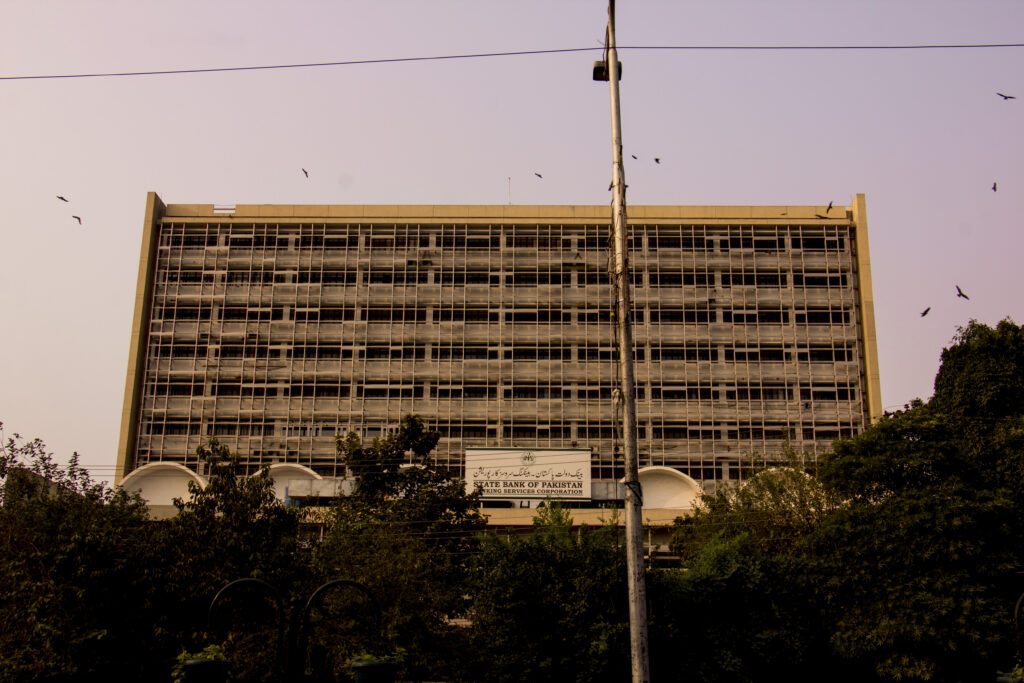
The Russian delegation will be headed by the governor of the Central Bank of Russia. On the Pakistani side, the Foreign Office has brought in officials from the State Bank of Pakistan as well as the industry and power sectors, reflecting how wide the payment problem runs — it touches exporters, importers and energy buyers alike.
Why payments became the biggest barrier
Paying for trade between Pakistan and Russia has grown steadily harder since February 2022, when Western sanctions restricted Russian banks’ access to conventional international banking channels. With routine routes disrupted, businesses on both sides have had to route payments through banks in third countries — a slower, more expensive workaround that adds cost to every transaction.
Some trade has continued through a barter mechanism, in which goods are exchanged without cash changing hands, but that arrangement is narrow and cannot carry the volume of trade both governments say they want. Pakistan’s ambassador to Russia, Faisal Niaz Tirmizi, has said reliance on third-country processing raises business costs — and that removing the payment barrier is the key to unlocking bigger trade.
What three to four billion dollars in trade would mean
If the payment obstacles are resolved, the ambassador has estimated bilateral trade could reach $3 billion to $4 billion — a substantial step up from current levels. That figure is a government estimate tied to removing the barriers, not a done deal, and the specific currencies and banking channels under discussion have not been confirmed.
For Pakistani exporters, a direct channel would mean faster payment, lower transaction costs and less uncertainty about whether a deal will clear. For importers — including buyers of Russian energy and commodities — it would open a more predictable route to goods that are currently hard to pay for. The two countries have already begun building a technology partnership, with a recent webinar targeting cooperation in artificial intelligence, cybersecurity and quantum computing, and Pakistan wants to expand cooperation further into information technology, transport, logistics, tourism, pharmaceuticals and health.
A prime ministerial visit on the horizon
The Moscow talks come just ahead of an expected visit to Russia by Prime Minister Shehbaz Sharif later this month. According to the ambassador, it would be the first visit to Russia by a Pakistani prime minister in five years, and its purpose is practical economic cooperation rather than ceremony — signing agreements that businesses can actually use.
That makes the 23–24 November meeting more than a technical discussion: whatever the central bankers and officials agree in Moscow will shape what the prime minister can announce when he travels. If the two sides settle the payment question, the visit could carry concrete trade outcomes; if they do not, the banking bottleneck will remain the first item on the agenda.
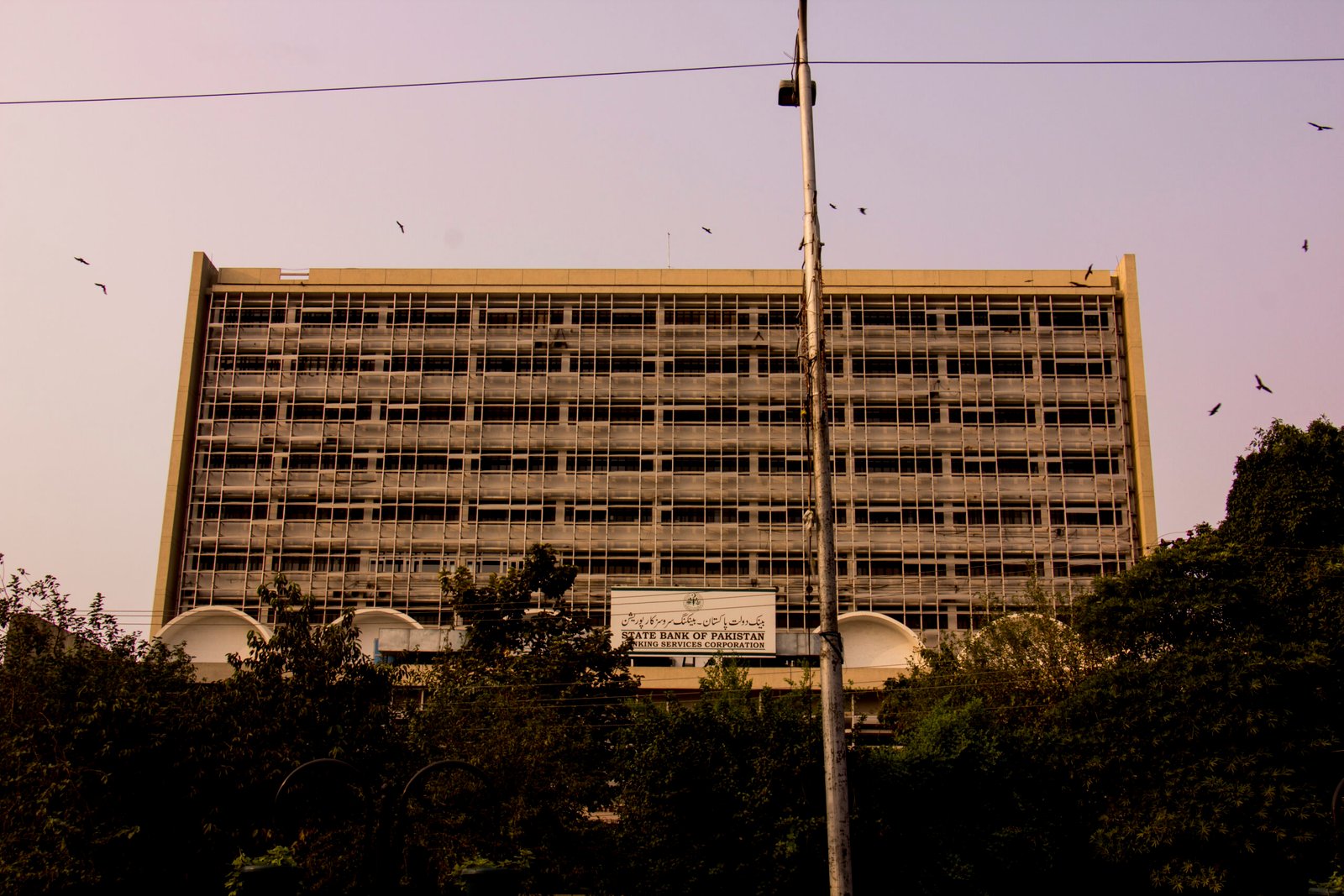
After the talks end on 24 November, the test will be whether the two sides announce a working mechanism — named banks, agreed currencies and a start date — or only a promise to keep talking. The State Bank of Pakistan will be central to any new arrangement, and traders in both countries will be watching for specifics, because a payment channel only helps when businesses can actually use it.
Related Posts
 BusinessKSE-100 Could Reach 220,000 by December 2027 as Two Brokerages Call the Next Big Rally
 BusinessGold Price in Pakistan Keeps Falling — Karachi Bars Run Short as Dealers Charge Up to Rs30,000 Premium
 BusinessOGRA Cuts Jet Fuel, Kerosene and Light Diesel Prices — Kerosene Down Rs10.42 a Litre
 BusinessState Bank Injects Rs13.54 Trillion Into Banking System to Keep Cash Flowing
 BusinessFauji Foods Names Haseebullah Zahur as New CEO From 1 January 2027
 BusinessDewan Motors Launches Facelifted BMW i7 in Pakistan From Rs6.52 Crore
Most Popular
 How-ToPTA Tax Calculator 2026: Check Mobile Tax on Any Phone421 views
 Pakistan NewsPIA Boeing 787 Lease Deal: What It Means for the Airline396 views
 Canada JobsTech Jobs in Canada: Roles, Salaries, and Skills Needed393 views
 SportsUEFA Champions League 2026-27: Format, Teams and Schedule390 views
 TechnologyPM Shehbaz Sets November Deadline for Alibaba AI and Digitalisation Projects in Pakistan370 views
 ShowbizWomen’s Fashion in Pakistan 2026: Trends, Brands and Style Guide366 views