Every time a Pakistani shopper pays by card at a local store, a slice of that rupee payment may leave the country before coming back. Domestic card payments routed through international networks cost Pakistan between $300 million and $400 million in foreign exchange every year, Senate Standing Committee on Finance and Revenue Chairman Saleem Mandviwalla has revealed.
Mandviwalla shared the figure during the committee delegation’s visit to the Karachi Chamber of Commerce and Industry (KCCI) on Thursday, 19 November 2026, where he told business leaders that parliament is stepping up scrutiny of banking practices that drain foreign exchange and add costs for ordinary customers. The warning lands as Pakistan’s shoppers move steadily away from cash: the country recorded 4.2 billion digital payment transactions in the final quarter of the last financial year, worth nearly Rs60 trillion — and every card swipe that is settled abroad carries a fee in foreign currency.
How a rupee payment at a local shop ends up abroad
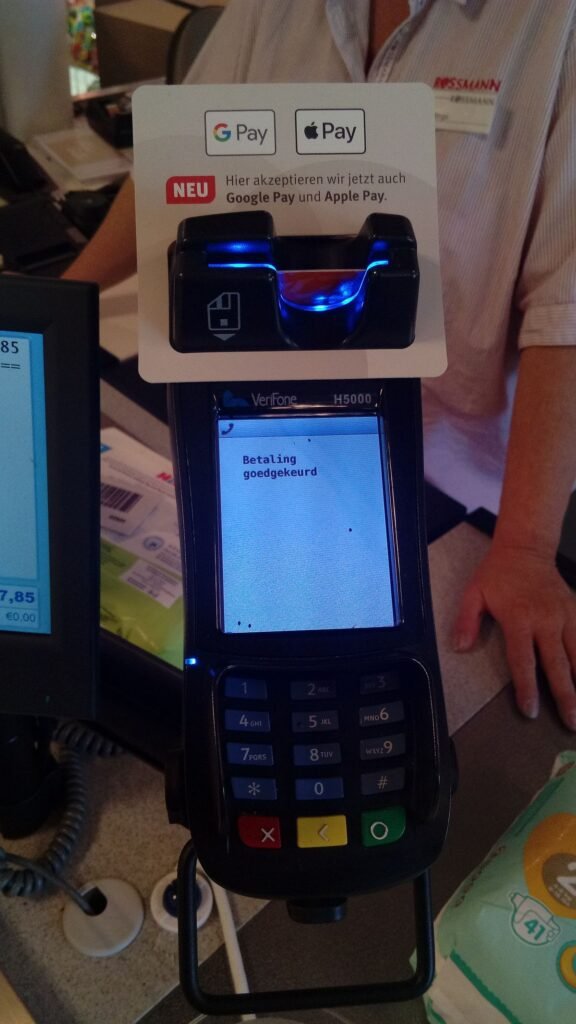
The drain sits in the plumbing behind the till. When a customer pays a local business in rupees through a point-of-sale terminal or an online checkout, the transaction message frequently travels to foreign processing centres managed by global card networks. That routing triggers clearing, licensing and interchange fees that are invoiced in foreign currency — money leaving the national financial system for a purchase that started and ended inside Pakistan.
Mandviwalla said the Senate committee is zeroing in on exactly this structure. While banks regularly launch premium card products to attract middle- and upper-tier account holders, the back-end routing of basic rupee payments through overseas data conduits quietly adds substantial fee overhead to every transaction. The committee’s concern is not with cards themselves, but with where the settlement journey goes.
What the $400 million drain costs businesses and customers

The foreign-exchange cost does not stay with the banks. According to the figures Mandviwalla presented at the KCCI session, domestic businesses and end consumers absorb the expense through higher merchant discount rates, elevated account maintenance charges and hidden banking tariffs. In other words, the shopkeeper who accepts a card and the customer who pays with one are both, indirectly, paying for the round trip abroad.
The problem compounds as payment habits change. Cash is giving way to plastic and app checkouts across the country — ride-hailing apps such as Yango now take direct bank card payments, and the government has been pressing ahead with its cashless economy agenda. But until the clearing systems themselves run on local rails, each new card user adds to the outflow rather than keeping the money at home.
Senate panel also targets mandatory SMS alert fees

Beyond card clearing fees, the Senate committee has turned its attention to a charge almost every account holder recognises: the SMS alert fee. Banks in Pakistan routinely deduct monthly or quarterly SMS charges across current and savings accounts, treating the notification system as a compulsory bundle rather than an opt-in security service.
Mandviwalla confirmed that lawmakers are actively working to eliminate mandatory SMS alert fees charged without the customer’s explicit consent. The committee’s position is that billing retail customers for recurring text alerts they never agreed to is an unfair practice that inflates the cost of keeping a basic bank account. Under the proposals discussed with business leaders, banks would only be permitted to charge for notification services if the account holder has explicitly opted into the feature.
A Rs120 billion saving the committee points to
Lawmakers argue that direct parliamentary intervention can force real savings — and they point to their own record to prove it. During the Karachi meeting, Mandviwalla cited the committee’s earlier review of the Pakistan Remittance Initiative (PRI), which he said helped eliminate roughly Rs120 billion a year in unnecessary government expenditure by auditing where incentive funds and scheme reimbursements were allocated.
He framed the push against offshore payment routing as the next rational step in the same effort: cutting redundant outflows from the public ledger without halting the services they support. The message to the business community was that scrutiny of settlement costs is not a one-off complaint but part of a continuing review of where Pakistan’s money goes.
What happens next: local payment rails and budget proposals

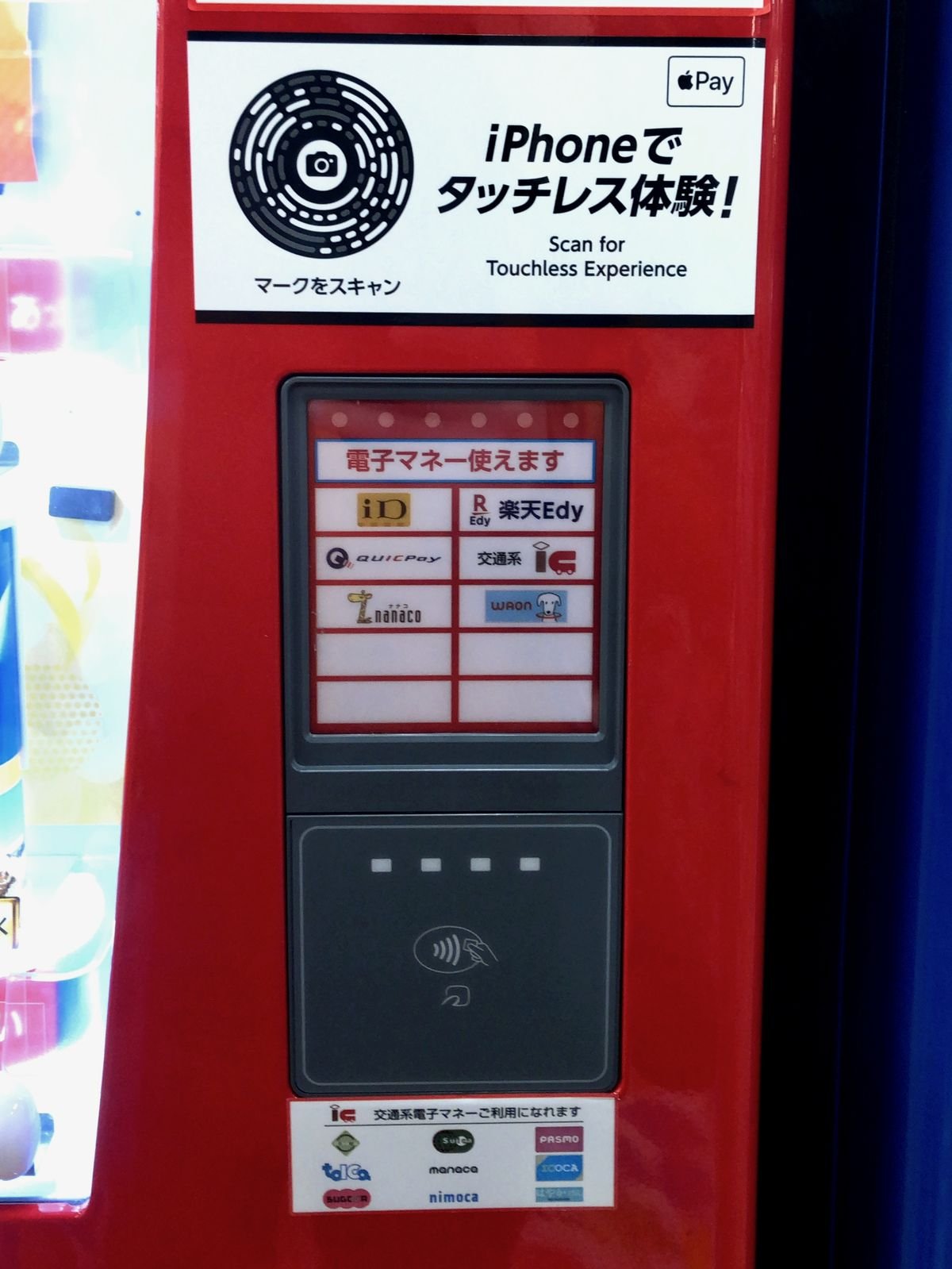
The committee’s preferred fix is to keep domestic payments inside Pakistan. Merchants are increasingly looking toward domestic alternatives, including direct account-to-account settlement and standardised QR codes for merchant settlements, which process transactions within the country’s borders without crossing international currency switches.
Mandviwalla also urged Karachi’s business leaders and industrial heads not to wait for the final budget season to raise their grievances. He instructed trade bodies to submit detailed, data-backed budget proposals at least two to three months before the official budget formulation process begins, and assured them that actionable recommendations submitted with sufficient lead time would be formally placed before the federal government. Continued communication through the year, rather than last-minute lobbying, remains the most dependable path to changing banking regulations — and to keeping the next $400 million at home.
Related Posts
 TechnologyFlova AI Animation Generator Turns Text and Images Into Animated Video
 TechnologyPakistan’s Crypto Alliance VAAP Appoints Four International Leaders From Japan, South Korea and HTX
 TechnologyPakistan Internet to Stay Slow Until 6 December as Transworld Repairs SMW5 Cable
 TechnologyNBP Opens AI and Robotics Lab at Abbottabad Public School
 TechnologyTCL Opens 8th Flagship Store in Karachi, Its 25th in Pakistan
 TechnologyPakistan Added Nearly 22 Gigawatts of Rooftop Solar in Two Years, PM Tells COP31
Most Popular
 How-ToPTA Tax Calculator 2026: Check Mobile Tax on Any Phone421 views
 Pakistan NewsPIA Boeing 787 Lease Deal: What It Means for the Airline396 views
 Canada JobsTech Jobs in Canada: Roles, Salaries, and Skills Needed392 views
 SportsUEFA Champions League 2026-27: Format, Teams and Schedule390 views
 TechnologyPM Shehbaz Sets November Deadline for Alibaba AI and Digitalisation Projects in Pakistan370 views
 ShowbizWomen’s Fashion in Pakistan 2026: Trends, Brands and Style Guide366 views