Pakistan’s Economic Coordination Committee has approved the export of another 416,000 tonnes of sugar, the third such permission in four months, as the crushing season gets under way and the International Monetary Fund prepares to review the country’s programme.
The ECC, chaired by Finance Minister Muhammad Aurangzeb, took the decision at its meeting in Islamabad on Friday, 20 November. The approval takes the quantity cleared for shipment this season to 724,000 tonnes. The Finance Division’s own statement on the meeting confirmed the decision but did not disclose the quantity.
What the 416,000 tonnes covers
The latest permission is made up of two parts. The Cabinet Committee on the Export of Sugar, headed by Deputy Prime Minister Ishaq Dar, had recommended the export of 400,000 tonnes, and a further 16,000 tonnes were cleared for Sindh, according to reporting by The Express Tribune. National Food Security Minister Rana Tanveer Hussain confirmed the decision to the newspaper.
Two earlier permissions sit behind the season total. The ECC allowed 108,000 tonnes of imported sugar to be re-exported in August, and a further 200,000 tonnes of locally produced sugar in mid-September. Friday’s decision is the largest of the three and the first to be taken at a full ECC meeting rather than through a cabinet committee alone.
The procedure around the decision has drawn attention. The sugar summary was not circulated to the relevant ministries and was not part of the ECC’s regular agenda, The Express Tribune reported, reaching the committee as an additional item tabled by the chairman. The ECC has not published its minutes or the sugar summary, so how the quota will be divided among mills and when shipments will begin is not yet public.
Why the government says it is exporting
The stated purpose of the export is to protect growers. The ECC considered the Cabinet Committee’s recommendations on the export of sugar “to safeguard farmers’ interests in the form of adequate price support for their produce”, according to the official statement. The committee also reiterated the importance of deregulating the sugar sector.
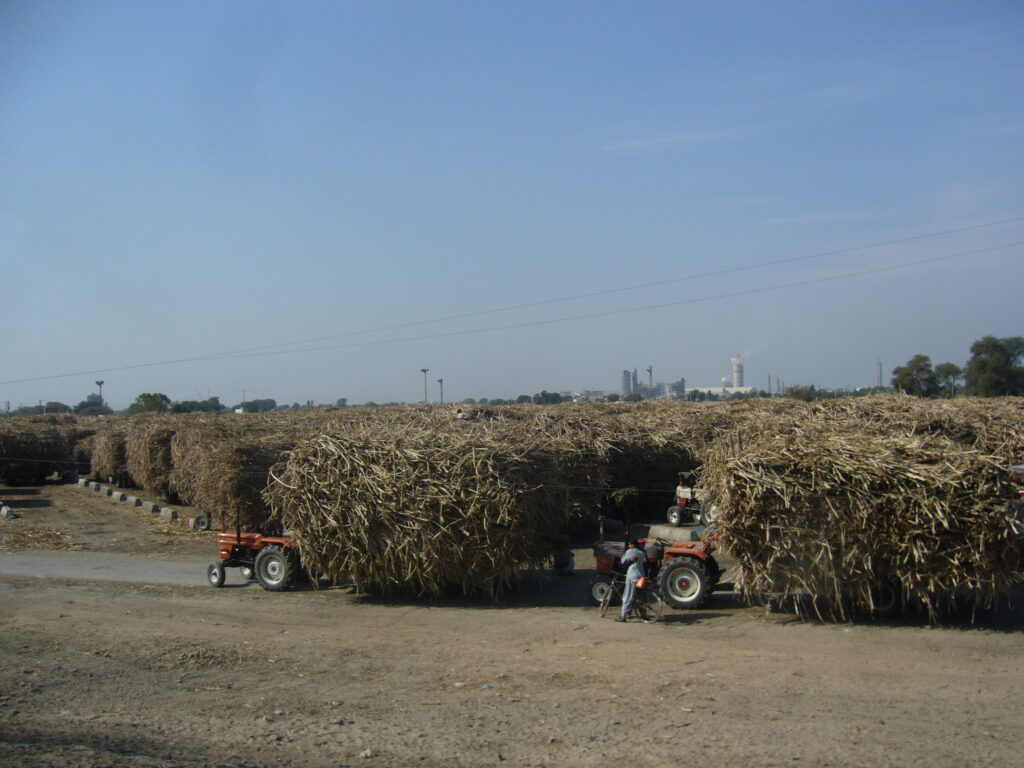
The industry has been pressing for an export window for months. The Pakistan Sugar Mills Association says about 1.3 million tonnes of surplus sugar is sitting in warehouses, and it has been seeking permission to export one million tonnes since February 2026. With the crushing season about to begin, mills argue they need space and cash flow to buy the new cane crop at the official support price.
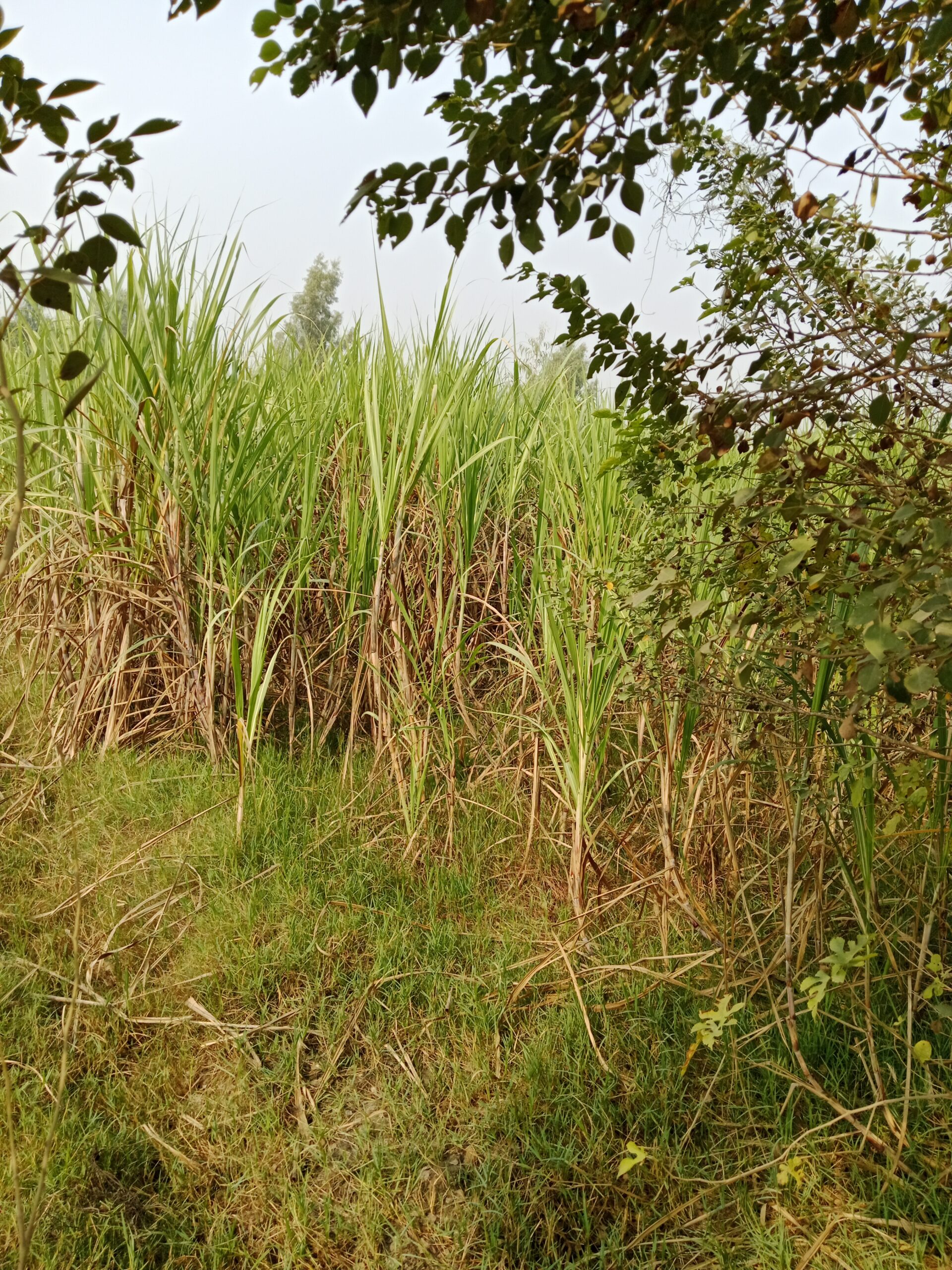
For growers, the export programme is meant to hold cane prices steady at the start of crushing. For consumers, the risk runs the other way: sugar leaving the country while domestic production is estimated below consumption could push sugar prices in Pakistan up, a tension the government has tried to manage by spacing the permissions out in phases rather than clearing the full surplus at once.
The IMF question hanging over the decision
The approval landed days before a meeting of the IMF’s executive board, which is due to consider Pakistan’s request for the fifth one-billion-dollar tranche of its seven-billion-dollar programme, a further 200 million dollars under a climate facility, and the Article IV report on the wider economy.
Sugar is one of the conditions in that programme that Pakistan has not met. The IMF has required the government to deregulate the sugar sector fully and to end the state’s role in exporting and importing the commodity. The finance secretary told the ECC that one province had refused to go along with deregulation, according to The Express Tribune. The finance minister himself stressed the need to deregulate the sector at the same meeting at which the committee permitted another export from a sector it continues to regulate.
The government’s own draft policy for deregulating the sector describes a heavily managed market. Production averages about 6.13 million tonnes a year against domestic consumption of about 6.3 million tonnes, and mills run at roughly 60 per cent of installed capacity. Retail sugar prices have risen by an average of about 16 per cent a year over the past five years, feeding weekly inflation in food prices. Pakistan is the world’s seventh-largest producer of refined sugar, with 79 mills concentrated in southern Punjab, northern and central Sindh, and southern Khyber Pakhtunkhwa.
What else the ECC decided
The same meeting eased conditions on the government’s long-term export financing scheme for small and medium enterprises. Administered through the EXIM Bank of Pakistan, the scheme no longer requires firms to show that 80 per cent of their sales are exports up front; beneficiaries must now reach exports equal to at least 50 per cent of projected sales within four years, with progress reviewed after six months.
The committee also approved a series of technical supplementary grants, including one billion rupees for the settlement of a Pak-Arab Pipeline Company claim, 100 million rupees for the Minorities Welfare Fund, and a modification to the earlier decision on the release of two billion rupees for the Daanish Schools Authority.
What happens next
Three tests will decide how the sugar decision is judged. The first is the IMF board, where the unmet deregulation condition will sit alongside the request for the next tranche. The second is domestic: the government has not said how the 416,000 tonnes will be allocated, when shipments will begin, or what it will do if local prices rise during the crushing season. The third is whether the pattern repeats, with further permissions presented one at a time until the surplus is cleared.
Until the government publishes the sugar summary, the allocation or a deregulation timetable, the practical effect of Friday’s decision is narrow but concrete: another 416,000 tonnes of sugar may leave Pakistan, and the condition attached to the IMF programme has still not been met.
Sources: The News — https://www.thenews.pk/print/1449993-ecc-quietly-approves-400-000-tons-of-sugar-exports
Khabarwire — https://khabarwire.com/blog/ecc-sugar-export-416000-tonnes-2026-11-21/
Related Posts
 BusinessPSO Signs Oman Fuel Supply Deal as OQ Trading Extends $200 Million Credit Line
 BusinessIran–Pakistan Free Trade Deal Nears Final Stage as Bilateral Trade Hits $6 Billion
 BusinessKSE-100 Could Reach 220,000 by December 2027 as Two Brokerages Call the Next Big Rally
 BusinessGold Price in Pakistan Keeps Falling — Karachi Bars Run Short as Dealers Charge Up to Rs30,000 PremiumBusinessOGRA Cuts Jet Fuel, Kerosene and Light Diesel Prices — Kerosene Down Rs10.42 a Litre
 BusinessPakistan and Russia to Hold Direct Payment Talks in Moscow on 23–24 November
Most Popular
 How-ToPTA Tax Calculator 2026: Check Mobile Tax on Any Phone421 views
 Pakistan NewsPIA Boeing 787 Lease Deal: What It Means for the Airline396 views
 Canada JobsTech Jobs in Canada: Roles, Salaries, and Skills Needed393 views
 SportsUEFA Champions League 2026-27: Format, Teams and Schedule390 views
 TechnologyPM Shehbaz Sets November Deadline for Alibaba AI and Digitalisation Projects in Pakistan370 views
 ShowbizWomen’s Fashion in Pakistan 2026: Trends, Brands and Style Guide366 views