Punjab has extended its ban on camera-equipped smart glasses and hidden recording devices for another 30 days, as the Lahore High Court pushes the federal and provincial governments for a detailed report on how the secret-recording gadgets will be regulated. The Punjab smart glasses ban extended this week covers glasses with concealed cameras as well as miniature cameras hidden inside pens, keychains, watches and other everyday objects — devices the authorities say are being misused for harassment, blackmail and illegal surveillance.
The fresh order from the Punjab Home Department extends the restrictions first imposed on 20 October under Section 144 of the Code of Criminal Procedure. That first order, which followed a Punjab cabinet decision on 19 October chaired by Chief Minister Maryam Nawaz and announced by Information Minister Azma Bukhari, was due to lapse after 30 days. The extension keeps the ban in force while the court case continues.
Punjab Smart Glasses Ban Extended — What the New Order Covers

The ban covers the sale, purchase, use and wearing of smart glasses fitted with hidden cameras, along with miniature cameras disguised as ordinary accessories. The devices named in the restrictions include glasses with concealed recording, miniature cameras, cameras hidden inside pens and keychains, and watches fitted with secret recording features. The Home Department has named airports, examination centres, secure government establishments, healthcare facilities, shopping malls and court premises as places of particular concern, although the restriction applies across the whole province, as reported by TechJuice in Punjab Extends Ban on Smart Glasses and Hidden Cameras for 30 Days.
Ordinary electronics are not affected. Laptops, tablets, mobile phones and terminal equipment approved by the Pakistan Telecommunication Authority (PTA) are exempt from the ban, which targets only devices built or disguised for secret recording.
Why Punjab Extended the Ban: Hidden Cameras and Privacy Risks
The authorities say the danger is that the devices look like ordinary accessories. A pair of glasses, a pen or a watch can record photographs, audio and video without the people around knowing — and the footage can then be shared without consent. The government has particularly highlighted the need to protect the privacy, dignity and security of women and children, and the petition before the court argues that the gadgets are already being used for harassment, illegal surveillance and blackmail.
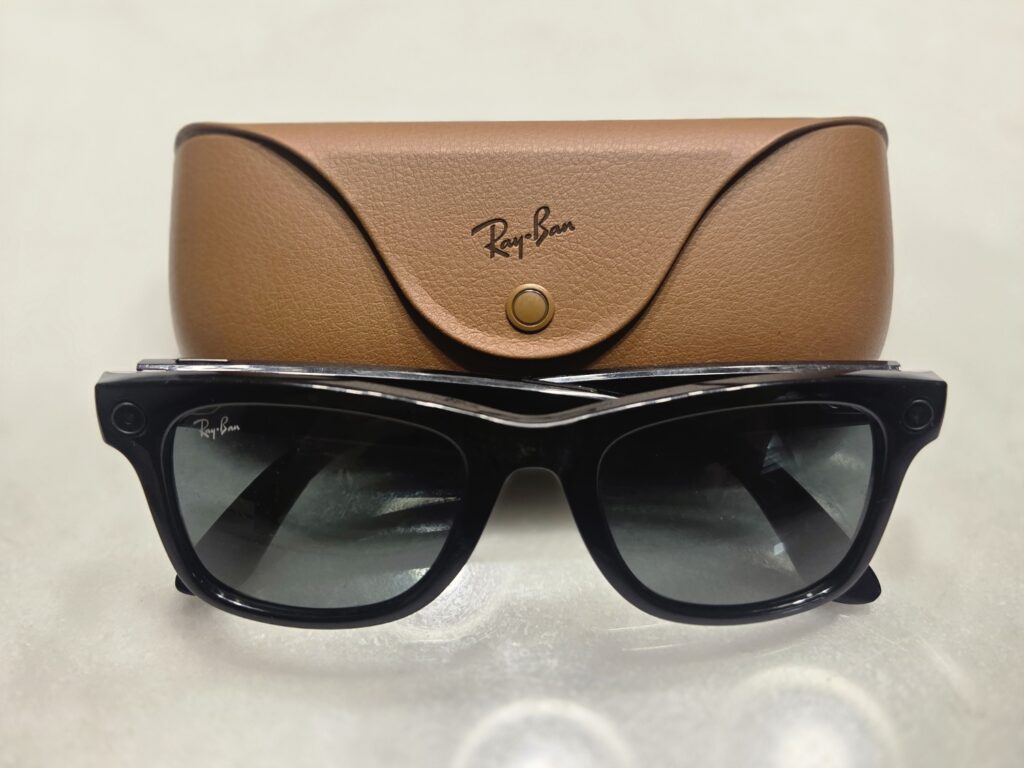
The concern is not theoretical. Shops at Lahore’s Hafeez Centre and online stores sell camera glasses openly without PTA approval, according to the case before the court. Modern camera glasses such as Meta’s Ray-Ban glasses can record video, capture photographs and stream footage to a phone discreetly — which is exactly why regulators say they need rules that ordinary eyewear does not.
Lahore High Court Hearing: What the Governments Told the Court
The extension came during proceedings at the Lahore High Court on a petition seeking regulation of the import, sale and use of the devices. At the hearing on 18 November, before Chief Justice Aalia Neelum, the federal government was represented by Deputy Attorney General Rafaqat Ali Dogar and the Punjab government by Additional Advocate General Muhammed Naveed Sheikh. Atif Mir, an additional director at the National Cyber Crime Investigation Agency (NCCIA), was also present.
Dogar told the court that the federal government’s recommendations had been forwarded to the Economic Coordination Committee (ECC) and received approval, and that the federal cabinet had considered a proposal to restrict the import of glasses fitted with recording cameras. The NCCIA official told the court that no complaint about recordings made through smart glasses was currently pending before the agency. After reviewing the reports from both governments, the court sought a more detailed report specifically addressing glasses equipped with hidden recording technology. The case was brought by citizen Hasnain ul Abedin, who asked the court to ensure that smart glasses and similar technologies do not violate citizens’ fundamental rights to privacy and personal security.
Federal Cabinet Approval and the Import Crackdown
The federal dimension is what has changed since the first Punjab order. On 4 November, the ECC approved a restriction on the import of camera-enabled smart glasses and recommended that all provinces and Islamabad develop workplace regulations for the devices, as reported by TechJuice in Pakistan’s ECC Bans Import of Camera-Enabled Smart Glasses. The federal cabinet has since approved the ECC’s proposals, and the court has directed FBR Customs to report on illegally imported spy gadgets.
The import restriction does not yet work as a full ban at the border: FBR Customs must first issue a formal statutory regulatory order (SRO) before enforcement begins, and the decision does not affect existing owners or confiscate devices already in the country. The federal government has now asked all four provinces to submit their recommendations by 25 November for legislation and a regulatory framework covering hidden cameras — including specific rules for camera-equipped glasses in public places and workplaces.
What Happens Next: 25 November Deadline and 8 December Hearing
The court has directed the federal government to submit a detailed report on the restrictions, with the provinces’ recommendations due by 25 November. Proceedings have been adjourned until 8 December, when the court is expected to review the reports and the proposed regulatory framework. The Punjab smart glasses ban extended by the fresh Home Department order remains in force for 30 days unless withdrawn earlier.
What the Extended Ban Means for Buyers and Sellers
For shoppers and retailers in Punjab, the message is straightforward: camera glasses and covert recording gadgets cannot be sold, bought or used while the order is in force, whether in shops or online. Sellers offering the devices face action under the Section 144 order, and buyers should check whether a device is PTA-approved before purchasing anything with a camera built in. For everyone else, the rules change nothing — ordinary phones, laptops and tablets remain exempt, and the ban is aimed squarely at devices designed to record people in secret.
The Punjab smart glasses ban extended this week is only one part of a wider push: with the federal import restriction, the court case and the provinces’ recommendations all converging before the end of the year, Pakistan’s first rules for wearable recording devices are now taking shape.
Related Posts
 TechnologyHuawei OSTA O1 Pro Launched: Official Price, Full Specs and Sale Details
 TechnologyNADRA Launches ‘ID’ Chatbot to Guide Families Through Succession Certificate Applications
 TechnologyOpenAI Bugging Case: Ex-Engineer to Stand Trial in January as Prosecutors Concede No Espionage Evidence
 TechnologySouth Korea Cracks Down on AI Exam Cheating After Top Scorer’s Confession
 TechnologyPakistan, ASEAN Agree to Tackle Cyber Threats Together in Landmark Digital Push
 TechnologyGoogle Play Will Require Foldable-Ready Apps From April 2027 — Or Block Their Updates
Most Popular
 How-ToPTA Tax Calculator 2026: Check Mobile Tax on Any Phone421 views
 Pakistan NewsPIA Boeing 787 Lease Deal: What It Means for the Airline396 views
 Canada JobsTech Jobs in Canada: Roles, Salaries, and Skills Needed392 views
 SportsUEFA Champions League 2026-27: Format, Teams and Schedule390 views
 TechnologyPM Shehbaz Sets November Deadline for Alibaba AI and Digitalisation Projects in Pakistan370 views
 ShowbizWomen’s Fashion in Pakistan 2026: Trends, Brands and Style Guide366 views