The National Cyber Crime Investigation Agency (NCCIA) in Karachi has uncovered an alleged online betting and money-laundering network with an estimated transaction exposure of up to Rs1 trillion, in one of the largest cyber-financial cases Pakistan has seen. Five suspects have been arrested, around Rs1 billion in suspected illicit funds has been frozen, and 40 people and companies — including 32 chief executives — have been named in a first information report.
The case was revealed at a press conference in Karachi on Thursday, 19 November. The investigation is still open, and more raids are under way.
How the Network Was Caught
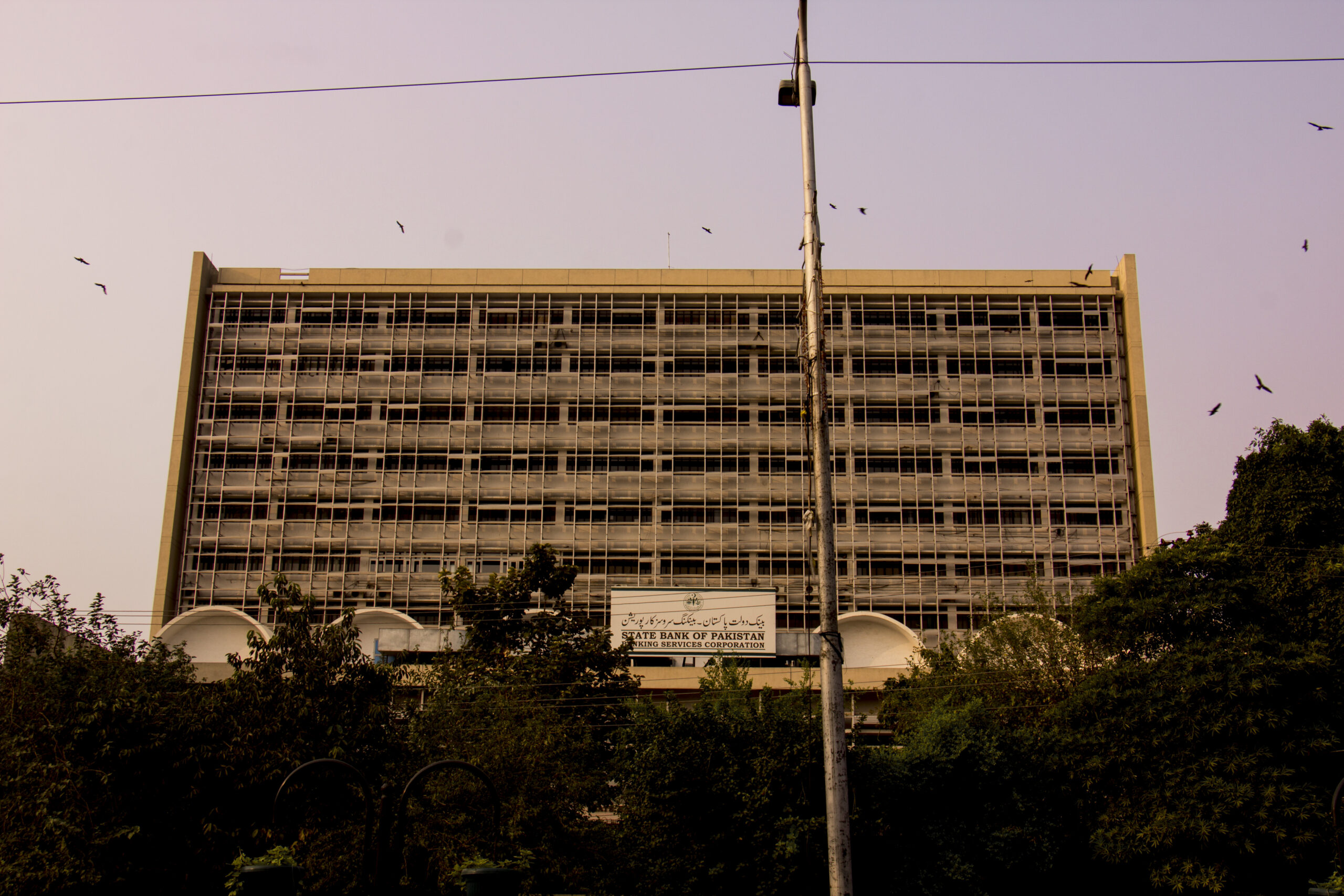
The case began with the State Bank of Pakistan. The central bank’s monitoring system flagged suspicious transactions, and reports of unusual financial activity pointed to large sums moving through commercial banks, microfinance banks and digital wallets, NCCIA Additional Director Shahzad Akbar told the press conference.
The NCCIA’s Karachi Zone opened an investigation that ran for about three months. A detailed examination of the money trail exposed what investigators describe as an organised network collecting gambling payments through digital financial services, then routing the money through bank accounts, registered companies, fictitious businesses and third-party account holders to hide where it came from and who ultimately benefited.
The Scale of the Money
Investigators have so far traced about Rs240 billion in transactions linked to the network, and believe its overall activity could reach Rs1 trillion. That figure is the estimated exposure of the network, not a confirmed total of laundered money.
About Rs3.718 billion was credited to one suspected settlement account over a period of around 22 months. Another company account received about Rs2.431 billion. Around Rs1.969 billion passed through accounts suspected of being rented out, or operated as so-called mule accounts, to receive and move large amounts of money.
In a single day, the agency secured about Rs1 billion in suspected illicit funds spread across several accounts. It also seized 70,000 USDT (Tether) from digital wallets.
How the Money Moved
According to investigators, the network used several layers of cover. Gambling proceeds were transferred through business profiles presented as ordinary commercial activity, including dairy operations and web designing. Accounts were opened with forged identity documents, and fictitious businesses and suspected fraudulent sub-merchant registrations gave the payments a legitimate appearance.
Rented or mule accounts played a central role, receiving and transferring large amounts of money and making it difficult to establish the original source of the funds or identify the people who ultimately benefited.
The operators also used a familiar lure. Users of the betting apps were initially offered profits to attract them and encourage them to keep gambling, before the money was taken from them. Payments were collected through mobile accounts and digital wallets, and cryptocurrency was used as an exit route for the funds.
The Platforms and the Arrests
The NCCIA named several online betting and gambling platforms allegedly used by the network, including 1XBet, Stake, X777, X555, 99c444, X111 and MelBet. All of them operate offshore and have no legal standing in Pakistan, where online betting is illegal.
FIR No. 133/2026 was registered on 18 November 2026 under the Prevention of Electronic Crimes Act and the Pakistan Penal Code. It names 40 individuals and business entities, including 32 chief executives. Five suspects were arrested in coordinated raids at several premises, and further raids are under way to arrest the rest.
Investigators identified 38 bank accounts allegedly linked to the network. The scope of the investigation has also extended to suspected banking officials, company directors, business operators, payment facilitators and account holders allegedly connected with the operation. The NCCIA has a history of acting against such schemes: in Lahore, it arrested 130 people in a cyber fraud crackdown and returned Rs30 million to victims, and its call-centre raids in Islamabad and Rawalpindi saw 154 people arrested over illegal loan-app blackmail rings.
A Wider Crackdown
The same press conference also set out four other alleged online crime networks uncovered in Karachi, covering online fraud, data trafficking, drug distribution and the exploitation of underage girls. Separately, the NCCIA said the heads of five companies had been arrested in an alleged fraud case after about Rs18 billion was traced across three bank accounts.
The Karachi bust comes days after the federal government ordered a high-level joint investigation into a separate alleged Rs120 billion online gambling and money-laundering case under investigation by the FIA in Faisalabad (FIR No. 32/2026, registered on 24 September 2026).
The NCCIA says its investigation continues, with further arrests expected as the financial trail is traced. For the public, the case is a reminder that the online betting platforms operating in Pakistan are illegal, and that the early profits they advertise are part of the trap.
Related Posts
 TechnologyApple’s iPhone Camera Chief Jon McCormack Retires After Eight Years — No Successor Named
 TechnologyGTA VI Sells 24.6 Million Copies on Day One — $2.36 Billion in Estimated Sales
 TechnologyGTA 6 Sales Pass $2.36 Billion on Day One as 24.6 Million Copies Sell
 TechnologyGoogle Android Developer Verification Goes Global in January 2027: What Changes for Sideloading
 TechnologyAnthropic Shares Close First Nasdaq Day at $97.17 — Up 17% After a $111.50 Open
 TechnologyPotatoes Grown in Simulated Moon Soil Match Earth Yields — and They Are Safe to Eat
Most Popular
 How-ToPTA Tax Calculator 2026: Check Mobile Tax on Any Phone420 views
 Pakistan NewsPIA Boeing 787 Lease Deal: What It Means for the Airline396 views
 Canada JobsTech Jobs in Canada: Roles, Salaries, and Skills Needed392 views
 SportsUEFA Champions League 2026-27: Format, Teams and Schedule389 views
 TechnologyPM Shehbaz Sets November Deadline for Alibaba AI and Digitalisation Projects in Pakistan370 views
 ShowbizWomen’s Fashion in Pakistan 2026: Trends, Brands and Style Guide366 views