Pakistan has put a dedicated Buddhist visa category on the table, along with long-term visas for Buddhist monks and a proposed Peace March through its ancient Gandhara sites, as a four-day dialogue in Islamabad looks for ways to turn the country’s Buddhist heritage into a living pilgrimage destination.
The proposals came out of the Gandhara Strategic Dialogue on Thursday 19 November, where Buddhist monks from around the world sat down with senior government officials and heritage experts to discuss how Pakistan can better receive the pilgrims who want to visit the land where some of Buddhism’s oldest art and monasteries survive.
The dialogue, organised by the Ministry of National Heritage and Culture under the theme “Towards a Shared Future”, opened in Islamabad on Tuesday 17 November. Foreign Minister Ishaq Dar delivered the keynote address on Wednesday, and Thursday’s sessions turned to the practical questions: how to protect the Gandhara relics, and how to make the journey easier for the people who travel to see them.
What the dialogue proposed for Buddhist pilgrims
The most concrete proposal concerns visas. The Prime Minister’s Task Force on Gandhara recommended introducing Buddhism as a separate category in Pakistan’s visa application system, so Buddhist pilgrims are no longer processed through a generic tourist channel. The task force also recommended long-term visas for Buddhist monastics and visitors, and a review to simplify the No Objection Certificate requirements that diplomats and international travellers currently face.
The monks who have actually made the journey told the dialogue what needs fixing. They raised problems with transport, visa processing and accommodation, and said Pakistan needs dedicated facilities where Buddhist visitors can stay for extended periods, offer prayers and practise meditation. A meaningful pilgrimage, they said, involves more than a brief stop at an archaeological site.
The sessions also called for better coordination between the institutions involved, and for specialised orientation and training for customs and law enforcement staff, so that arrangements for Buddhist visitors take their religious traditions and practices into account.
Then came the proposal that drew the most attention: a Buddhist Peace March connecting the important Gandhara heritage sites, to promote peace, interfaith harmony and shared cultural heritage. The visiting monastics said such a march could show Pakistan as a welcoming destination for Buddhist pilgrims and project its religious diversity and commitment to peaceful coexistence. No route or date has been announced for the march — for now it is a proposal the task force has taken on board.
The Prime Minister’s Task Force acknowledged the recommendations as valuable contributions to its ongoing work, which aims to strengthen heritage conservation, improve facilities for Buddhist visitors and promote Pakistan as an important destination for Buddhist pilgrimage, cultural exchange and international engagement.
Why Gandhara matters to the Buddhist world
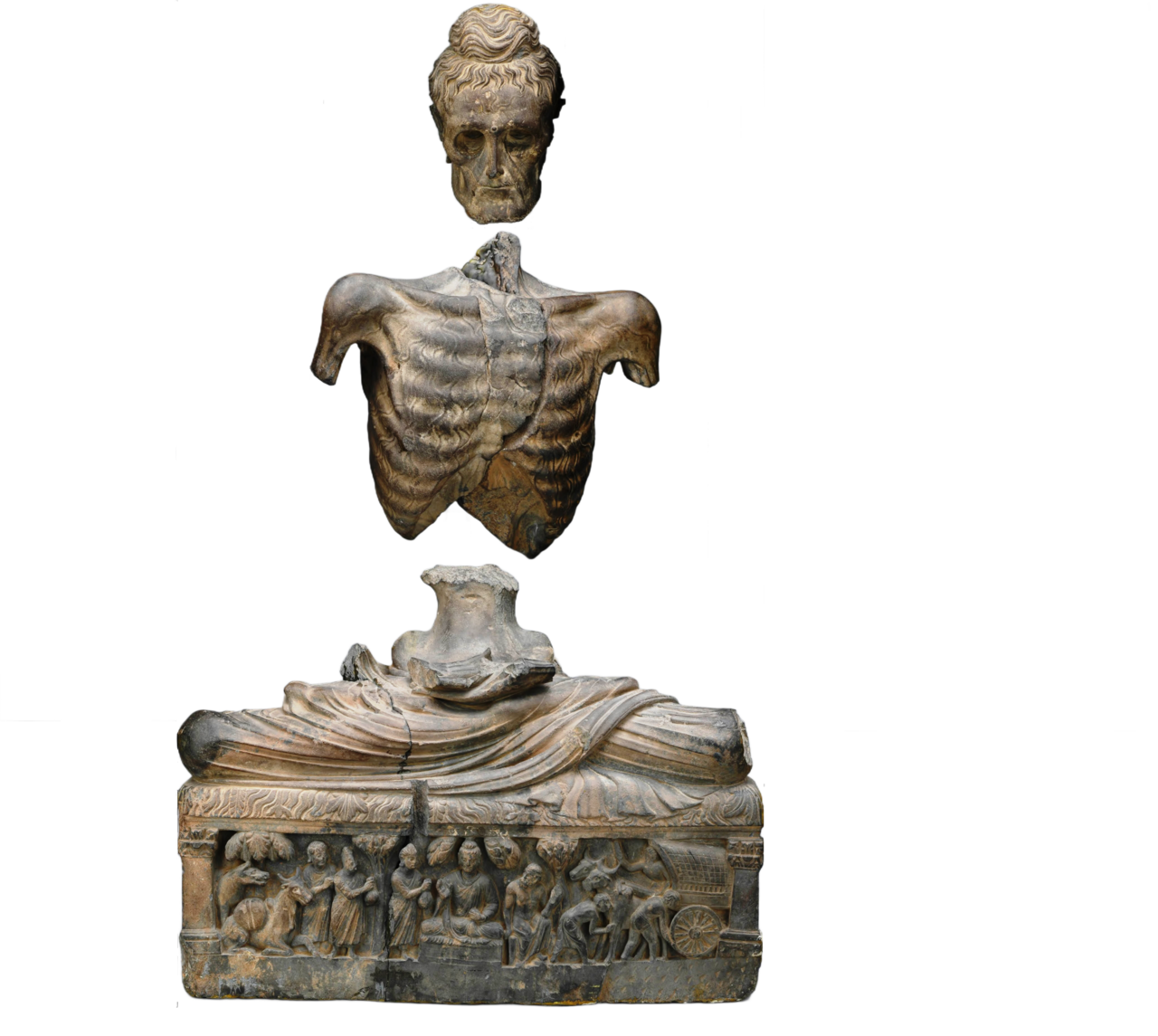
Gandhara is not a minor footnote in Buddhist history. The ancient region, covering parts of present-day northern Pakistan and eastern Afghanistan, was one of the great centres of Buddhist thought, art and learning for more than a thousand years. It produced the world’s first sculptures of the Buddha, blending Greek and Roman artistic styles with South Asian traditions, and its monasteries at Taxila, Takht-i-Bahi and in the Swat Valley drew scholars and pilgrims from across Asia.
Taxila, less than an hour from Islamabad, was a centre of learning for centuries and became a UNESCO World Heritage Site in 1980, along with Takht-i-Bahi. The wider Taxila complex includes the Dharmarajika Stupa, the Jaulian Monastery and the remains of the ancient cities of Sirkap and Sirsukh. The Gandhara Heritage Trail now aims to link Taxila, Swat and Takht-i-Bahi into a single route for visitors.
For the world’s more than 500 million Buddhists, the connection runs deep. Theravada Buddhists know this land from the Jataka tales; Mahayana Buddhists trace some of their oldest scriptures to Gandhari manuscripts written here; and for Vajrayana Buddhists, the Swat Valley is widely identified as Oddiyana, the birthplace of Guru Padmasambhava. That is why Pakistan’s pitch at the dialogue was framed first as a matter of veneration, with tourism and economic benefit following after.
The dialogue is part of a wider push. Prime Minister Shehbaz Sharif has set up a Task Force on Gandhara, chaired by Federal Minister for Heritage and Culture Aurangzeb Khan Khichi. Foreign delegations are already visiting: a 16-member Sri Lankan group is on an eight-day familiarisation tour of Buddhist heritage sites this month, and dialogue delegates are being shown the Islamabad Museum, the Gandhara Sacred Documents Facility and the Shah Allah Ditta Caves.
What still has to happen before pilgrims arrive
The dialogue’s own discussions were candid about the gap between ambition and reality. Thursday’s first session heard from the archaeology chiefs of Khyber Pakhtunkhwa and Punjab about conservation work at the sites, the legal safeguards that restrict development around monuments, and the role of local communities in preserving indigenous knowledge, folklore and the stories attached to Gandhara.
The monks praised the conservation effort but asked for more attention to the landscapes and natural environments around the sites, and suggested historical storytelling and animation to make the legacy accessible to younger generations and audiences abroad.
The harder test will be what follows the speeches: whether the visa category is actually created, whether long-term visas and simpler NOC rules materialise, whether the dedicated facilities for monks are built, and whether the Peace March moves from proposal to an event with a date and a route. The dialogue will be judged on arrivals, not announcements — and on whether the pilgrims who do come find the welcome the dialogue promised.
Related Posts
 Pakistan NewsSUPARCO Warns Punjab Smog Will Worsen Over Next Three Days — 690 Fires Detected
 Pakistan NewsFire Breaks Out at BOL News Office in Karachi — Staff Evacuated Safely, Part of Building Collapses
 Pakistan NewsPetrol Price Cut Again to Rs322, Diesel Down to Rs355 From 19 November — Twelfth Straight Daily Cut
 Pakistan NewsPakistan Test-Fires Fatah-3 Supersonic Cruise Missile — ISPR Confirms Successful Launch
 Pakistan NewsPakistan’s Solar Revolution: Rooftop Panels Push Solar Share from 1% to 28% as Grid Falls Behind
 Pakistan NewsElectricity Tariff Increase December 2026: Bills May Rise Rs2.88 Per Unit
Most Popular
 How-ToPTA Tax Calculator 2026: Check Mobile Tax on Any Phone420 views
 Pakistan NewsPIA Boeing 787 Lease Deal: What It Means for the Airline396 views
 Canada JobsTech Jobs in Canada: Roles, Salaries, and Skills Needed392 views
 SportsUEFA Champions League 2026-27: Format, Teams and Schedule389 views
 TechnologyPM Shehbaz Sets November Deadline for Alibaba AI and Digitalisation Projects in Pakistan369 views
 ShowbizWomen’s Fashion in Pakistan 2026: Trends, Brands and Style Guide366 views