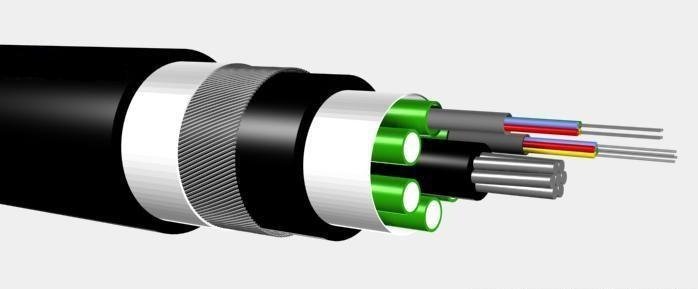
Pakistan’s internet users may face slower speeds and intermittent connectivity after a fault developed in the SEA-ME-WE 5 (SMW5) international submarine cable about 11 kilometres off Pakistan’s coast, the Pakistan Telecommunication Authority (PTA) confirmed on Wednesday evening, 18 November 2026.
The warning matters because the cable is one of the main routes carrying Pakistan’s internet traffic to and from the rest of the world. When a link of that size is affected, the effect is rarely confined to one city or one provider, showing up instead as pages that take longer to open, videos that pause to load, and connections that drop at busy times.
For now, the PTA has not announced when the cable might be repaired.
What the PTA said

In its statement, the PTA said the fault had been reported on one of Pakistan’s international submarine cable systems, and it set out, in plain terms, what users might notice.
“One of the international submarine cable systems, the SEA-ME-WE 5 (SMW5), has reported a fault at about 11 KM from Pakistan shore which may cause some internet users to experience intermittent connectivity issues and a decline in service quality.”
Transworld Associates (TWA), which operates the cable landing in Pakistan, is coordinating with the SMW5 Consortium to identify the root cause of the fault and determine the estimated time for restoration, known as the ETTR. No restoration timeline has been announced yet.
“In the meantime, internet traffic is being rerouted through alternative international links to minimise the impact and ensure service continuity to the greatest extent possible,” the PTA said. The regulator added that it was in close coordination with stakeholders and was monitoring the situation.
What is the SMW5 cable?

SMW5 stands for SEA-ME-WE 5, a major international fibre-optic submarine cable linking South East Asia, the Middle East and Western Europe. It is one of the few undersea cables that carry Pakistan’s international internet traffic, and it forms part of the small group of high-capacity routes on which the country depends for its connection to the wider internet.
That explains why a single fault can have such a wide effect. When one cable is out of service, the traffic it would normally carry has to be squeezed onto the remaining routes, which cannot always carry it at the same speed or with the same reliability.
What users can expect

For most users, the most likely effect is a connection that feels sluggish rather than one that stops altogether. Browsing may take longer, videos may load slowly or drop in quality, and large downloads and uploads may take more time than usual. Occasional drops are also possible, especially at peak evening hours, when the largest number of people are online at the same time.
The impact is unlikely to be the same everywhere. It may vary by provider and by area, depending on how each network routes its traffic and how much spare capacity it has on the alternative links. Users need take no action themselves. Anyone with a persistent problem, however, should contact their internet service provider, which will be able to say whether the difficulty is linked to the cable fault or to a separate local issue.
Not the first cable fault this year

This is not the first time in 2026 that a submarine cable fault has slowed Pakistan’s internet. In July 2026, the same SMW5 system developed a fault and was repaired, becoming fully operational again on 3 July 2026. Only a few months later, in October 2026, a fault in the AAE-1 cable slowed internet services while PTCL repaired it.
Taken together, the three episodes underline how much Pakistan relies on a handful of undersea cables. Each fault has been repaired, but each one has also been a reminder that a problem hundreds, or thousands, of kilometres away can be felt in homes, offices and classrooms across the country within hours.
What happens next

TWA and the SMW5 Consortium are now working to establish the cause of the fault and a repair timeline. Until that work is complete, there is no confirmed date for the cable’s return to service, and the PTA has not given one.
The regulator has said it will keep the public updated as the situation develops. In the meantime, users should expect possible slower speeds until SMW5 is back in service, and should look to the PTA and their own providers for the next update rather than to unconfirmed reports.
Related Posts
 TechnologyChina-Pakistan Launch Joint Agri-Research Platforms at Lahore Tech Expo
 TechnologyPakistan Digital Payments Hit 4.2 Billion Transactions in Q4 FY26, Worth Nearly Rs60 Trillion
 TechnologyDigiSkills Batch 05: 300,000 Free Seats for 24 Online Courses — Register Before 30 November
 TechnologyGTA 6 PS5 Update Now Mandatory as Sony Patches Firmware Days Before Launch
 TechnologyGoogle Gemini Privacy Change: History Off No Longer Means Deleted — Chats Kept for Two Months
 TechnologyNSA Classified Network Goes Down During Routine Maintenance — No Sign of Cyberattack
Most Popular
 How-ToPTA Tax Calculator 2026: Check Mobile Tax on Any Phone420 views
 Pakistan NewsPIA Boeing 787 Lease Deal: What It Means for the Airline396 views
 Canada JobsTech Jobs in Canada: Roles, Salaries, and Skills Needed392 views
 SportsUEFA Champions League 2026-27: Format, Teams and Schedule389 views
 TechnologyPM Shehbaz Sets November Deadline for Alibaba AI and Digitalisation Projects in Pakistan369 views
 ShowbizWomen’s Fashion in Pakistan 2026: Trends, Brands and Style Guide366 views