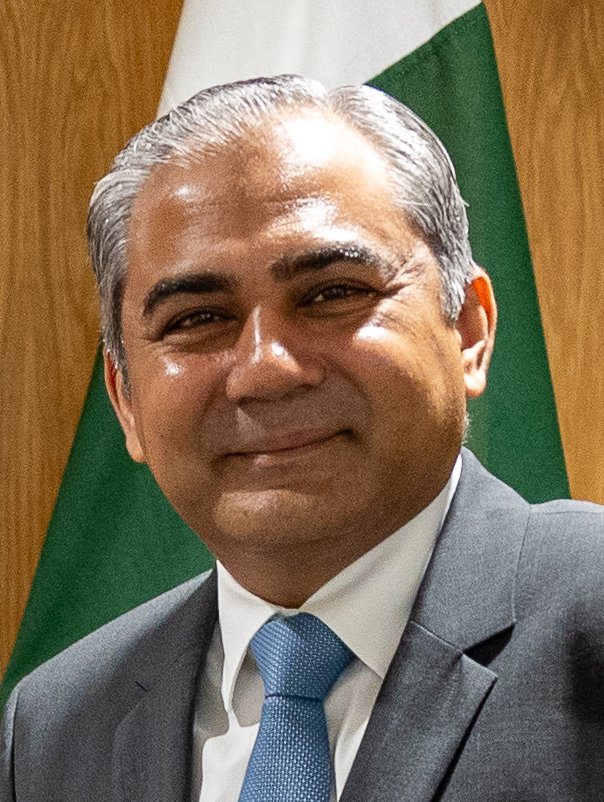
Pakistan and Sudan have signed a visa-free travel agreement for holders of diplomatic and official passports, in a move the two countries say will make official travel easier and bring their governments closer together. The Pakistan Sudan visa free travel agreement was signed in Islamabad on Saturday, 7 November 2026, during a meeting between Interior Minister Mohsin Naqvi and his Sudanese counterpart, Lieutenant General Babiker Samra Mustafa Ali.
The deal is narrow in scope but part of a wider package: alongside the visa exemption, the two sides agreed to deepen cooperation in internal security, cybercrime, police training and civil registration, and Pakistan offered help with Sudan’s peace efforts, reconstruction and medical facilities for Sudanese citizens.
What the agreement covers
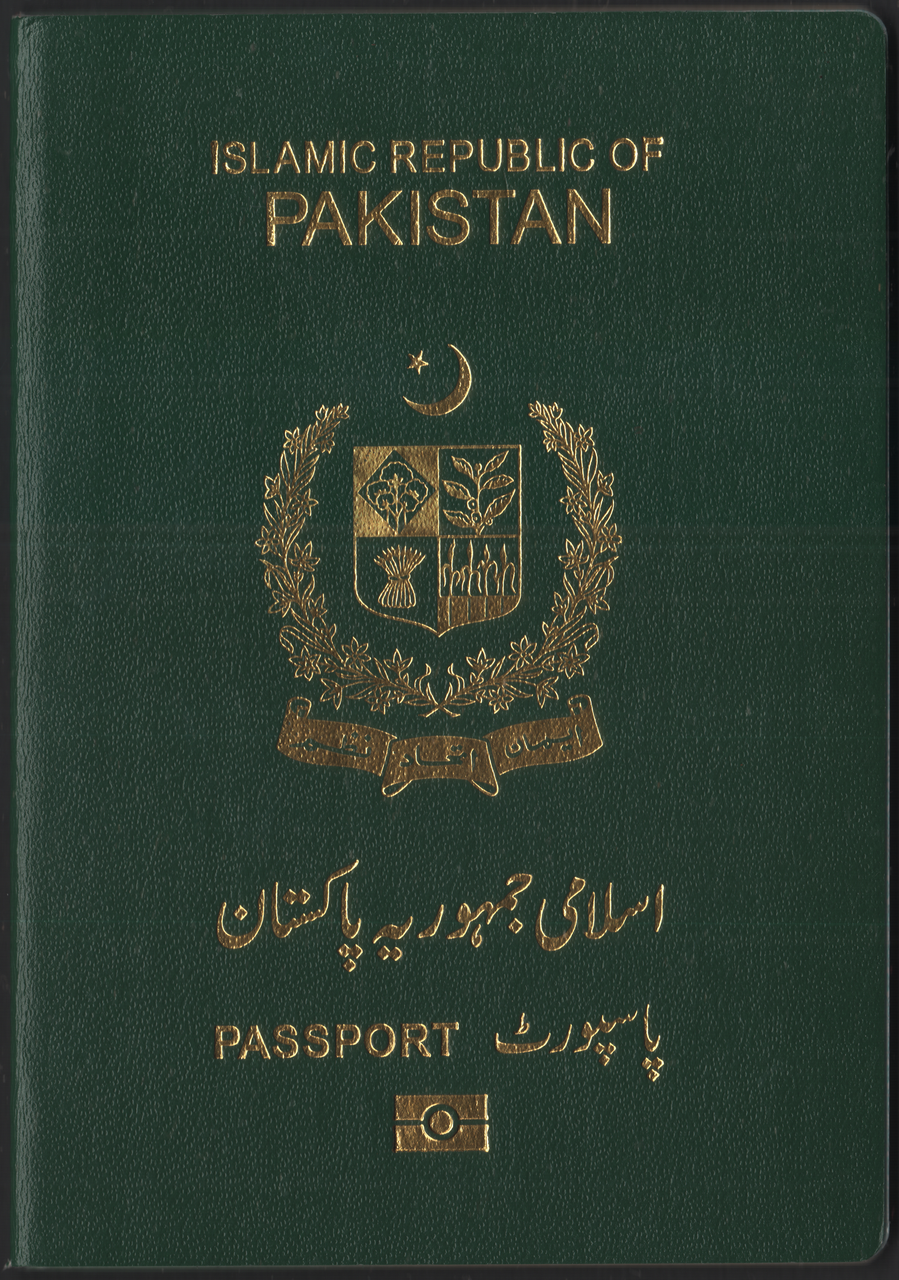
Under the Pakistan Sudan visa free travel agreement, citizens of Pakistan and Sudan who hold valid diplomatic or official passports will be able to enter each other’s territory without obtaining a visa first. The exemption applies only to those two passport categories.
That limit matters: ordinary passport holders are not covered. A Pakistani travelling to Sudan on a regular passport, or a Sudanese citizen visiting Pakistan on one, must still follow the normal visa requirements, and no date was given for any wider arrangement.
Naqvi called the agreement an important milestone that would facilitate high-level contacts. His Sudanese counterpart said it would further strengthen friendly relations and institutional cooperation.
Who signed the agreement
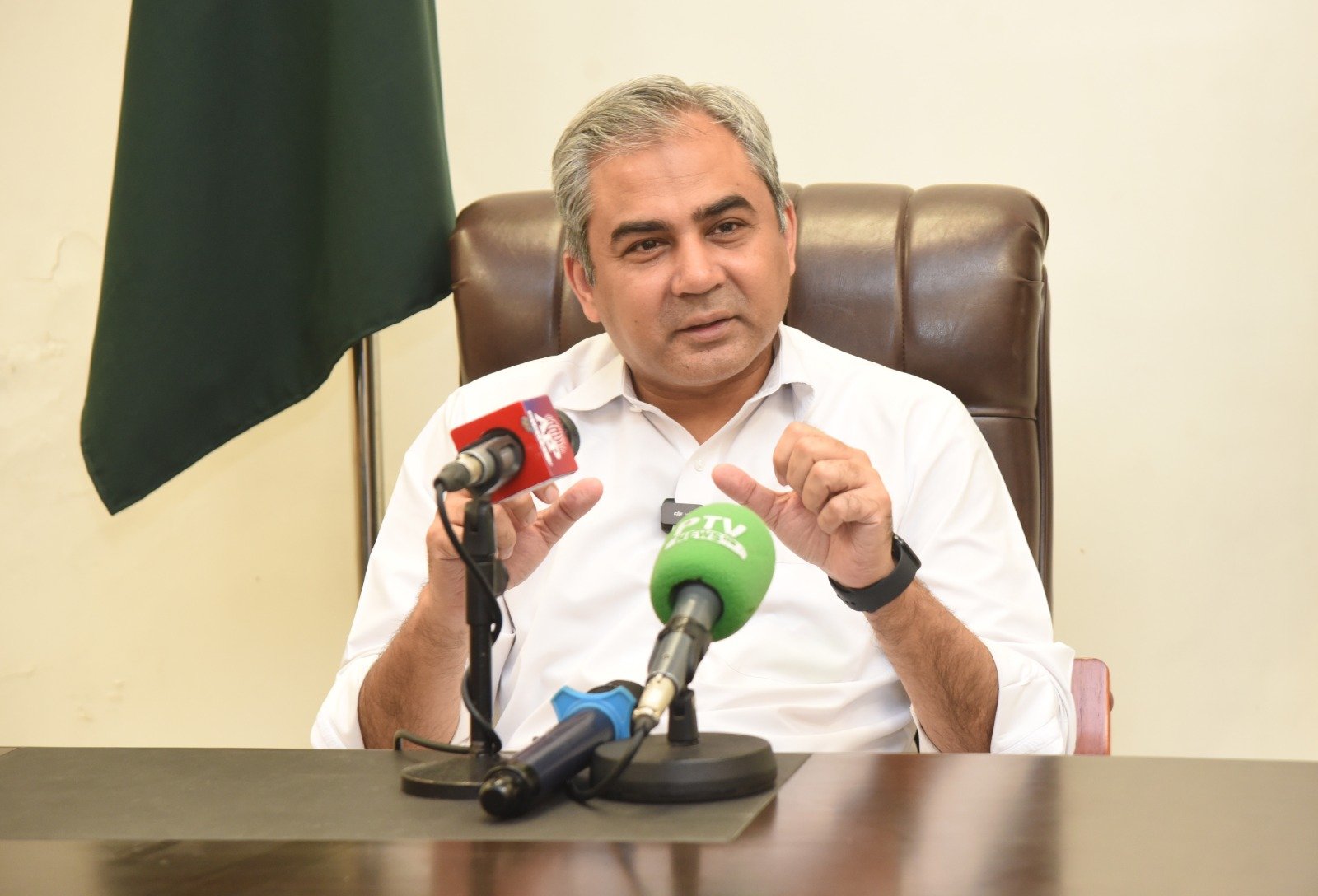
The Pakistan Sudan visa free travel agreement was signed by Interior Minister Mohsin Naqvi and Sudanese Interior Minister Lieutenant General Babiker Samra Mustafa Ali during their meeting in Islamabad on Saturday. The Sudanese minister is in Pakistan for talks with the interior ministry, and the signing was the centrepiece of the visit.
Naqvi said Pakistan was ready to extend all possible assistance to Sudan in restoring peace and supporting reconstruction. The Sudanese minister welcomed Pakistan’s offers of cooperation and thanked Islamabad for its support across various fields, describing Pakistan as a brotherly country and saying Sudan attached great importance to strengthening ties with it.
Security, cybercrime and police training
Beyond the visa exemption, the two sides agreed to strengthen institutional collaboration in internal security, cybercrime, police training and civil registration. They also decided to sign a memorandum of understanding to enhance cooperation in tackling cybercrime, with the Sudanese interior minister expressing interest in benefiting from Pakistan’s expertise in the field.
Pakistan also offered professional training for Sudanese police officers, which the Sudanese side welcomed. The emphasis reflects the practical side of the visit: alongside the Pakistan Sudan visa free travel agreement, the two interior ministries are building working-level cooperation between their security institutions.
NADRA’s role in Sudan’s civil registration
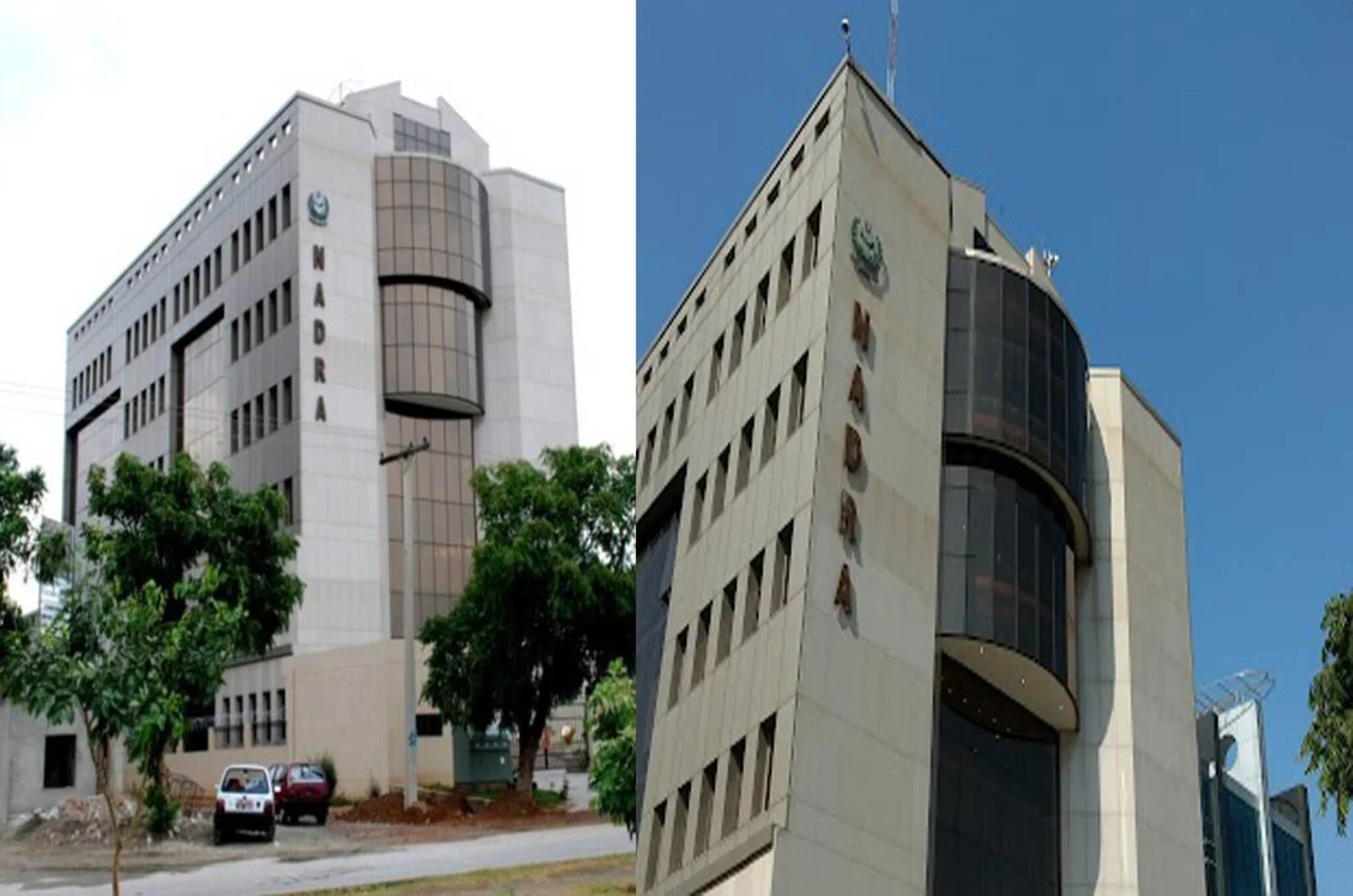
One of the most concrete parts of the discussion concerned civil registration, where Pakistan’s National Database and Registration Authority (NADRA) already has a long record of working with Sudan. Highlighting NADRA’s role, Naqvi said the authority had helped Sudan issue 36 million citizenship cards, nine million national identity cards, 18 million birth certificates and 500,000 death certificates.
Naqvi said NADRA was ready to keep helping Sudan strengthen its civil registration process. For a country rebuilding state institutions, functioning civil registration — identity cards, birth and death records, citizenship documentation — is a foundation other services depend on, and it is one of the practical things Islamabad can offer Khartoum.
Visa help and healthcare for Sudanese citizens
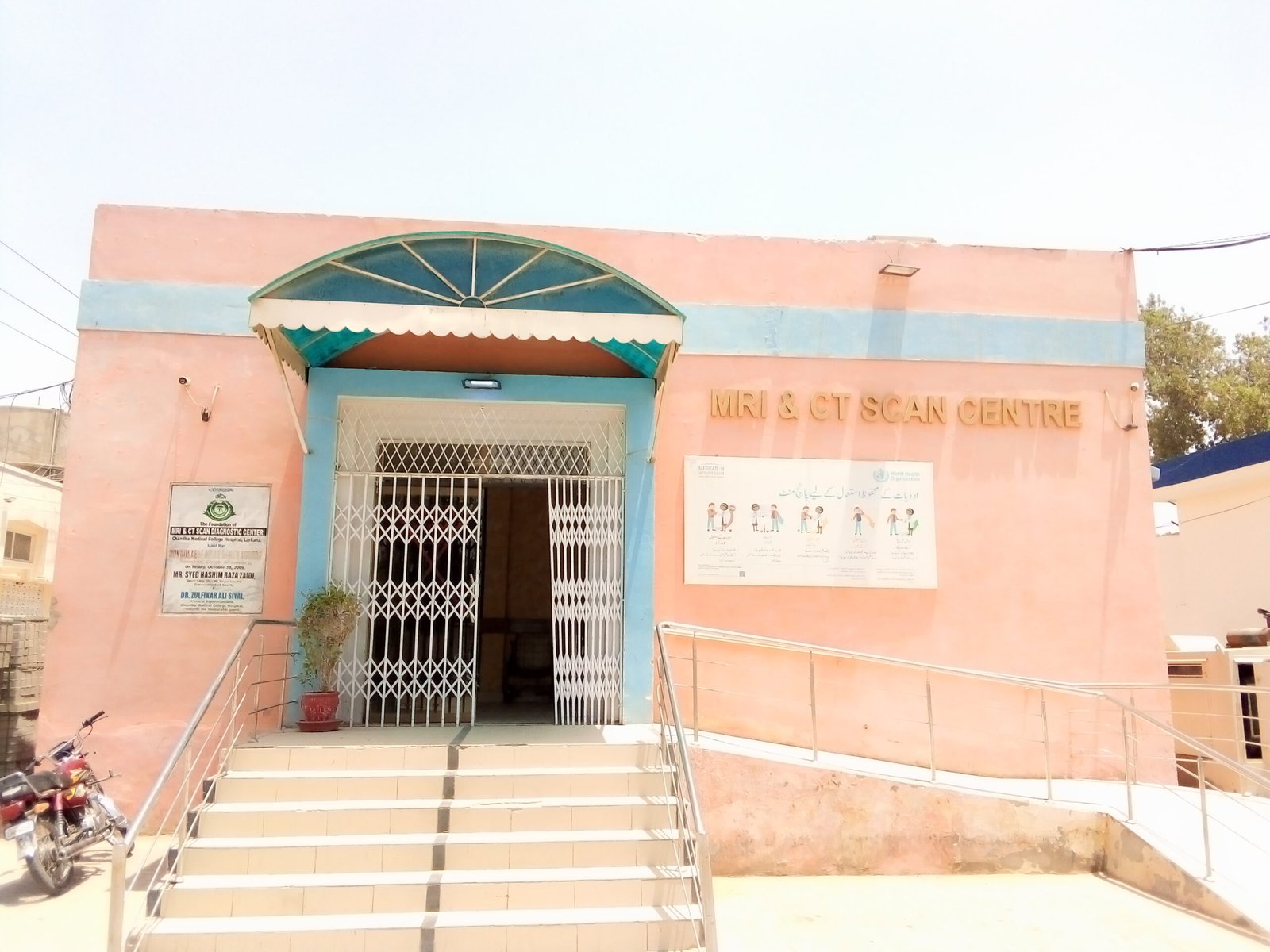
Separately, Naqvi directed officials to immediately resolve visa-related issues faced by Sudanese women married to Pakistani nationals, a practical problem that has affected families caught between the two countries’ systems. He also said Sudanese citizens could benefit from medical facilities in Pakistan, assuring that all possible assistance would be provided to them in the healthcare sector.
The Sudanese minister welcomed both offers and thanked Pakistan for its support. The healthcare assurance and the visa instruction sit alongside the Pakistan Sudan visa free travel agreement as the human side of the visit — measures aimed at ordinary people rather than officials, even though the visa-free arrangement itself covers only diplomatic and official passport holders.
What the deal means for Pakistan–Sudan ties
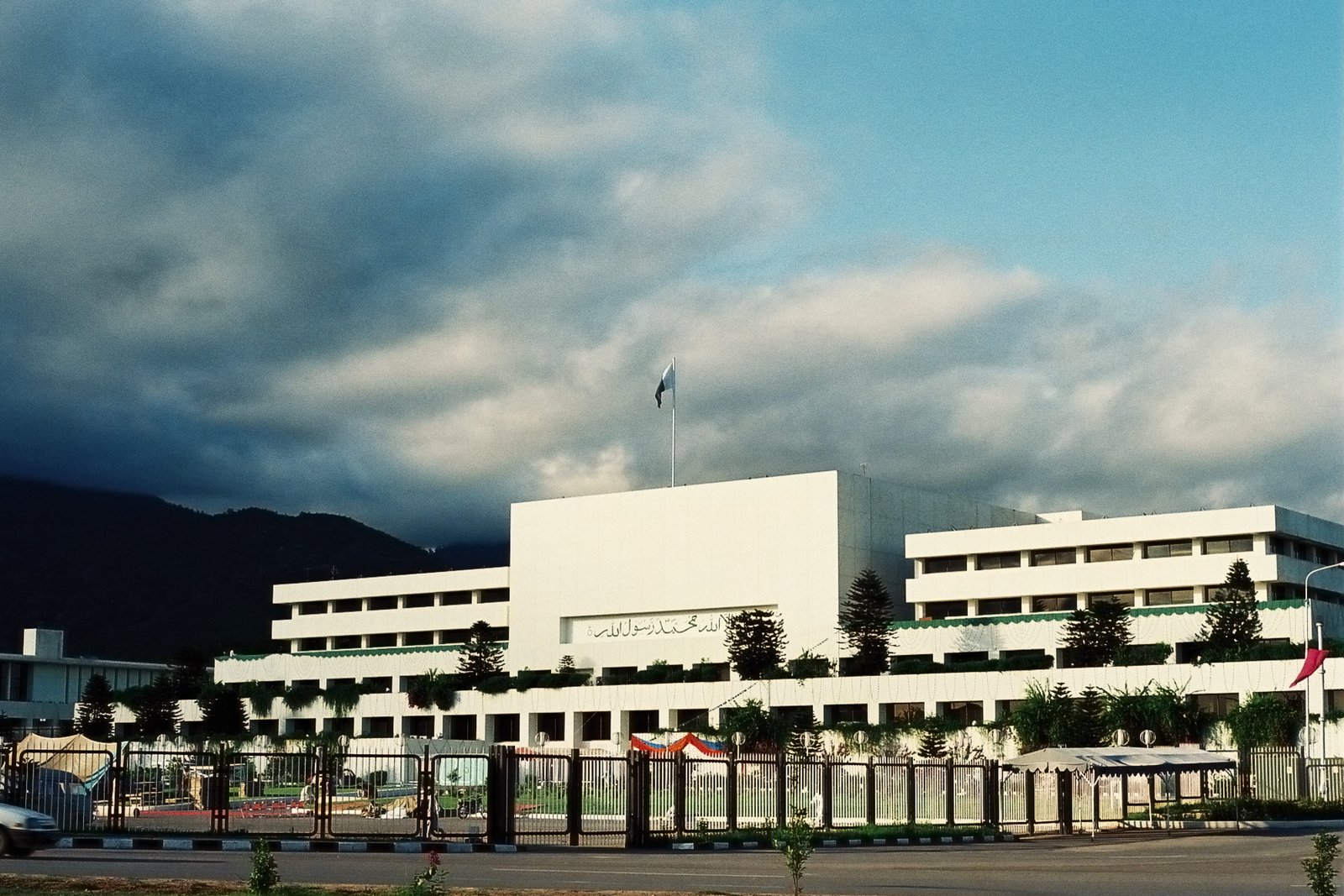
The Pakistan Sudan visa free travel agreement is modest in what it grants — visa-free entry for a small group of officials and diplomats — but it signals wider engagement, paired with cooperation on cybercrime, police training, civil registration and healthcare, and an explicit Pakistani offer to help Sudan’s peace and reconstruction efforts.
No implementation timeline for the visa exemption was announced, so the practical test will be when diplomatic and official passport holders can actually start travelling without visas. What is clear from Saturday’s signing is the direction of travel: Islamabad and Khartoum are building a closer institutional relationship, and the Pakistan Sudan visa free travel agreement is the formal marker of that intent.
Sources: Islamabad Post and TechJuice
Related Posts
 Pakistan NewsMaryam Nawaz Removes Jhelum DC After Exam Postponed for Her Visit
 Pakistan NewsPakistan Considers 12 Provinces: Referendum May Come Before Proposed 28th Amendment
 Pakistan NewsPoliceman Martyred as Motorcycle Bomb Explodes in Shangla’s Chakesar Area
 Pakistan NewsSupreme Court Acquits Two Brothers in Blasphemy Case After 20 Years on Death Row
 Pakistan NewsMilitant Attacks in Pakistan Jump to 49 in a Week as Violence Surges Again, PICSS Reports
 Pakistan NewsSanam Javed Files for Khula From Husband Atiq Riaz, Lahore Family Court Issues Notice for November 25
Most Popular
 How-ToPTA Tax Calculator 2026: Check Mobile Tax on Any Phone419 views
 Pakistan NewsPIA Boeing 787 Lease Deal: What It Means for the Airline392 views
 Canada JobsTech Jobs in Canada: Roles, Salaries, and Skills Needed389 views
 SportsUEFA Champions League 2026-27: Format, Teams and Schedule386 views
 TechnologyPM Shehbaz Sets November Deadline for Alibaba AI and Digitalisation Projects in Pakistan367 views
 ShowbizWomen’s Fashion in Pakistan 2026: Trends, Brands and Style Guide362 views

One comment