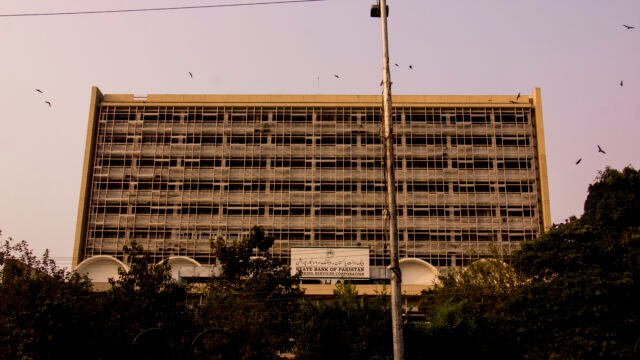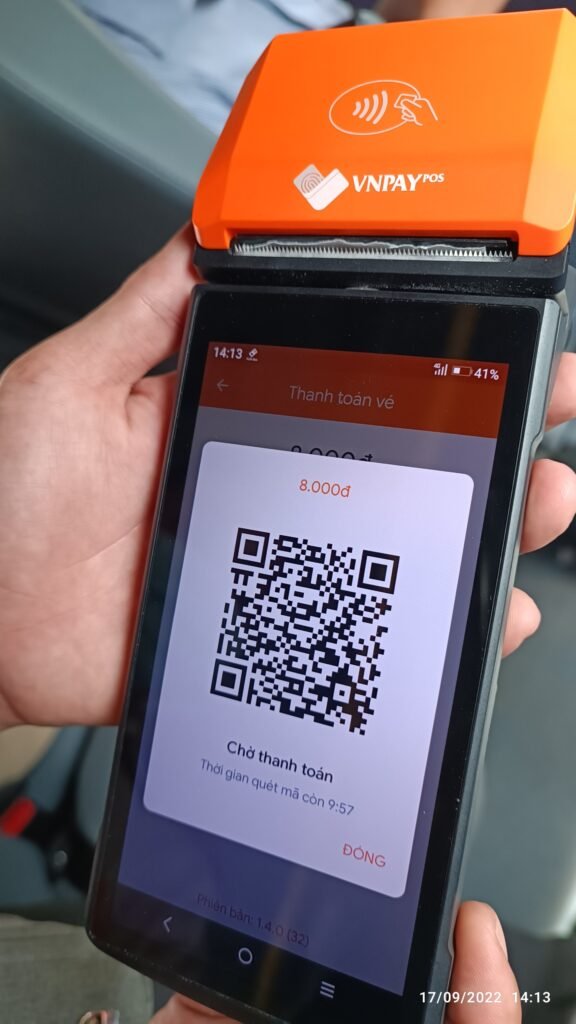
Pakistan is moving toward a fully cashless economy. Prime Minister Shehbaz Sharif has ordered officials to prepare a clear, time-bound roadmap for a 100 percent digital payments system across the country, setting the most ambitious target yet for ending cash in everyday transactions.
Chairing a high-level meeting in Islamabad on Friday, 6 November 2026, the prime minister said promoting a cashless economy was one of the government’s top priorities and that positive results had already started to emerge. He praised the Ministry of Finance and the relevant state institutions for their work so far — and then told them to move faster.
The meeting matters because it turns a long-running ambition into a dated plan. For the first time, the government has put firm dates on the table: cheques for government payments end within days, most government payments go fully digital by December 2026, and a complete roadmap with specific timelines and targets is now being drawn up. For ordinary Pakistanis, the change will show up at the shop counter, on the electricity bill and in the way salaries and welfare payments arrive.
What the Prime Minister ordered
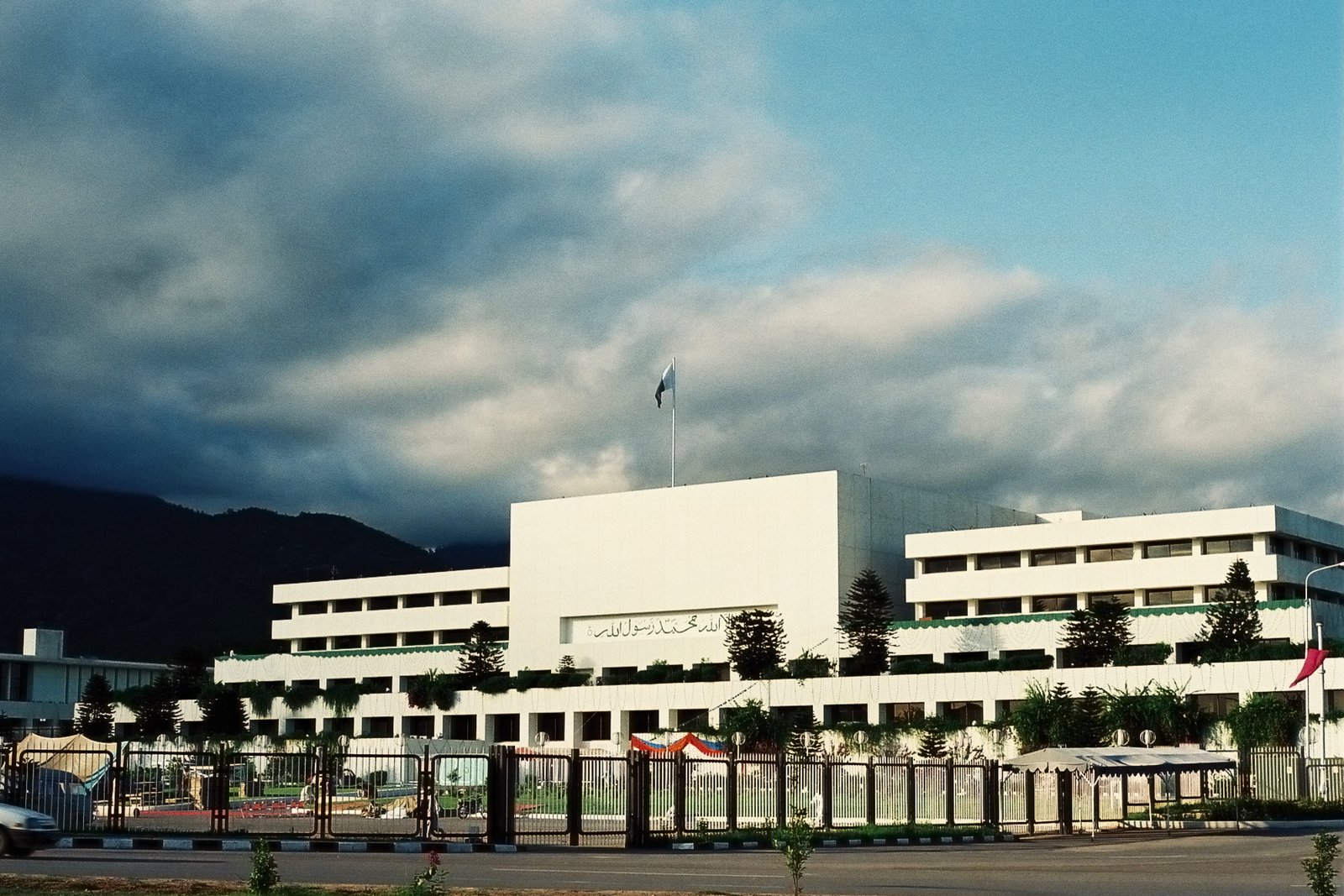
The prime minister directed the relevant authorities to present a roadmap with specific timelines and targets for establishing a 100 percent digital payments system nationwide. He instructed officials to immediately address the problems consumers face in the digital payment system, and stressed the need to ensure internet connectivity across the country and to facilitate public access to technology.
All ministries and government institutions were told to ensure the complete implementation of the government’s cashless economy plan. The meeting was attended by Finance Minister Muhammad Aurangzeb, IT Minister Shaza Fatima Khawaja, Information Minister Attaullah Tarar, Minister of State for Finance Bilal Azhar Kayani, State Bank Governor Jameel Ahmad, provincial chief secretaries and senior officials of the relevant institutions.
The message from the meeting was blunt: the cashless push is no longer a pilot project or a slogan. It is now a whole-of-government programme, and every ministry is expected to deliver on it.
Cheques end on 15 November — Raast takes over
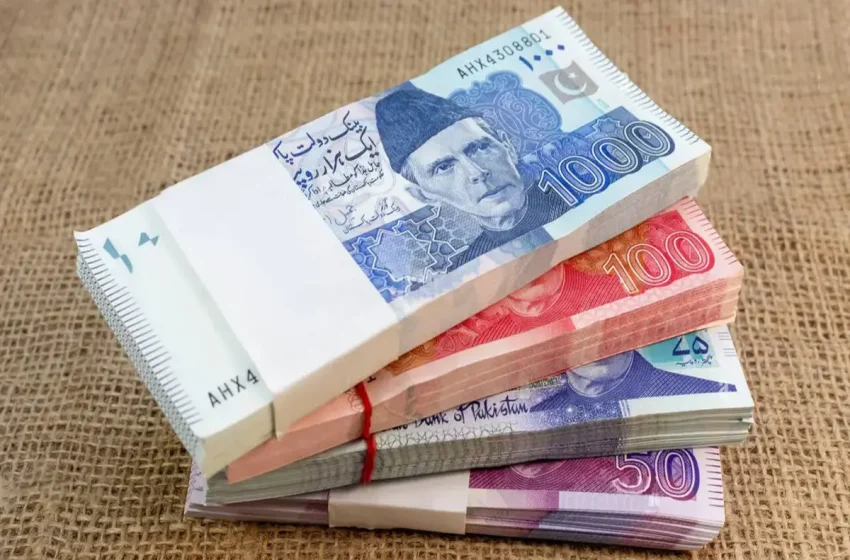
The most concrete step announced at the meeting has a date attached. Payments through cheques under Easy Assignment Accounts will be discontinued from 15 November 2026. From 16 November, all payments under these accounts across the country will be made through Raast, the State Bank of Pakistan’s instant digital payment system.
The relevant Drawing and Disbursing Officers have already been trained for the transition, officials told the meeting. Assignment accounts are the mechanism through which government departments make payments, so the switch means a large slice of official spending will move off paper and onto the digital rails within days.
Raast is the backbone of the whole plan. The free, instant payment system allows bank-to-bank and wallet transfers in seconds, and the prime minister instructed officials to continue the government-backed initiative promoting digital payments between consumers and merchants through the Raast QR Code system. He observed that the Raast QR Code-based payment system was already helping the government achieve its vision of a cashless economy.
Government payments to go fully digital by December 2026
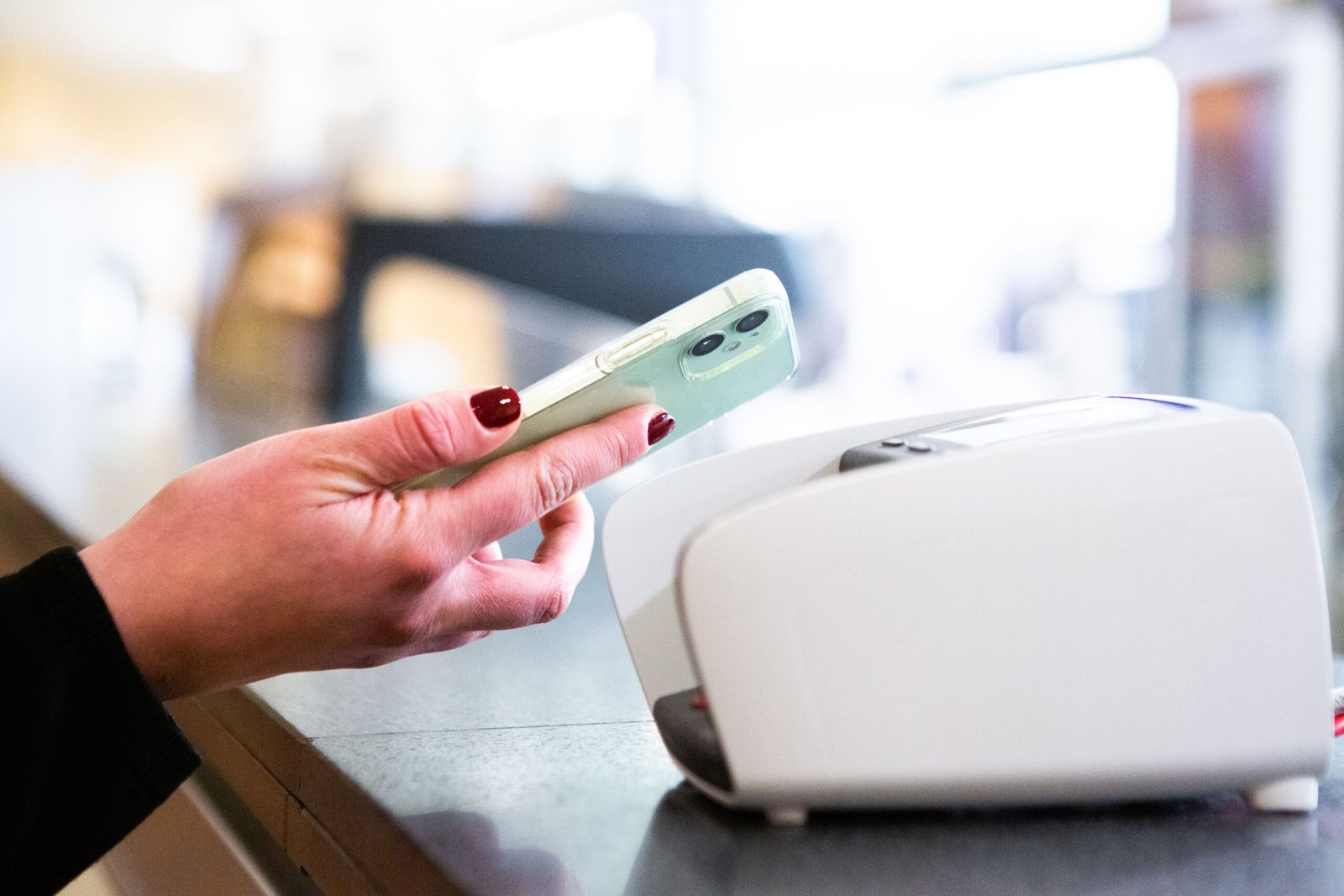
The meeting was informed that work on digitising payments across all federal and provincial government institutions was progressing rapidly, with payments in most institutions expected to be fully digitised by December 2026.
One part of the system is already there. The participants were told that 100 percent of payments under the Benazir Income Support Programme (BISP) are now being made through digital wallets — the model the government wants to copy across every department, from salaries and pensions to welfare transfers.
An independent third-party validation of the cashless economy initiative is also under way, with a final report and recommendations expected in November 2026. That review will be the first outside test of the numbers the government has been quoting — and of whether the December deadline is realistic.
QR codes on utility bills — and payments without internet
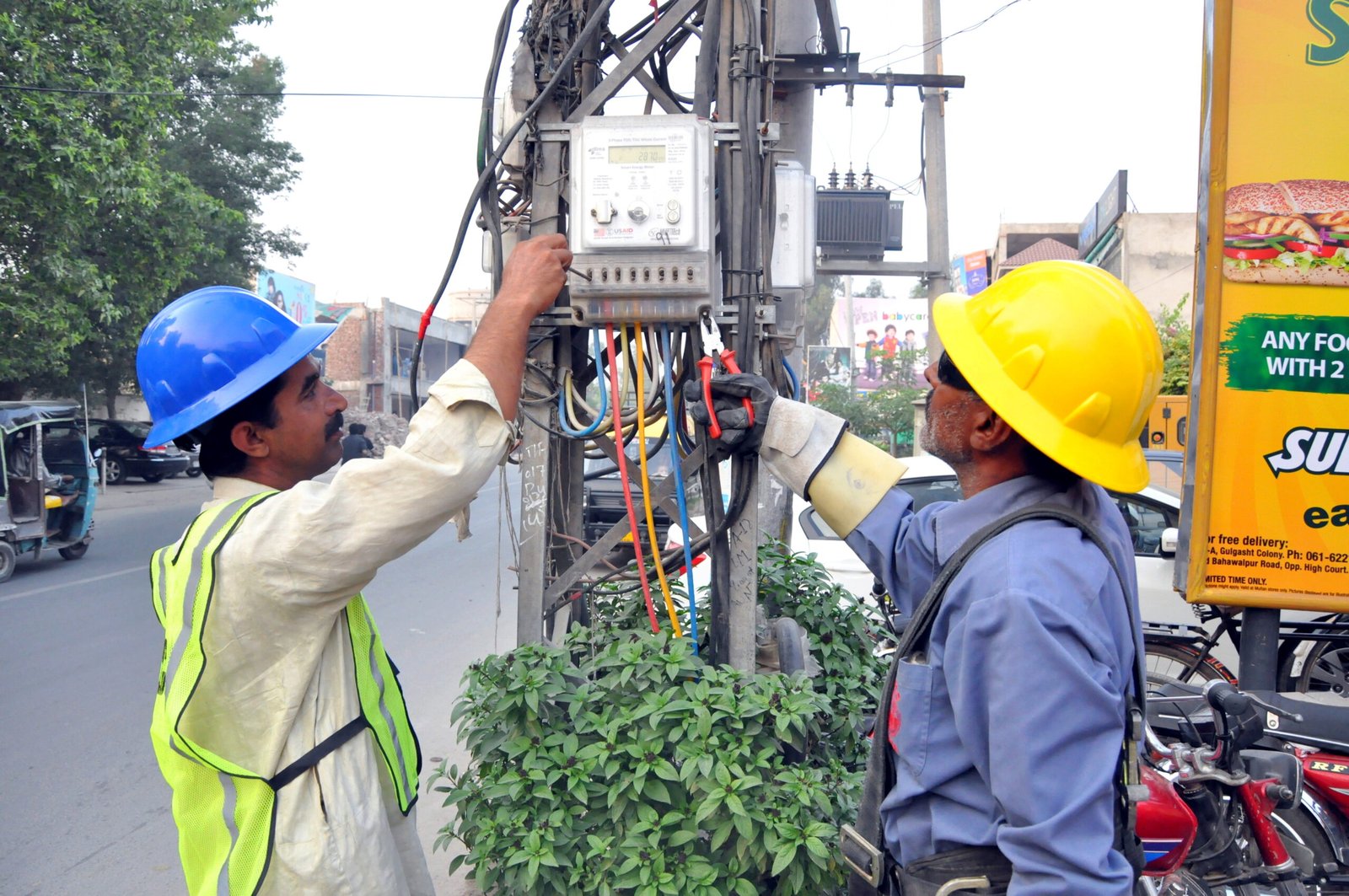
The prime minister also directed the launch of an effective media campaign to encourage electricity and gas consumers to make payments through QR codes printed on their utility bills. The move builds on earlier plans to place QR codes on all utility bills, part of a broader effort to familiarise the public with digital transactions and reduce reliance on cash.
Work is also under way to introduce an advanced system for digital payments in areas without internet connectivity, while infrastructure development to ensure internet access throughout the country is progressing rapidly. That offline option matters: millions of Pakistanis still live in areas with patchy connectivity, and a cashless system that only works with a strong signal would leave them behind.
How far Pakistan has already come

The numbers behind the push are striking. The State Bank told parliament’s finance committee this week that Pakistan’s financial system already supports 226 million accounts and 46 million Raast IDs, and that 88 percent of retail transactions are now digital. The system includes 19,000 bank branches, 20,000 ATMs, nearly 195,000 point-of-sale machines and more than 700,000 branchless banking agents.
The State Bank says Pakistan recorded 11.9 billion digital transactions in the financial year from July 2025 to June 2026, and that 92 percent of home remittances from overseas Pakistanis already arrive through digital channels. Five new digital banks have received in-principle approval, and Mashreq Bank launched its digital operations in Pakistan in just 12 months — a process the central bank says typically takes five years in other countries.
Challenges remain. Low financial literacy and regulatory gaps still hold back adoption, and the prime minister himself acknowledged that consumer problems in the digital payment system must be fixed urgently. But the direction is now set, the dates are on the calendar, and the first test arrives on 15 November, when the cheques stop.
Related Posts
 TechnologyIESCO QR Code Payment Launched for Electricity Bills
 TechnologyPVARA Pushes Cheaper Remittances: Cutting Fees by 2–3% Could Keep $1 Billion a Year in Pakistani Families’ Hands
 TechnologyPakistani Astronaut to Join China’s Shenzhou-24 Mission — First Foreign Visitor to Tiangong Space Station
 TechnologyGovernment Offers Up to Rs 70,000 Back on IT Certifications — How to Apply for the PM Reimbursement Programme
 TechnologyOUKITEL WP63 Goes on Sale at $339: Rugged Phone With a Built-In Lighter and a 20,000mAh Battery
 TechnologyAI Is Now Building AI Twice as Fast, Independent Audit of Anthropic Finds
Most Popular
 How-ToPTA Tax Calculator 2026: Check Mobile Tax on Any Phone417 views
 Pakistan NewsPIA Boeing 787 Lease Deal: What It Means for the Airline389 views
 Canada JobsTech Jobs in Canada: Roles, Salaries, and Skills Needed387 views
 SportsUEFA Champions League 2026-27: Format, Teams and Schedule384 views
 TechnologyPM Shehbaz Sets November Deadline for Alibaba AI and Digitalisation Projects in Pakistan364 views
 ShowbizWomen’s Fashion in Pakistan 2026: Trends, Brands and Style Guide360 views