Balochistan has launched its first digital Nikah registration service, allowing marriages to be recorded and certified through NADRA’s Pak ID mobile app instead of the paper-based process that families have relied on for decades. The first Marriage Registration Certificate issued under the new system came from a union council in Quetta, marking the start of a pilot that officials say will eventually reach union councils across the province.
The service is a joint effort between the Balochistan government and the National Database and Registration Authority (NADRA). It introduces digital registration for nikah registrars alongside a digital solemnisation module, replacing much of the manual paperwork traditionally involved in recording a marriage. For couples in Quetta, the change means the certificate that proves a marriage — a document needed for passports, visas and identity-card updates — can now be generated and downloaded from a phone.
Digital Nikah registration arrives as part of a wider push to move civil records online in Pakistan. NADRA’s Pak ID app already lets Quetta residents register births, deaths, marriages and divorces from home. The pilot began quietly in late October, and the first certificate was issued on 30 October 2026.
How Digital Nikah Registration Works in Quetta
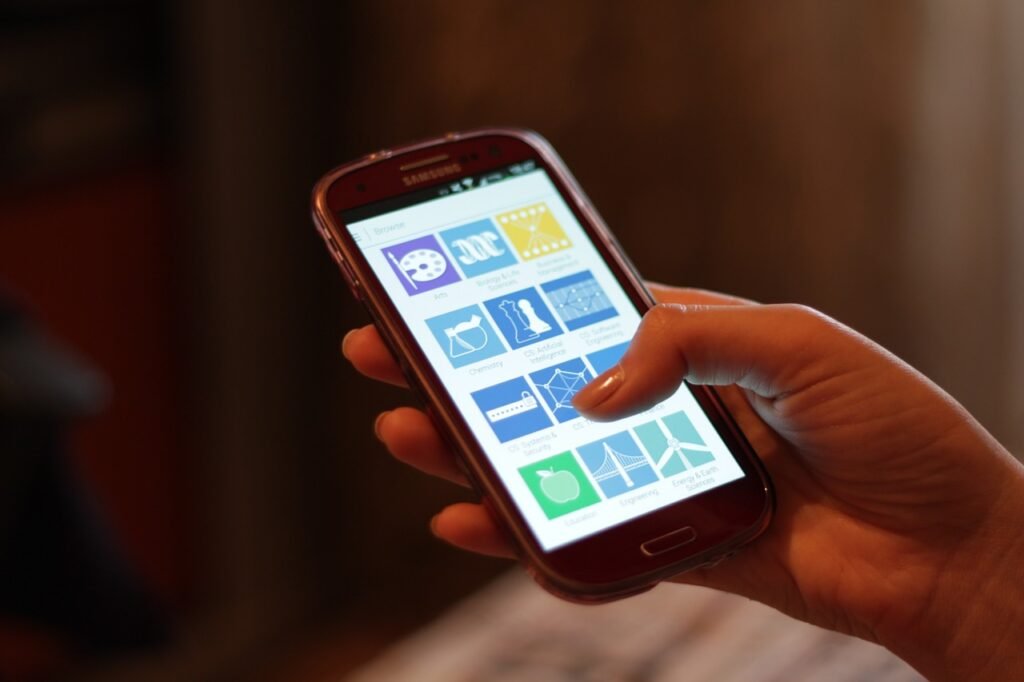
Under the new system, a registered nikah registrar submits the marriage details and the required documents to the relevant union council through the Pak ID app. The union council secretary then verifies the submission and approves it. Once approval is given, the system automatically generates the Marriage Registration Certificate — no manual drafting of the certificate is needed.
The certificate is then available to everyone involved. The registrar, the bride and the groom can each download and print the document from their own Pak ID accounts. That shared access matters: in the paper system, families often had to make repeated trips to the union council office to collect or correct a certificate, and a lost paper copy could mean starting the process again.
The workflow also tightens the record-keeping. Because the registrar’s submission, the union council’s approval and the certificate itself all live in the same digital chain, there is less room for the errors and delays that creep into handwritten registers. Officials say the initiative is intended to make marriage registration more transparent, efficient, secure and faster, while cutting down on manual processing.
For anyone unfamiliar with the wider process, our guide to marriage certificate registration in Pakistan explains the documents involved and how the computerized certificate fits into NADRA’s records.
First Certificate Issued: The Pilot Timeline
The pilot ran at Haji Ghaibi Road Union Council, Ward 22, under the Quetta Metropolitan Corporation. Three officials were credited with completing it: Dr Nausheen Khan, deputy director at Quetta Metropolitan Corporation; Dawood Momand, NADRA’s assistant director for Civil Registration and Vital Statistics; and Muhammad Arif, field officer for Quetta district.
The timeline moved quickly once the pieces were in place. Maulvi Samiullah became the province’s first digitally registered nikah registrar when he received his licence on 28 October 2026. The next day he recorded the first marriage through the new system, and authorities issued the Marriage Registration Certificate on 30 October — proving the platform works end to end, from a registrar’s phone submission to a downloadable certificate.
What Digital Nikah Registration Changes for Couples and Registrars
The most obvious change is the removal of the physical visit. Registered nikah registrars no longer need to carry paper forms to the union council; they submit everything through the Pak ID app. Couples no longer need to queue at an office to collect the certificate, since it lands in their own Pak ID accounts.
There is also a practical benefit for the documents that follow a marriage. The computerized Marriage Registration Certificate is the document recognised for official purposes — updating marital status on a CNIC, applying for a passport or a family visa, and submitting records to foreign embassies. Because the digital certificate is generated from the same verified record, the details on it match NADRA’s database, reducing the mismatches that can stall a passport or visa application.
The app already handles much of this ecosystem. NADRA’s online services cover CNIC, NICOP and family registration certificates, and the Pak ID app is the single doorway to them — see our guide to NADRA online services for what else can be done from a phone. Adding digital Nikah registration to that same app means a couple’s marriage record sits alongside the identity documents it will later be used to update.
For registrars, the digital licence is a professional step too. Being registered in the system is what allows a nikah registrar to submit marriages electronically, and the first licence issued in Quetta sets the template for how others across Balochistan will be brought on board.
What Happens Next Across Balochistan
For now, the service is a pilot centred on one union council in Quetta. Officials view it as the foundation for extending digital Nikah registration to other union councils in the months ahead, and NADRA has previously said the wider mobile civil-registration service will eventually cover the whole province.
The rollout will be watched for two reasons. First, Balochistan’s union councils serve communities spread across large distances, where a trip to the office can take a full day — the benefit of a phone-based system is larger there than in a big city. Second, the province’s experience will shape how other provinces digitise their own marriage records, since the same Pak ID infrastructure is available nationwide.
There are still questions to answer as the pilot expands: how quickly new registrars can be licensed, whether union council staff in smaller towns can verify submissions just as fast, and how families without smartphones will be served. But the first certificate is already issued, and the system behind it is live. For couples in Quetta, registering a nikah no longer starts with a paper form — it starts with an app.
Sources: Around.pk, CW Pakistan and NationPulse.
Related Posts
 TechnologyNational CERT Warns Banks of AI-Powered Cyberattacks in Pakistan
 TechnologyBinance Reopens Withdrawals for More Assets After $6.3 Billion Hack — HYPE, INJ, APT, NEAR and LTC Targeted by Next Week
 TechnologySBP Core Banking Network Goes Live as Cisco Data Centre Switches On in Karachi
 TechnologyJaecoo J5 EV Pakistan Price Announced — Ex-Factory Price, Variants, Bookings and Delivery
 TechnologyAMD Q3 Earnings: Data Centre Revenue Soars 97% as AI Chip Demand Defies the Nasdaq Rout
 TechnologyNasdaq Crashes 5.5% Into Correction as AI Stock Rout Wipes $3 Trillion — KSE-100 Falls Too
Most Popular
 How-ToPTA Tax Calculator 2026: Check Mobile Tax on Any Phone417 views
 Pakistan NewsPIA Boeing 787 Lease Deal: What It Means for the Airline389 views
 Canada JobsTech Jobs in Canada: Roles, Salaries, and Skills Needed387 views
 SportsUEFA Champions League 2026-27: Format, Teams and Schedule384 views
 TechnologyPM Shehbaz Sets November Deadline for Alibaba AI and Digitalisation Projects in Pakistan364 views
 ShowbizWomen’s Fashion in Pakistan 2026: Trends, Brands and Style Guide360 views