Xiaomi has begun the global stable rollout of HyperOS 4, and the update is now one of the most searched technology topics in Pakistan. The company published the full global release schedule on 4 November 2026: 82 Xiaomi, Redmi and POCO devices will receive the Android 17-based software in three waves running through December. The first wave is already under way, and it covers the phones Pakistani buyers know best — the Xiaomi 17 and 15 series, the Redmi Note 15 and Note 17 families, and the POCO F8 and X8 line-ups. For the millions in Pakistan using a Xiaomi, Redmi or POCO phone, this is the software update that matters most this year.
HyperOS 4 rollout: the three waves and the 82 devices
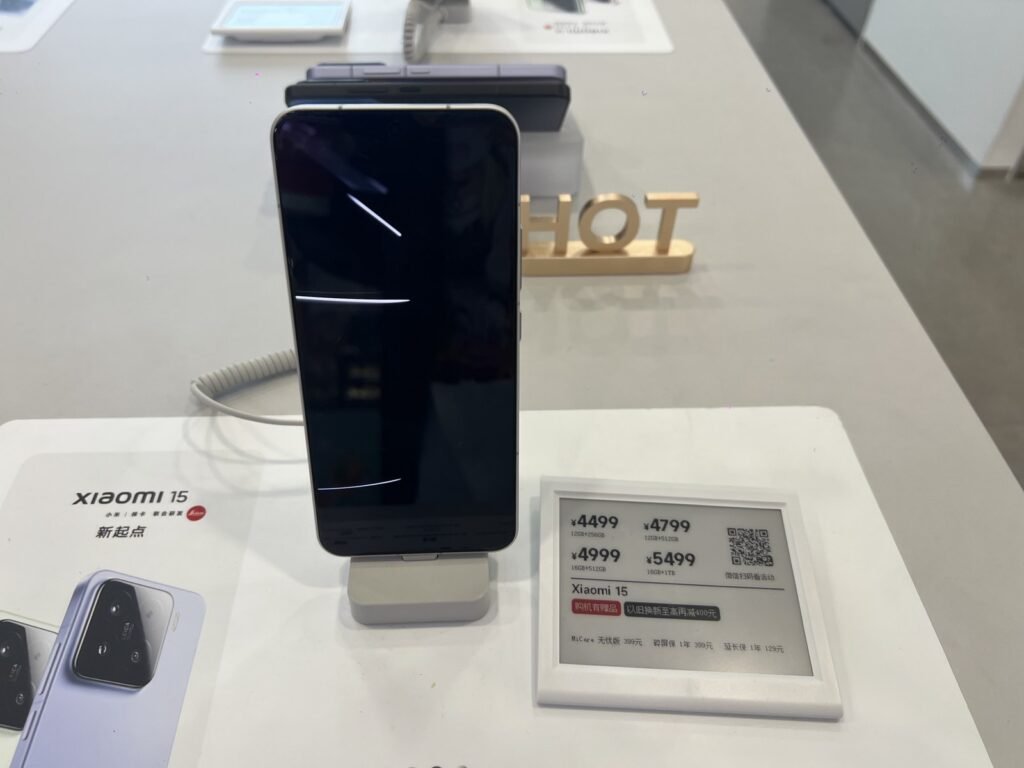
The schedule splits the HyperOS 4 eligible devices into three groups. The first wave, starting in early November, covers 33 devices: the Xiaomi 17 Ultra, Xiaomi 17, Xiaomi 17T Pro and Xiaomi 17T, the Xiaomi 15 Ultra and Xiaomi 15, the POCO F8 Ultra, F8 Pro, X8 Pro Max, X8 Pro and X8, the POCO M8 Pro, M8, C95 Pro and C85, the Redmi Note 17 Pro Max 5G, Note 17 Pro 5G, Note 17 and Note 17 5G, the Redmi 17 5G, Redmi 17 and Redmi 17C 5G, the Redmi 15C 5G and Redmi 15C, the Redmi Note 15 Pro+ 5G, Note 15 Pro 5G, Note 15 Pro, Note 15 5G and Note 15, plus the Xiaomi Pad 8 tablets.
A second wave follows from mid-November with 16 more devices, including the Xiaomi 15T Pro and 15T, the POCO F9 and F7 series, the POCO X7 Pro, the Xiaomi Pad 7 series and Pad Mini, and the Redmi Pad 2 Pro and POCO Pad models. The final wave arrives in December and brings in older hardware: the Xiaomi MIX Flip, the Xiaomi 14 and 13 series, the 14T and 13T models, the Redmi Note 14 family, the POCO F6 series, the POCO X7 and X6 Pro, and several tablets. In total, the update reaches 67 phones and 15 tablets. Xiaomi stresses these are estimated windows, not fixed dates: timing can shift by region, carrier and model, and the order inside each wave is not the exact rollout sequence. The full device list shows just how wide the rollout is, reaching back to 2022’s Xiaomi 13 models for flagships, though the cut-off is much closer to today for mid-range phones.
What is new: Soft Light Glass, speed and Android 17
HyperOS 4 is built on Android 17, and its most visible change is a new design language Xiaomi calls Soft Light Glass. Translucent panels, redesigned notifications, customisable lock screens with more clock styles, larger widgets and stackable widgets give the interface a lighter, layered look, with subtle lighting effects on press and hold. Floating windows and system animations have also been smoothed out, and the update adds deeper integration with iOS, making it easier to share photos, files, contacts and web pages with iPhone users.
Performance is the other headline. Xiaomi says its reworked HyperCore engine cuts instruction load, speeds up app launches, improves memory management and reduces frame drops. Its own figures are specific: launching 30 apps after nine hours of use falls from 40.3 seconds on HyperOS 3 to 36.8 seconds, about 8.7% faster. Camera speed improves too, with rear-camera HDR photo capture dropping from 313.38 milliseconds to 240.16 milliseconds and cold launch from 1,043.6 milliseconds to 808.8 milliseconds. It was first shown in China in August 2026. The update also brings a redesigned interface and AI-powered features to the Redmi and POCO brands, not just Xiaomi’s flagships.
Super XiaoAi 2.0 and the AI features
Much of HyperOS 4 is built around artificial intelligence. The update introduces Super XiaoAi 2.0, Xiaomi’s assistant powered by the company’s MiMo large language model, which can search photo libraries, manage schedules, control smart-home devices and identify products on screen. AI Voice Notes organise recordings and pull out to-do lists, while AI Speech Recognition, AI meeting summaries, real-time conversation translation and smarter photo search round out the package.
The Super Island feature, Xiaomi’s take on the dynamic island, now supports more than 130 services. Privacy has been given attention as well, with post-quantum encryption for communication channels, edge-to-cloud AI data security that keeps more processing on the device, and confirmation prompts before sensitive actions such as deleting or sharing data. One honest caveat matters for buyers outside China: some of the AI capabilities remain limited to supported devices and to China-specific software versions, so international users may not get the full feature set on day one.
What Pakistani users should know before updating
For users in Pakistan, the HyperOS 4 release date depends on their phone’s place in the three waves — and on region. Xiaomi has not announced a Pakistan-specific date, and the schedule’s own note says availability varies by region and carrier, so a Redmi Note 15 owner in Lahore may not see the update on the same day as someone in another market. Check manually in Settings, under About phone and then System update, rather than waiting for the notification.
Two practical points are worth knowing before tapping install. First, the update package can be larger than 8 GB if you are coming from a stable HyperOS 3 build, so download it over Wi-Fi with the battery well charged. Second, as with any major Android version jump, backing up photos and important files first is wise. The Redmi Note series is among the best-selling phone lines in Pakistan, and the Redmi Note 15 HyperOS 4 update puts those phones in the very first wave — so many local Xiaomi users will be among the earliest in the world to try Android 17. The global schedule confirms the rollout will be completed by the end of December 2026, which means that by the new year, most eligible Xiaomi, Redmi and POCO phones in Pakistan should be running the new software.
Related Posts
 TechnologyJazz Tops PTA Network Quality Survey in Islamabad and Rawalpindi
 TechnologyNothing’s First AI Device Ships in December — and It Has No Screen at All
 TechnologyMotorola Signature 27 Is Official at $1,599: 200MP Periscope Camera, Snapdragon 8 Elite Extreme Gen 6 and a 7,000mAh Battery
 TechnologyOpenAI IPO 2027: Brockman Says ChatGPT Maker Could Be Ready to Go Public as Enterprise Sales Take the Lead
 TechnologySam Altman RAM Comments: OpenAI Boss Becomes ‘Ram Altman’ After Backlash
 TechnologyPakistan–Russia Technology Partnership Takes Shape as IT Webinar Targets AI, Cybersecurity and Quantum Computing
Most Popular
 How-ToPTA Tax Calculator 2026: Check Mobile Tax on Any Phone416 views
 Pakistan NewsPIA Boeing 787 Lease Deal: What It Means for the Airline388 views
 SportsUEFA Champions League 2026-27: Format, Teams and Schedule383 views
 Canada JobsTech Jobs in Canada: Roles, Salaries, and Skills Needed379 views
 TechnologyPM Shehbaz Sets November Deadline for Alibaba AI and Digitalisation Projects in Pakistan361 views
 ShowbizWomen’s Fashion in Pakistan 2026: Trends, Brands and Style Guide356 views