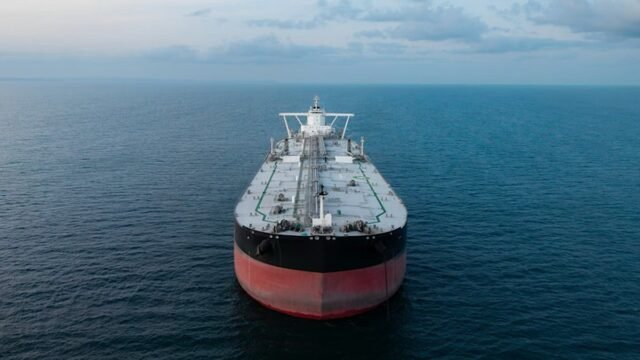
The United States has sanctioned an India-based couple and a network of companies accused of helping Iran’s shadow fleet move oil around the world under false flags, in the latest action under Washington’s “Operation Economic Outcast” campaign against Tehran’s oil revenues.
The US Treasury Department announced the measures on Wednesday, 4 November, targeting what it called a “vast criminal network” run by Suniel Kumar Sharma and his wife Jaspreet Preeti Shahid, based in Chandigarh, India. Two other Indian citizens who head two of the couple’s businesses were also designated, along with nine separate entities connected to Sharma.
How the fake-flag scheme worked
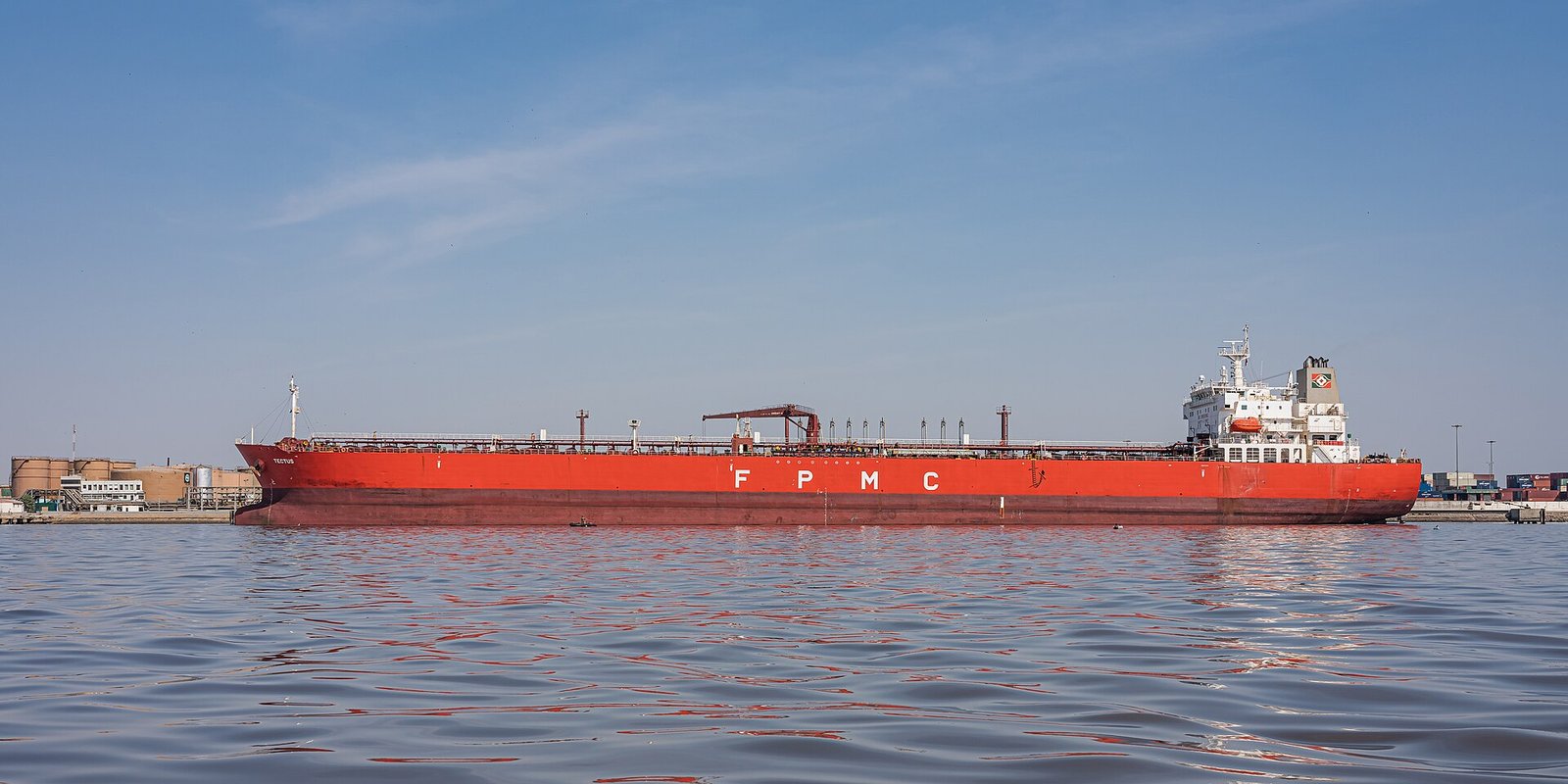
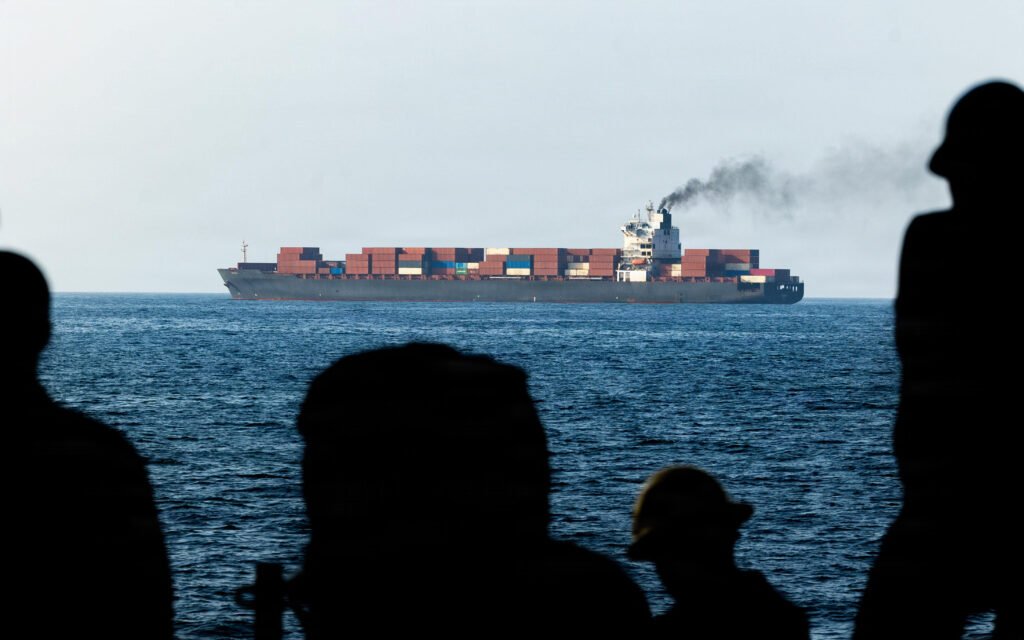
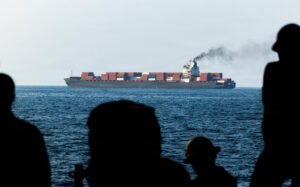
According to the Treasury, the network sold false flags and maritime certifications to sanctioned vessels carrying Iranian petroleum, including ships operating on behalf of the Iranian military and its proxies. A flag is the nationality a ship sails under, and a fake one lets a vessel hide its real identity, dodge inspections and keep trading while under sanctions.
The couple allegedly claimed fraudulently to represent countries including Guyana, Eswatini and Laos when issuing flags and certificates, and bought web domains to create websites that presented the operation as an official flagging, seafarer-training and vessel-classification service. The Treasury said the activity dated back to at least 2014, when the network allegedly first tried to impersonate the maritime flagging authority of the Caribbean nation of Dominica.
False flags and fake certificates also let vessels evade international safety and environmental rules, and ships sailing under them typically carry no indemnity insurance — leaving coastal states and other shipping exposed if anything goes wrong.
The companies named
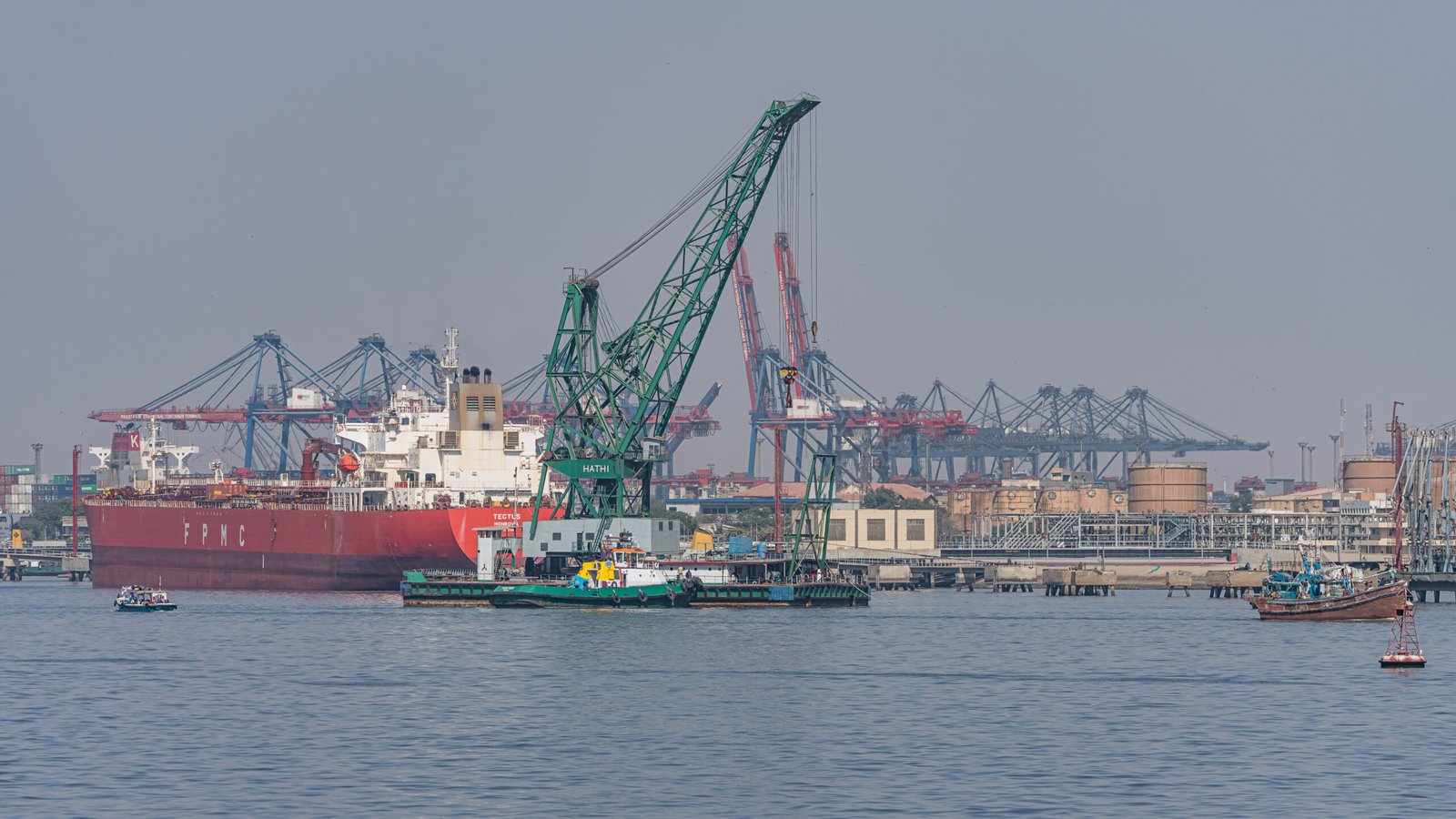
Several India-based companies linked to the couple were designated in the same action, including Oceaniek Technologies India and Aryavart Ship Management Private Limited. Others named were Precept Trends Private Limited, Polynesia Maritime Private Limited, Alexarya Finserv Private Limited, Alexarya Media and Entertainment Private Limited, Viharaboating Private Limited and the Aryavart Maritime and Educational Trust.
The sanctions were imposed under Executive Order 13902, which targets key sectors of the Iranian economy including petroleum, petrochemicals and aviation. Designation freezes any US-linked assets of the named people and companies, prohibits most dealings with them, and extends the restrictions to companies in which they own at least 50 per cent.
Turkish firm sanctioned over Iranian airlines
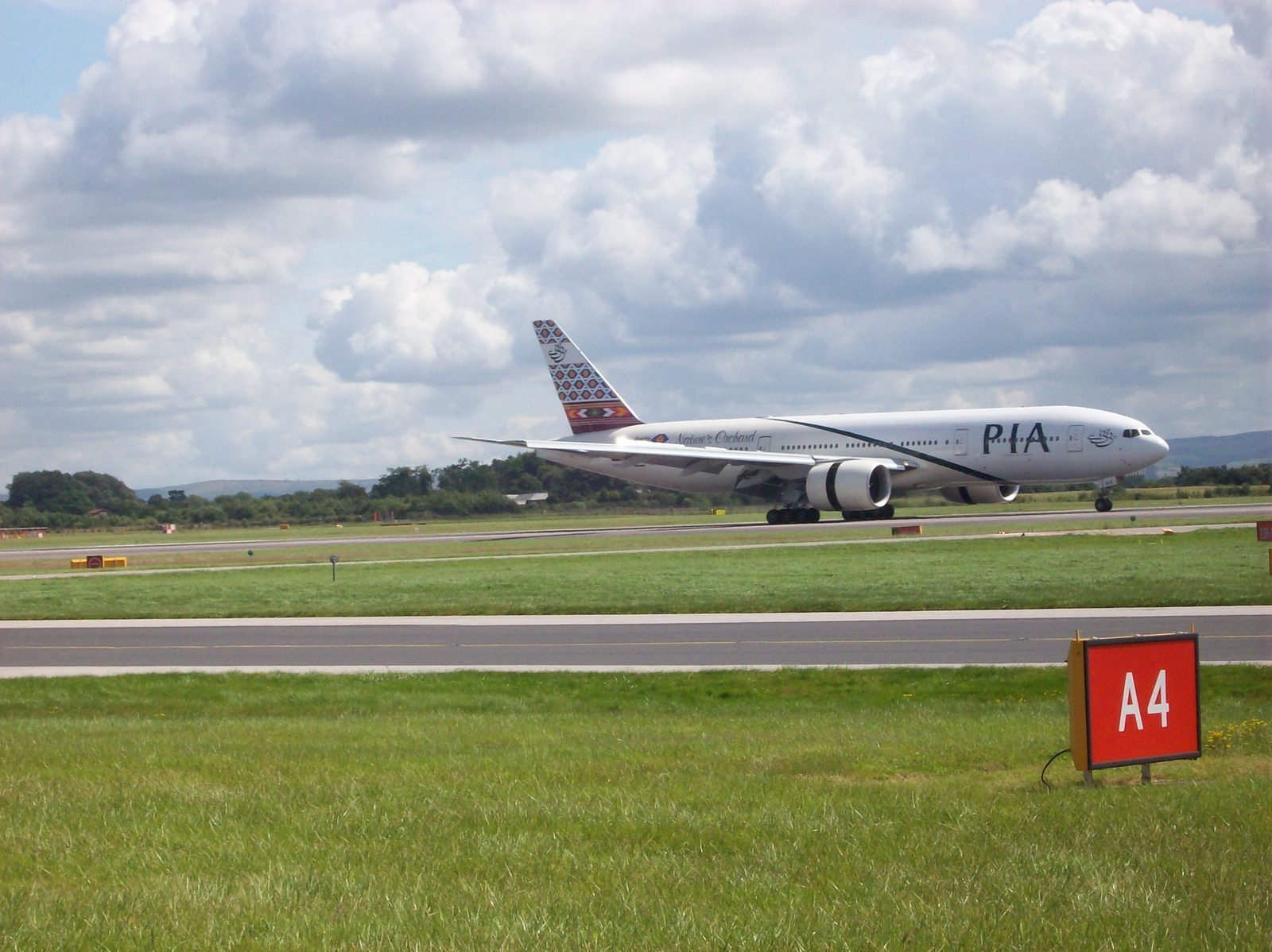
The Treasury also sanctioned Türkiye-based Fugo Ground Services Inc for providing ground-handling and other services to several US-sanctioned Iranian airlines that continued to fly to Turkey, including Iran Air Tour, Saha Airlines, Taban Airlines and Ata Airlines. Sepehran Airlines was also named in some reports of the action.
US Treasury Secretary Scott Bessent warned that Washington would continue to pursue anyone who supported Tehran. The Treasury’s Office of Foreign Assets Control also issued a fresh alert to the shipping industry, warning of the sanctions risk of dealing with potentially false-flagged vessels.
What Operation Economic Outcast is
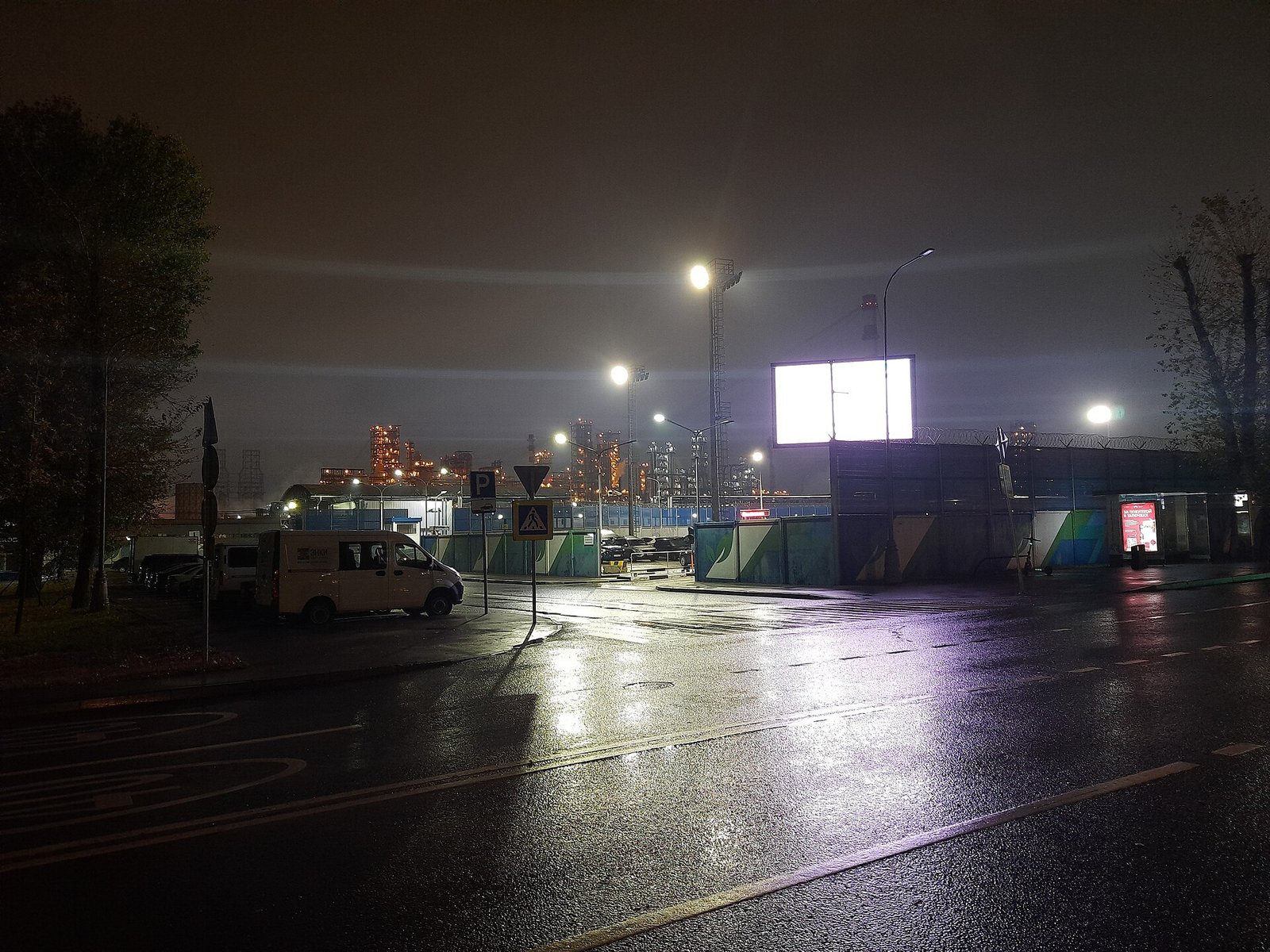
The action is part of Operation Economic Outcast, announced by Bessent on 24 August 2026, which aims to disrupt Iran’s economic lifelines by targeting the networks involved in oil smuggling, sanctions evasion and the movement of funds. The campaign has steadily widened from tankers and traders to the service providers — insurers, registries, ports and ground handlers — that keep the shadow fleet moving.
For the shipping industry, the message is that the paperwork matters as much as the cargo. A vessel’s flag and certificates are supposed to be the basic proof that it is what it claims to be. When those documents are for sale, the Treasury argues, the whole system that separates lawful trade from sanctioned trade breaks down — and Wednesday’s designations put the registries themselves in the crosshairs.
Related Posts
 World NewsStrait of Hormuz on Fire: Two Oil Tankers and a Tugboat Ablaze After Mine Strike
 World NewsUS Midterm Elections 2026: Democrats Retake Congress as Voters Hand Trump a Rebuke
 World NewsGaza Families Build Homemade Wind Turbines from Rubble to Light Their Tents
 World NewsNabeela Syed Wins Illinois State Senate Seat, Defeats Incumbent Darby Hills
 World NewsMV Touska: Pakistan Evacuates 22 Iranian Crew From US-Seized Ship in “Confidence-Building Measure”World NewsUS Strikes Iran’s Qeshm Island; Trump Calls It a ‘Minor Attack’ as Tehran Says Hormuz Stays Shut
Most Popular
 How-ToPTA Tax Calculator 2026: Check Mobile Tax on Any Phone416 views
 Pakistan NewsPIA Boeing 787 Lease Deal: What It Means for the Airline388 views
 SportsUEFA Champions League 2026-27: Format, Teams and Schedule383 views
 Canada JobsTech Jobs in Canada: Roles, Salaries, and Skills Needed379 views
 TechnologyPM Shehbaz Sets November Deadline for Alibaba AI and Digitalisation Projects in Pakistan361 views
 ShowbizWomen’s Fashion in Pakistan 2026: Trends, Brands and Style Guide356 views