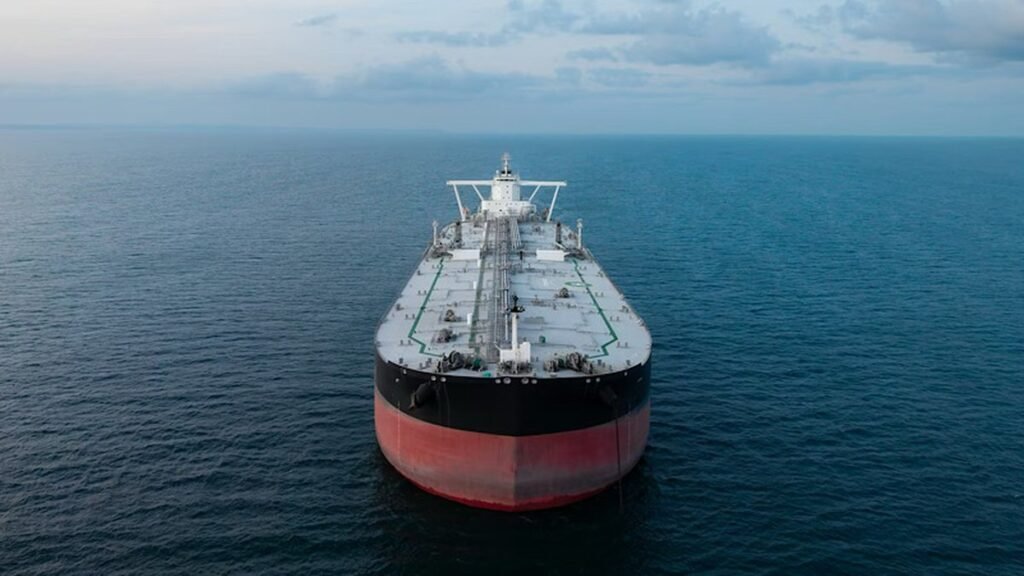
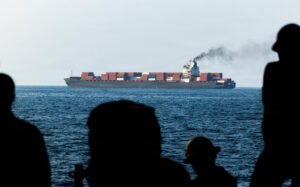
The Strait of Hormuz, the narrow waterway through which a large share of the world’s oil travels, was burning again on Thursday. Two oil tankers and a tugboat caught fire in separate incidents in the strait, Iran’s Islamic Revolutionary Guard Corps (IRGC) said, in the second day of reported fires in one of the most closely watched shipping lanes on Earth.
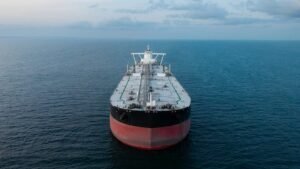
According to the IRGC, one of the tankers struck a naval mine while trying to pass through a route south of the strait. In a separate incident, a second vessel, described as a supertanker, caught fire while leaving a shipping route in the eastern part of the waterway. A tugboat that moved in to help put out the flames on the supertanker caught fire as well, the force said.
The IRGC said the vessels had been using unauthorised shipping routes. It gave no details about possible casualties or the scale of the damage to the three vessels, and the identities of the ships involved were not released. The claims could not be independently verified.
A second day of fires in the strait
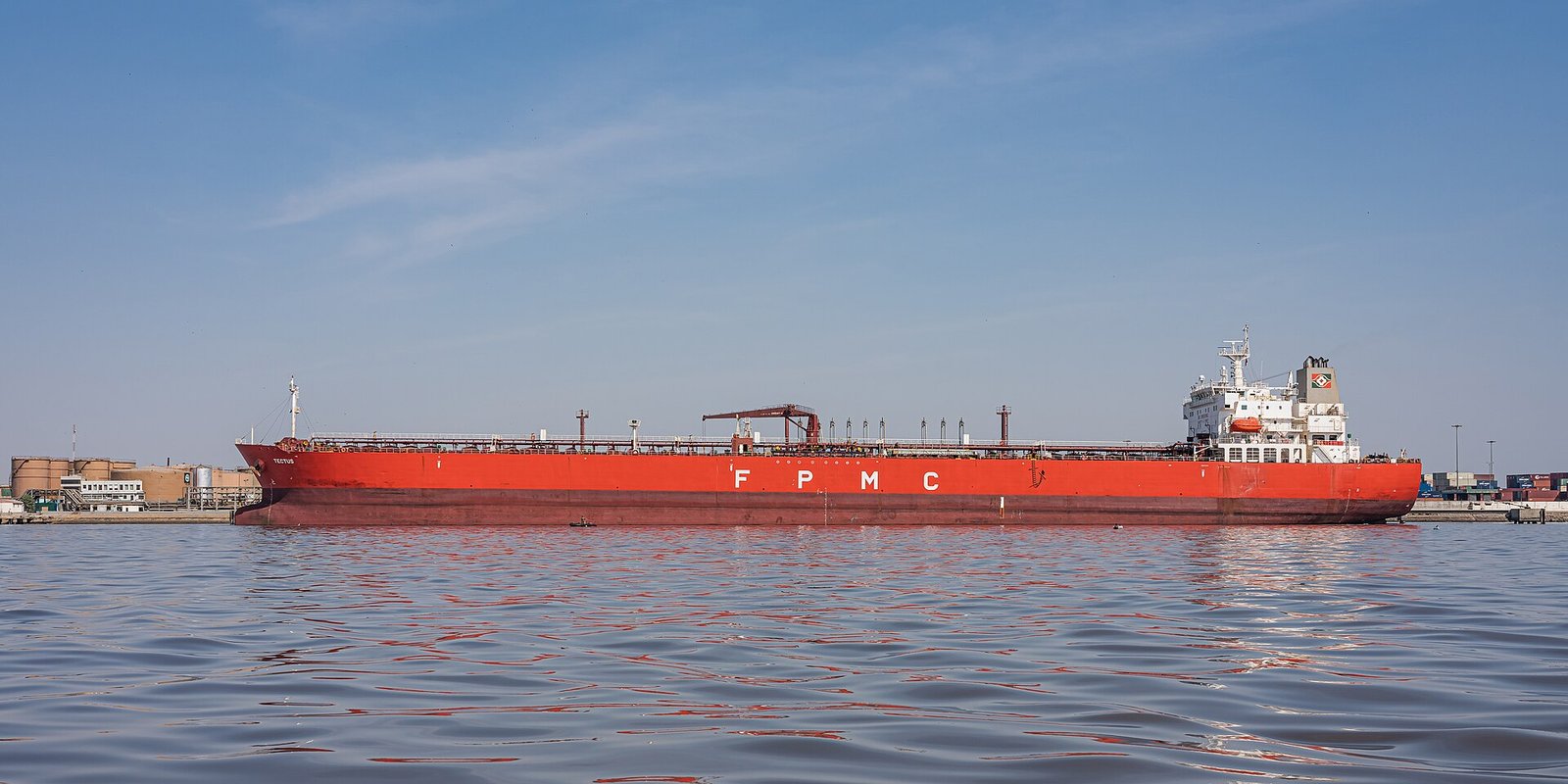
Thursday’s incidents followed a similar and larger set of reports a day earlier. On Wednesday 4 November, the IRGC said four oil tankers had been destroyed after striking naval mines while trying to use a prohibited route south of the Strait of Hormuz. The force said the four tankers remained ablaze and that two other vessels had been seized.
The back-to-back incidents have put the strait under intense scrutiny. The United Kingdom Maritime Trade Operations centre (UKMTO) also reported an incident on Wednesday in which a vessel was struck by unknown projectiles in the north-east of Lima, Oman. It was not clear whether that report related to the same vessels named by the IRGC.
What is clear is that the waterway, usually one of the busiest shipping channels in the world, is now the centre of a fast-moving and dangerous standoff over who controls its lanes and what happens to ships that stray from them.
Why the Strait of Hormuz matters so much
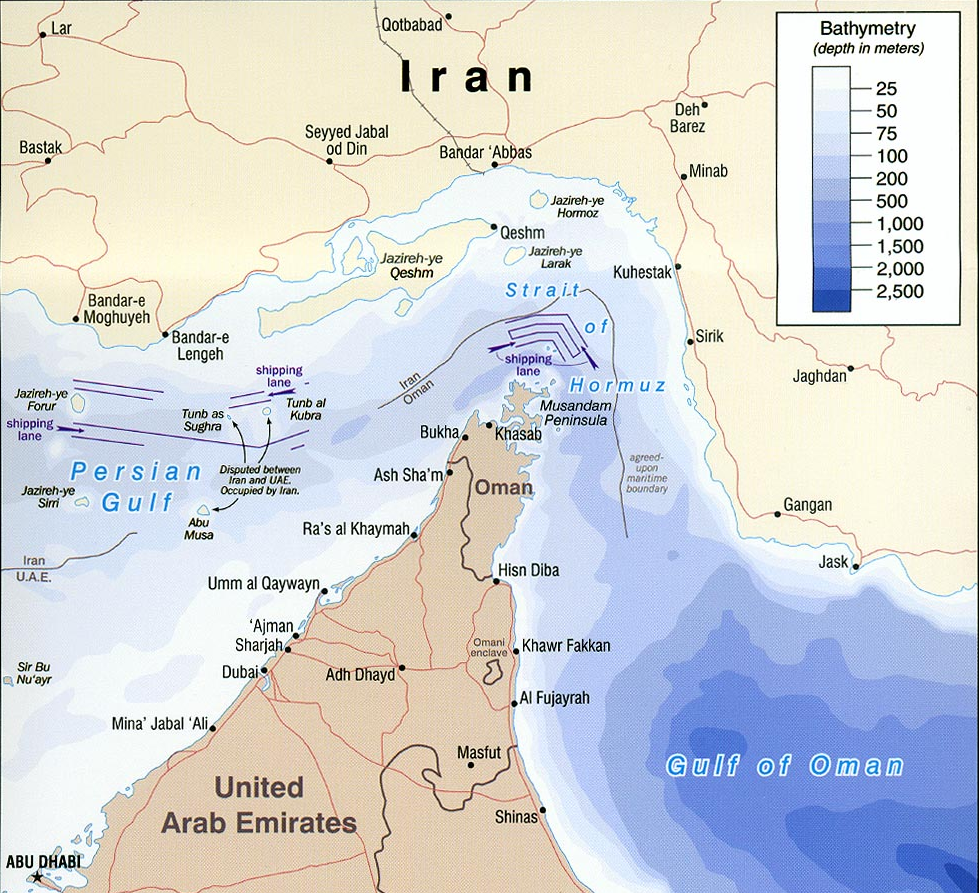
The Strait of Hormuz sits between Iran and Oman, connecting the Persian Gulf with the Gulf of Oman and the open sea beyond. Around a fifth of the world’s petroleum liquids pass through it, making it one of the most important energy chokepoints on the planet. Oil from Saudi Arabia, Iraq, Kuwait, the United Arab Emirates, Qatar and Iran itself all moves through the narrow passage on its way to buyers in Asia and around the world.
That is why any disruption there sends a shiver through energy markets. Even a short closure, or the fear of one, can push oil prices higher within hours, because there is no easy alternative route for the huge volumes of crude that leave the Gulf every day. Pipelines that bypass the strait exist, but they can carry only a fraction of the oil that normally passes through it by sea.
For Pakistan, the stakes are direct. The country imports almost all of its oil, and much of it travels through or near the strait. Any sustained disruption would feed straight into fuel prices and the cost of transport and power at home — something Pakistani consumers have already felt sharply this year as petrol prices have swung with global markets.
What is still not known
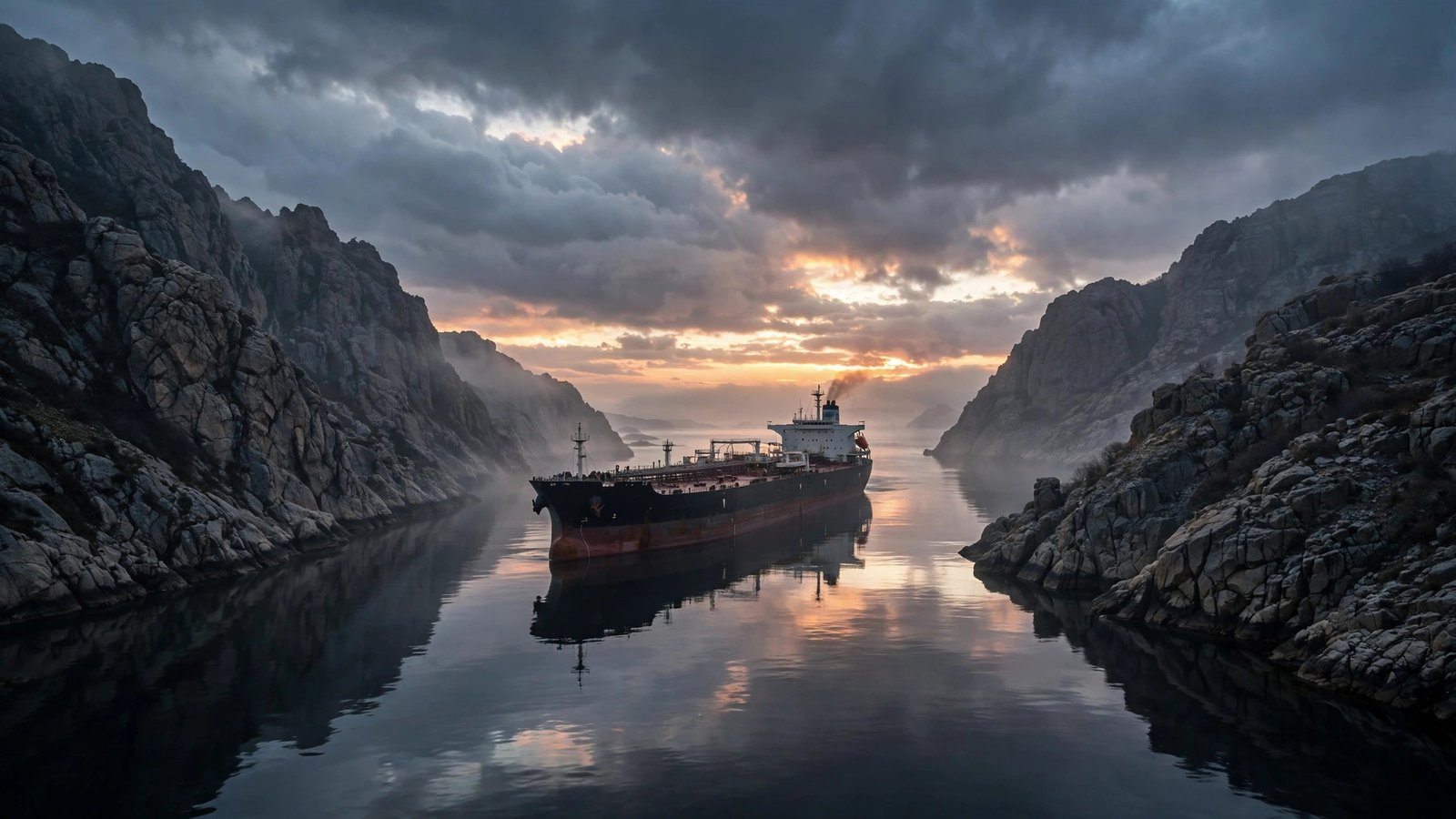
For all the alarm, much about Thursday’s incidents remains unclear. The IRGC did not name the vessels, say where their crews were from, or report whether anyone was hurt. No independent footage or confirmation of the fires had emerged by the time the reports were published, and shipping trackers had not publicly identified the tankers involved.
That uncertainty matters. In a waterway where rival accounts compete as fiercely as navies, the first version of events is not always the full one. The claim that the tankers were on unauthorised routes, the mine strikes and the seizures all come from a single source — the IRGC — and have not been confirmed by any other party. Until ship identities, crew reports or satellite images appear, the picture will stay incomplete.
The wider tensions behind the fires

The fires come in the middle of a tense and violent period around the Gulf. The United States has struck targets in Iran, including on Qeshm Island in the Strait of Hormuz, and Tehran has insisted the waterway remains shut to some traffic. A Pakistan-bound liquefied natural gas carrier, the Al Mayeda, was attacked near the strait and forced to turn back. At the same time, Pakistan’s military has said it is “cautiously optimistic” about mediation efforts between Iran and the United States, with regional countries working to revive a ceasefire.
Against that background, the strait has become more than a shipping lane. It is now a pressure point in a wider confrontation, where a mine strike or a burning tanker can carry a message as loud as any statement. Thursday’s fires, coming a day after four tankers were reported destroyed, suggest that message is being sent repeatedly — and that the world’s most important oil waterway is becoming more dangerous by the day.
Shipping companies, insurers and governments will now be watching the strait hour by hour. The question is no longer whether the waterway is at risk, but how long the fires — and the tensions behind them — will keep burning.
Related Posts
 World NewsUS Midterm Elections 2026: Democrats Retake Congress as Voters Hand Trump a Rebuke
 World NewsGaza Families Build Homemade Wind Turbines from Rubble to Light Their Tents
 World NewsNabeela Syed Wins Illinois State Senate Seat, Defeats Incumbent Darby Hills
 World NewsMV Touska: Pakistan Evacuates 22 Iranian Crew From US-Seized Ship in “Confidence-Building Measure”
 World NewsUS Strikes Iran’s Qeshm Island; Trump Calls It a ‘Minor Attack’ as Tehran Says Hormuz Stays ShutWorld NewsUS Midterm Elections 2026: Americans Vote Today as Control of Congress Hangs in the Balance
Most Popular
 How-ToPTA Tax Calculator 2026: Check Mobile Tax on Any Phone416 views
 Pakistan NewsPIA Boeing 787 Lease Deal: What It Means for the Airline388 views
 SportsUEFA Champions League 2026-27: Format, Teams and Schedule381 views
 Canada JobsTech Jobs in Canada: Roles, Salaries, and Skills Needed377 views
 TechnologyPM Shehbaz Sets November Deadline for Alibaba AI and Digitalisation Projects in Pakistan360 views
 ShowbizWomen’s Fashion in Pakistan 2026: Trends, Brands and Style Guide350 views