Negotiations between the federal government and Jamaat-e-Islami (JI) over the petroleum levy have entered their final stage, with both sides agreeing to extend fuel relief to farmers and owners of vehicles up to 1,000cc — but with no final agreement yet on the party’s central demand: the complete abolition of the levy.
The latest round of talks was held in Islamabad on Tuesday 3 November, with Deputy Prime Minister Ishaq Dar leading the government delegation at the Ministry of Foreign Affairs and JI Naib Emir Liaqat Baloch heading the party’s team. According to Baloch, who briefed reporters after the meeting, both sides acknowledged that abolishing the petroleum levy was essential, and the government agreed to provide relief to the agricultural sector and to owners of vehicles up to 1,000cc.
What was agreed in the latest round
The News reported that the government agreed in Tuesday’s sitting to extend its fuel relief package to farmers and to owners of vehicles up to 1,000cc. JI had presented six proposals for public relief, including abolishing the petroleum levy, introducing a relief package, reducing public transport costs, and extending relief to owners of vehicles above 800cc and to the agricultural sector.
Baloch described Tuesday’s sitting as the final round of negotiations, during which four key points were discussed in detail. The two negotiating teams are now preparing working papers on the gradual elimination of the levy and on measures to provide relief to the public, with a further meeting expected to discuss progress. The Foreign Office said the two sides held candid discussions on practical measures to provide relief to the common man, with a specific focus on easing the economic burden on low-income citizens, and agreed to continue consultations over the coming days.
The sticking point: abolition versus gradual phase-out
The central disagreement remains over pace. JI insists the petroleum levy must be abolished completely, while the government favours a gradual, phased withdrawal. JI Emir Hafiz Naeem ur Rehman, speaking at a press conference after meeting Prime Minister Shehbaz Sharif, said the prime minister had sought another seven to ten days to decide on the levy issue — and that the party had agreed to give the government more time, but would not compromise on complete abolition.
Hafiz Naeem rejected proposals to reduce the levy by Rs20, Rs25 or Rs30 per litre as insufficient, saying the demand was clear: the levy must go, and people must receive genuine relief in petroleum prices. He put the government’s monthly collection from the levy at around Rs150 billion, and contrasted it with a relief package initially announced at Rs26 billion. Baloch, for his part, criticised what he called excessive profits for oil refineries and said there was no solid justification for continuing the levy.
Farmers and small-car owners in line for relief
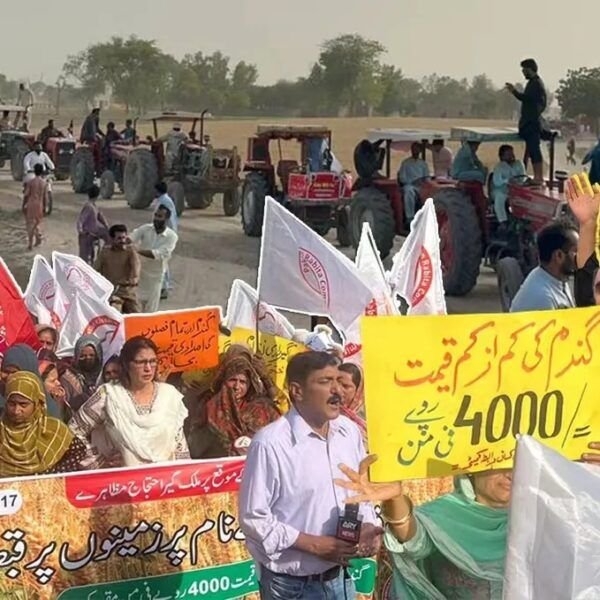
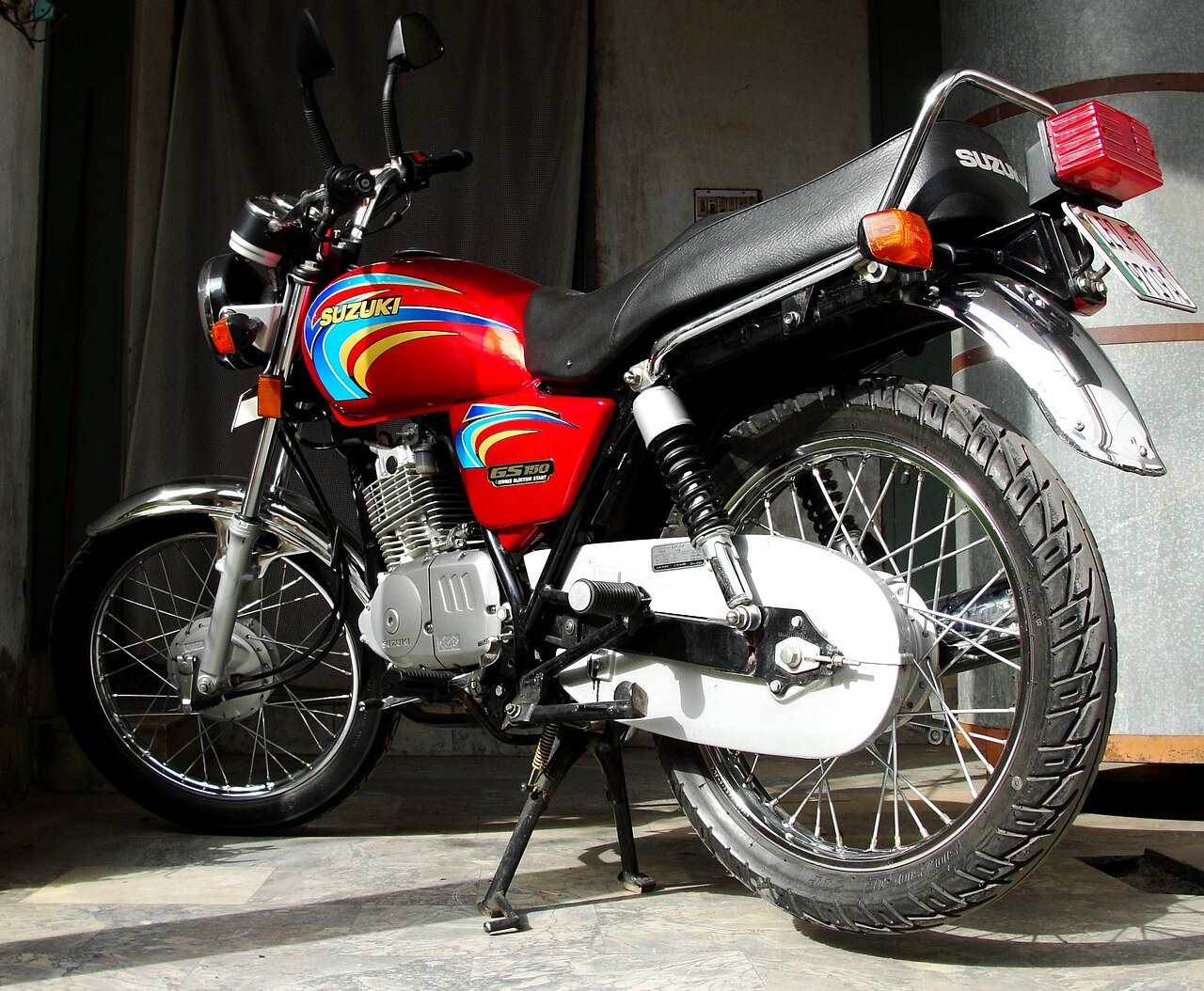
Whatever the fate of the levy itself, the relief already agreed in principle matters most to two groups: farmers, who depend on diesel for tractors, tube wells and transport, and owners of small cars up to 1,000cc, who make up a large share of urban motorists. Both groups were already at the centre of the government’s targeted fuel support for motorcycles, rickshaws and small cars.
The talks come against a backdrop of falling pump prices. Petrol now costs Rs362 per litre after the 5 November fuel price cut, the third consecutive daily reduction, while the petroleum levy itself remains at Rs80 per litre. Any decision on the levy would therefore be the biggest single factor in the next change in the petrol price — bigger than the daily adjustments driven by import costs and the exchange rate.
What happens next: seven to ten days, then a march
The clock is now ticking. If the government’s working paper does not satisfy JI within the seven-to-ten-day window, the party says its protest movement will intensify. Hafiz Naeem has been explicit that the party’s planned Islamabad march in mid-November has not been abandoned: preparations will continue alongside the negotiations, and the march will go ahead if the government fails to meet the party’s demands.
Earlier, the prime minister and JI had already agreed to set up a joint committee — three members from each side — to finalise recommendations on expanding the petrol relief scheme so more deserving people can benefit, and on workable proposals for a phased reduction of the levy in the budget. The prime minister has said 12.7 million people have been registered under the relief scheme so far. Whether the next round produces a signed agreement or a march on Islamabad will become clear within days — and for motorists, farmers and small-car owners, the outcome will decide whether the recent run of pump-price cuts turns into lasting relief.
Related Posts
 Pakistan NewsThree Quetta Journalists’ Homes Raided as NCCIA Registers PECA Cases
 Pakistan NewsPakistan Reports Ninth Polio Case of 2026: Seven-Month-Old in Khyber Tests Positive as Virus Traced to Afghanistan
 Pakistan NewsSalik Vows “Proper Response” to Maryam Nawaz’s Rs5 Billion Defamation Notice as Punjab Row Escalates
 Pakistan NewsMr Patlo Gets Protective Bail From Islamabad High Court Until November 10 After Sialkot Stampede Case
 Pakistan NewsECP Postpones Local Government Elections Across Khyber Pakhtunkhwa After Federal Order Suspends Article 140-A
 Pakistan NewsSenator Faisal Raza Abidi Claims Pakistan Will Be World’s Richest Country by 26 November — Viral Clip Sparks Laughter
Most Popular
 How-ToPTA Tax Calculator 2026: Check Mobile Tax on Any Phone417 views
 Pakistan NewsPIA Boeing 787 Lease Deal: What It Means for the Airline388 views
 Canada JobsTech Jobs in Canada: Roles, Salaries, and Skills Needed386 views
 SportsUEFA Champions League 2026-27: Format, Teams and Schedule383 views
 TechnologyPM Shehbaz Sets November Deadline for Alibaba AI and Digitalisation Projects in Pakistan364 views
 ShowbizWomen’s Fashion in Pakistan 2026: Trends, Brands and Style Guide359 views