On 3 November 2026, Pakistan raised the alarm at the United Nations about the growing power of big technology companies. Speaking at the UN General Assembly’s Fourth Committee in New York during a debate on information, Pakistani diplomat Amanat Ali warned that multinational technology corporations are quietly shaping what billions of people see, believe and say online — with little accountability and even less transparency.
Ali called for greater international cooperation to protect the integrity of information online, arguing that emerging technologies could be used to manipulate public opinion and destroy public trust.
“Opaque Algorithms” Now Shape Global Discourse

“We must address the growing concentration of influence among multinational technology corporations and digital platforms, whose opaque algorithms and content policies increasingly shape public discourse,” Ali said, according to a statement released by Pakistan’s UN mission.
He warned that misinformation, disinformation and hate speech are no longer just communication failures but are being actively weaponised — used to polarise societies and destroy public trust, posing a severe threat in conflict zones. He added that internet shutdowns, censorship, digital surveillance and restrictive media laws are being employed “to suppress legitimate voices, distort realities and delegitimize struggles for fundamental rights and self-determination.”
Pakistan also called for stronger global efforts to counter Islamophobia, racism and xenophobia, warning of the broader dangers of hate speech and intolerance in an increasingly polarised information environment.
Kashmir, Gaza and the Fight Over What the World Sees

The concern goes beyond abstract principle. Pakistan has repeatedly pointed to Kashmir and Gaza as cases where platform decisions — what gets amplified, what gets removed, whose posts get suppressed — tilt coverage in favour of occupying powers. Ali criticised strategic information blockades enforced by occupying powers and urged the UN Department of Global Communications to prioritise multilingualism and to use local UN Information Centres to broadcast credible, balanced coverage.
Why It Hits Home for Pakistan: 96 Million YouTube Users

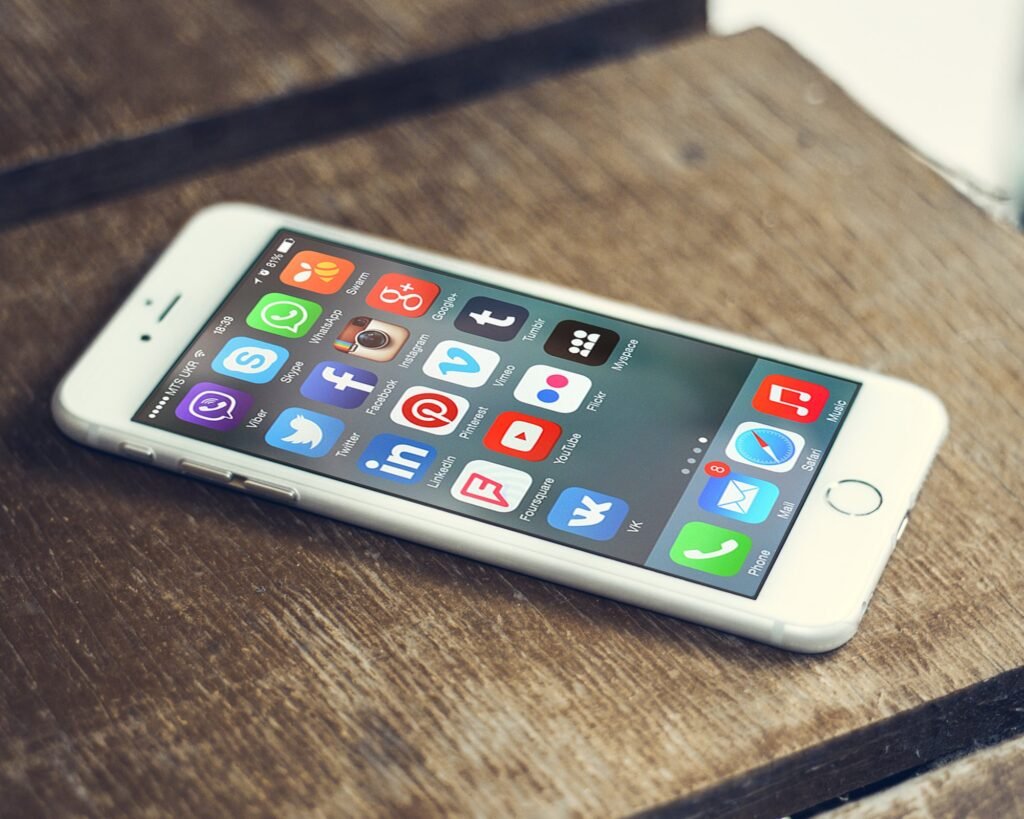
This is not just a diplomatic talking point — Pakistan has direct stakes at home. Pakistan is one of the world’s largest social media markets: according to Pakistan Telecommunication Authority (PTA) data, the country has 96 million YouTube users and 100 million TikTok users, numbers that make algorithmic decisions by these platforms deeply consequential for Pakistani public discourse.
Research identifies algorithmic amplification as a key driver of polarisation in Pakistan, with algorithms creating echo chambers that reinforce existing beliefs and limit exposure to diverse viewpoints. Major social media platforms, including Facebook, YouTube, X, Instagram and WhatsApp, are widely exploited for the radicalisation and recruitment of young people by extremist groups — part of why Islamabad wants these platforms held to a higher, clearer standard.
A Three-Year Campaign, Not a One-Off Warning

What many miss is that this is not Pakistan’s first time making this argument at the UN. The same diplomat, Amanat Ali, addressed the same Fourth Committee on the same agenda item in November 2024 and November 2025. Each year the language has grown sharper — in 2025 the framing was “information warfare”; in 2026 it is “weaponising” digital space — reflecting growing frustration that tech platforms have not changed their moderation practices in ways Pakistan considers fair.
Pakistan has also shown it is willing to act domestically. Islamabad previously warned major social media platforms to comply with local laws and proactively curb militant content or face a Brazil-style ban, similar to the one briefly imposed on X. Officials demanded that companies comply with Pakistani laws, establish offices in Pakistan, and use AI and algorithmic tools to identify terror-linked accounts. More recently, the government launched the Social Media Regulatory Authority (SMPRA) under the amended Prevention of Electronic Crimes Act (PECA) 2025.
Critics at home point to a tension in Pakistan’s position: the country’s own record on internet freedom is complicated. PECA 2016 was conceived as cybercrime legislation but has evolved into one of the state’s most versatile tools for policing online speech, and the January 2025 amendment criminalised disseminating “false and misleading” information — language whose imprecision drew criticism, with Human Rights Watch warning it creates fertile ground for suppressing dissent.
Closing the speech, Ali reaffirmed Pakistan’s commitment to freedom of expression, media independence and access to information, saying Pakistan is ready to work with other UN member states toward “a more credible, inclusive and responsible global information environment.” UN committee statements do not bind any tech company to change anything, but they add to a growing bloc of countries — particularly in the Global South — pushing for a new international framework on platform accountability.
Related Posts
 TechnologyITIF Asia 2026: Pakistan’s Biggest Industrial Trade Fair Opens in Lahore
 TechnologyPakistan Weighs International Arbitration Against Etisalat to Recover $800 Million From PTCL Sale
 TechnologyPakistan’s Byonyks Heads to San Francisco for Startup World Cup Grand Finale With $1 Million Prize at Stake
 TechnologyMicrosoft Offers 60,000 Employees a Voluntary Exit as AI Spending Soars
 TechnologyChina Proposes Export Controls on Solar Manufacturing Tech: What It Means for Pakistan
 TechnologyShaza Fatima Named ‘Industry Champion of the Year’ at The Fast Mode Awards 2026
Most Popular
 How-ToPTA Tax Calculator 2026: Check Mobile Tax on Any Phone407 views
 Pakistan NewsPIA Boeing 787 Lease Deal: What It Means for the Airline383 views
 SportsUEFA Champions League 2026-27: Format, Teams and Schedule376 views
 Canada JobsTech Jobs in Canada: Roles, Salaries, and Skills Needed361 views
 SportsBallon d’Or 2026: London Ceremony, Nominees and All-Time Records Ahead of 70th Anniversary338 views
 ShowbizWomen’s Fashion in Pakistan 2026: Trends, Brands and Style Guide337 views