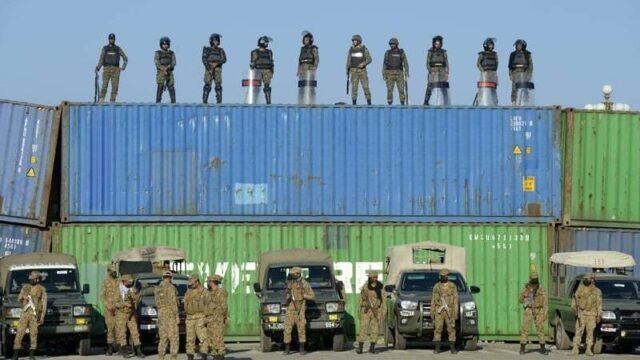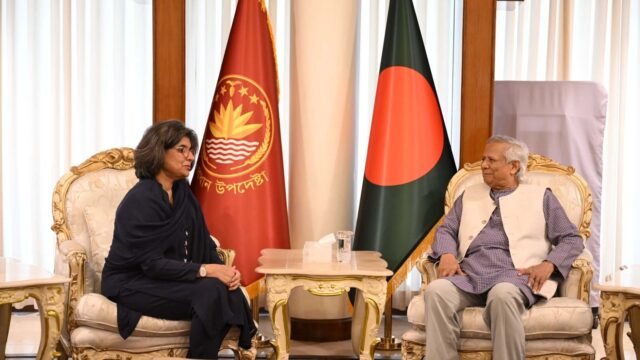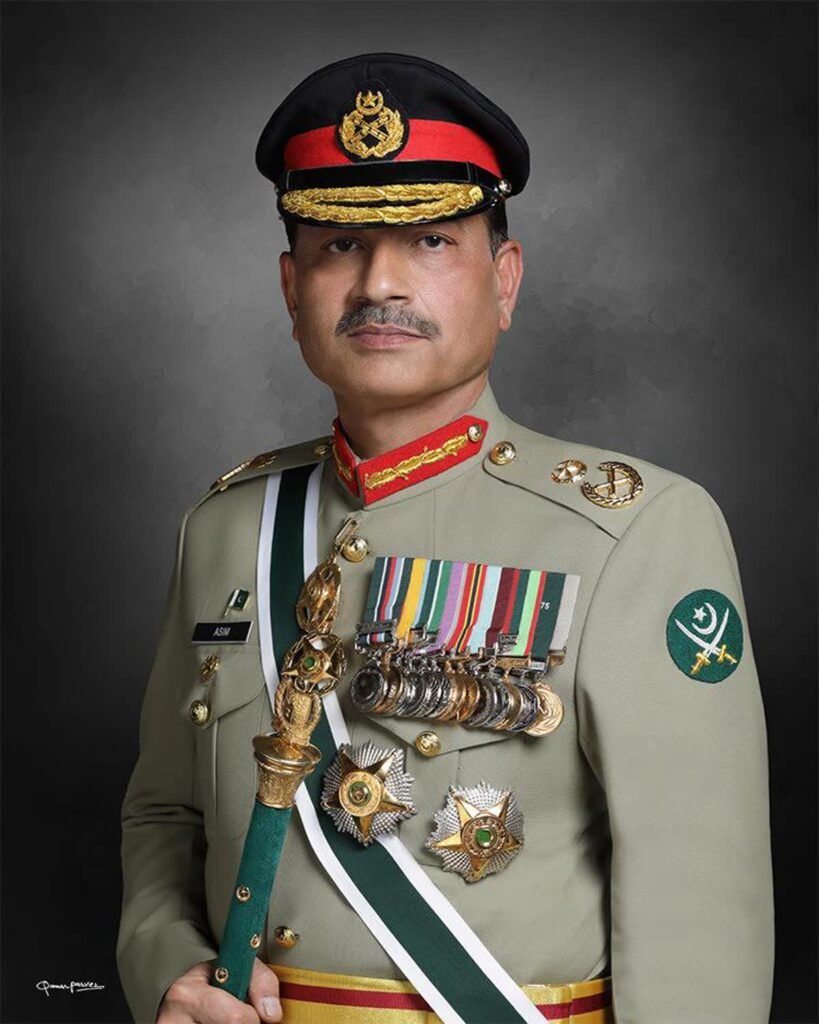
Pakistan’s military has broken its silence on the war between the United States and Iran, saying it is “cautiously optimistic” about regional mediation efforts to revive a ceasefire in the eight-month-old conflict.
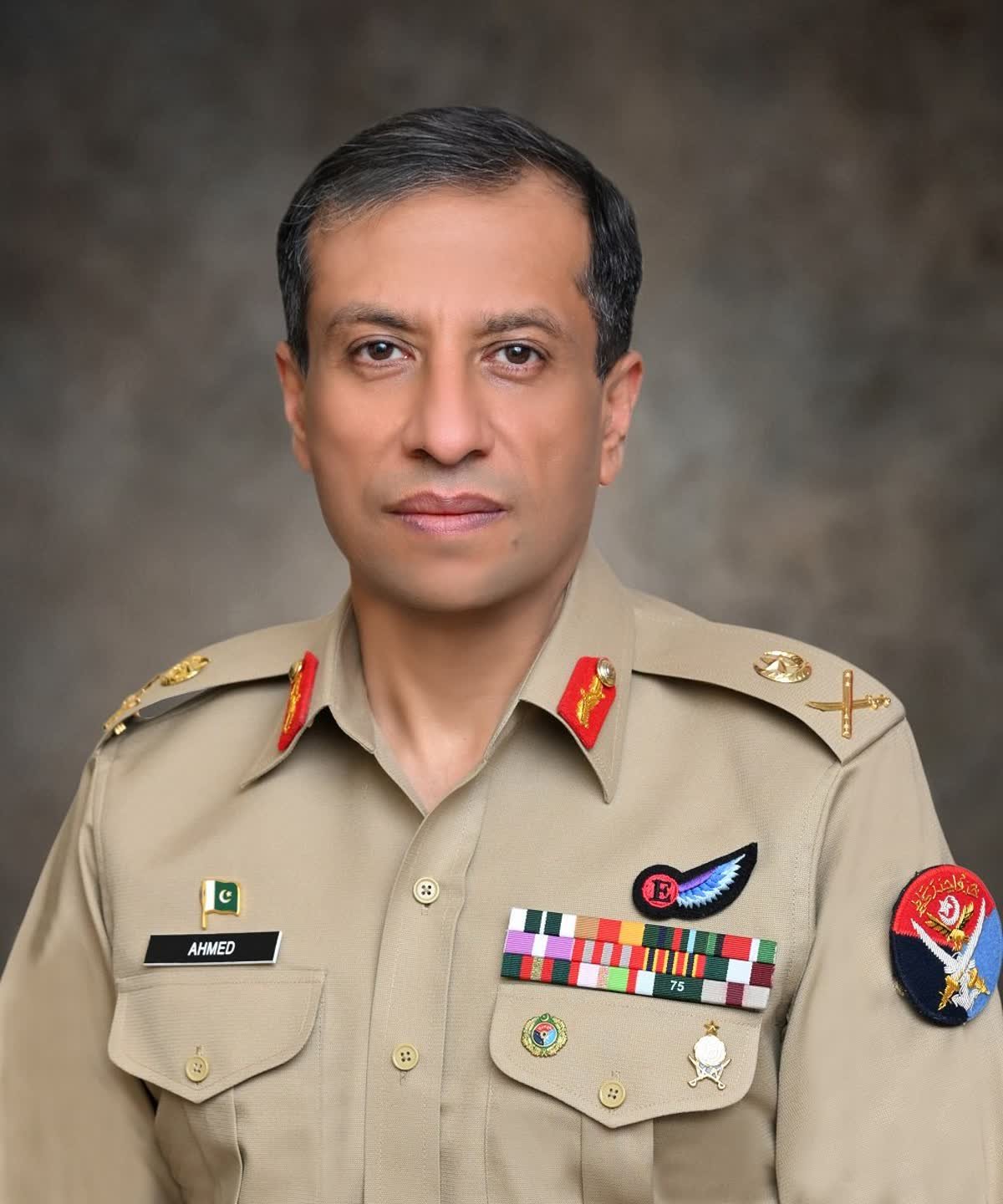
Lieutenant General Ahmed Sharif Chaudhry, the director general of Inter-Services Public Relations (ISPR), made the remarks in an interview with the Reuters news agency in Rawalpindi — his first public comments since a high-level Pakistani delegation visited Tehran this week.
Why would the Field Marshal be going twice?
Field Marshal Asim Munir, Pakistan’s chief mediator in the crisis, has travelled to Tehran twice this month, most recently on Monday alongside Saudi Defence Minister Prince Khalid bin Salman and Turkish intelligence chief Ibrahim Kalin.
Asked whether the trips were a positive sign, Chaudhry replied: “Why would the Field Marshal be going twice if it is not for some positivity? So yes, of course.”
“The word that we would use is always cautiously optimistic,” he added.
Warning of ‘powerful spoilers and detractors’
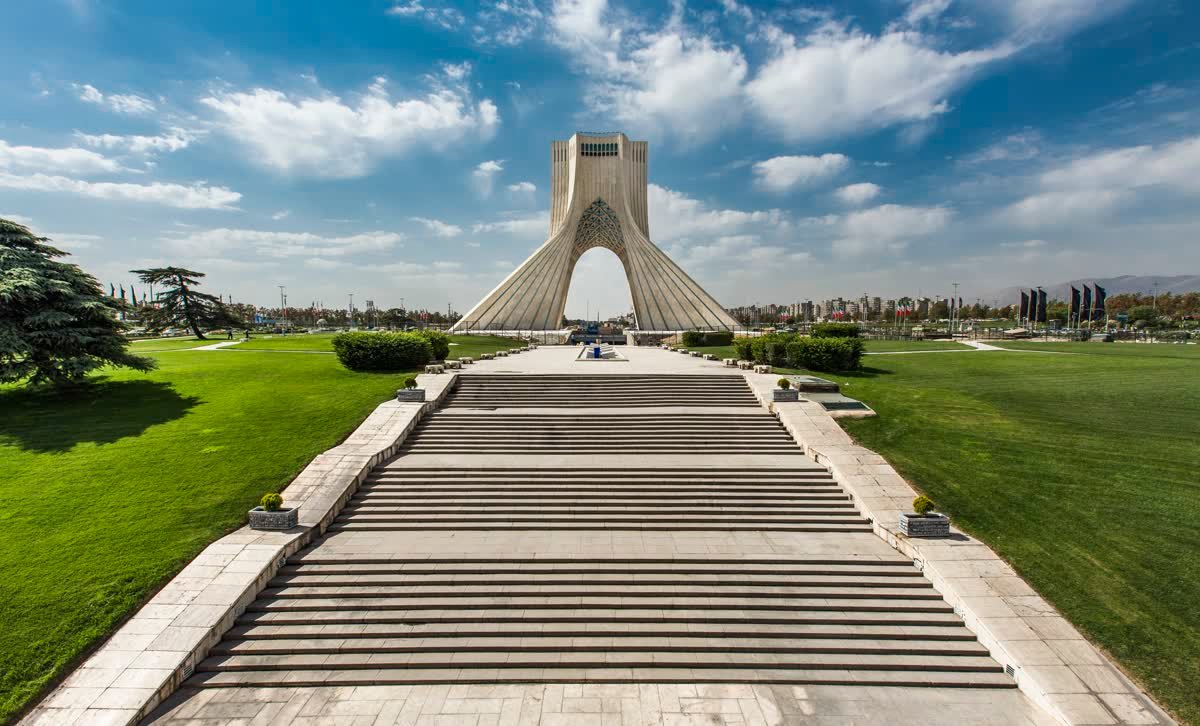
Chaudhry warned that there are parties seeking to obstruct mediation between the United States and Iran, saying there are still “powerful spoilers and detractors” who believe conflict serves them. He did not name them.
The military spokesman declined to say what was discussed in Tehran, or whether Washington had backed the Pakistani trip.
His comments came as Qatari mediators arrived in Tehran in another apparent bid to negotiate a revival of the June ceasefire that collapsed months later. Earlier this week a Qatari delegation held hours of talks in Tehran on a revised draft deal, while Iran’s Supreme National Security Council secretary Mohsen Rezaei said Tehran’s seven conditions for reopening the Strait of Hormuz had not been convincingly addressed — a message echoed by parliament speaker and chief negotiator Mohammad Bagher Qalibaf, who said “the ball is in America’s court to prevent war.” The waterway remains shut, and Brent crude has been trading above $106 a barrel.
The Mecca defence pact — and Iran’s door
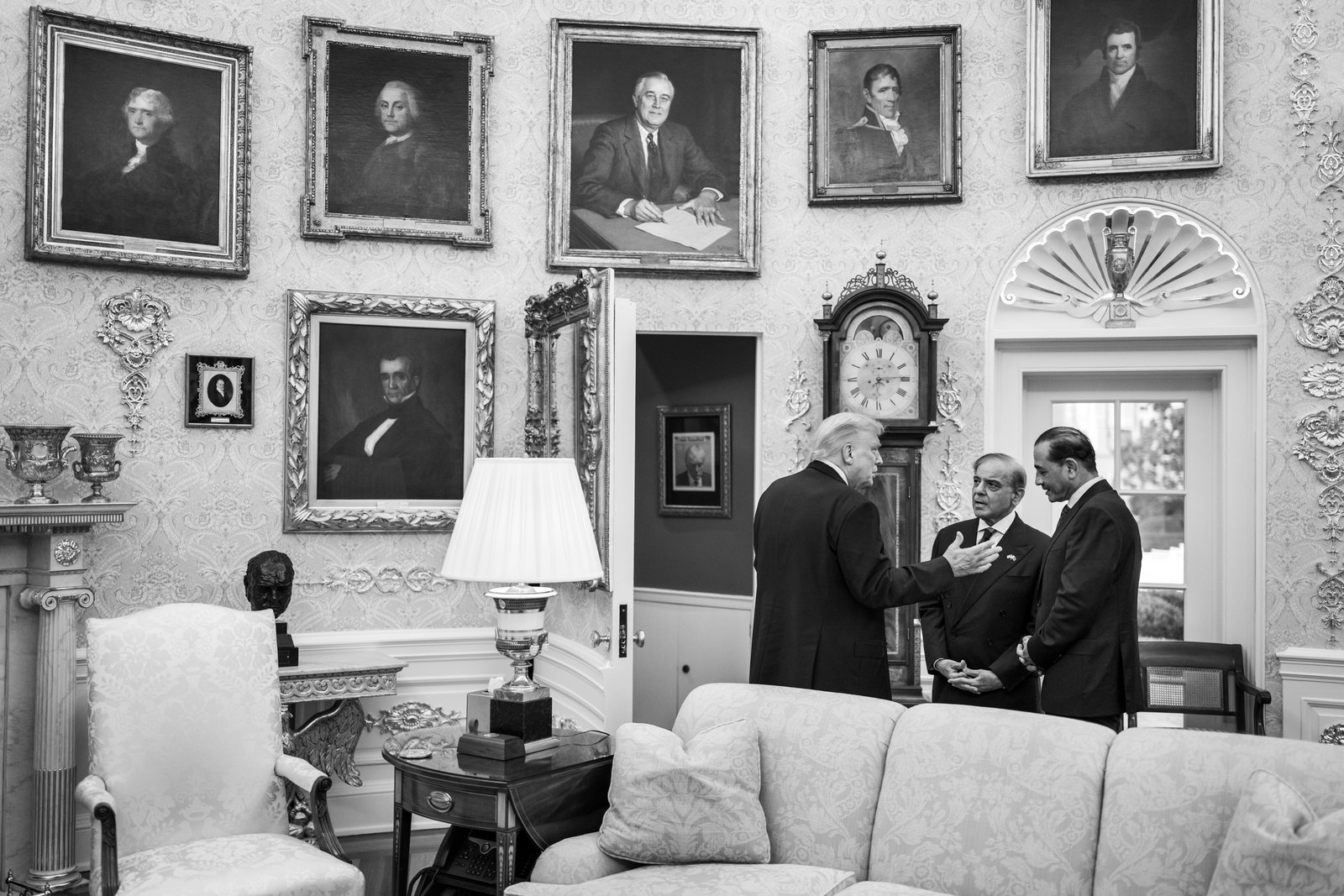
Monday’s Tehran trip brought together the three signatories of the Mecca Joint Defence Agreement: Pakistan, Saudi Arabia and Türkiye. The pact, signed on 7 August, declares that an attack on any signatory will be treated as an attack on all.
Asked whether Iran could also join the agreement, Chaudhry said: “Anyone who has a shared vision of collective deterrence and regional peace, why not? Everyone is most welcome.” He added that it was for the political leadership of the three principal parties to decide.
After Monday’s talks, Rezaei said regional security should be ensured by regional countries themselves, without foreign intervention.
Troops, the holy sites and Yemen
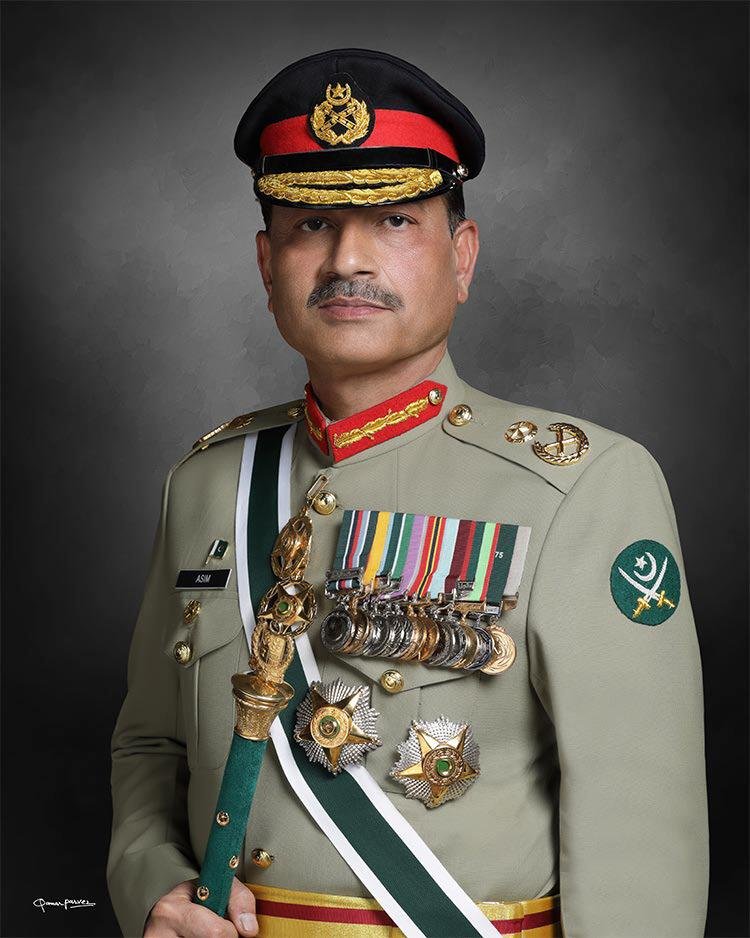
Asked whether more Pakistani troops would be sent to Saudi Arabia under the agreement, Chaudhry said that would depend on the situation and the decision of both countries’ political leadership.
He said Pakistan was committed to defending Saudi Arabia and the holy sites of Mecca and Medina.
“We are not part of the Yemeni conflict, which is an intra-Yemen conflict,” he said — a reference to the fighting between Saudi Arabia and the Iran-aligned Houthi group, which has been reignited by the Iran conflict and has stoked fears of a wider Middle East war.
Islamabad is walking a tightrope: it is bound to Riyadh through the Mecca defence pact while keeping its diplomatic channels to Tehran open, positioning itself as the region’s chief mediator. The stakes at home are economic as much as diplomatic — Pakistan’s petrol price cut of Rs5.45 to Rs369.06 per litre from 4 November could be wiped out if the Hormuz shutdown keeps global oil prices elevated.
Also read: Qeshm Island strikes
Related Posts
 Pakistan NewsAmna Baloch Becomes Pakistan’s First Woman Ambassador to Türkiye — A Historic First for Ankara
 Pakistan NewsPakistan Test-Fires Fa’az: First Indigenously Developed Air-to-Air Missile
 Pakistan NewsTwo Policemen Martyred Guarding Polio Team in Mohmand; Four Polio Workers Abducted in Tank
 Pakistan NewsMaryam Nawaz in Attock: CM Inaugurates 127 Development Projects Worth Rs23 Billion
 Pakistan NewsHyderabad’s Viral Qasimabad Road: Authorities Start Removing Electric Poles From the Middle
 Pakistan NewsPakistan Launches Week-Long Polio Drive: 24 Million Children to Be Vaccinated Across 97 Districts
Most Popular
 How-ToPTA Tax Calculator 2026: Check Mobile Tax on Any Phone407 views
 Pakistan NewsPIA Boeing 787 Lease Deal: What It Means for the Airline383 views
 SportsUEFA Champions League 2026-27: Format, Teams and Schedule376 views
 Canada JobsTech Jobs in Canada: Roles, Salaries, and Skills Needed362 views
 SportsBallon d’Or 2026: London Ceremony, Nominees and All-Time Records Ahead of 70th Anniversary338 views
 ShowbizWomen’s Fashion in Pakistan 2026: Trends, Brands and Style Guide338 views