Two of Pakistan’s most respected senior actresses have entered the country’s annual Halloween debate — and their blunt remarks have split social media down the middle.
Seemi Raheel and Hina Khwaja Bayat, both veteran stars known for speaking their minds on social and cultural issues, criticised the growing Halloween celebrations in Pakistan this week, questioning whether a festival with pagan roots and horror imagery has any place in Pakistani society. Their comments, shared in social media posts reported on 3 November 2026, landed just days after Halloween parties swept through the country’s major cities on 31 October — and the internet has been arguing about them ever since.
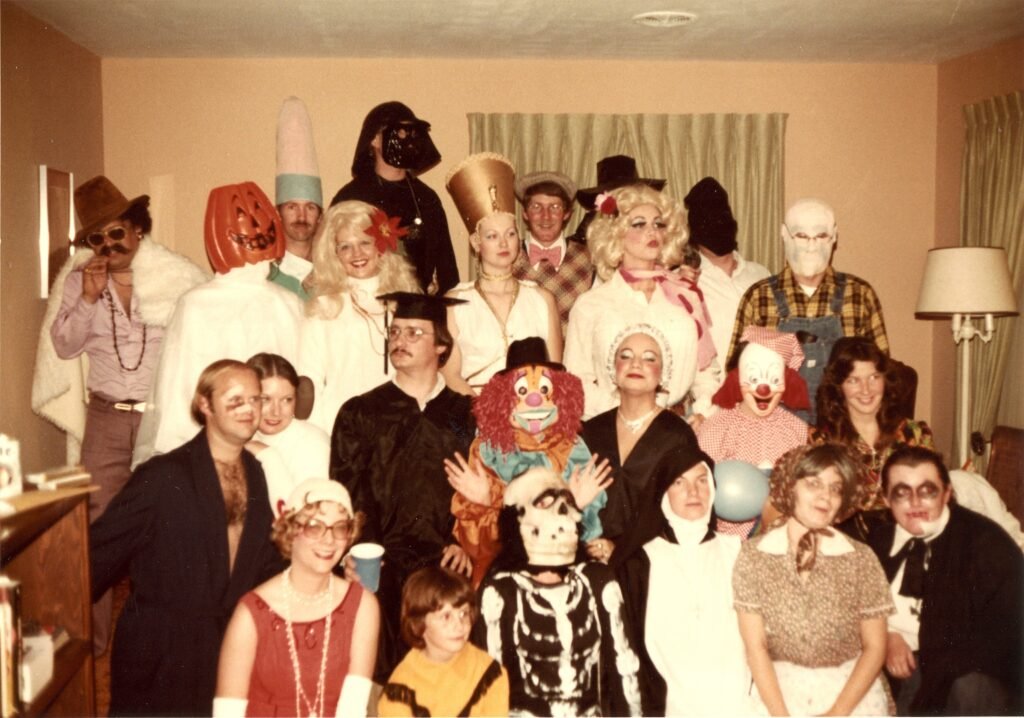
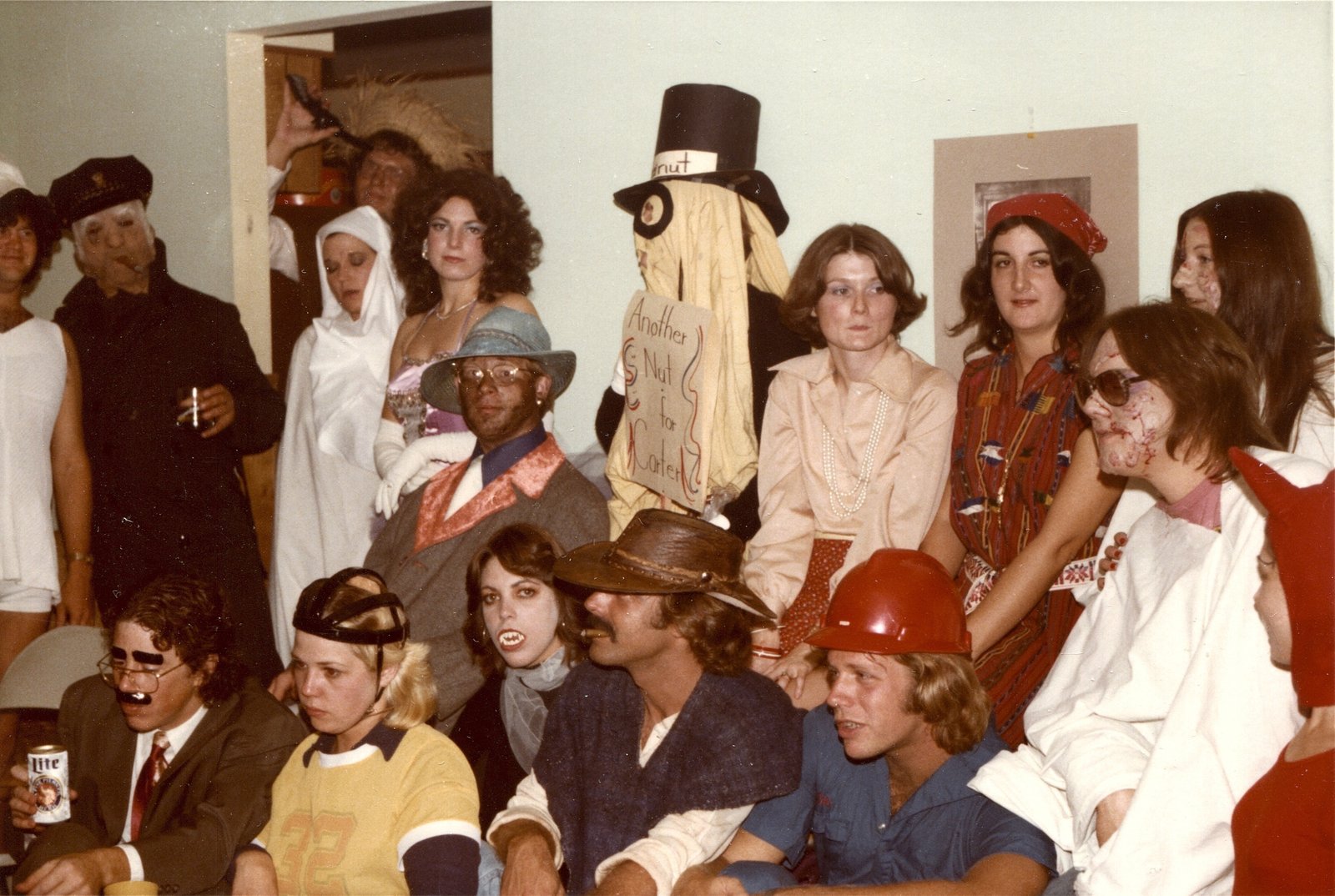
Halloween has grown visibly in Pakistan over the past few years. What was once a Western curiosity is now a familiar sight each October: restaurants and cafes in Karachi, Lahore and Islamabad decorate their premises and run themed promotions, private costume parties are routine among urban youth, and Pakistani celebrities — from Mahira Khan to Hania Aamir — have shared their Halloween costumes in past years, helping normalise the festival. But every year, the celebration also triggers the same uncomfortable question: is this harmless fun, or an imported festival that doesn’t belong here? This year, two of the industry’s most senior voices decided to answer it.
What Seemi Raheel said about Halloween
Seemi Raheel shared a video of a religious scholar discussing the pagan origins of Halloween, adding her own sharp commentary. The veteran actress argued that people can celebrate and party exactly as they are in real life — there is no need to dress up as monsters to have a good time.
Her point was deliberately simple: celebration doesn’t require costumes that imitate the frightening and the grotesque. By pairing her message with the scholar’s explanation of the festival’s roots, she framed Halloween not as innocent entertainment but as a tradition with origins Pakistanis should think twice about adopting.
Seemi Raheel, one of the most respected names in Pakistani television, has a long record of speaking plainly on cultural issues — and her followers know she rarely minces words.
Hina Bayat: “a difference between celebrating and satanic rituals”
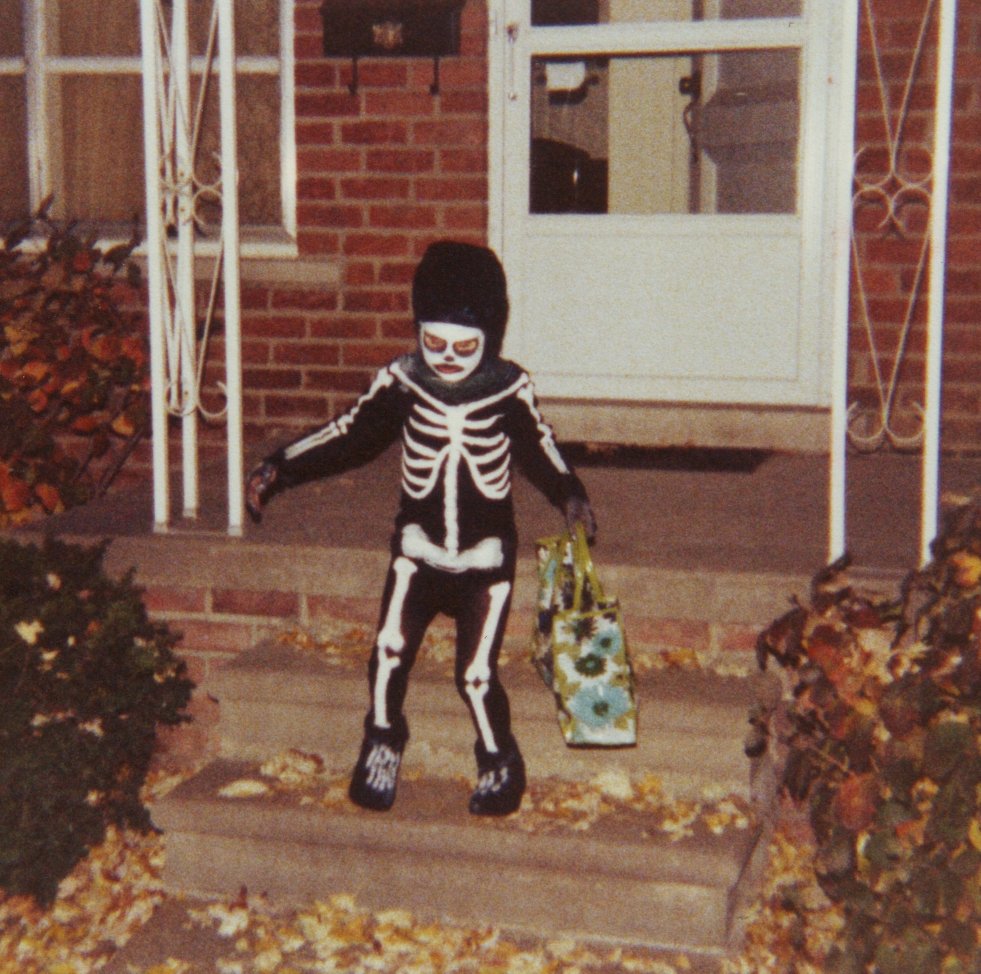
Hina Khwaja Bayat was even more direct. The veteran actress and television host said there must be a clear line between celebrating something and participating in what she described as satanic rituals — a pointed reference to the horror costumes, occult symbols and dark imagery that define Halloween for many of its celebrants.
Her comment cut straight to the heart of the objection: for critics, Halloween isn’t just a party with costumes, it’s a festival whose entire visual language — witches, demons, the dead — clashes with local religious and cultural values. Where supporters of the festival see playful dress-up, Hina Bayat sees participation in something far darker.
Like Seemi Raheel, she is a senior figure whose words carry weight — and her post ensured the debate would not stay confined to one actress’s timeline.
The internet is divided

The two statements immediately split online opinion into two camps.
Supporters rallied behind the actresses. One widely shared reaction agreed that people had “made fun of everything and forgotten their limits,” arguing that blindly copying Western festivals shows a lack of cultural confidence. Others said youngsters were celebrating a festival whose origins and meaning they didn’t even understand — treating it as a trend rather than a tradition.
Critics pushed back just as forcefully. One commenter wrote that not everything needs to be criticised, and youngsters should simply be allowed to have a good time. Another argued that for most people today, Halloween is nothing more than a costume party — its ancient roots are irrelevant to how it’s actually celebrated now.
The exchange captures a familiar Pakistani argument: one side sees cultural erosion, the other sees harmless fun — and neither side is backing down.
Why Halloween keeps dividing Pakistan
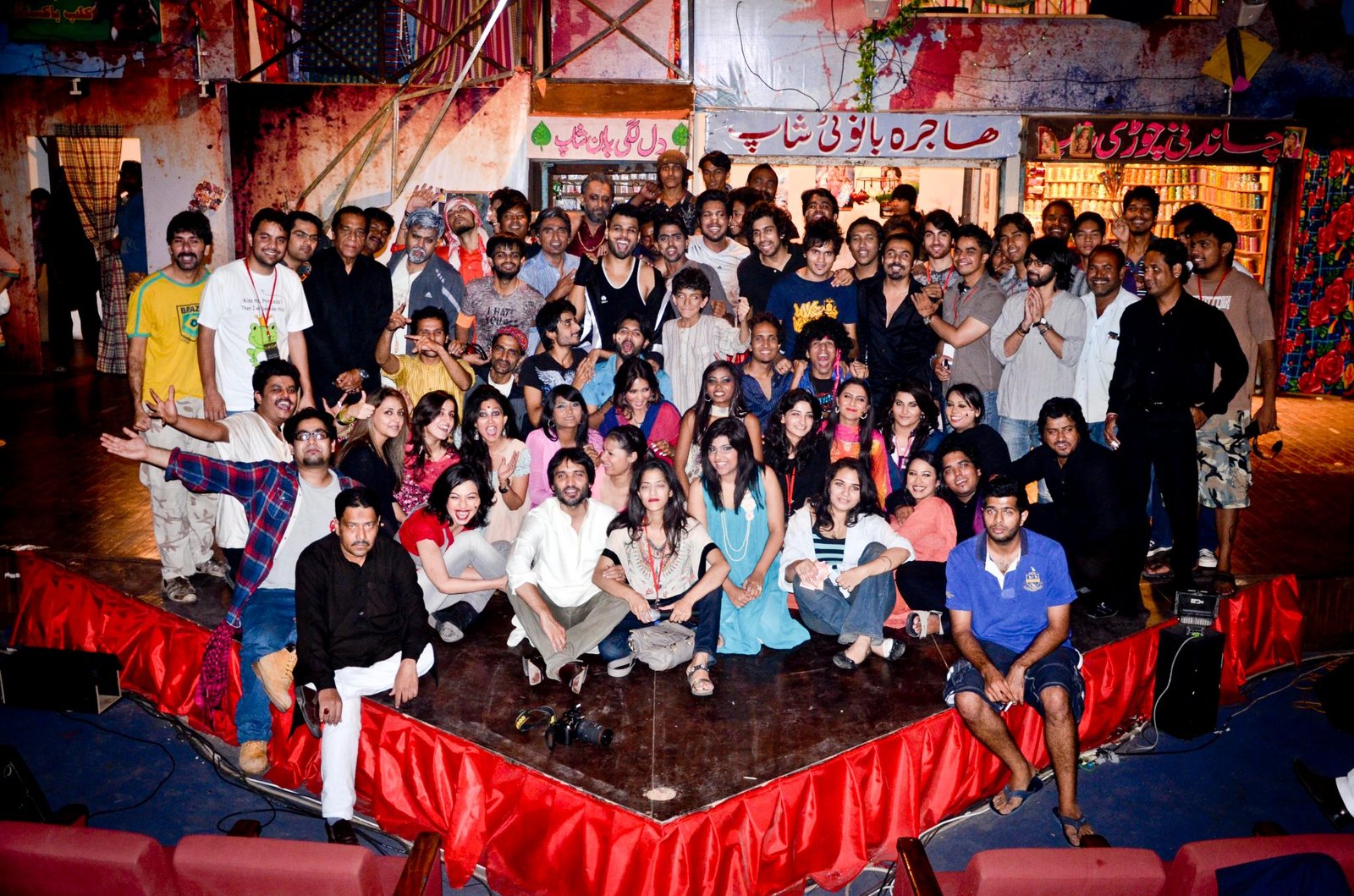
Halloween traces its roots to the ancient Celtic festival of Samhain, a pagan observance marking the end of harvest season, which was later absorbed into the Christian All Hallows’ Eve on 31 October. In its modern American form, it means costumes, trick-or-treating and horror-themed parties — and that version is the one that has travelled to Pakistan through the internet, social media and returning expatriates.
It joins a familiar list of imported occasions that arrive the same way and divide opinion the same way: Valentine’s Day, April Fool’s Day, New Year’s Eve. Each begins as a curiosity among urban youth, spreads through restaurants and social media, and eventually forces the same national conversation about culture, religion and imitation.
What makes this year’s debate different is who started it. When two of the most respected senior actresses in the industry — women known for intellect as much as acting — call out the festival in the same week, the argument moves beyond anonymous comment sections. Whether Halloween fades as a passing trend or cements itself as a Pakistani October fixture, the 2026 debate has made one thing clear: the conversation about which parts of global culture Pakistan adopts — and on what terms — is only getting louder.
Related Posts
 ShowbizFatima Effendi Opens Up About Severe Postpartum Depression: “Only Allah Pulled Me Out of It”
 ShowbizJunaid Khan Calls for Investment in Independent Music, Bolder Pakistani TV
 ShowbizOmer Shahzad and Shanzay Lodhi Welcome Baby Boy Ismail: Announcement, First Pictures and All the Details
 ShowbizYashma Gill Opens Up on Her Journey From Atheism to Islam in Samina Peerzada Interview
 ShowbizWorld Culture Festival Karachi 2026: Music, Dance, Film and Theatre Light Up the Fifth Day
 ShowbizHumaira Channa’s Car Stolen in Karachi: Singer’s Vehicle Taken from Bahadurabad, Home Minister Orders Recovery
Most Popular
 How-ToPTA Tax Calculator 2026: Check Mobile Tax on Any Phone403 views
 Pakistan NewsPIA Boeing 787 Lease Deal: What It Means for the Airline382 views
 SportsUEFA Champions League 2026-27: Format, Teams and Schedule375 views
 Canada JobsTech Jobs in Canada: Roles, Salaries, and Skills Needed360 views
 SportsBallon d’Or 2026: London Ceremony, Nominees and All-Time Records Ahead of 70th Anniversary338 views
 ShowbizWomen’s Fashion in Pakistan 2026: Trends, Brands and Style Guide335 views