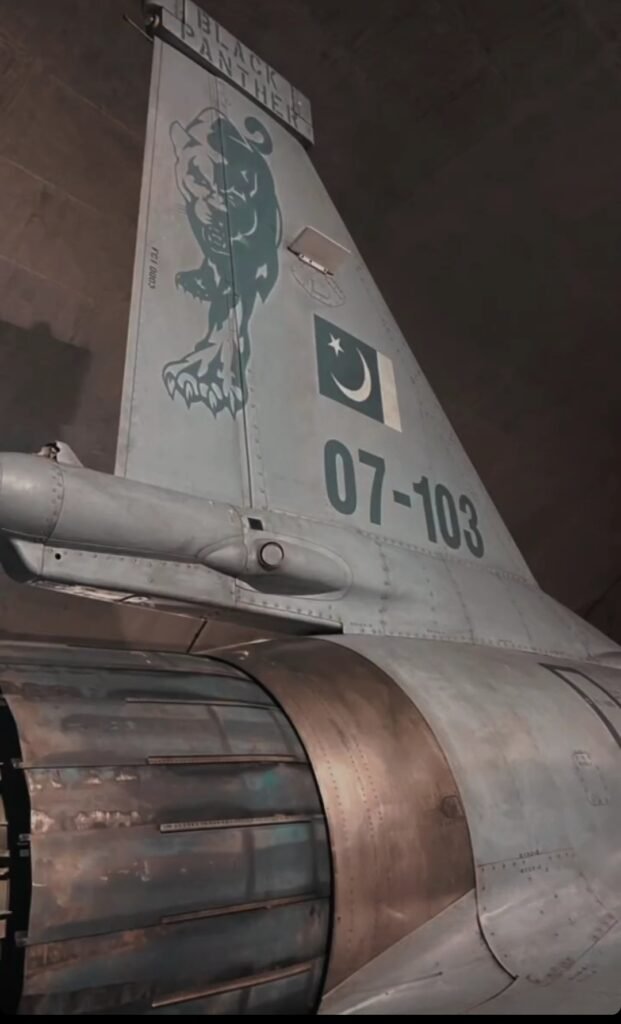
Pakistan has successfully conducted the flight test of Fa’az, its first indigenously developed air-to-air missile, the military’s media wing announced on Tuesday. The Inter-Services Public Relations (ISPR) said the test marked another significant milestone in the advancement of the country’s aerospace and defence capabilities.
What the ISPR announced
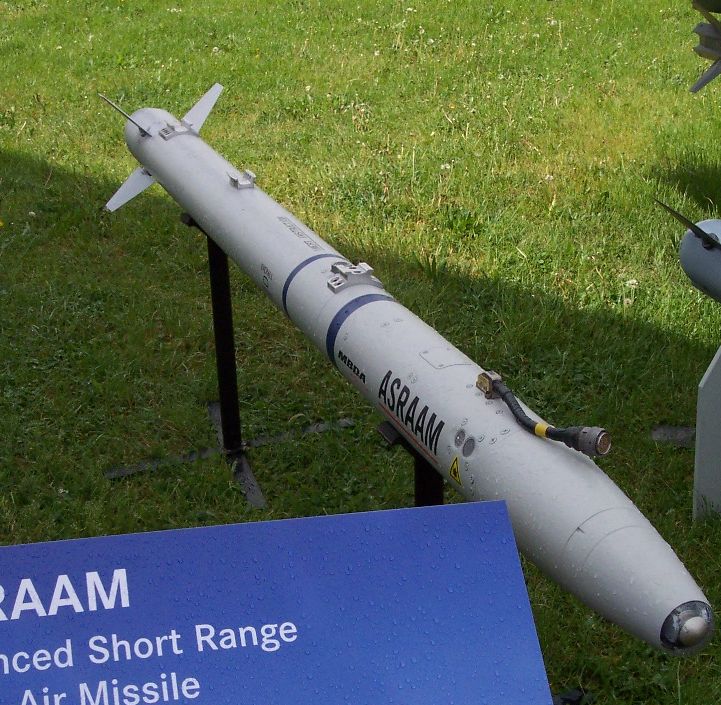
According to the ISPR statement issued from Rawalpindi, the Fa’az missile is equipped with a state-of-the-art terminal guidance system and is capable of engaging enemy aerial targets at longer ranges. The military’s media wing said the missile would significantly enhance the operational flexibility of the Pakistan Air Force and further strengthen the country’s overall defence posture. The statement added that the successful flight test demonstrated the technical maturity, innovation and self-reliance achieved by Pakistan’s defence industry. Senior officers of the Pakistan Armed Forces witnessed the launch alongside the scientists and engineers who played a pivotal role in developing the advanced weapon system. President Asif Ali Zardari, Prime Minister Shehbaz Sharif, Chief of Army Staff and Chief of Defence Forces Field Marshal Syed Asim Munir, and the services chiefs congratulated the scientists and engineers on the achievement.
Faaz missile family: what is publicly known
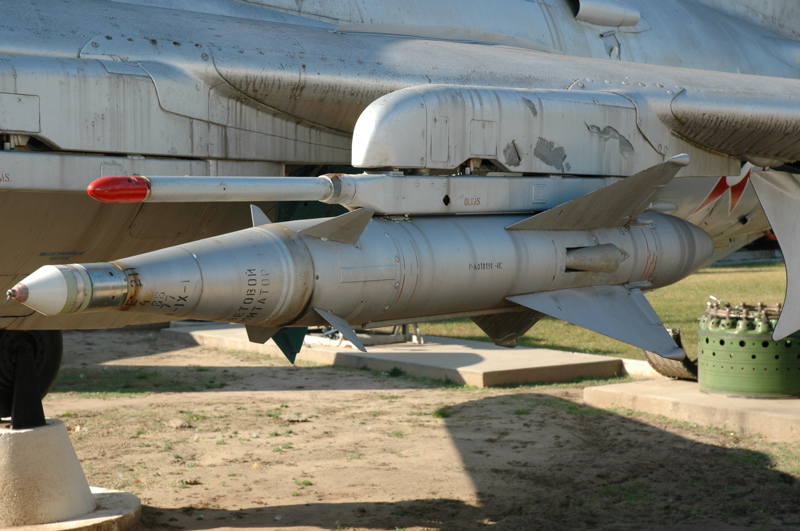
Defence publications describe the Faaz as a family of beyond-visual-range air-to-air missiles developed by the Pakistani defence conglomerate GIDS, which holds the programme’s intellectual property rights locally. Reported variants include the Faaz-1 series — the Faaz-RF radar-guided version and the Faaz-IIR infrared-homing version — each described in open sources as having an overall range in the 100-kilometre class, plus a surface-launched variant and an upgraded longer-range Faaz-2 version. It is important to note that these technical details come from open-source defence reporting and encyclopaedic references, not from Tuesday’s ISPR statement, which did not disclose the missile’s range, speed or the variant tested.
A busy year for Pakistan’s missile programme

The Fa’az test is the latest in a string of indigenous weapons trials this year. On 13 October, the Pakistan Army successfully test-launched the extended-range version of the Fatah-2 hypersonic ballistic missile, and earlier in October the Fatah-IV cruise missile was also tested. Each test has been framed by the military as evidence of the growing maturity of the domestic defence industry. The steady cadence of announcements suggests the indigenous missile programme is moving from development into operational testing across multiple categories — surface-to-surface, cruise and now air-to-air systems.
Why the test matters for the PAF

For the Pakistan Air Force, an indigenous air-to-air missile changes the logistics of air power. Imported missiles come with supply constraints, cost pressures and political strings; a locally developed weapon eases all three. The ISPR said Fa’az would give the PAF greater operational flexibility — the ability to arm its fighter fleet with a home-built beyond-visual-range weapon. Whether Fa’az enters squadron service, and on which platforms, has not been announced. But the message of the test is clear: Pakistan intends to build, not just buy, the weapons that defend its skies.
Related Posts
 Pakistan NewsTwo Policemen Martyred Guarding Polio Team in Mohmand; Four Polio Workers Abducted in Tank
 Pakistan NewsMaryam Nawaz in Attock: CM Inaugurates 127 Development Projects Worth Rs23 Billion
 Pakistan NewsHyderabad’s Viral Qasimabad Road: Authorities Start Removing Electric Poles From the Middle
 Pakistan NewsPakistan Launches Week-Long Polio Drive: 24 Million Children to Be Vaccinated Across 97 Districts
 Pakistan NewsQatar Offers Pakistanis Free 30-Day Visa on Arrival — No Advance Visa Needed
 Pakistan NewsLahore’s Iron Rod Mystery: Why Motorcyclists Are Riding With Metal Rods
Most Popular
 How-ToPTA Tax Calculator 2026: Check Mobile Tax on Any Phone401 views
 Pakistan NewsPIA Boeing 787 Lease Deal: What It Means for the Airline381 views
 SportsUEFA Champions League 2026-27: Format, Teams and Schedule375 views
 Canada JobsTech Jobs in Canada: Roles, Salaries, and Skills Needed356 views
 SportsBallon d’Or 2026: London Ceremony, Nominees and All-Time Records Ahead of 70th Anniversary337 views
 ShowbizWomen’s Fashion in Pakistan 2026: Trends, Brands and Style Guide333 views