Aurangzeb Backs Digital Assets for Growth: Pakistan Reviews Eurobond Tokenization
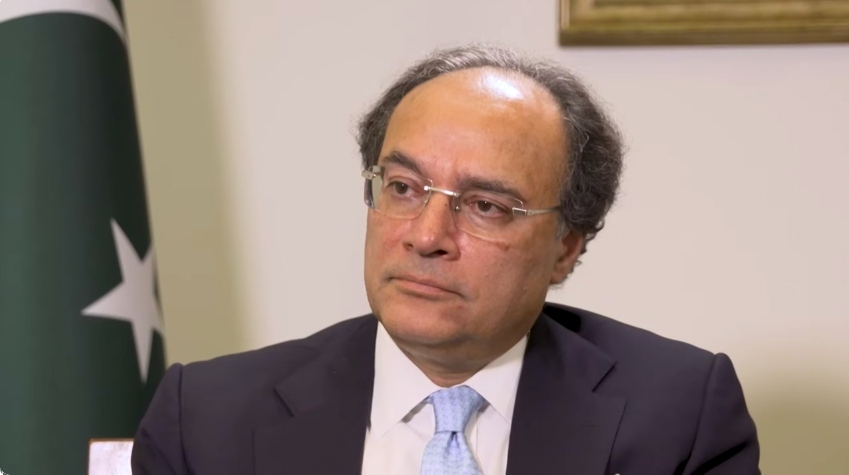
Finance Minister Senator Muhammad Aurangzeb has thrown the federal government’s weight behind digital assets and financial innovation, telling the country’s top bankers that digital finance must deliver real economic benefits — cheaper remittances, faster payments and easier credit for businesses — rather than exist as innovation for its own sake. Speaking virtually on Monday at the “Dialogue on Digital Assets and Future of Banking,” the minister also disclosed that Pakistan is reviewing the possibility of tokenizing its existing Eurobond debt.
The dialogue was organised by the Pakistan Banks’ Association (PBA) in collaboration with the Lahore University of Management Sciences (LUMS), and brought together government officials, regulators, bankers and academics to chart Pakistan’s path into the digital finance era.
“Digital Assets Must Earn Their Place”
Aurangzeb’s central message was one of cautious ambition. “Pakistan needs financial innovation, and digital assets must complement the broader digital transformation to provide ease and convenience to people while introducing innovation into the country’s financial system,” he said, according to a report by the Associated Press of Pakistan.
He argued that digital innovation should translate into tangible benefits for ordinary people and businesses: lower-cost remittances, faster business payments, accessible financing for entrepreneurs and increased productive investment. “Digital assets should earn their place in our financial system by helping deliver these outcomes,” he said, stressing that adoption of emerging technologies must be driven by practical economic benefits rather than innovation alone.
The minister said the government had successfully achieved macroeconomic stability and was now focused on moving the economy towards sustainable, export-led growth through fiscal discipline, higher exports, greater foreign direct investment and stronger private-sector participation. An efficient, inclusive and modern banking system, he added, was essential — with banks facilitating businesses, particularly small and medium enterprises (SMEs) and the agriculture sector, through easier access to financing.
Pakistan Reviewing Eurobond Tokenization
In the most concrete revelation of his address, Aurangzeb disclosed that the Ministry of Finance is reviewing the possibility of tokenizing Pakistan’s existing Eurobond debt. The move would place Pakistan among a growing group of countries exploring how blockchain-based instruments can reshape sovereign borrowing.
He also highlighted the promise of tokenization for remittances — a lifeline for Pakistan’s economy. The country received $41.6 billion in remittances during the previous fiscal year, the minister noted, while first-quarter trends suggest inflows could exceed $44 billion this year. Tokenization, he said, could create promising opportunities for improving remittance channels, including transactions linked to Roshan Digital Accounts and overseas Pakistanis.
Citing international developments, Aurangzeb pointed to JPMorgan’s use of deposit tokens to facilitate institutional transactions over blockchain networks and the Bank for International Settlements’ Project Agora, which is examining the potential of tokenized commercial bank deposits and central bank reserves to improve cross-border settlements. These examples, he said, showed that banks would continue to play a central role in the digital financial ecosystem — safeguarding funds, managing risks and protecting customers.
Regulatory Framework: Virtual Assets Act 2026 and PVARA
Aurangzeb laid out Pakistan’s regulatory progress, noting that the country had established a statutory framework through the Virtual Assets Act 2026, which assigns the Pakistan Virtual Assets Regulatory Authority (PVARA) responsibility for licensing and supervising virtual asset service providers. Readers can follow our earlier coverage of PVARA’s anti-money-laundering oversight role for background.
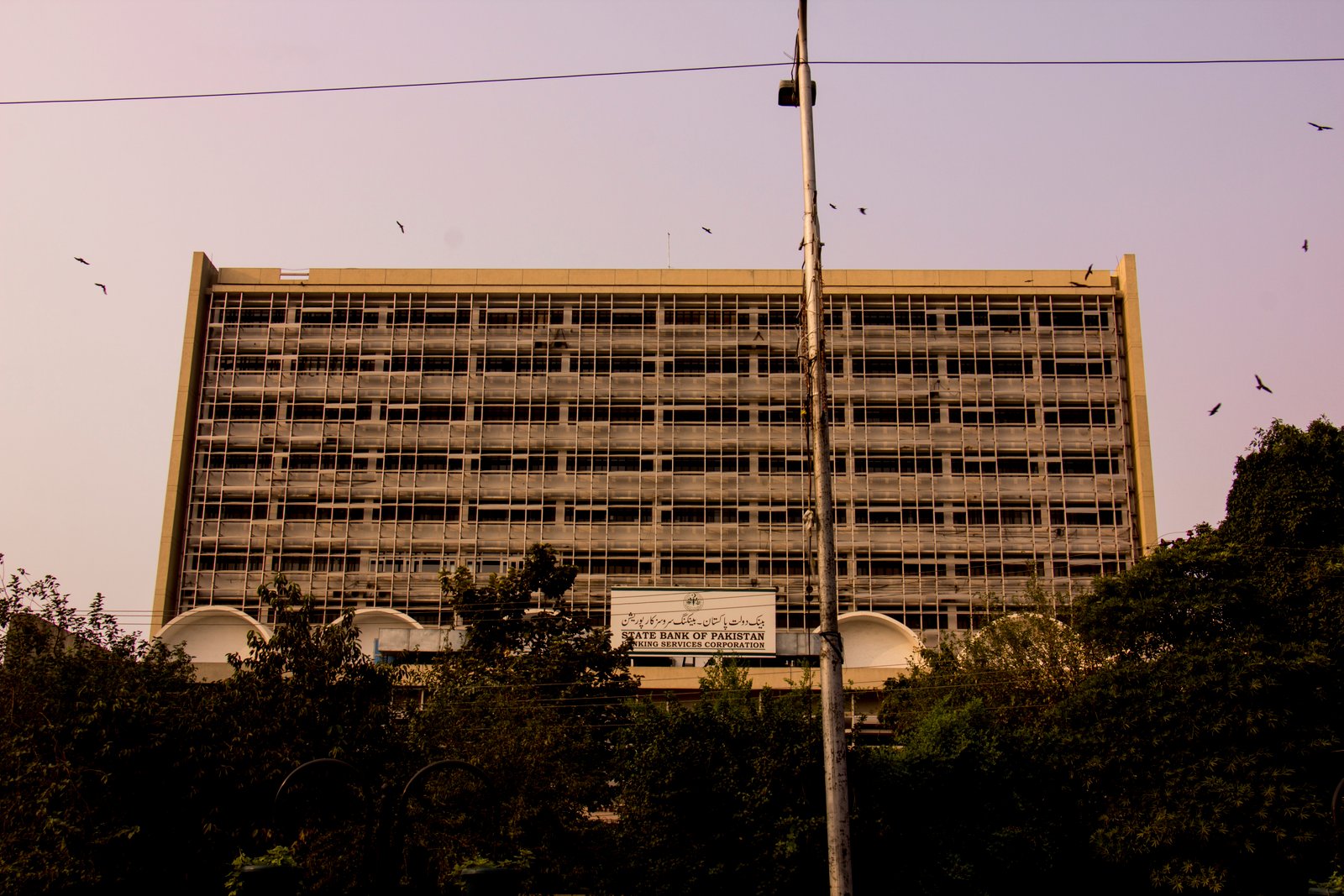
The next priority, he said, was effective implementation through capable supervision, institutional coordination and close engagement among regulators. On the practical question of banking services for crypto businesses, he said the State Bank of Pakistan had introduced a conditional mechanism for extending banking facilities to PVARA-licensed entities, subject to due diligence and segregation of client funds.
He clarified that accounts opened for entities holding no-objection certificates (NOCs) would serve a limited purpose until licensing was complete, and that banks would remain responsible for compliance with foreign exchange regulations. Restrictions on banks investing, trading or holding virtual assets through their own funds or customer deposits would remain in place, he added.
Not All Digital Assets Are the Same
Aurangzeb stressed the need to distinguish between categories of digital assets. Tokenized bank deposits remained claims on banks, he explained, while stablecoins carried risks depending on their issuers, underlying backing and redemption arrangements. Unbacked crypto assets involved a different set of risks and required separate consideration.
He cautioned that digital transformation must be accompanied by strong regulatory safeguards, financial stability and effective institutional oversight so that technological advancement did not create unnecessary risks for the financial system. He also urged banks and their chief information security officers to strengthen cybersecurity arrangements and prepare institutions for emerging risks.
The minister recalled that Pakistan’s Permanent Mission to the United Nations had co-convened a dialogue on blockchain and the tokenized future with the UN Office for Digital and Emerging Technologies during UN Digital Cooperation Day in New York in September — a sign, he said, of the country’s active role in global policy discussions.
What This Means for Pakistan’s Digital Finance Future
The address marks one of the clearest signals yet that the government sees digital assets as a serious economic instrument rather than a speculative sideshow. With the Virtual Assets Act 2026 on the books, PVARA operational, and now a Eurobond tokenization review underway, Pakistan is positioning itself as one of the region’s more forward-leaning jurisdictions on digital finance.
Whether the rhetoric translates into real change will depend on implementation — the licensing of service providers, the terms of the Eurobond review, and how quickly banks pass on the promised benefits of cheaper remittances and faster payments to customers. As digital finance gathers pace across the country — from Gen Z’s embrace of crypto platforms, which we covered in our Binance Qafila 2026 report, to institutional interest — the minister’s dialogue could prove a turning point.
For now, the message from Islamabad is unambiguous: digital innovation is welcome, but it must pay its way in cheaper transactions, stronger growth and a more inclusive financial system.
Related Posts
 BusinessPakistan-Bound LNG Carrier Attacked Near Strait of Hormuz: Al Mayeda Struck, Forced to Turn Back
 BusinessGold Price in Pakistan Crashes Rs10,800 Per Tola in Sharpest Drop of the Year
 BusinessMaryam Nawaz Launches Punjab PIVOT Economic Plan: Rs2 Trillion Investment Push for Exports and Jobs
 BusinessABHI Microfinance Bank Plans Rs3 Billion IPO on PSX — Book Building on 5–6 November
 BusinessFBR Misses October Tax Target by Rs156 Billion, Collects Rs975 Billion
 BusinessSBP SMEConnect Portal: Apply for SME Loans Online from 1 November 2026
Most Popular
 How-ToPTA Tax Calculator 2026: Check Mobile Tax on Any Phone381 views
 SportsUEFA Champions League 2026-27: Format, Teams and Schedule369 views
 Pakistan NewsPIA Boeing 787 Lease Deal: What It Means for the Airline362 views
 Canada JobsTech Jobs in Canada: Roles, Salaries, and Skills Needed349 views
 SportsBallon d’Or 2026: London Ceremony, Nominees and All-Time Records Ahead of 70th Anniversary334 views
 ShowbizWomen’s Fashion in Pakistan 2026: Trends, Brands and Style Guide325 views



One comment