If you have TeamViewer installed on your computer or phone, Pakistan’s cyber emergency team has a message for you: update it now. The National Cyber Emergency Response Team (National CERT) has issued a fresh advisory telling users across the country to move to TeamViewer version 15.83 or later, after a high-severity security flaw was found in older versions of the popular remote-access software.
The advisory, tracked as NCA-25.311026, was issued on 1 November 2026. It follows TeamViewer’s own security bulletin, TV-2026-1011, which fixed the problem in version 15.83, released in late October. What is new is that Pakistan’s own authority has now told local users and IT teams to act, rather than leaving the update to chance.
What National CERT found
The flaw carries the reference CVE-2026-111585 and a severity score of 8.8 out of 10, which puts it firmly in the high-severity category. The National CERT TeamViewer update warning is aimed at anyone who uses the software for remote access, technical support or system administration — from office IT departments to individuals who help family members fix their computers from afar.
The Pakistan National CERT advisory ranks its actions clearly: patching comes first. Everything else it suggests — tightening session settings, reviewing permissions, checking logs — supports the update but does not replace it. In other words, there is no shortcut around installing the fixed version.
The flaw, in plain terms

This is where the story gets interesting. Most people think of remote-access attacks as someone breaking into your computer. This flaw works the other way round. The bug sits in the part of TeamViewer that handles the remote screen — the images and data arriving from the computer you connect to. A hostile or already compromised host can send crafted data that crashes TeamViewer or corrupts its memory, and on some platforms that could let it run malicious code with the same rights as the TeamViewer process.
So the people at risk are those who connect out to another machine. An attack is not automatic: it needs the user to start a remote-control session with a host the attacker controls, which is why the advisory singles out setups that connect to external or untrusted systems. TeamViewer said at the time of its bulletin that it knew of no exploitation in the wild — but the fix exists, and National CERT wants it installed.
Which versions are affected
The affected apps are the standard desktop client on Windows, macOS and Linux, the portable Windows build, and the Android remote control app. For each of them, the cure is the same: version 15.83 or whatever is newest (15.8.3 for the Android app).
Organisations on the older branches are not forgotten. Installations on the 14.x line have their own fixed build, 14.7.48868, and the 13.x line on Windows is fixed in 13.2.36231, with separate fixed numbers for 13.2 on Linux and macOS. The advisory points readers to TeamViewer’s bulletin for other legacy and maintenance releases rather than assuming the normal upgrade path applies.
Two more bugs fixed in the same update
The TeamViewer 15.83 security update fixes more than the one flaw National CERT highlighted. The same bulletin bundles two additional fixes. The first, tracked as CVE-2026-92372, is an out-of-bounds write in the screen-image decoder on Linux and macOS, which can also be triggered by opening a crafted TeamViewer session recording (.tvs file). The second, CVE-2026-92374, affects the privileged helper on macOS, where a local user with low rights could slip a malicious installer package past verification checks and gain root access.
National CERT also cites a notice from the Canadian Centre for Cyber Security (AV26-1093), published on 28 October 2026, as a second reference — a sign that security teams beyond Pakistan are treating this update seriously.
How to update TeamViewer on your computer
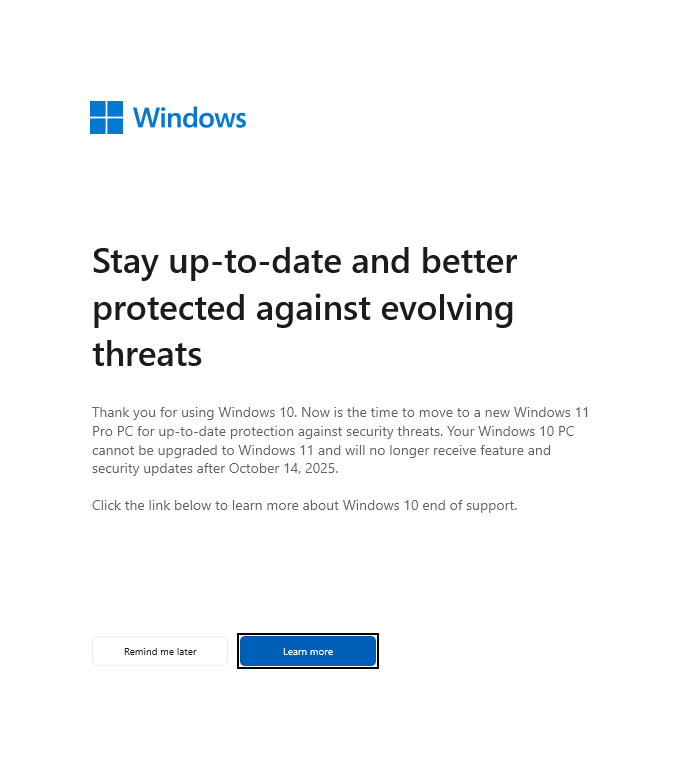
For most users, the update TeamViewer Pakistan routine is straightforward. Open TeamViewer, go to the menu, and choose the update or “check for new version” option; the programme will download and install 15.83 itself. If you downloaded TeamViewer from its website or your app store, grabbing the latest version from the same place achieves the same result.
Android users should update the TeamViewer Remote Control app through the Play Store to version 15.8.3 or later. On computers where the update cannot be installed straight away — for example, office machines with frozen software policies — the advisory suggests blocking untrusted outbound remote connections until the patch can be applied, and it asks IT teams to check logs for unexpected TeamViewer crashes and sessions nobody can account for.
The checklist for offices and IT teams
For organisations, the advisory goes further than “just update”. It recommends limiting remote sessions to approved users, trusted partners and authorised devices — for example through approved IP lists or domain accounts. It asks staff to confirm who is on the other end before accepting a session, to work with standard user rights where possible, and to review unattended access and its permissions.
If a machine may already have been compromised, the guidance is to keep the connection logs and endpoint alerts, restrict or switch off remote access, and consider bringing in incident-response specialists. These steps support the update; they do not replace it.
This is not the first time Pakistani users have been told to patch quickly — National CERT’s earlier Chrome’s emSign root removal guidance followed the same pattern. But a remote-access tool is special: it is, by design, a door into your computer. The fix for CVE-2026-111585 is ready, the advisory is out, and the only thing left is to install it. Details are covered in the report on the National CERT warning and this breakdown of the affected versions for anyone who wants the full technical picture.
Related Posts
 TechnologyMIT Stranded 13 AI Agents on a Virtual Island — With Nothing to Do, They Started Playing
 TechnologyPTA Chairman: 100 Million Pakistanis on Social Media, 1.5 Billion TikTok Videos Watched Daily
 TechnologyAtta Tarar Pushes Mandatory AI Content Labelling in Pakistan — and a National Cybersecurity Council
 TechnologyPunjab Safe Cities Authority Wins 2026 IACP Award for AI-Based Vehicle Crime Prevention
 TechnologyNokia 2360 Flip: HMD’s New Flip Phone with SOS Button — and One Big 2G Catch
 TechnologyPTA Logged Over 10,000 Cyber Alerts in a Year — and Pakistani IT Firms Should Worry
Most Popular
 How-ToPTA Tax Calculator 2026: Check Mobile Tax on Any Phone373 views
 SportsUEFA Champions League 2026-27: Format, Teams and Schedule358 views
 Pakistan NewsPIA Boeing 787 Lease Deal: What It Means for the Airline351 views
 Canada JobsTech Jobs in Canada: Roles, Salaries, and Skills Needed343 views
 SportsBallon d’Or 2026: London Ceremony, Nominees and All-Time Records Ahead of 70th Anniversary330 views
 ShowbizWomen’s Fashion in Pakistan 2026: Trends, Brands and Style Guide320 views