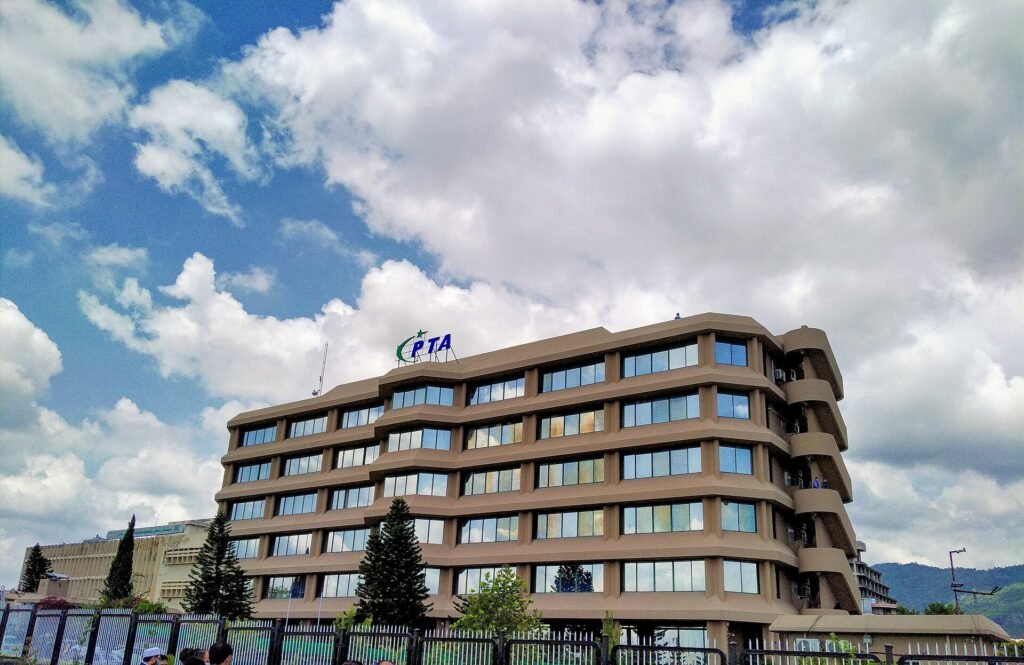
Pakistan’s fight against extremist and harmful online content is running into an unlikely wall: the platforms themselves. Social media companies complied with barely one in four content-removal requests from the Pakistan Telecommunication Authority (PTA), according to figures Interior Minister Mohsin Naqvi shared with the National Assembly this week — and YouTube, one of the most widely used platforms in the country, acted on fewer than two in every hundred requests.
The disclosure came in a written parliamentary response released on 28 October 2026, reported by Digital Watch and TechJuice. It offers the clearest public look yet at how little leverage Pakistani authorities have over the global companies that host the country’s online conversation.
PTA Requests Saw 23.7 Percent Compliance
According to the minister’s reply, social media companies complied with only 23.7 percent of the content-removal requests submitted by the PTA. Requests routed through the provincial Counter-Terrorism Departments (CTDs) did somewhat better, with a 47.1 percent compliance rate — but even there, more than half of the requests went unfulfilled.
In plain terms, for every hundred pieces of content the PTA flagged for removal, platforms deleted or restricted fewer than 24. When the country’s own counter-terrorism police made the request, roughly half were still ignored.
The response did not say how many requests were made in total, what period they covered, or whether every request concerned extremist content — an important caveat, since compliance rates mean little without knowing what was asked and why.
YouTube 1.9 Percent, X 7.4 Percent, Facebook 38 Percent

The platform-by-platform breakdown is where the numbers turn stark. X, formerly Twitter, acted on just 7.4 percent of the requests sent its way. Facebook recorded the highest compliance rate of the named platforms at 38 percent — but even there, the majority of requests went unfulfilled.
YouTube’s figure is the most striking of all: a compliance rate of 1.9 percent. The video platform is among the most heavily used in Pakistan, yet according to the minister’s figures it acted on almost none of the removal requests it received from Pakistani authorities.
Punjab Sent 97.7 Percent of Requests; Sindh and Balochistan Saw Zero Compliance

The provincial breakdown reveals a lopsided picture. Punjab accounted for 97.7 percent of the requests submitted by the Counter-Terrorism Departments, according to the figures — the province is by far the most active in flagging online content to the authorities.
Sindh and Balochistan, meanwhile, reportedly recorded no compliance at all despite submitting requests, pointing to deep regional disparities in how Pakistan’s content-removal pipeline actually functions.
Why the Platforms Don’t Listen
Naqvi’s response pointed to a structural problem: the major social media companies are neither registered in Pakistan nor bound by local laws, leaving the government with no legal mechanism to compel them to act. The PTA had approached the platforms to register under the Social Media Rules of 2021, but the companies have not set up local offices — reportedly because of concerns about potential criminal liability for their employees, a lack of regulatory clarity, and broader business considerations.
The minister also acknowledged Pakistan’s own shortcomings: a shortage of specialist personnel, limited technological capacity within law enforcement, low conviction rates in cybercrime and illegal SIM cases, and no organised, integrated system at the federal and provincial level to address online threats. He described a persistent gap between collecting online information and converting it into actionable intelligence. Related coverage: the Islamabad High Court recently ordered the PTA, Pemra and the NCCIA to report on online-harassment enforcement, as UrduPro reported earlier.
Naqvi’s Answer: A New Regulator, Binding Deals and Penalties
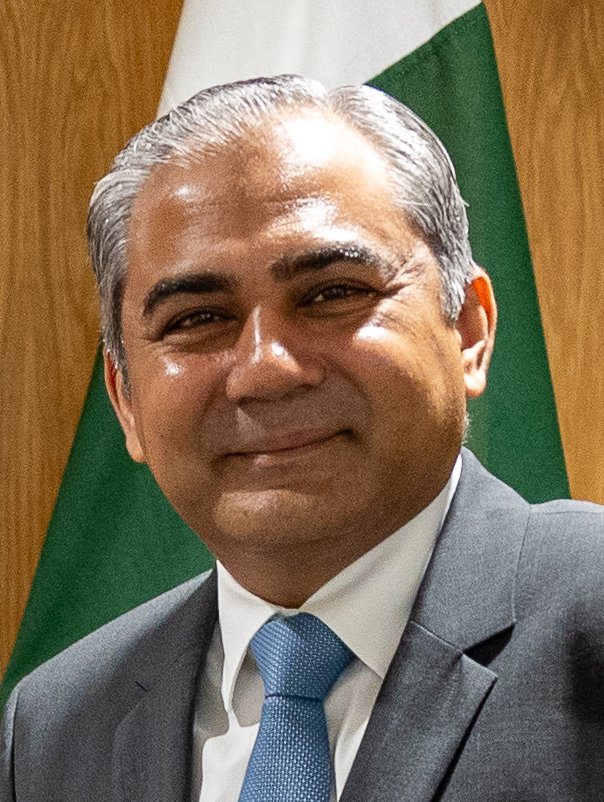
To break the deadlock, Naqvi called for the faster operationalisation of the Social Media Protection and Regulatory Authority (SMPRA), the body created under the Prevention of Electronic Crimes Amendment Act 2025. The proposed authority would oversee platform registration and content regulation, while the PTA would retain responsibility for content blocking.
He also pushed for binding compliance arrangements with the platforms, including penalties for non-compliance, along with automated monitoring of banned organisations’ online activity, a shared digital intelligence repository, regional forensic laboratories, and specialised training for investigators.
The response also sketched the wider counter-terrorism picture: security agencies conducted 5,143 intelligence-based operations across Pakistan between 1 January and 29 September 2026. And in a revealing funding detail, the National Counter Terrorism Authority (NACTA) requested more than Rs2.98 billion for the 2026-27 financial year, but only Rs1.33 billion has been released — a gap the ministry described as constraining a body that coordinates, but cannot itself arrest or enforce.
What the Numbers Don’t Say
As striking as the percentages are, they should be read with the response’s own gaps in mind: no total number of requests, no time period, and no breakdown of whether all the requests concerned extremism or touched on political and other content. The government is asking for stronger enforcement powers — and with them, the question of who decides what comes down will only grow more important.
Related Posts
 TechnologyOllie’s $7.5 Million AI Assistant Is Shutting Down — Beaten by the AI Boom It Tried to Ride
 TechnologyDeel Launches “Deel Security” to Catch Deepfake Job Candidates Before They Get Hired
 TechnologyBinance Arranges $6.34 Billion to Cover Biggest Crypto Hack Ever as North Korea Blamed
 TechnologyApple Intelligence Finally Arrives in China This December — With Alibaba’s Qwen, Not ChatGPT
 TechnologySUPARCO’s UN Space Conference Concludes Today in Islamabad With Joint Climate Lab Plan
 TechnologyNishat Group and LUXEED Sign Strategic MoU to Bring Premium Huawei-Backed EVs to Pakistan
Most Popular
 How-ToPTA Tax Calculator 2026: Check Mobile Tax on Any Phone353 views
 SportsUEFA Champions League 2026-27: Format, Teams and Schedule334 views
 SportsBallon d’Or 2026: London Ceremony, Nominees and All-Time Records Ahead of 70th Anniversary325 views
 Canada JobsTech Jobs in Canada: Roles, Salaries, and Skills Needed322 views
 Pakistan NewsPIA Boeing 787 Lease Deal: What It Means for the Airline308 views
 ShowbizWomen’s Fashion in Pakistan 2026: Trends, Brands and Style Guide303 views