Islamabad’s five-day international conference on space technology and early warning systems concludes today, Saturday 31 October 2026, wrapping up a week of sessions that brought together around 250 national and international participants from 20 countries. According to the official programme published by the Space and Upper Atmosphere Research Commission (SUPARCO), the closing day features a summary of the conference proceedings, presentations on SUPARCO’s Space4Climate initiative, and the planned inauguration of a Pakistan-Kazakhstan Joint Climate Laboratory.
The International Conference on Leveraging Space Technology for Early Warning for All (EW4All), Climate Action and Disaster Risk Assessment opened on 27 October at Serena Hotel, Islamabad, with Federal Minister for Planning, Development and Special Initiatives Professor Ahsan Iqbal as the chief guest. SUPARCO Chairman Muhammad Yousaf Khan welcomed the delegates and underlined the growing importance of space-based applications in climate monitoring, disaster management and early warning systems.
A week of sessions on satellites and early warnings
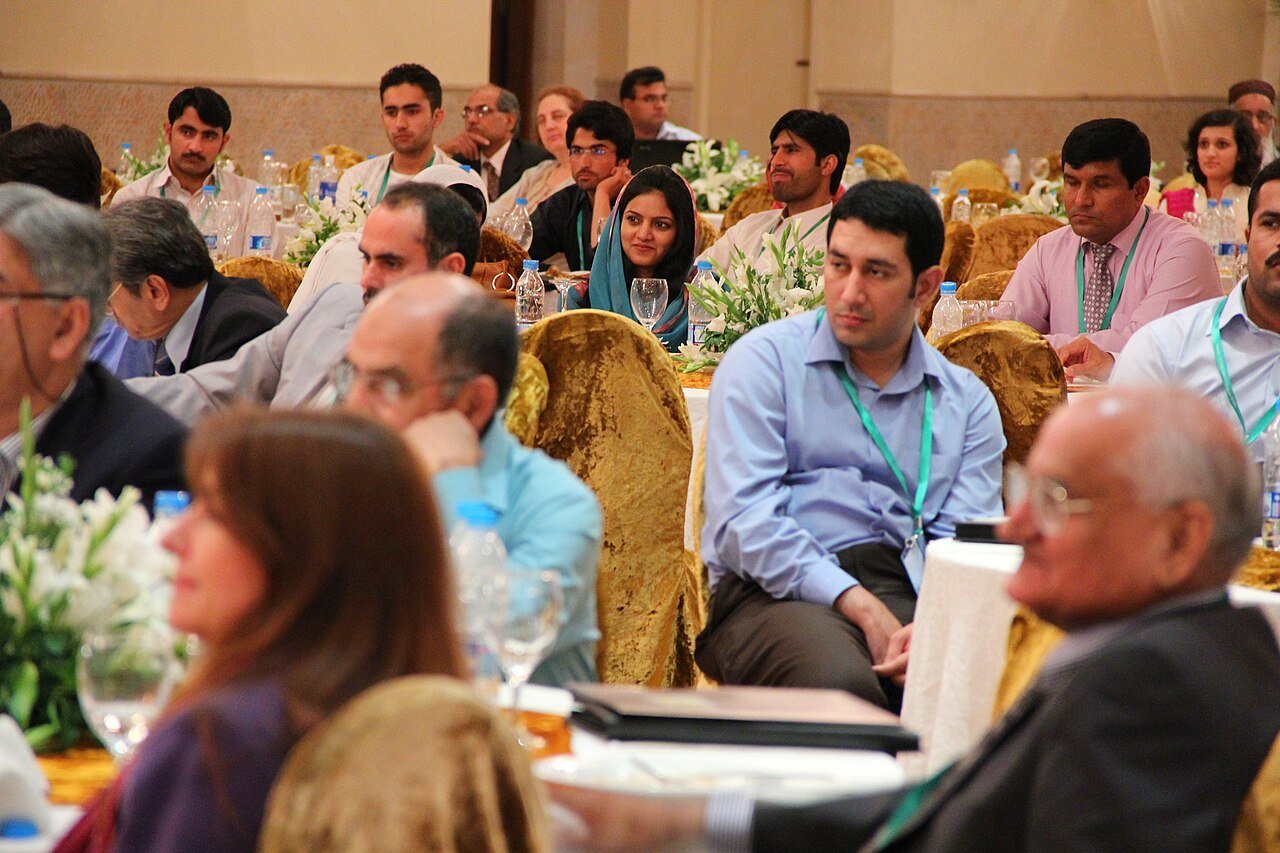
The conference was organised by SUPARCO on behalf of the Government of Pakistan in collaboration with the United Nations Office for Outer Space Affairs (UNOOSA), the UN Platform for Space-based Information for Disaster Management and Emergency Response (UN-SPIDER), the Asia-Pacific Space Cooperation Organization (APSCO) and the Inter-Islamic Network on Space Sciences and Technology (ISNET).
Sessions across the five days examined how satellite observations, Earth observation data and geospatial technologies can strengthen the United Nations’ Early Warnings for All initiative, which aims to protect communities and critical infrastructure from climate-related disasters through effective early warning systems. Case studies and panel discussions focused on floods, droughts and heatwaves, and the programme also addressed the implementation of the Sendai Framework for Disaster Risk Reduction and the Paris Agreement.
International participation included the United Nations World Food Programme (WFP) and the International Telecommunication Union (ITU), alongside space and research agencies from partner countries such as Indonesia’s National Research and Innovation Agency (BRIN), the Iranian Space Research Center, the Space Research and Technology Center of Iraq, the Turkish Space Agency, TUBITAK Space Technologies Research Institute, Vietnam’s National Remote Sensing Department and Nepal’s Ministry of Energy, Water Resources and Irrigation.
Pakistan-Kazakhstan Joint Climate Laboratory on closing day
The official programme lists the inauguration of the Pakistan-Kazakhstan Joint Climate Laboratory as part of the closing ceremony on 31 October, reflecting efforts to strengthen bilateral cooperation in the application of space technology and scientific research to climate-related challenges.
Closing day also includes a half-day technical visit to SUPARCO, the National Disaster Management Authority (NDMA) and the Pakistan Meteorological Department (PMD), giving participants a view of how disaster information is used by the authorities responsible for response in the country.
National participation in the conference spanned government, disaster management and public-sector institutions, including the Ministry of Climate Change and Environmental Coordination, the Ministry of Foreign Affairs, NDMA, the Pakistan Meteorological Department, the Pakistan Climate Change Authority, the National Disaster Risk Management Fund, the Planning Commission, the State Bank of Pakistan, the Securities and Exchange Commission of Pakistan, the Federal Flood Commission, the Pakistan Environmental Protection Agency, the Punjab Forest Department and the Punjab Information Technology Board.
What it means for Pakistan’s disaster preparedness
For Pakistan, the conference is expected to improve national capacity to use satellite-based and geospatial information for early warning, climate resilience and disaster risk reduction. The country remains one of the most climate-vulnerable in the world, and timely satellite-derived information on floods, glacial melt and extreme weather is central to protecting lives and infrastructure.
A five-day training course at the COMSTECH Secretariat in Islamabad, scheduled for 2 to 6 November 2026, will follow the conference to further develop technical knowledge and capacity in the areas covered during the week.
Pakistan’s space programme in 2026
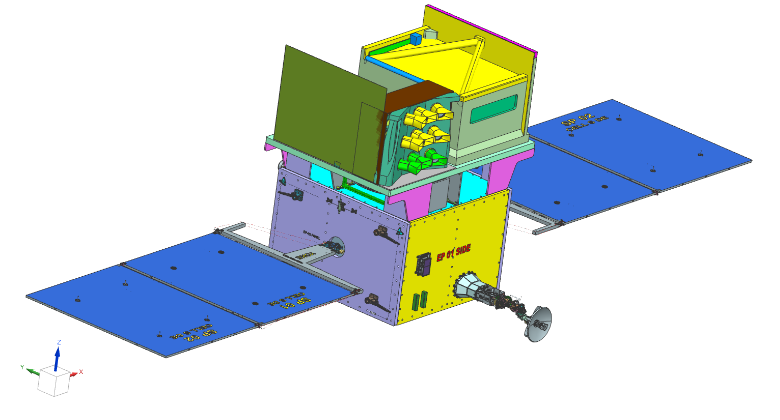
The conference closes a busy year for Pakistan’s space programme. In April 2026, SUPARCO launched the indigenous electro-optical satellite EO-3 (PRSC-EO3) from China’s Taiyuan Satellite Launch Centre, completing the three-satellite PRSC electro-optical constellation alongside EO-1 and EO-2. Planning Minister Ahsan Iqbal also announced during World Space Week in October 2026 that Pakistan’s first astronaut mission is targeted for November 2026, to fly from a Chinese space centre.
Related Posts
 TechnologyNishat Group and LUXEED Sign Strategic MoU to Bring Premium Huawei-Backed EVs to Pakistan
 TechnologyNubia Neo 5 Max Launch in Pakistan: 7.5-Inch “Padphone” Gaming Phone With 7100mAh Battery
 TechnologyPakistan Nears One Million Locally Made 5G Smartphones, PTA Figures Show
 TechnologyPTA Sets 2,000 5G Sites Per Operator Target by 2028 — Plus 5x Faster 4G
 Technology‘SMS of Death’: A Single Text Message Can Crash Your Android Phone — No Click Needed
 Technology326 Cyber Threats Hit Pakistan in a Year, PTA’s Dark Web Report Reveals
Most Popular
 How-ToPTA Tax Calculator 2026: Check Mobile Tax on Any Phone350 views
 SportsUEFA Champions League 2026-27: Format, Teams and Schedule330 views
 SportsBallon d’Or 2026: London Ceremony, Nominees and All-Time Records Ahead of 70th Anniversary325 views
 Canada JobsTech Jobs in Canada: Roles, Salaries, and Skills Needed318 views
 Pakistan NewsPIA Boeing 787 Lease Deal: What It Means for the Airline308 views
 ShowbizWomen’s Fashion in Pakistan 2026: Trends, Brands and Style Guide302 views