Punjab has banned the use and sale of camera-enabled smart glasses and hidden-camera gadgets for 30 days, in one of the strongest moves yet by a Pakistani province against covert recording devices. The Punjab smart glasses ban took effect on 20 October 2026 under a Section 144 order issued by the provincial Home Department — and it is still in force as of today.
If you live in Punjab, wear smart glasses, sell electronics or shop online, here is what the order actually covers, what it leaves out and how long it will last.
What the Section 144 order actually says
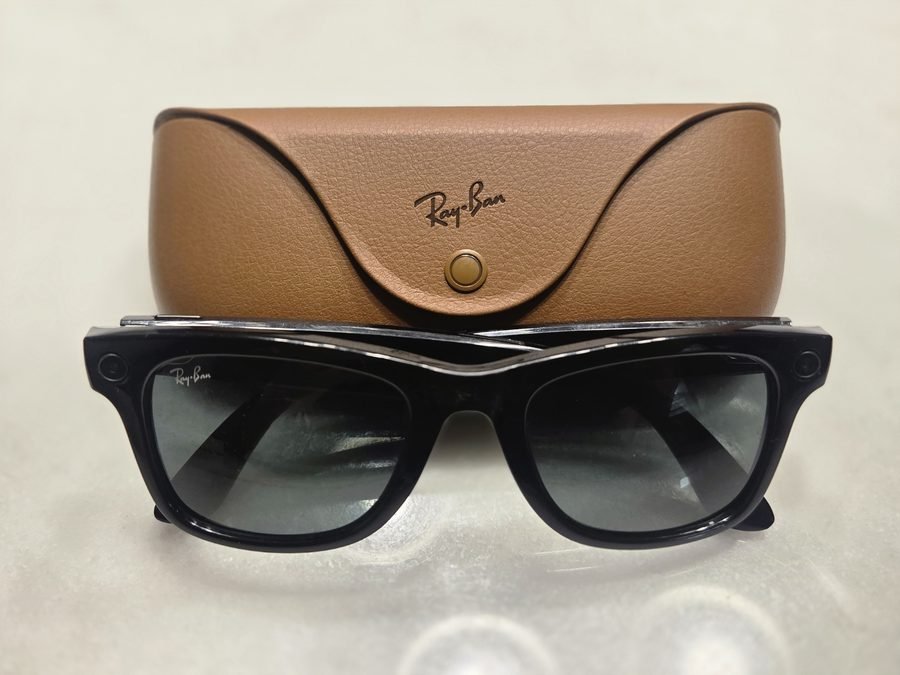
Camera-enabled smart glasses such as the Ray-Ban Meta, shown here with their charging case, are covered by the Punjab order. Photo: CCadio, CC BY 4.0, via Wikimedia Commons
The Punjab Home Department secretary issued the restriction under Section 144 of the Code of Criminal Procedure, 1898, which lets the administration impose preventive restrictions in the interest of public order. A copy of the notification, examined by Dawn on 21 October, states the order plainly: “No person shall wear or operate ‘camera-enabled smart glasses with hidden recording ability’ or ‘miniature cameras with recording ability disguised as everyday objects such as pen, keychain, etc.’”
The restriction took effect immediately on Tuesday, 20 October 2026, and will remain in force for 30 days unless the Punjab government withdraws it earlier. It applies across the whole province — not just Lahore.
Which devices are banned — and which are exempt

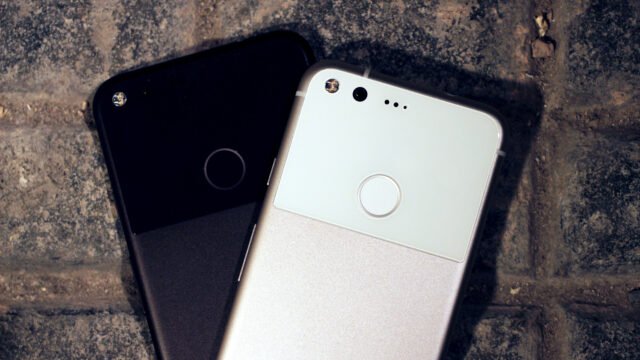
Ordinary mobile phones are explicitly excluded from the ban, which targets only hidden-recording devices. Photo: Bhullargraphic, CC BY-SA 4.0, via Wikimedia Commons
The order is deliberately narrow. It targets two categories of device:
- Camera-enabled smart glasses with hidden recording ability — the AI-powered glasses that look like ordinary eyewear but can record video and audio.
- Miniature cameras disguised as everyday objects — spy cameras concealed inside pens, keychains, watches and similar items.
Just as important is what the order excludes. Laptops, handheld tablets and mobile phones are not covered, and neither is terminal equipment approved by the Pakistan Telecommunication Authority (PTA). Authorised law enforcement personnel are also exempt from the restriction. In other words, the ban is aimed at devices designed for secret recording — not at your phone or laptop.
Why Punjab took this step

Protecting citizens’ privacy — particularly that of women and children — is the stated reason for the ban. Photo: mikemacmarketing, CC BY 2.0, via Wikimedia Commons
The Home Department says concealed recording devices can be used for harassment, blackmail and unauthorised surveillance, while also putting sensitive information and secure facilities at risk. Complaints of illegal surveillance, harassment and blackmail carried out through such devices had emerged in recent weeks, the department said, and strict penalties would be imposed for misuse. The ban sits alongside a wider enforcement push: the national cybercrime agency recently arrested 1,129 suspects in a one-month cybercrime crackdown across Pakistan.
Announcing the move, Punjab Information Minister Azma Bokhari said recording and releasing content at will had become a habit, and questioned who gave people the authority to do so. The department has stressed that the measure aims to safeguard the privacy and personal information of citizens, with particular emphasis on women and children.
What shops, traders and online sellers must do

Sellers have to pull the banned devices from both physical shops and online listings while the order is in force. Photo: Phillip Pessar, CC BY 4.0, via Wikimedia Commons
The restriction is not only on wearing the devices. Retailers, wholesale dealers, traders and distributors are barred from “selling or offering these devices for sale, online or off the shelf”.
This matters because AI-powered smart glasses from global tech brands have not officially launched in Pakistan, but court filings say they are openly sold online and in Lahore markets. Sellers across Punjab have now had to pull them from sale while the ban is in force. The notification directs law enforcement agencies to ensure strict adherence to the order during its 30-day run.
The Lahore High Court case running alongside the ban

The Lahore High Court is separately hearing a petition against the unregulated import and sale of camera smart glasses. Photo: CC BY-SA 4.0, via Wikimedia Commons
The provincial order is separate from a case before the Lahore High Court, which is examining the unregulated import and sale of smart glasses. A citizen’s public interest petition argued that camera- and microphone-equipped glasses are being sold openly in shops and on online marketplaces in Lahore, and that unregulated sales pose risks to citizens’ privacy, personal dignity and national security.
On 15 October, the court directed the federal government to refer the matter to the federal cabinet through a summary — a step toward possible federal-level regulation. The Punjab government’s 30-day restriction and the federal cabinet referral now sit alongside each other, but neither has yet produced a permanent, nationwide rule.
What it means for owners — and what comes next

Wearing camera smart glasses in Punjab is currently prohibited; owners should keep them at home until the order lapses or is clarified. Photo: Phillip Pessar, CC BY 4.0, via Wikimedia Commons
For anyone in Punjab who already owns smart glasses, the practical advice is simple: do not wear or use them in public while the order is in force, and do not try to sell them — online or in person. Keep an eye on the expiry date: the order runs 30 days from 20 October 2026, which means it lapses around 19 November 2026 unless the government withdraws it earlier or extends it with a fresh notification.
What happens next depends on two tracks. If the federal cabinet takes up the Lahore High Court’s referral, Pakistan could see a permanent regulatory framework for camera smart glasses — covering imports, sales and possibly designated no-recording zones. Until then, Punjab’s temporary ban remains the strictest rule in the country on these devices, and anyone buying wearable tech this year should check whether their gadget records before they wear it out of the house.
Sources: TechJuice; TaazaTaren. Facts verified from seven independent reports, 31 October 2026.
Related Posts
 TechnologyApple Music Launches in Pakistan: Prices, Plans and PayPak Payments Explained
 TechnologyPTA Chief Warns Pakistan a ‘Prime Target’ for Cyberattacks: Fake OTP Messages, Thousands of Fake Videos Hit Citizens Daily
 Technology130 Malaysians Detained in Rawalpindi Scam Call Centre Raid; Malaysian Police May Send Investigators
 TechnologyKimi K3.1 Pro: Moonshot AI’s 2.8T-Parameter Model Rivals GPT-6 Astra and Claude Opus 5.5
 TechnologyOPPO Find X10 Pro Max Debuts Globally with Industry-First Triple 200MP Cameras — Pakistan Launch Expected
 TechnologyNCCIA Smashes Fake Loan App Network in Shangla: 2 Arrested, 30+ Devices Seized
Most Popular
 How-ToPTA Tax Calculator 2026: Check Mobile Tax on Any Phone346 views
 SportsUEFA Champions League 2026-27: Format, Teams and Schedule328 views
 SportsBallon d’Or 2026: London Ceremony, Nominees and All-Time Records Ahead of 70th Anniversary325 views
 Canada JobsTech Jobs in Canada: Roles, Salaries, and Skills Needed315 views
 Pakistan NewsPIA Boeing 787 Lease Deal: What It Means for the Airline306 views
 ShowbizWomen’s Fashion in Pakistan 2026: Trends, Brands and Style Guide299 views