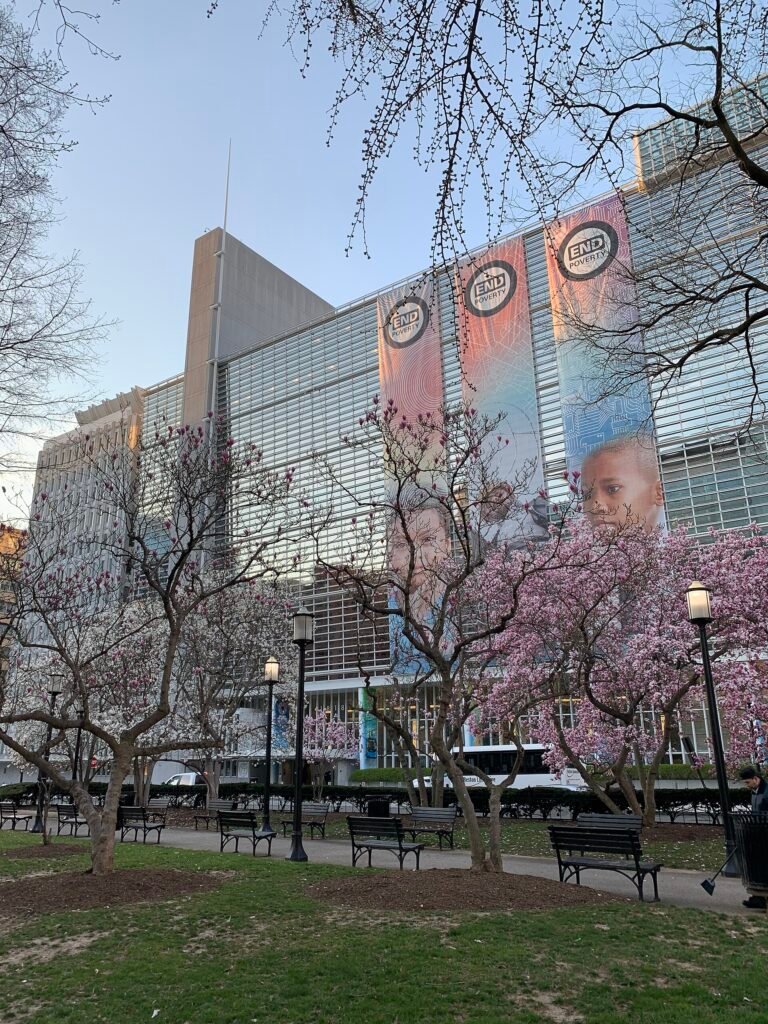
What the World Bank has proposed

The World Bank has proposed a $50 million financing package to establish a dedicated fund of funds for Pakistan, aimed squarely at the country’s underdeveloped venture capital sector. The proposal was laid out in the bank’s initial project information document for what it calls the Pakistan Entrepreneurship and Private Investment Catalyst Project, and it was first reported by Pakistani tech media on 26 October 2026.
Under the proposal, the full $50 million would come through the International Bank for Reconstruction and Development (IBRD) — the World Bank’s lending arm — leaving no financing gap in the estimated project cost. The implementing agency named in the document is Ignite, the national technology fund operating under Pakistan’s Ministry of Information Technology and Telecommunication. The plan was reported by TechJuice on 26 October 2026.
The primary goals are straightforward: expand Pakistani startups’ access to early-stage capital, strengthen the domestic venture-capital market, and support business growth, productivity and job creation across the country. Rather than handing money to founders directly, the structure is deliberately indirect — which is where the “fund of funds” model comes in.
How a fund of funds actually works

A fund of funds does not invest in companies. Instead, it commits capital to professionally managed venture-capital funds, and those funds then invest in startups. The design is meant to professionalise the ecosystem: instead of the state trying to pick winners, seasoned fund managers allocate the money under World Bank environmental and social safeguards.
The World Bank has classified the environmental and social risks of the project as moderate, and says appropriate safeguards will be required as the fund’s portfolio develops. The model draws on international experience, including Jordan’s Innovative Startups and SMEs Fund, which used a similar structure to deepen a thin venture market.
The timing also matters. A review of the proposal is expected on 20 January 2027, and the project is scheduled for approval consideration by the World Bank’s Executive Board on 24 March 2027. If the board signs off, the fund would become one of the largest structured venture-capital commitments Pakistan’s startup scene has ever seen.
The honest catch: nothing is approved yet

Before anyone gets excited about the headline number, one fact needs stating plainly: the $50 million is a proposal, not a promise. The money is not approved, not disbursed, and on the World Bank’s own timeline it will not even reach a final board vote until early 2027. Realistic expectations put the earliest actual capital deployment well after that.
It is also worth keeping this proposal separate from the programmes that already exist. Pakistan’s original Startup Fund — which offers equity-free grants of up to 30 percent of a funding round — is already operational and taking applications. A second phase of that fund, worth $10 million, was announced on 28 August 2026, though its international fund manager partners are not yet finalised. And the SECP’s Venture Capital Bill 2026 — the regulatory framework that would govern funds like these — remains draft legislation.
So the landscape is genuinely crowded, and this World Bank proposal is the one piece of the puzzle that is still a document waiting for a board meeting — a point one detailed analysis of the announcement makes forcefully. That does not make it unimportant — a $50 million anchor commitment, if approved, would change the incentives for private investors — but it should be reported as what it is: a serious proposal, not money in hand.
Why Pakistan’s startup ecosystem needs the push
The case for the fund is not hard to make. The World Bank’s own document notes that venture capital investment per capita in Pakistan is less than one-tenth of the levels in Egypt, Indonesia and Vietnam. The bank also identified limited institutional capacity in the domestic venture-capital industry and weak environmental and social risk management among local fund managers as challenges the project would have to address.
Past startup investments in Pakistan have concentrated in a handful of sectors: fintech, e-commerce, health technology, education technology and logistics technology. A fund of funds with patient, long-term capital could broaden that base — particularly toward AI, SaaS and deep-tech startups that currently struggle to find risk capital at home. It would also complement the private fintech momentum, including AdalFi’s planned listing as Pakistan’s first fintech IPO.
The proposal also lands at a moment when Pakistan is pushing digital transformation and AI-led growth to the centre of its economic agenda, with commitments to invest in the national AI ecosystem running to 2030. For founders watching from Lahore, Karachi and Islamabad, the message is simple: a large new source of risk capital may be on the way — but the smart move is to keep building with what exists today, and watch the World Bank’s board calendar for early 2027.
Related Posts
 TechnologyEndeavor Pakistan Hosts Google’s Hashim Syed for AI Founders Series Session
 TechnologyOGRA to Introduce AI-Based Monitoring for Pakistan’s Petroleum Supply Chain
 Technologytkxel Named Select Partner by Both OpenAI and Anthropic in Rare Double Win for Pakistani Tech
 TechnologyPTA Chairman: Regulation Alone Cannot Curb Harmful Social Media Content
 TechnologyPTA Mobile Site Inspections Cross 900 in Nationwide Quality Drive
 TechnologyAdalFi IPO: Pakistan’s First Fintech Listing on PSX to Raise Rs 652 Million
Most Popular
 How-ToPTA Tax Calculator 2026: Check Mobile Tax on Any Phone336 views
 SportsBallon d’Or 2026: London Ceremony, Nominees and All-Time Records Ahead of 70th Anniversary321 views
 SportsUEFA Champions League 2026-27: Format, Teams and Schedule321 views
 Canada JobsTech Jobs in Canada: Roles, Salaries, and Skills Needed311 views
 Pakistan NewsPIA Boeing 787 Lease Deal: What It Means for the Airline297 views
 ShowbizWomen’s Fashion in Pakistan 2026: Trends, Brands and Style Guide297 views