RESTON, Virginia — tkxel, the software and AI engineering company with a large engineering team in Pakistan, has been named a Select partner by both OpenAI and Anthropic — the two leading frontier AI laboratories — in a rare double endorsement that puts Pakistani engineering talent at the heart of the global AI race.
The company confirmed on 30 October 2026 that it now holds Select-tier status in both partner programmes. It joined Anthropic’s Claude Partner Network as a Select Services Partner on 6 October, and the OpenAI Partner Network at the Select tier on 14 October. With both partnerships in place, tkxel can build AI agents and automation for clients on whichever company’s models best fit each job.
The announcement: Select status at both AI labs
Select is a meaningful rung in both programmes. The OpenAI Partner Network is a global programme for companies that build, sell and deliver AI solutions using OpenAI technologies, with three tiers awarded on technical capabilities, sales performance, co-selling engagement and deployment experience. As an OpenAI Select Partner, tkxel gains access to partner resources, technical enablement and direct support to strengthen how it delivers AI systems to clients.
On the Anthropic side, the Claude Partner Network is backed by a $100 million investment from Anthropic in partner training, technical support and co-marketing. Select Services Partner status gives tkxel closer access to Anthropic’s technical resources as it expands the Claude-based side of its client practice.
Who is tkxel
tkxel describes itself as an AI engineering partner that helps businesses turn AI ambition into measurable outcomes. The company is headquartered in Reston, Virginia, and employs more than 800 engineers — including over 150 AI specialists — across the United States, Portugal, Saudi Arabia and Pakistan.
The firm was founded by Umair Javed, who serves as chief executive, and has been named to the Inc. 5000 list of fast-growing private companies four years in a row, from 2023 through 2026. It reports a 73 per cent client return rate, a sign that its engagements tend to extend well beyond one-off projects.
Its client base sits largely in the North American mid-market, spanning restaurants, security, logistics, fintech and healthcare. The company’s pitch is end-to-end: it helps clients design, build and scale AI-native products, agents and automation, pairing frontier models with its own engineering, data and delivery muscle.
Claude is already running in production across its client environments: in a security firm’s sales platform (lead scoring, routing decisions, patrol-report reviews), in distribution workflows (purchasing, document processing, contract analysis), and in a multi-agent content platform handling research, drafting, optimisation and review.
Why winning both labs matters
Most AI consultancies align themselves with a single model provider. Holding Select status with both Anthropic and OpenAI at once is unusual — and it lets tkxel give clients model-neutral advice, picking Claude or OpenAI’s models on the merits of each task instead of defaulting to one ecosystem.
“Our partnership with Anthropic strengthens tkxel’s position to help businesses adopt AI at scale,” Umair Javed said. “By combining Claude with our engineering, data, and delivery capabilities, we can support clients in building AI systems that are practical, resilient, and tied to measurable business outcomes.”
The dual recognition also functions as a quality signal. Both programmes vet partners on demonstrated deployment experience, not just intent — so the two badges together amount to the industry’s two most-watched AI labs independently certifying the same engineering organisation.
What it signals for Pakistan’s tech scene
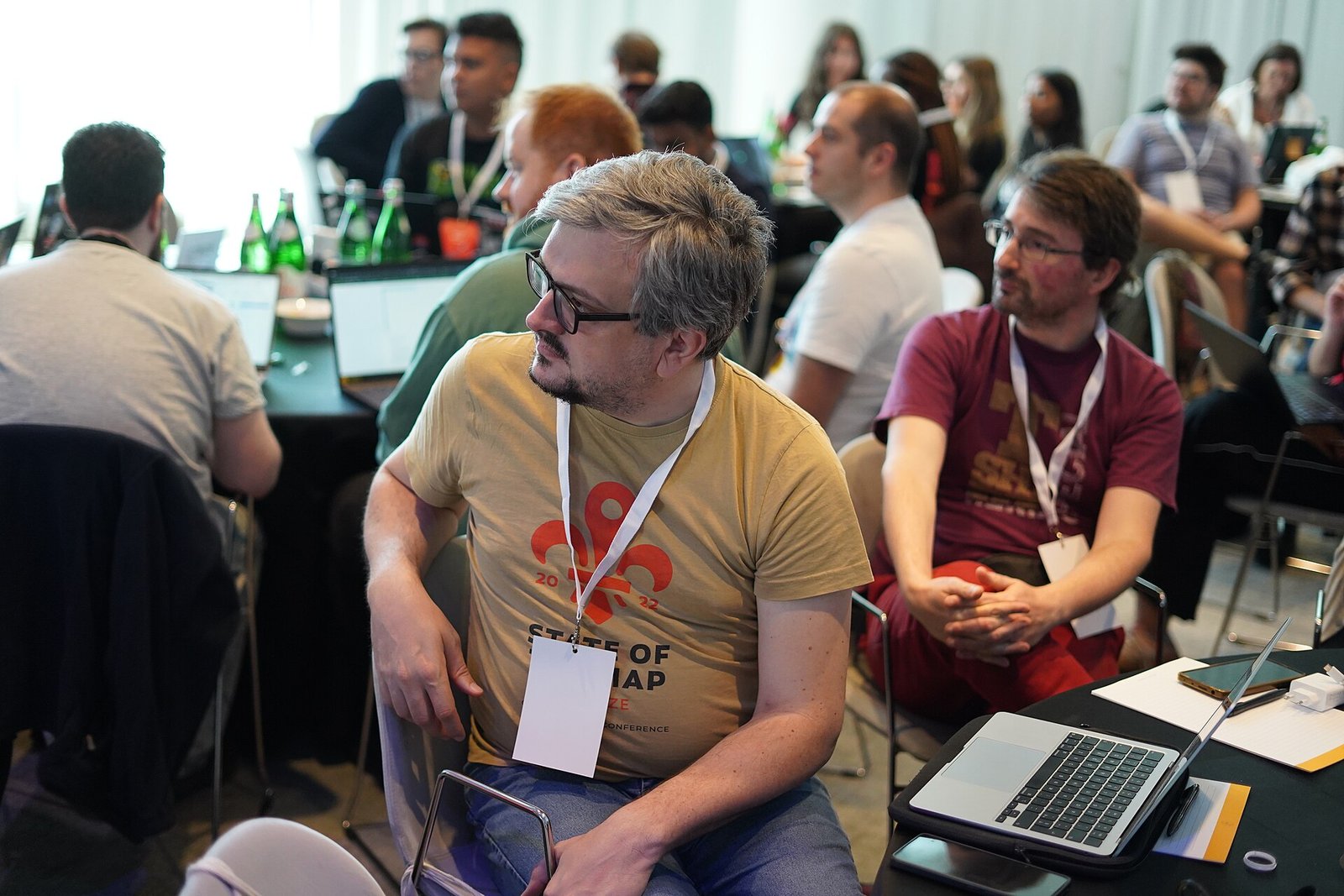
For Pakistan, the story is about talent. A company whose engineering bench leans heavily on Pakistani developers has now been vetted and elevated by the two laboratories defining the frontier of artificial intelligence — a vote of confidence in the country’s AI engineering depth that goes beyond press-release gloss.
It lands at a moment when Pakistan’s technology sector is visibly accelerating. The country’s IT exports touched $3.39 billion in the first nine months of the year on the back of a global AI outsourcing boom, and local firms are increasingly positioning themselves as builders of AI systems rather than just low-cost coding shops. Recognition from both OpenAI and Anthropic gives that positioning a concrete proof point.
The partnerships also open a practical channel: as tkxel grows its Claude-certified talent and implementation capacity across its global delivery teams — including Pakistan — local engineers get direct exposure to frontier-model tooling, training and deployment practices that are otherwise hard to access from this region.
Whether the double endorsement translates into bigger contracts and more high-value AI work flowing through Pakistani teams will be the real test. For now, though, a Pakistani-rooted engineering firm sits in the select circle of both AI giants — and that is a first worth noting.
Sources: tkxel; EINPresswire.
Related Posts
 TechnologyPTA Chairman: Regulation Alone Cannot Curb Harmful Social Media Content
 TechnologyPTA Mobile Site Inspections Cross 900 in Nationwide Quality Drive
 TechnologyAdalFi IPO: Pakistan’s First Fintech Listing on PSX to Raise Rs 652 Million
 TechnologyPakistan Plans New Mobile Manufacturing Policy to Raise Local Parts to 50%
 TechnologyPakistan’s IT Exports Hit $3.39 Billion in Nine Months as Global AI Outsourcing Boom Opens Fresh Doors
 TechnologyAir Link to Launch Air EV Electric Bike Brand in Pakistan on 4 November 2026
Most Popular
 How-ToPTA Tax Calculator 2026: Check Mobile Tax on Any Phone329 views
 SportsUEFA Champions League 2026-27: Format, Teams and Schedule316 views
 SportsBallon d’Or 2026: London Ceremony, Nominees and All-Time Records Ahead of 70th Anniversary313 views
 Canada JobsTech Jobs in Canada: Roles, Salaries, and Skills Needed302 views
 Pakistan NewsPIA Boeing 787 Lease Deal: What It Means for the Airline295 views
 TechnologyRedmi K100 Launching on 28 October: 10,000mAh Battery, 185Hz Display and Full Specs290 views