Petroleum Levy Hits Rs4.4 Trillion: Government Rules Out Immediate Cut
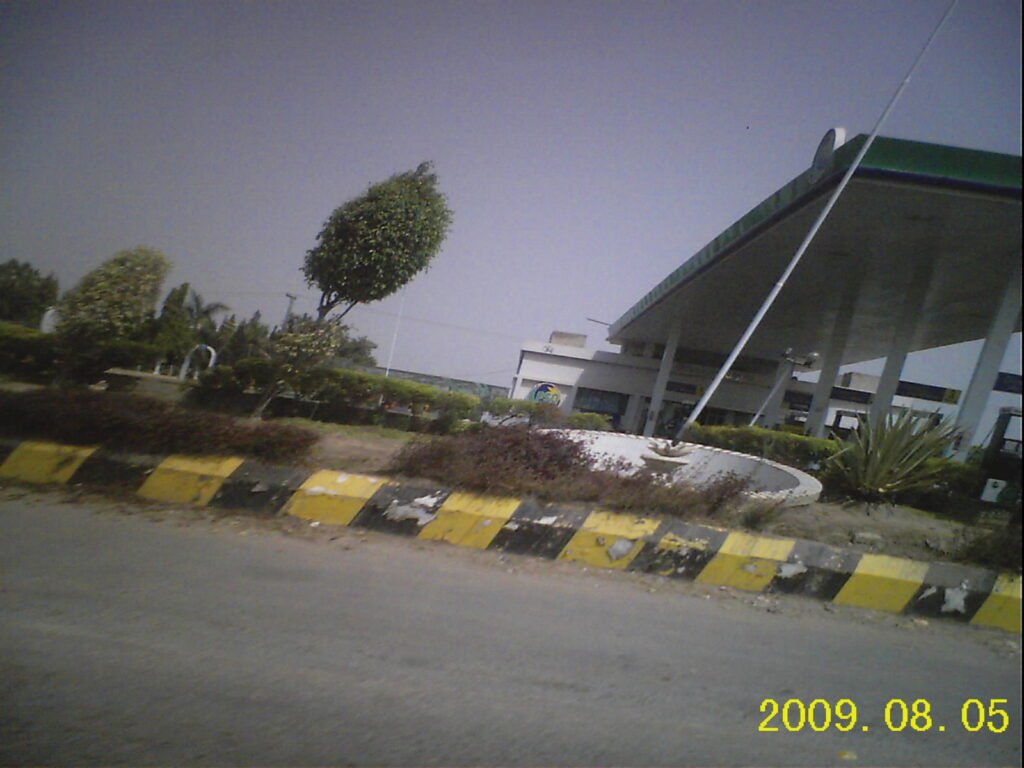
The federal government has ruled out an immediate reduction in the petroleum levy, telling the National Assembly that the tax has raised a staggering Rs4.4 trillion over the past four fiscal years — Rs227 billion more than its own targets. Planning Minister Ahsan Iqbal said on Thursday that any cut would have to wait for the next federal budget, when a phased reduction could be considered.
The announcement sets the government’s position clearly: with the levy now a matter of parliamentary record and tied to commitments made to the International Monetary Fund, motorists should not expect relief at the pump from the levy side any time soon.
No Immediate Cut — Phased Reduction From the Next Budget
Ahsan Iqbal, speaking to reporters on 29 October, said the government would not reduce the petroleum levy “under any pressure from Jamaat-e-Islami” and that a joint committee would examine feasible proposals for a phased decrease beginning with the next budget, subject to available fiscal space and economic conditions.
The six-member committee brings together Deputy Prime Minister Ishaq Dar, Ahsan Iqbal and Rana Sanaullah from the government side, while Jamaat-e-Islami will nominate three representatives. Alongside the levy question, the committee will look at widening the fuel relief scheme and preparing proposals for eventually phasing the levy out.
Rs4.4 Trillion in Four Years: The Ledger
Petroleum Minister Ali Pervaiz Malik informed the National Assembly through a written reply that levy collections from fiscal year 2022-23 to 2025-26 totalled Rs4.4 trillion, against a cumulative target of about Rs4.2 trillion — an overshoot of Rs227 billion.
The year-by-year picture is just as striking. In the last completed fiscal year, provisional collection reached Rs1.567 trillion against a target of Rs1.468 trillion. For the current fiscal year, the government has budgeted Rs1.676 trillion from the levy alone.
The reply also contained a revealing detail: in May this year, Ali Pervaiz had written to the Finance Minister recommending that the annual collection target be reduced to Rs1 trillion and the levy rate lowered to Rs50 per litre in view of high international oil prices. The recommendation was not adopted.
What the Levy Costs a Motorist: Over Rs105 a Litre in Taxes
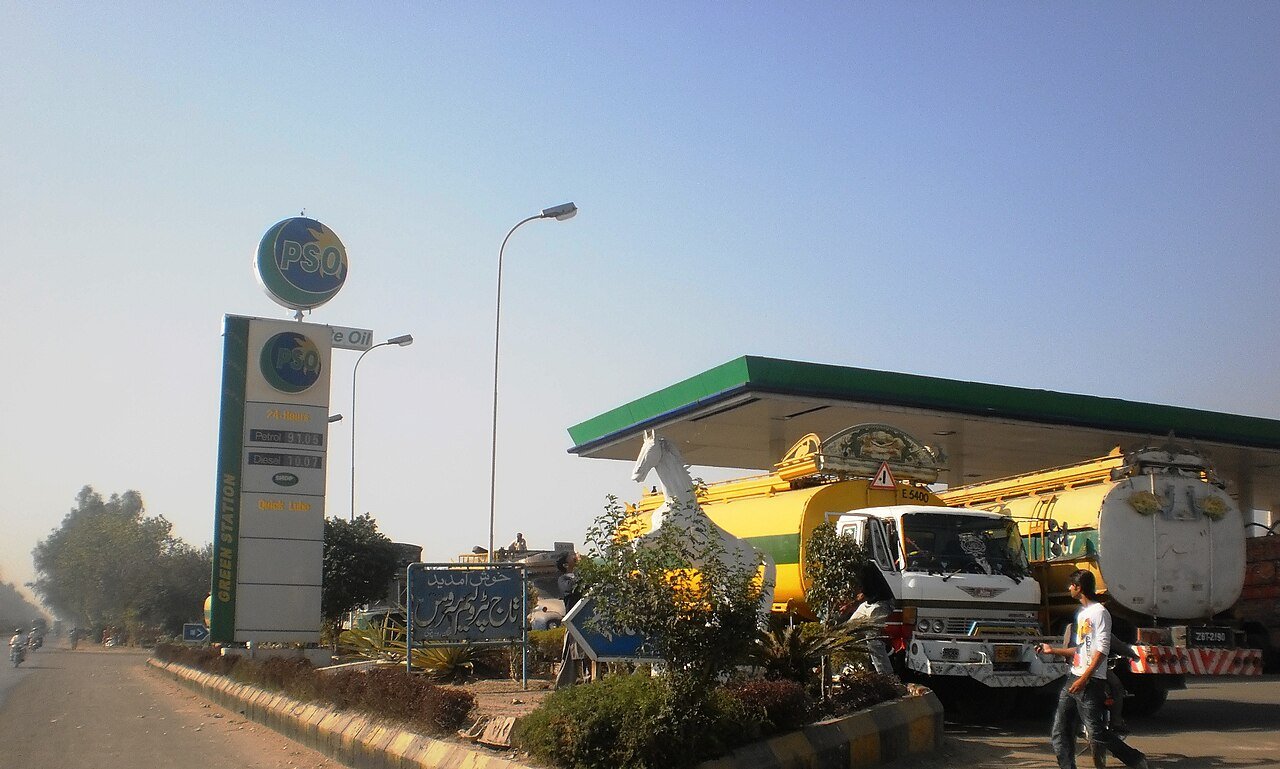
For the first time, the full breakdown of the tax load on fuel has been set out publicly. On every litre of petrol, the government collects Rs80 in petroleum levy, Rs5 in climate levy, and Rs20.56 in customs duty — roughly Rs105.56 in taxes before any part of the base fuel price itself.
The figures explain why pump prices stay punishing even when international oil prices soften. They also put the recent fortnightly price movements in context: petrol was raised by Rs1.85 to Rs377.91 per litre from 29 October, while the 23 October revision had cut petrol by Rs1.60 — small adjustments against a tax base of over Rs105 a litre.
The IMF Factor
Malik told the National Assembly that petroleum levy collection “is also part of the fiscal targets agreed under the IMF Extended Fund Facility” — which is why the government has little room to cut it on its own. Any reduction would need an alternative revenue source that the lender accepts, and the IMF is unlikely to approve a cut unless the lost revenue is replaced.
Responding to questions in the House, the minister said the country’s oil supply chain was being continuously monitored by the Oil and Gas Regulatory Authority (OGRA) in coordination with refineries and oil marketing companies, and fielded queries on national fuel availability and the daily price-setting mechanism.
What Happens Next: JI’s Long March Warning
Jamaat-e-Islami has kept up the pressure. Liaqat Baloch, chairing a consultative meeting of the party in Mansoorah on Thursday, warned that the party would launch a long march from Multan towards Islamabad in mid-November if the government did not provide relief within the 10-day window the prime minister had sought, Business Recorder reported.
The party has decided to hold rallies in Quetta, Mirpur Khas, Bahawalpur, Mansehra and Sargodha first, and has formed committees on transport, medical aid, security, logistics and media to prepare for the march.
For now, the message from Islamabad is unambiguous: no cut in the petroleum levy before the next budget. Whether the joint committee’s proposals — and the IMF’s response to any revenue swap — change that picture will decide if the phased reduction the government is now promising ever reaches the pump.
Sources: National Assembly written reply (29 Oct 2026); Planning Minister’s remarks to reporters.
Related Posts
 BusinessABHI Microfinance Bank Plans Rs3 Billion IPO on PSX — Book Building on 5–6 November
 BusinessFBR Misses October Tax Target by Rs156 Billion, Collects Rs975 Billion
 BusinessSBP SMEConnect Portal: Apply for SME Loans Online from 1 November 2026
 BusinessPM Forms Committee on LPG Policy as Govt Seeks to Shift Pricing Powers from Ogra to SOEs
 BusinessDiesel Price in Pakistan Crosses Rs402 Per Litre: OGRA Revises Rates for Oct 31–Nov 2
 BusinessSBP Extends Banking Hours: Designated Branches Open Till 8pm on Saturday, 31 October
Most Popular
 How-ToPTA Tax Calculator 2026: Check Mobile Tax on Any Phone357 views
 SportsUEFA Champions League 2026-27: Format, Teams and Schedule334 views
 SportsBallon d’Or 2026: London Ceremony, Nominees and All-Time Records Ahead of 70th Anniversary326 views
 Canada JobsTech Jobs in Canada: Roles, Salaries, and Skills Needed326 views
 Pakistan NewsPIA Boeing 787 Lease Deal: What It Means for the Airline308 views
 ShowbizWomen’s Fashion in Pakistan 2026: Trends, Brands and Style Guide306 views

One comment