PTA Mobile Site Inspections Cross 900 in Nationwide Quality Drive
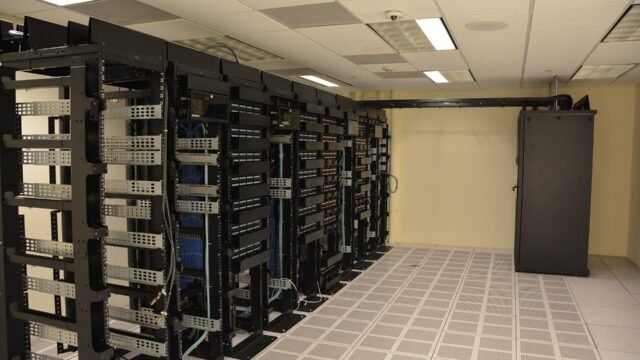
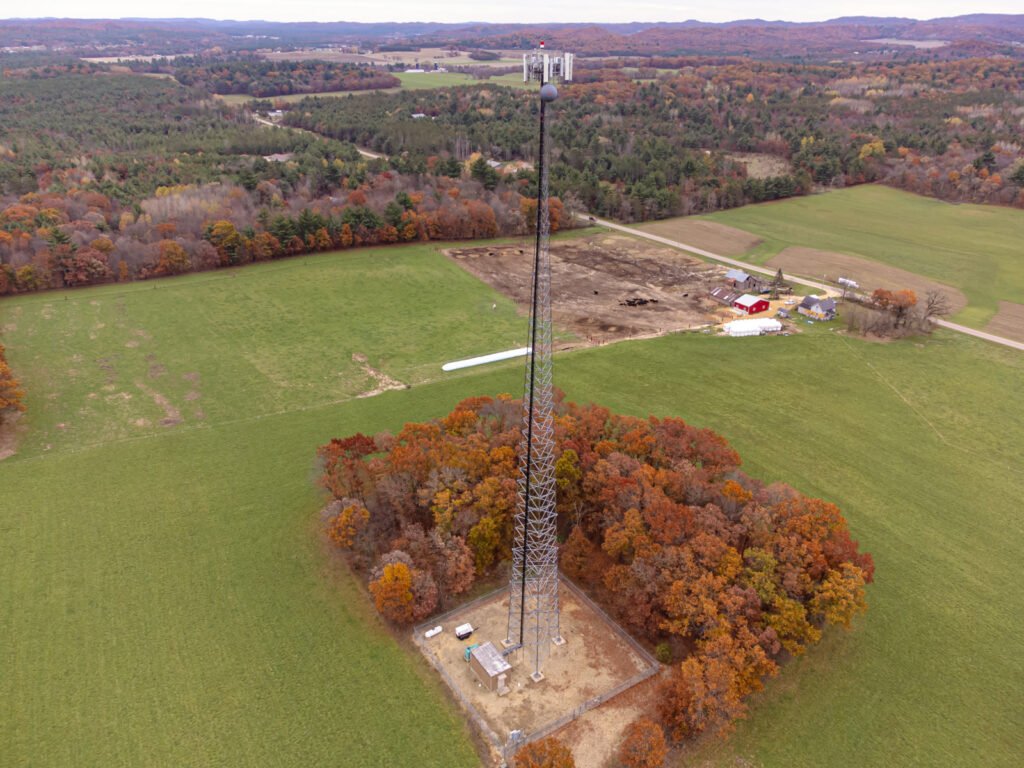
Pakistan’s telecom regulator has now inspected more than 900 mobile tower sites across the country in its ongoing field monitoring drive, the Pakistan Telecommunication Authority (PTA) said this week. In the latest round alone, PTA teams visited 184 mobile sites between 22 and 28 October 2026, checking the physical hardware that keeps networks alive — power supplies, backup batteries, generators and fibre-optic cabling.
The PTA mobile site inspections mark a shift in how the regulator works. Instead of waiting for subscriber complaints to pile up, PTA is sending its zonal teams into the field to audit towers themselves. Each inspection round has been bigger than the last, and the latest one put hardware faults front and centre.
184 sites in seven days — and growing
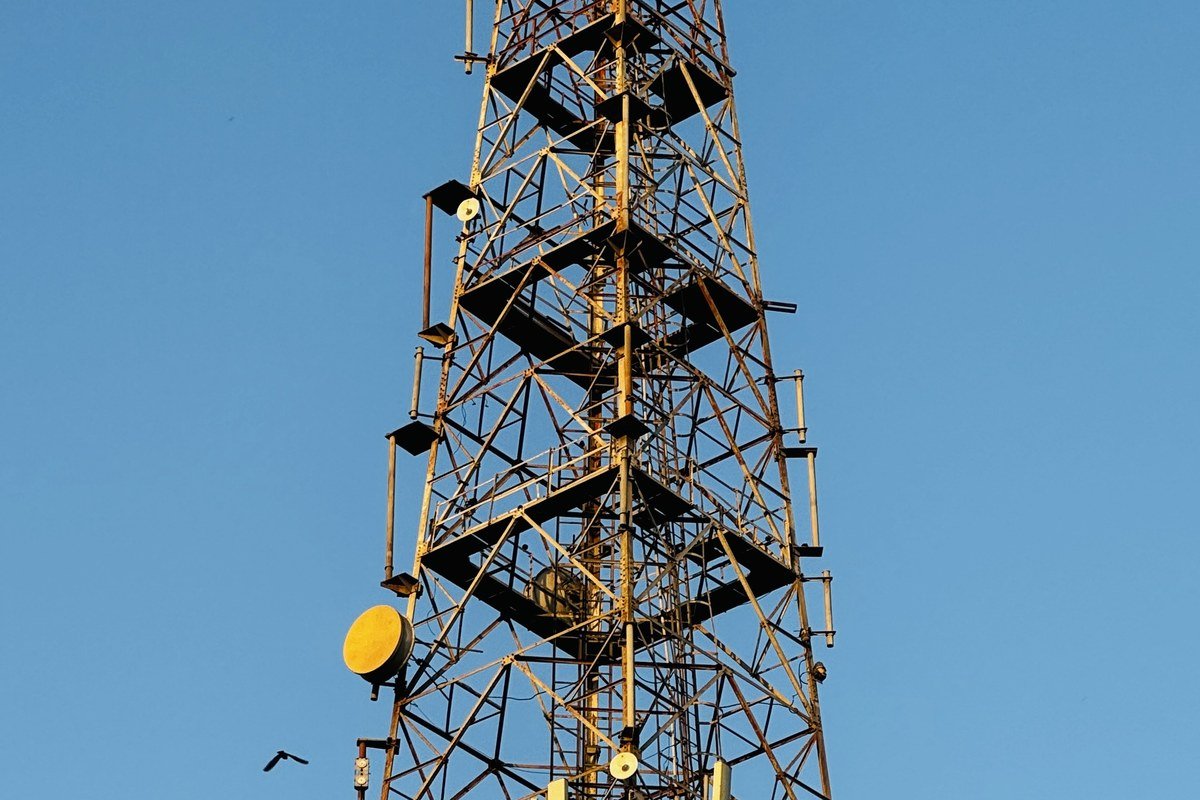
The numbers tell the story of an accelerating programme. PTA began with 115 sites inspected between 30 September and 7 October, focused mainly on service quality, coverage and backup power. The next round, from 15 to 22 October, grew to 166 sites, with monitoring run through the authority’s 12 zonal offices. The latest round of PTA mobile site inspections covered 184 sites in a single week — a 60 percent jump from the first round to the third.
Together the three reported rounds account for 465 sites, with the rest of the 900-plus cumulative total coming from earlier exercises that PTA has not itemised publicly. That is a caveat worth keeping in mind: over 900 monitored sites suggests a very wide audit, yet nearly half of that total comes from rounds with no public breakdown.
What the inspectors found: batteries, generators and fibre
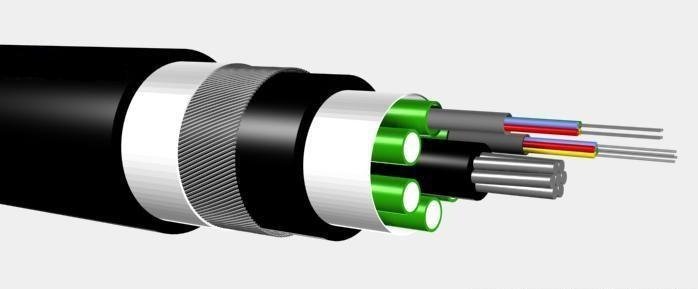
PTA’s reported findings read like a maintenance checklist for a tower site. The authority cited power-supply and backup-redundancy problems, equipment deficiencies, faulty batteries and generators, and fibre-optic cable safety concerns, along with other administrative and infrastructure shortcomings.
These are the boring, unglamorous parts of a mobile network — and they are exactly what decides whether a tower stays alive when the grid fails. Batteries bridge short outages; generators cover long ones; redundancy means a second path exists when the first fails. PTA’s findings suggest some sites had a single point of failure. Fibre carries traffic from a tower back into the operator’s core network, and the authority framed its concern as safety, not speed — the reports do not explain whether that means exposed cabling or poor routing, so the details remain open until PTA publishes more.
From Karachi to Gilgit: where the checks went
The inspectors did not stick to one region or one type of terrain. The latest PTA mobile site inspections named Nankana Sahib, Rahim Yar Khan, Quetta, Rawalpindi, Islamabad, Swat, Mirpur, Kotli, Gilgit, Torghar, South Karachi and Shaheed Benazirabad, plus rural areas of Arifwala — a mix of dense urban districts and mountain and border-adjacent areas where tower maintenance is hardest.
PTA said the exercise involved coordination with district administrations, elected representatives, local stakeholders and telecom operators. That detail signals the checks are not a purely technical audit — local officials and politicians sit in the loop, which adds public pressure on operators to fix what inspectors found.
What it means for your calls and data

For subscribers, the drive is aimed squarely at everyday frustrations: call-connection failures, dropped calls, slow mobile internet speeds and coverage gaps. A tower that loses power cannot hold calls, so users see drops and failed connections. A site running on weak batteries may stay up but shed capacity, which shows up as slow data. PTA has directed the relevant telecom operators to resolve the identified coverage, voice-service and internet-service problems within a stipulated timeframe — though the authority has not made the deadline public, so subscribers cannot yet hold anyone to a date.
The context is a tougher enforcement posture. PTA’s own quality-of-service survey for the first quarter of 2026 found that all mobile operators had only partially complied with its standards, with none achieving full compliance across all indicators.
What PTA did not say
Several details remain unconfirmed. The reports do not name the individual telecom operators directed to make fixes, give no exact performance measurements such as signal strength or drop rates, offer no itemised site-by-site results, state no deadlines, mention no penalties or fines, and name no individual PTA officials. The stick, for now, is reputational and regulatory rather than financial — but a regulator that keeps returning to the same sites usually comes back to check whether the faults were fixed.
For Pakistan’s more than 190 million mobile subscribers, the test of the PTA mobile site inspections will not be in press releases but in dropped-call rates, data speeds and the signal bars on their screens. With another round likely within weeks, operators have little time to argue — the inspection reports are already on record.
Sources: Tech Insider — PTA Mobile Site Inspections Pass 900 Sites [2026]; TechJuice — PTA Continues Nationwide Monitoring to Improve Telecom Service Quality
Related Posts
 TechnologyAdalFi IPO: Pakistan’s First Fintech Listing on PSX to Raise Rs 652 Million
 TechnologyPakistan Plans New Mobile Manufacturing Policy to Raise Local Parts to 50%
 TechnologyPakistan’s IT Exports Hit $3.39 Billion in Nine Months as Global AI Outsourcing Boom Opens Fresh Doors
 TechnologyAir Link to Launch Air EV Electric Bike Brand in Pakistan on 4 November 2026
 TechnologyPakistan Digital Authority in Talks with DFINITY on “AI Factory” for Government Software
 TechnologyPakistan Calls for Responsible, Equitable Use of AI for Maritime Security at UN Security Council
Most Popular
 How-ToPTA Tax Calculator 2026: Check Mobile Tax on Any Phone327 views
 SportsUEFA Champions League 2026-27: Format, Teams and Schedule315 views
 SportsBallon d’Or 2026: London Ceremony, Nominees and All-Time Records Ahead of 70th Anniversary312 views
 Canada JobsTech Jobs in Canada: Roles, Salaries, and Skills Needed300 views
 Pakistan NewsPIA Boeing 787 Lease Deal: What It Means for the Airline294 views
 TechnologyRedmi K100 Launching on 28 October: 10,000mAh Battery, 185Hz Display and Full Specs289 views