Pakistan Plans New Mobile Manufacturing Policy to Raise Local Parts to 50%
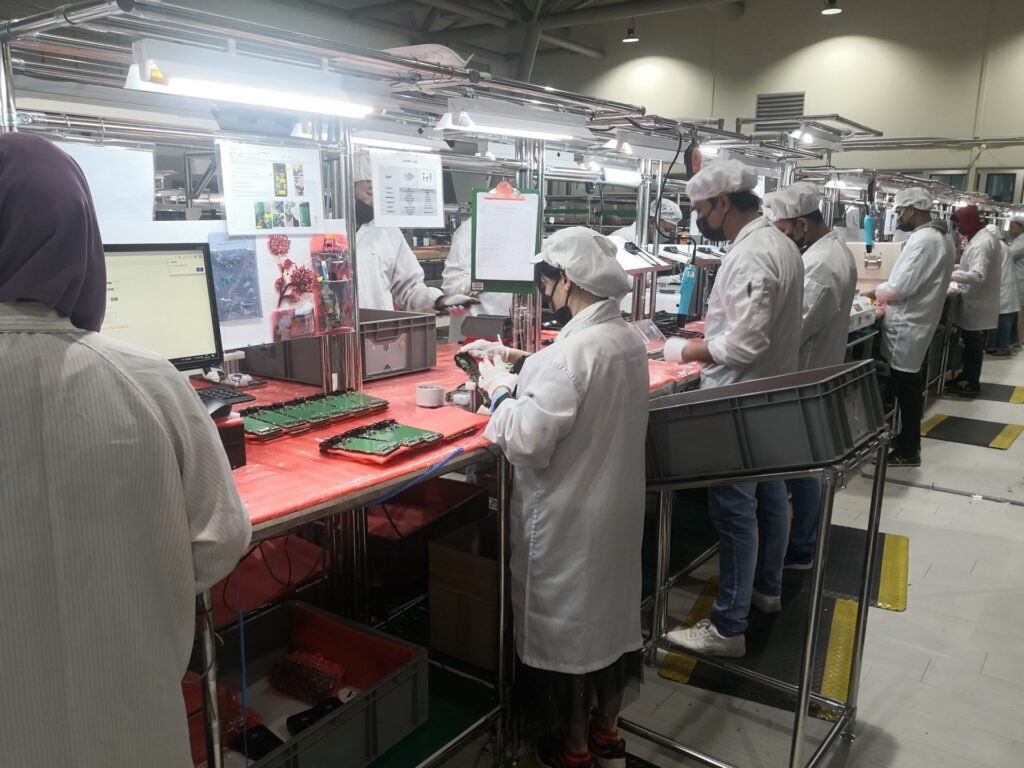
Pakistan wants half of every phone sold in the country to be genuinely made at home. The Ministry of Industries and Production is formulating a new Mobile Device Manufacturing Policy that would gradually raise domestic value addition in mobile phone production to as much as 50 per cent, technology press reports citing an official document say. That would be a major leap from the current 10 to 20 per cent — and it marks the government’s most serious attempt yet to move the industry beyond screwdriver assembly into real manufacturing.
The proposed policy builds on the Mobile Device Manufacturing Policy 2020–2023, the framework that first attracted domestic and foreign investment into mobile phone assembly plants across Pakistan. The new effort shifts the focus decisively: instead of assembling imported kits, Pakistan wants to make the components themselves — chargers, batteries, displays, circuit boards — and build the industrial ecosystem around them.
From assembly to real manufacturing
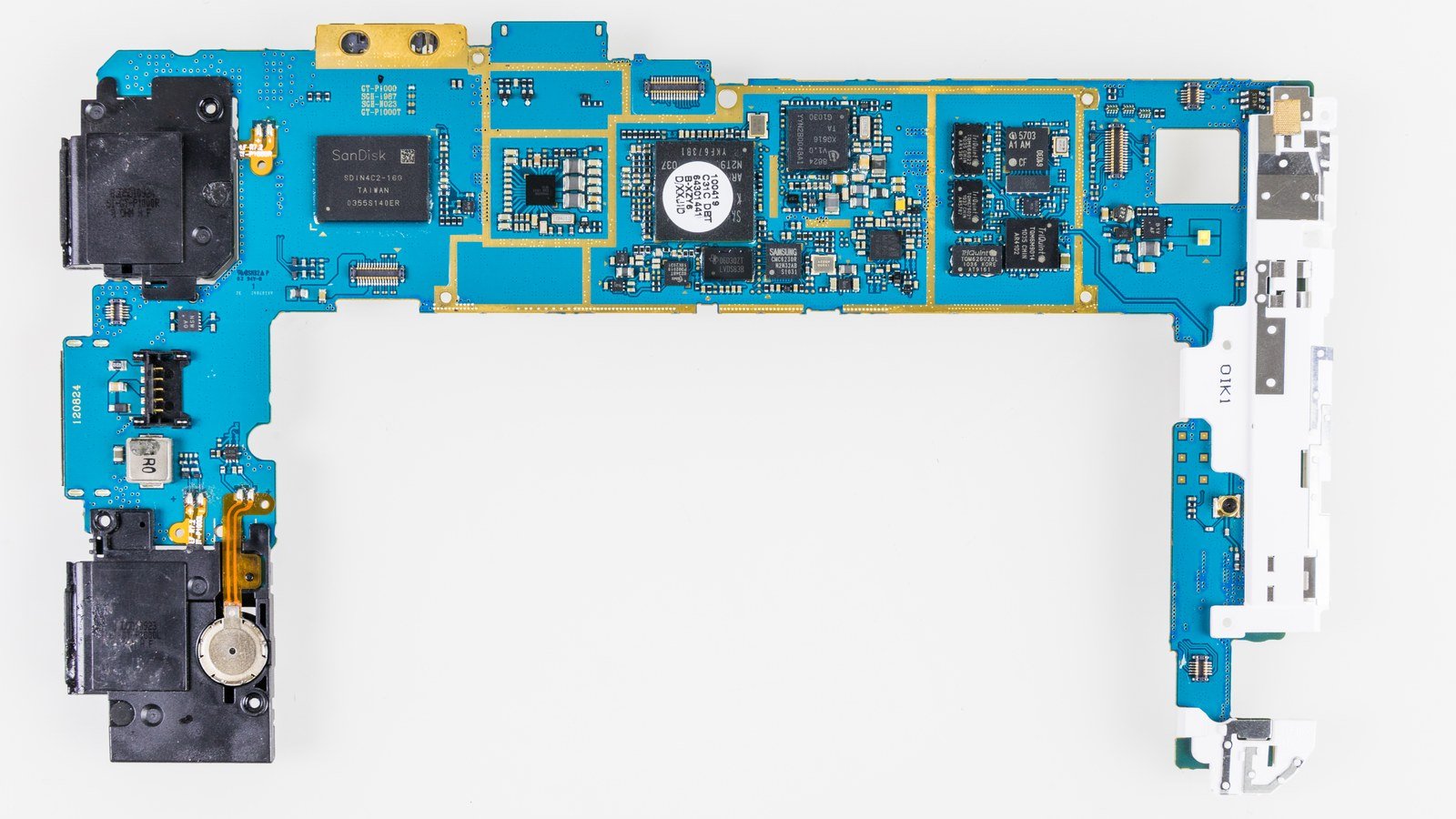
According to official documents, the draft Mobile and Electronic Device Manufacturing Policy (2026–33) has been finalised by the Ministry of Industries and Production in coordination with the Engineering Development Board, and a final round of stakeholder consultations is due before it goes to the federal cabinet and the prime minister for approval. The policy lays out a phased, seven-year path from assembly to manufacturing, with the target of 50 per cent localisation in mobile phones by 2033.
The centrepiece of the financing plan is a PKR 104 billion Technology Investment Fund, which will work through performance-linked incentives. To feed that fund, the policy proposes levies of one to five per cent on imported completely built-up (CBU) phones and completely knocked-down (CKD) kits — a mechanism officials estimate could generate around $368 million over the policy period. The framework covers not just mobile phones but also laptops and other electronic devices, making it the country’s broadest electronics-industry plan to date.
Alongside localisation, the draft sets export and skills targets: mobile phone exports past the $500 million mark, 70 per cent recovery of electronic waste through organised systems, and training for 50,000 skilled workers including 15,000 specialists. The policy also promises policy continuity through 2033, fast-track approvals and one-window facilitation for investors.
20.08 million handsets in nine months
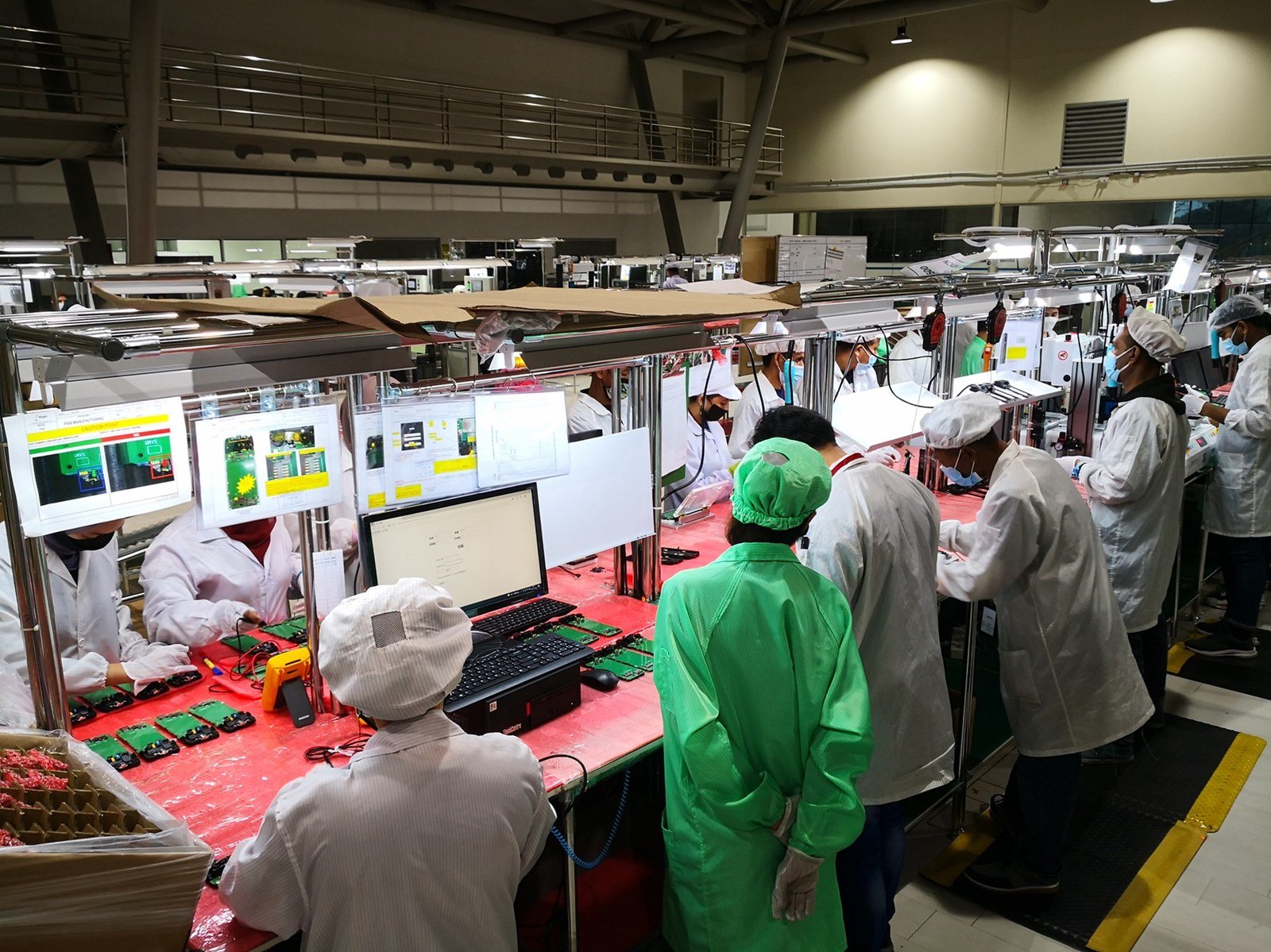
The policy push comes at a moment when local assembly is already carrying most of the market. Pakistan’s manufacturing plants produced 20.08 million handsets between January and September 2026, compared with just 2.85 million units imported commercially, official figures show. Of the locally assembled devices, roughly eight million were smartphones and 12 million were 2G handsets — and Pakistan Telecommunication Authority data shows smartphones now account for 71 per cent of active devices on local networks.
The import bill reflects the shift. In the first quarter of fiscal year 2026–27, Pakistan’s mobile phone import bill fell 16.6 per cent in dollar terms to $417.24 million, down from about $500.01 million in the same period last year. September did show a monthly uptick — up 7.1 per cent to $143.14 million from $133.66 million in August — but the bill remained 28.2 per cent below the $199.27 million recorded in September 2025.
The rankings inside the industry have also changed. VGO TEL emerged as Pakistan’s largest producer in the first nine months of 2026 with 2.50 million handsets, overtaking Infinix (1.96 million) and Itel (1.59 million). TECNO followed with 1.16 million units, Samsung with 1.04 million, Vivo with 0.99 million and Nokia with 0.97 million — a notable reshuffle after years of Infinix dominance.
The hardest part: components still come from abroad
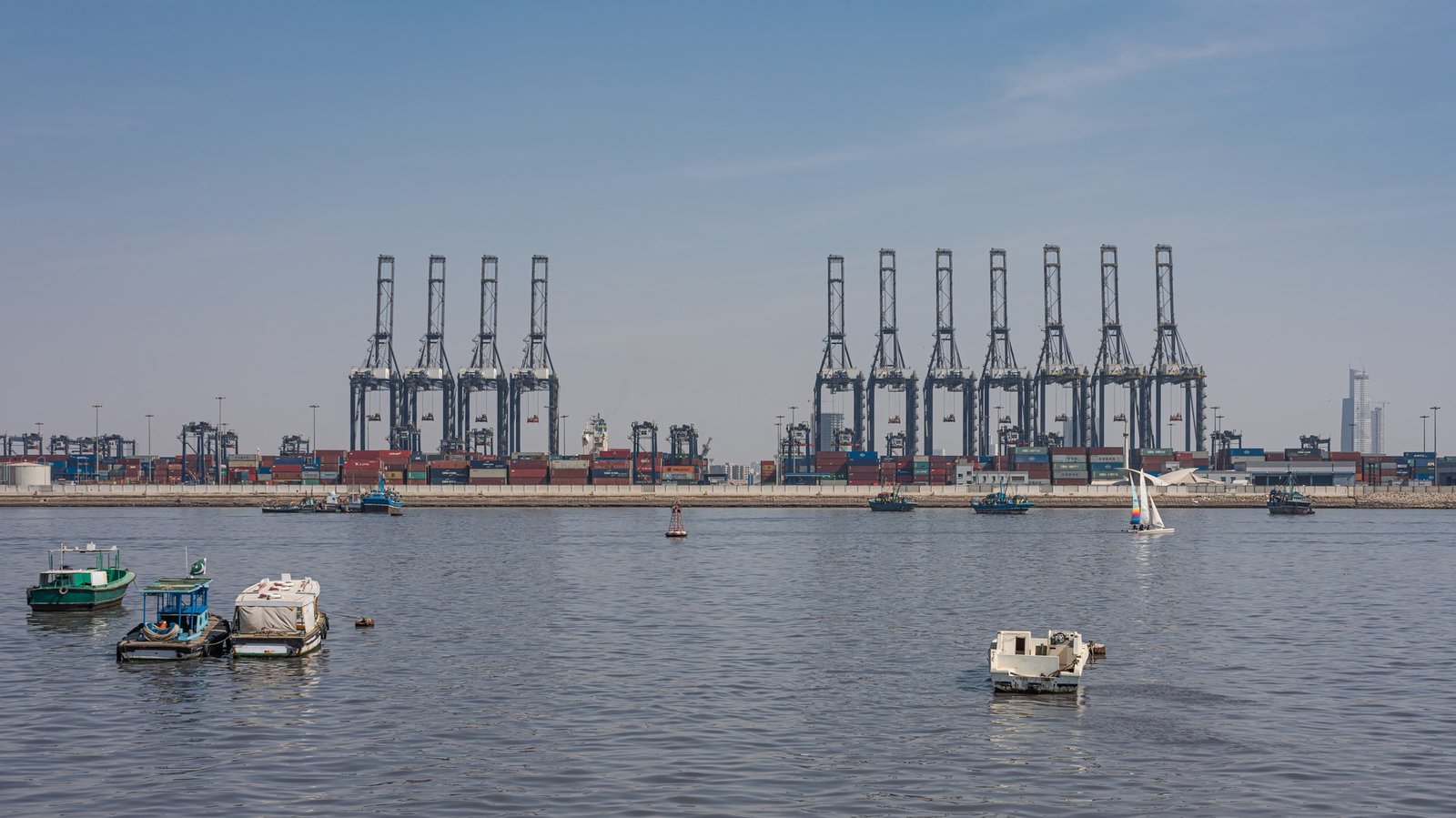
For all the assembly success, the industry’s weak spot is unchanged: most high-value components are still imported, which keeps domestic value addition stuck between 10 and 20 per cent. Locally assembled phones remain heavily dependent on imported kits, leaving the sector exposed to import disruptions and foreign-exchange pressure.
Closing that gap is the expensive part. Displays, chipsets and batteries need massive capital investment, and analysts note the policy will stand or fall on whether locally produced parts can match imported ones on cost and quality. Exchange-rate stability, access to imported raw materials, consumer purchasing power and competitive pricing will all shape whether the 50 per cent target is reachable by 2033 — a deadline the draft documents acknowledge will demand investment in component manufacturing, technology transfer, skilled labour and supporting industries.
What success would look like
If the policy lands as written, the payoff would go beyond cheaper logistics. Local component suppliers, industrial employment and a genuine export pipeline would follow — positioning Pakistan as a regional manufacturing base rather than just a market that assembles other countries’ kits. The draft’s export target of over $500 million and its emphasis on testing, certification and research infrastructure point in that direction.
One caution on the numbers: the 2026 production figures cover January to September only, while the 2024 and 2025 figures are full calendar years, so the rankings are a nine-month snapshot. Even so, the direction is clear — Pakistan’s phone industry has already learned to assemble at scale. The new policy is about learning to build.
Sources: Engineering Development Board — Mobile Phones Pitch Book (Mobile and Electronic Devices Manufacturing Policy 2026–33); Pakistan Telecommunication Authority — Mobile Device Manufacturing in Pakistan.
Related Posts
 TechnologyPakistan’s IT Exports Hit $3.39 Billion in Nine Months as Global AI Outsourcing Boom Opens Fresh Doors
 TechnologyAir Link to Launch Air EV Electric Bike Brand in Pakistan on 4 November 2026
 TechnologyPakistan Digital Authority in Talks with DFINITY on “AI Factory” for Government Software
 TechnologyPakistan Calls for Responsible, Equitable Use of AI for Maritime Security at UN Security Council
 TechnologyPTA Starts Blocking WhatsApp Accounts Linked to Inactive SIM Cards
 TechnologyTelenor Pakistan Secures No.1 Position in Cybersecurity Excellence for Third Consecutive Year
Most Popular
 How-ToPTA Tax Calculator 2026: Check Mobile Tax on Any Phone326 views
 SportsUEFA Champions League 2026-27: Format, Teams and Schedule314 views
 SportsBallon d’Or 2026: London Ceremony, Nominees and All-Time Records Ahead of 70th Anniversary312 views
 Canada JobsTech Jobs in Canada: Roles, Salaries, and Skills Needed300 views
 Pakistan NewsPIA Boeing 787 Lease Deal: What It Means for the Airline293 views
 TechnologyRedmi K100 Launching on 28 October: 10,000mAh Battery, 185Hz Display and Full Specs289 views